

Bread, whole wheat, with raisins
Common food

Photo: Wikipedia
This is a hearty, sweet bread where the nutty, slightly earthy flavor of whole wheat is studded with chewy, jammy raisins. The texture is dense and satisfying, with a soft crumb and a subtle, caramel-like sweetness from the fruit. It's a nutrient-dense choice, offering significant fiber and plant-based protein from the whole grains.
Calorie split: 12% protein · 76% carbs · 13% fat
↓ Full nutrition💚 Why it's loved
People love it for the perfect balance of wholesome grain flavor and natural sweetness, making it a comforting and versatile staple. It's a nostalgic favorite for breakfast or snacks, enjoyed plain, toasted, or with spreads.
⚠️ Watch-outs & how to enjoy it better
The natural sugars from raisins and added sweeteners can cause blood sugar spikes, especially for those with insulin sensitivity. It may also contain added sodium and is a common source of gluten. To counteract, pair a slice with protein-rich peanut butter or Greek yogurt, or choose a brand with no added sugar and control portions.
Key benefits
- High in dietary fiber for digestive health
- Good source of plant-based protein
- Provides sustained energy from complex carbs
- Contains iron and B vitamins from whole wheat
🍽️ Popular dishes
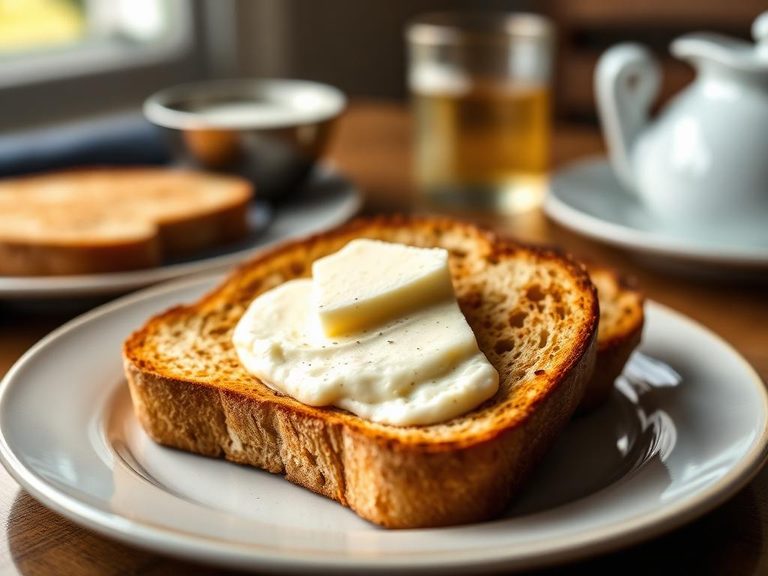
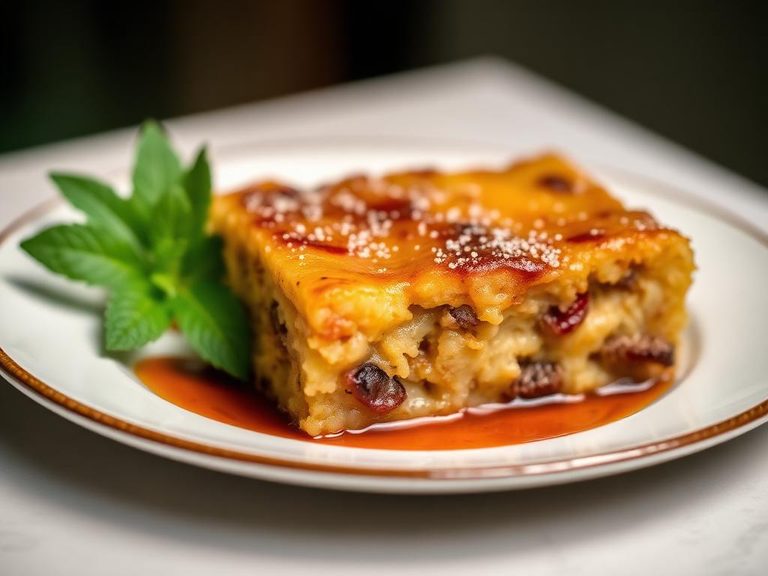
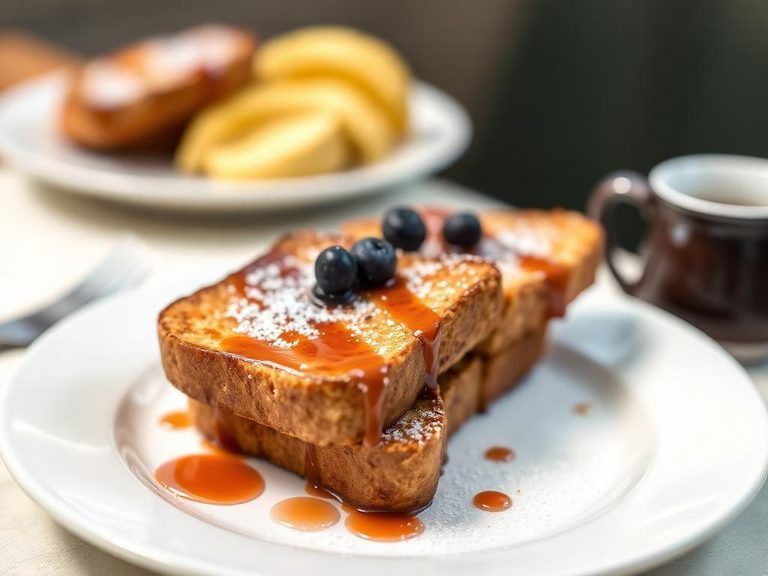
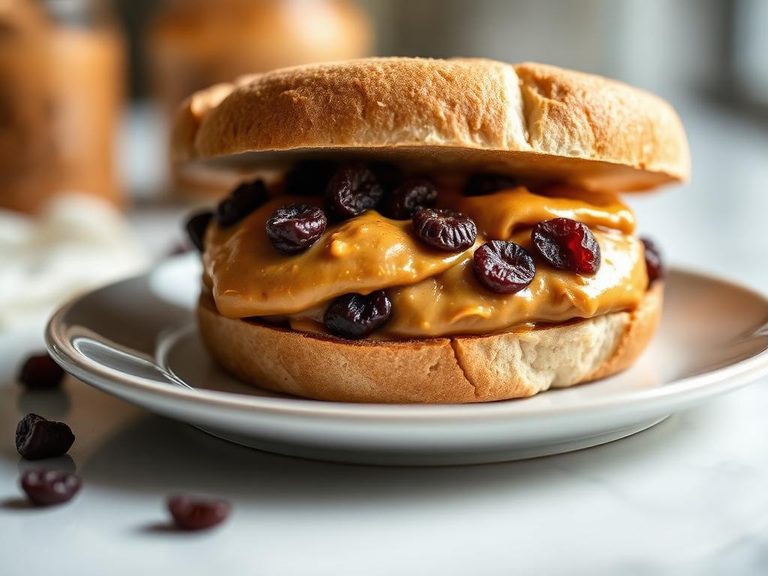

🌍 Where it's eaten
💡 Did you know?
The practice of adding raisins to bread dates back to ancient Rome, where they were considered a luxury ingredient and were sometimes used as a form of payment.
Full nutrition (USDA data · scales with serving)
| Water | 28.5 g |
| Energy | 290 kcal |
| Protein | 8.6 g |
| Total lipid (fat) | 4.1 g |
| Carbohydrate, by difference | 56.4 g |
| Fiber, total dietary | 6.5 g |
| Total Sugars | 19.5 g |
| Calcium, Ca | 59.0 mg |
| Iron, Fe | 2.2 mg |
| Magnesium, Mg | 73.0 mg |
| Phosphorus, P | 205 mg |
| Potassium, K | 322 mg |
| Sodium, Na | 480 mg |
| Zinc, Zn | 1.8 mg |
| Copper, Cu | 0.26 mg |
| Selenium, Se | 11.7 ug |
| Vitamin C, total ascorbic acid | 0.30 mg |
| Thiamin | 0.31 mg |
| Riboflavin | 0.13 mg |
| Niacin | 2.9 mg |
| Vitamin B-6 | 0.16 mg |
| Folate, total | 35.0 ug |
| Folic acid | 0.00 ug |
| Folate, food | 35.0 ug |
| Folate, DFE | 35.0 ug |
| Choline, total | 18.7 mg |
| Vitamin B-12 | 0.05 ug |
| Vitamin B-12, added | 0.00 ug |
| Vitamin A, RAE | 23.0 ug |
| Retinol | 23.0 ug |
| Carotene, beta | 7.0 ug |
| Carotene, alpha | 0.00 ug |
| Cryptoxanthin, beta | 1.0 ug |
| Lycopene | 0.00 ug |
| Lutein + zeaxanthin | 96.0 ug |
| Vitamin E (alpha-tocopherol) | 0.44 mg |
| Vitamin E, added | 0.00 mg |
| Vitamin D (D2 + D3) | 0.20 ug |
| Vitamin K (phylloquinone) | 2.4 ug |
| Alcohol, ethyl | 0.00 g |
| Caffeine | 0.00 mg |
| Theobromine | 0.00 mg |
Fat & fatty acid profile (per 100g)
| Fatty acids, total saturated | 1.5 g |
| SFA 4:0 | 0.05 g |
| SFA 6:0 | 0.03 g |
| SFA 8:0 | 0.02 g |
| SFA 10:0 | 0.04 g |
| SFA 12:0 | 0.05 g |
| SFA 14:0 | 0.17 g |
| SFA 16:0 | 0.80 g |
| SFA 18:0 | 0.28 g |
| Fatty acids, total monounsaturated | 0.91 g |
| MUFA 16:1 | 0.04 g |
| MUFA 18:1 | 0.85 g |
| MUFA 20:1 | 0.01 g |
| MUFA 22:1 | 0.00 g |
| Fatty acids, total polyunsaturated | 0.85 g |
| PUFA 18:2 | 0.80 g |
| PUFA 18:3 | 0.06 g |
| PUFA 18:4 | 0.00 g |
| PUFA 20:4 | 0.00 g |
| PUFA 20:5 n-3 (EPA) | 0.00 g |
| PUFA 22:5 n-3 (DPA) | 0.00 g |
| PUFA 22:6 n-3 (DHA) | 0.00 g |
| Cholesterol | 6.0 mg |
Amino acid profile (per 100g)
Estimated from Bread, salvadoran sweet cheese (quesadilla salvadorena) — USDA does not publish this profile for Bread.
| Tryptophan | 0.07 g |
| Threonine | 0.21 g |
| Isoleucine | 0.30 g |
| Leucine | 0.65 g |
| Lysine | 0.50 g |
| Methionine | 0.28 g |
| Cystine | 0.06 g |
| Phenylalanine | 0.37 g |
| Tyrosine | 0.23 g |
| Valine | 0.43 g |
| Arginine | 0.25 g |
| Histidine | 0.15 g |
| Alanine | 0.36 g |
| Aspartic acid | 0.59 g |
| Glutamic acid | 1.3 g |
| Glycine | 0.20 g |
| Proline | 0.83 g |
| Serine | 0.45 g |
| Hydroxyproline | 0.00 g |
FAQ
Is whole wheat raisin bread healthier than white bread?
Generally, yes. It provides more fiber, protein, and micronutrients from the whole grain flour, which supports better digestion and sustained energy compared to refined white bread.
How should I store it to keep it fresh?
Store it in a bread box or a sealed plastic bag at room temperature for 2-3 days. For longer storage, slice and freeze it; it toasts directly from frozen.
Can I make it without added sugar?
Yes, the raisins provide natural sweetness. You can find or bake recipes that rely solely on the fruit for flavor, reducing the overall glycemic impact.
Nutrient density (calculated · NRF9.3)
Nutrient Rich Foods index: beneficial nutrients (protein, fiber, vitamins, minerals) minus saturated fat, added sugar & sodium, per 100 kcal.
NRF9.3 index — Fulgoni, Keast & Drewnowski, 2009. Computed from USDA nutrients.
Weight-loss friendliness (composite index)
Energy density 2.90 kcal/g · 12% calories from protein · 6.5 g fiber · 19.5 g sugar per 100 g.
Composite of energy density (Rolls et al., 1999), protein & fiber satiety, minus sugar. A calculated heuristic — ranks satiety-per-calorie, not a clinical measure.
Dietary load (calculated from USDA values)
Potential renal acid load. Positive = acid-forming, negative = alkaline-forming.
Sodium-to-potassium ratio: 1.49 (lower is better — aim for ≤ 1)
Sodium:potassium per WHO potassium guidance. Computed from USDA nutrients.