

Black beans, from canned, fat added
Common food
These are tender, pre-cooked black beans, often with a touch of oil for a smoother mouthfeel. They offer a deep, earthy, slightly sweet flavor and a satisfyingly creamy yet firm texture. A nutritional powerhouse, they pack a significant 8.5g of plant-based protein and nearly 10g of fiber per 100g serving.
Calorie split: 19% protein · 52% carbs · 29% fat
↓ Full nutrition💚 Why it's loved
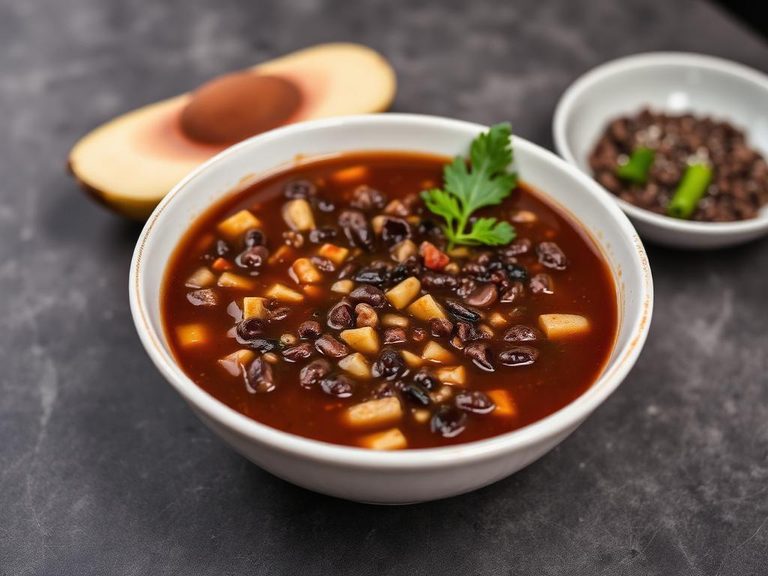
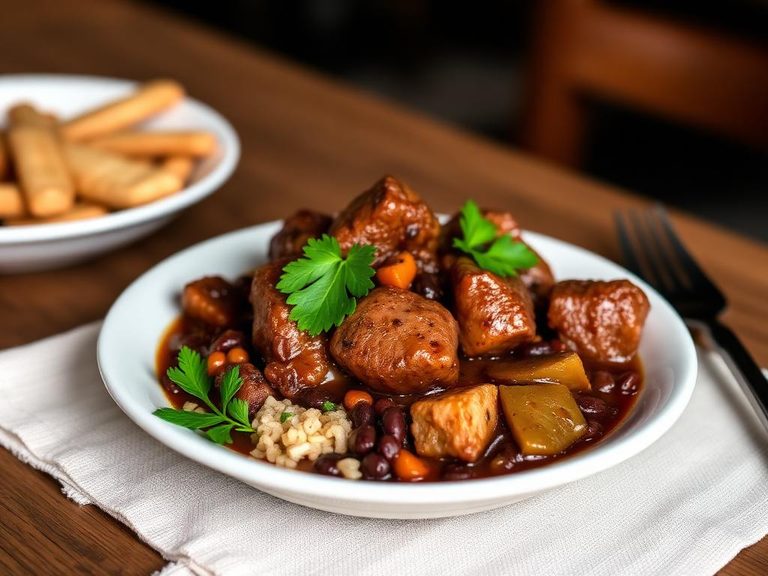
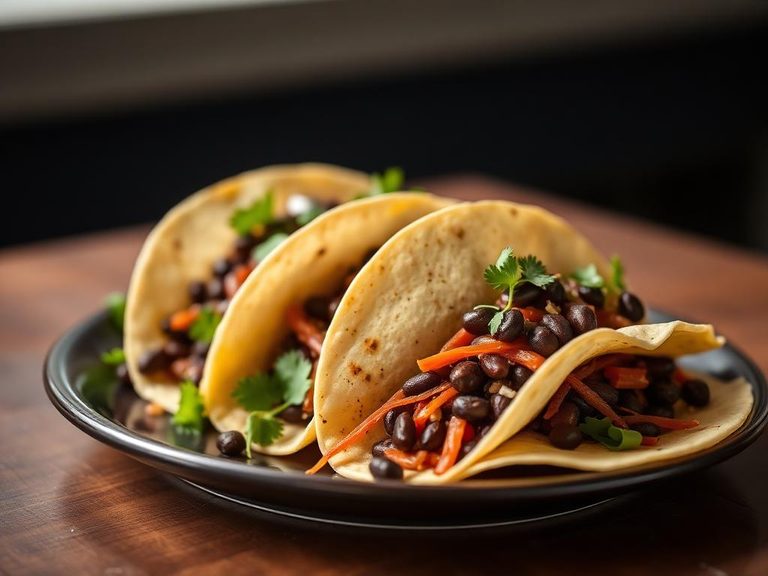
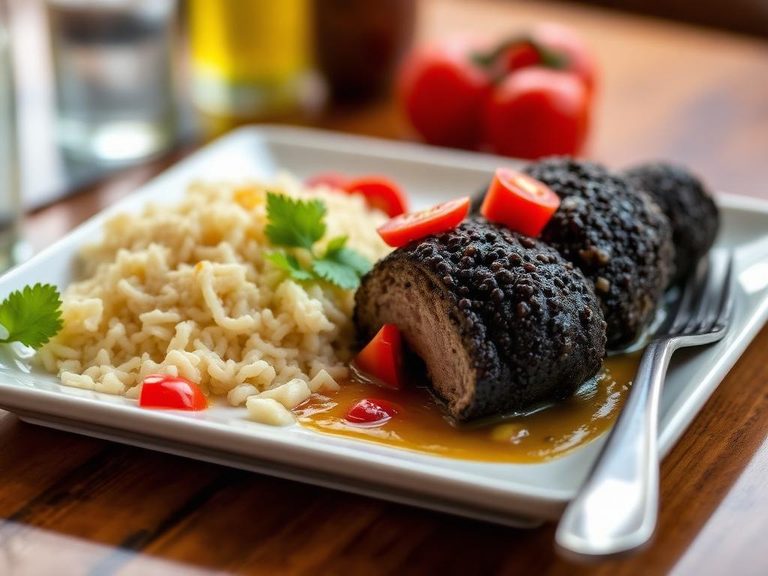
People adore them for their rich, hearty flavor that forms the backbone of countless comfort foods. Their incredible versatility allows them to be mashed, whole, or pureed into everything from tacos to brownies.
⚠️ Watch-outs & how to enjoy it better
Canned versions can be high in sodium, and the beans contain oligosaccharides that may cause gas. To counteract, rinse them thoroughly under water to reduce sodium by up to 40%, and start with smaller portions while your system adjusts.
Key benefits
- Excellent source of plant-based protein
- High in dietary fiber for digestive health
- Rich in complex carbohydrates for sustained energy
- Contains essential minerals like iron and magnesium
- Low in sugar and a good source of antioxidants
🍽️ Popular dishes
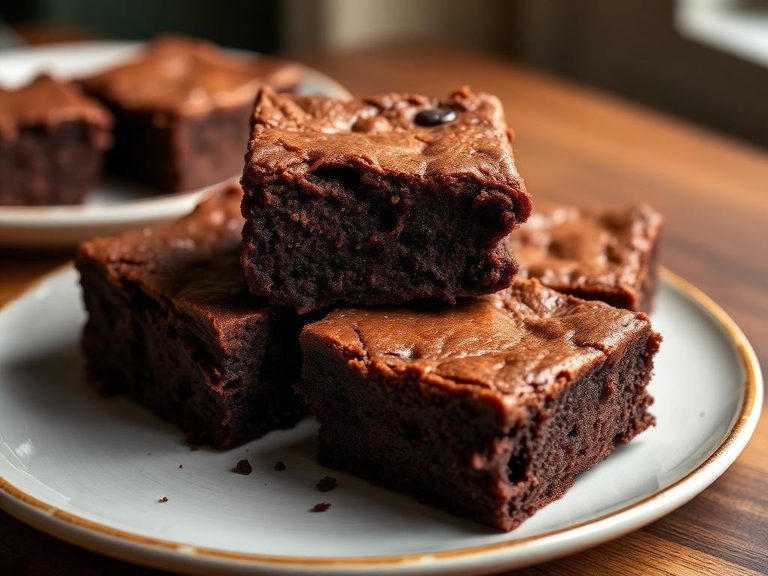
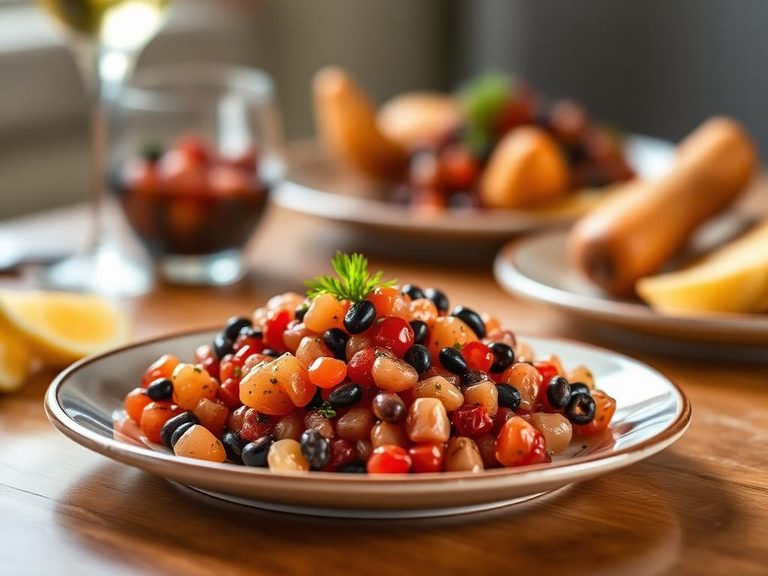
🌍 Where it's eaten
💡 Did you know?
The dark pigment in black bean skins is due to anthocyanins, the same powerful antioxidants found in blueberries and red wine.
Full nutrition (USDA data · scales with serving)
| Water | 60.0 g |
| Energy | 178 kcal |
| Protein | 8.5 g |
| Total lipid (fat) | 5.9 g |
| Carbohydrate, by difference | 23.4 g |
| Fiber, total dietary | 9.8 g |
| Total Sugars | 0.33 g |
| Calcium, Ca | 50.0 mg |
| Iron, Fe | 2.7 mg |
| Magnesium, Mg | 50.0 mg |
| Phosphorus, P | 153 mg |
| Potassium, K | 436 mg |
| Sodium, Na | 335 mg |
| Zinc, Zn | 0.76 mg |
| Copper, Cu | 0.27 mg |
| Selenium, Se | 1.8 ug |
| Vitamin C, total ascorbic acid | 3.6 mg |
| Thiamin | 0.19 mg |
| Riboflavin | 0.16 mg |
| Niacin | 0.83 mg |
| Vitamin B-6 | 0.07 mg |
| Folate, total | 82.0 ug |
| Folic acid | 0.00 ug |
| Folate, food | 82.0 ug |
| Folate, DFE | 82.0 ug |
| Choline, total | 32.9 mg |
| Vitamin B-12 | 0.00 ug |
| Vitamin B-12, added | 0.00 ug |
| Vitamin A, RAE | 0.00 ug |
| Retinol | 0.00 ug |
| Carotene, beta | 0.00 ug |
| Carotene, alpha | 0.00 ug |
| Cryptoxanthin, beta | 0.00 ug |
| Lycopene | 0.00 ug |
| Lutein + zeaxanthin | 0.00 ug |
| Vitamin E (alpha-tocopherol) | 1.9 mg |
| Vitamin E, added | 0.00 mg |
| Vitamin D (D2 + D3) | 0.00 ug |
| Vitamin K (phylloquinone) | 8.8 ug |
| Alcohol, ethyl | 0.00 g |
| Caffeine | 0.00 mg |
| Theobromine | 0.00 mg |
Fat & fatty acid profile (per 100g)
| Fatty acids, total saturated | 0.84 g |
| SFA 4:0 | 0.00 g |
| SFA 6:0 | 0.00 g |
| SFA 8:0 | 0.00 g |
| SFA 10:0 | 0.00 g |
| SFA 12:0 | 0.00 g |
| SFA 14:0 | 0.00 g |
| SFA 16:0 | 0.63 g |
| SFA 18:0 | 0.16 g |
| Fatty acids, total monounsaturated | 2.4 g |
| MUFA 16:1 | 0.02 g |
| MUFA 18:1 | 2.3 g |
| MUFA 20:1 | 0.04 g |
| MUFA 22:1 | 0.00 g |
| Fatty acids, total polyunsaturated | 2.3 g |
| PUFA 18:2 | 2.0 g |
| PUFA 18:3 | 0.32 g |
| PUFA 18:4 | 0.00 g |
| PUFA 20:4 | 0.00 g |
| PUFA 20:5 n-3 (EPA) | 0.00 g |
| PUFA 22:5 n-3 (DPA) | 0.00 g |
| PUFA 22:6 n-3 (DHA) | 0.00 g |
| Cholesterol | 0.00 mg |
Amino acid profile (per 100g)
Estimated from Beans, black, mature seeds, raw — USDA does not publish this profile for Black beans.
| Tryptophan | 0.26 g |
| Threonine | 0.91 g |
| Isoleucine | 0.95 g |
| Leucine | 1.7 g |
| Lysine | 1.5 g |
| Methionine | 0.33 g |
| Cystine | 0.23 g |
| Phenylalanine | 1.2 g |
| Tyrosine | 0.61 g |
| Valine | 1.1 g |
| Arginine | 1.3 g |
| Histidine | 0.60 g |
| Alanine | 0.91 g |
| Aspartic acid | 2.6 g |
| Glutamic acid | 3.3 g |
| Glycine | 0.84 g |
| Proline | 0.92 g |
| Serine | 1.2 g |
FAQ
Are canned black beans as nutritious as dried?
Yes, the canning process preserves most nutrients, including protein and fiber. The main difference is often higher sodium content, which can be reduced by rinsing.
Do I need to cook canned black beans?
They are fully cooked and safe to eat straight from the can. However, heating them improves flavor and texture for most recipes.
Why do canned beans sometimes have a metallic taste?
This can occur if the can is dented or old, allowing a reaction between the food and the metal. Always check for damage and use before the expiration date.
Nutrient density (calculated · NRF9.3)
Nutrient Rich Foods index: beneficial nutrients (protein, fiber, vitamins, minerals) minus saturated fat, added sugar & sodium, per 100 kcal.
NRF9.3 index — Fulgoni, Keast & Drewnowski, 2009. Computed from USDA nutrients.
Weight-loss friendliness (composite index)
Energy density 1.78 kcal/g · 19% calories from protein · 9.8 g fiber · 0.3 g sugar per 100 g.
Composite of energy density (Rolls et al., 1999), protein & fiber satiety, minus sugar. A calculated heuristic — ranks satiety-per-calorie, not a clinical measure.
Dietary load (calculated from USDA values)
Potential renal acid load. Positive = acid-forming, negative = alkaline-forming.
Sodium-to-potassium ratio: 0.77 (lower is better — aim for ≤ 1)
Sodium:potassium per WHO potassium guidance. Computed from USDA nutrients.