

Beans, black, canned, sodium added, drained and rinsed
Whole food · Legumes and Legume Products
These are tender black beans, preserved in a brine with added sodium, then rinsed to reduce the salty coating. They have a soft, creamy texture with a mild, earthy flavor that readily absorbs surrounding spices. A 100g serving provides a solid protein boost (6.9g) with minimal fat.
Calorie split: 23% protein · 67% carbs · 10% fat
↓ Full nutrition💚 Why it's loved
People love them for their incredibly versatile, mild flavor that acts as a blank canvas for bold seasonings, and for the satisfying, hearty texture they add to any dish.
⚠️ Watch-outs & how to enjoy it better
The added sodium can be a concern for those monitoring blood pressure, and the rinsing process removes most of the beneficial fiber. To counteract, look for 'no salt added' versions, rinse thoroughly, and pair with high-fiber foods like vegetables or whole grains.
Key benefits
- Excellent plant-based protein source
- Provides complex carbohydrates for sustained energy
- Convenient, shelf-stable pantry staple
- Contains essential minerals like iron and folate
🍽️ Popular dishes
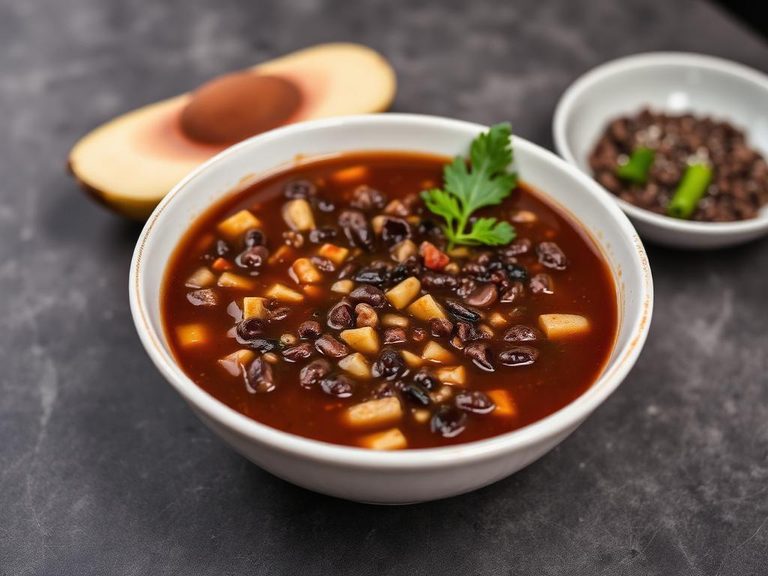
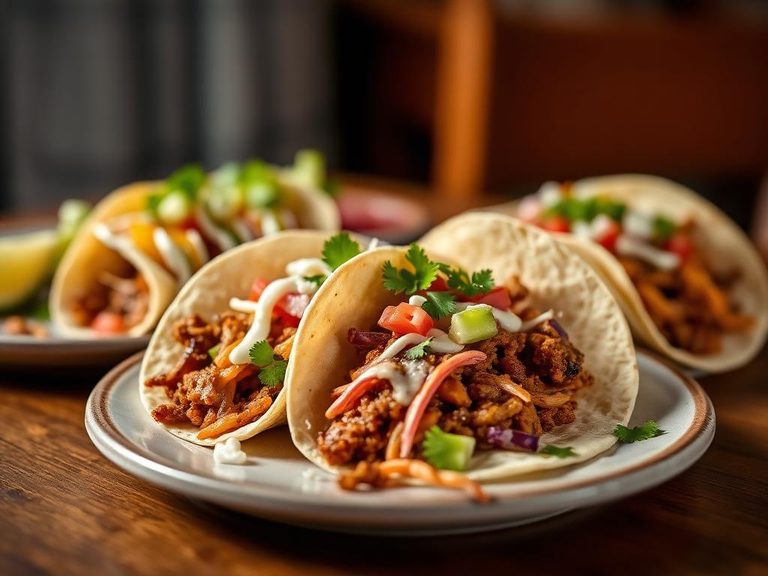
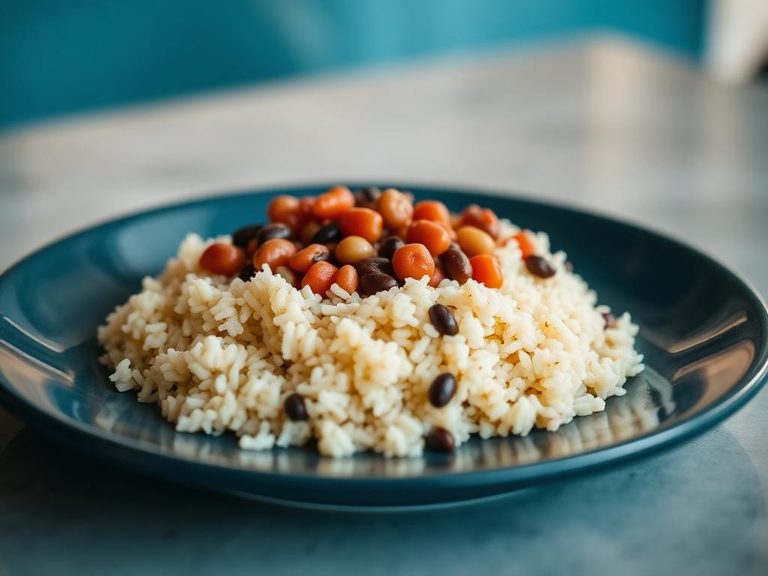
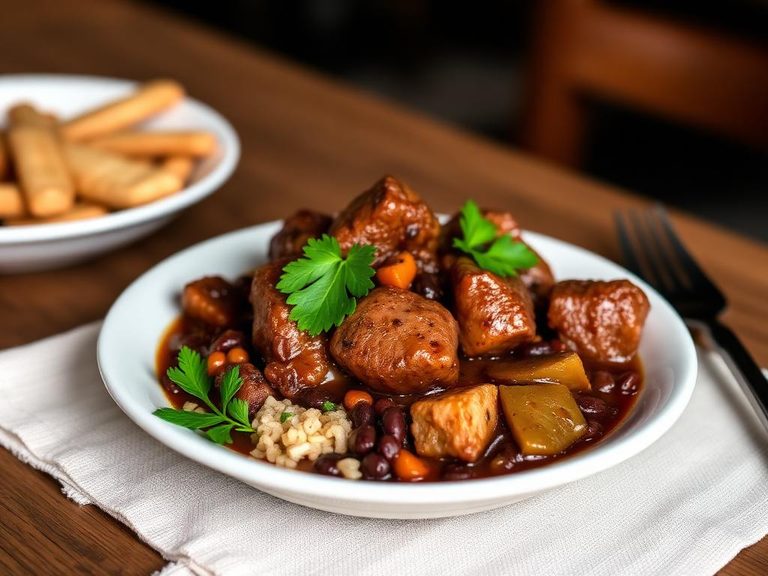
🌍 Where it's eaten
💡 Did you know?
The dark, inky color of black beans comes from anthocyanins, the same powerful antioxidants found in blueberries and red cabbage.
Full nutrition (USDA data · scales with serving)
| Water | 70.8 g |
| Energy (Atwater General Factors) | 118 kcal |
| Energy (Atwater Specific Factors) | 115 kcal |
| Nitrogen | 1.1 g |
| Protein | 6.9 g |
| Total lipid (fat) | 1.3 g |
| Ash | 1.2 g |
| Carbohydrate, by difference | 19.8 g |
| Total dietary fiber (AOAC 2011.25) | 6.7 g |
| Starch | 11.8 g |
| Resistant starch | 2.0 g |
| Calcium, Ca | 43.3 mg |
| Iron, Fe | 1.7 mg |
| Magnesium, Mg | 32.5 mg |
| Phosphorus, P | 91.0 mg |
| Potassium, K | 253 mg |
| Sodium, Na | 218 mg |
| Zinc, Zn | 0.74 mg |
| Copper, Cu | 0.34 mg |
| Manganese, Mn | 0.33 mg |
Fat & fatty acid profile (per 100g)
Estimated from Lima beans, thin seeded (baby), mature seeds, cooked, boiled, without salt — USDA does not publish this profile for Beans.
| Fatty acids, total saturated | 0.09 g |
| SFA 12:0 | 0.00 g |
| SFA 14:0 | 0.00 g |
| SFA 16:0 | 0.07 g |
| SFA 18:0 | 0.02 g |
| Fatty acids, total monounsaturated | 0.03 g |
| MUFA 16:1 | 0.00 g |
| MUFA 18:1 | 0.03 g |
| MUFA 20:1 | 0.00 g |
| MUFA 22:1 | 0.00 g |
| Fatty acids, total polyunsaturated | 0.17 g |
| PUFA 18:2 | 0.12 g |
| PUFA 18:3 | 0.05 g |
| Fatty acids, total trans | 0.00 g |
| Cholesterol | 0.00 mg |
Amino acid profile (per 100g)
Estimated from Lima beans, thin seeded (baby), mature seeds, cooked, boiled, without salt — USDA does not publish this profile for Beans.
| Tryptophan | 0.10 g |
| Threonine | 0.35 g |
| Isoleucine | 0.42 g |
| Leucine | 0.69 g |
| Lysine | 0.54 g |
| Methionine | 0.10 g |
| Cystine | 0.09 g |
| Phenylalanine | 0.46 g |
| Tyrosine | 0.28 g |
| Valine | 0.48 g |
| Arginine | 0.49 g |
| Histidine | 0.25 g |
| Alanine | 0.41 g |
| Aspartic acid | 1.0 g |
| Glutamic acid | 1.1 g |
| Glycine | 0.34 g |
| Proline | 0.37 g |
| Serine | 0.54 g |
FAQ
Why should I rinse canned black beans?
Rinsing under cool water can reduce the sodium content by up to 40% and washes away the starchy, sometimes metallic-tasting liquid they are canned in.
Are canned black beans as nutritious as dried?
Yes, they retain their protein, mineral, and antioxidant content well. The main nutritional differences are the added sodium and the loss of some soluble fiber into the canning liquid.
How can I improve the texture of canned black beans?
For a firmer texture, add them to your dish near the end of cooking. For a creamier texture, simmer them for 10-15 minutes or mash a portion of them before stirring into soups or stews.
Nutrient density (calculated · NRF9.3)
Nutrient Rich Foods index: beneficial nutrients (protein, fiber, vitamins, minerals) minus saturated fat, added sugar & sodium, per 100 kcal.
NRF9.3 index — Fulgoni, Keast & Drewnowski, 2009. Computed from USDA nutrients.
Weight-loss friendliness (composite index)
Energy density 1.18 kcal/g · 23% calories from protein · 0.0 g fiber · 0.0 g sugar per 100 g.
Composite of energy density (Rolls et al., 1999), protein & fiber satiety, minus sugar. A calculated heuristic — ranks satiety-per-calorie, not a clinical measure.
Dietary load (calculated from USDA values)
Potential renal acid load. Positive = acid-forming, negative = alkaline-forming.
Sodium-to-potassium ratio: 0.86 (lower is better — aim for ≤ 1)
Sodium:potassium per WHO potassium guidance. Computed from USDA nutrients.