

Beverages, tea, green, ready to drink, unsweetened
Whole food · Beverages

Photo: Wikipedia
This is the crisp, clean essence of green tea, brewed and chilled without a hint of added sugar. It delivers a subtle, grassy, and sometimes nutty flavor profile with a refreshing, light-bodied texture. Nutritionally, it is a zero-calorie powerhouse, offering a pure source of hydration and antioxidants without any macronutrients.
💚 Why it's loved
People love it for its clean, refreshing taste that acts as a palate cleanser and a sophisticated alternative to sugary sodas. Its versatility makes it a staple in many cultures, enjoyed hot or cold, and it pairs beautifully with a wide range of foods.
⚠️ Watch-outs & how to enjoy it better
The tannins in green tea can cause astringency and may inhibit iron absorption, especially when consumed with meals. For those sensitive to caffeine, it can cause restlessness if consumed late in the day. To mitigate tannin effects, avoid drinking it alongside iron-rich foods and consider adding a splash of lemon to enhance iron absorption.
Key benefits
- Rich in catechins, particularly EGCG, which are potent antioxidants.
- Supports hydration without adding calories, sugar, or sodium.
- Contains L-theanine, an amino acid that may promote calm alertness.
- May support metabolic health and cardiovascular function.
- Provides a gentle, natural caffeine boost without the jitters of coffee.
🍽️ Popular dishes
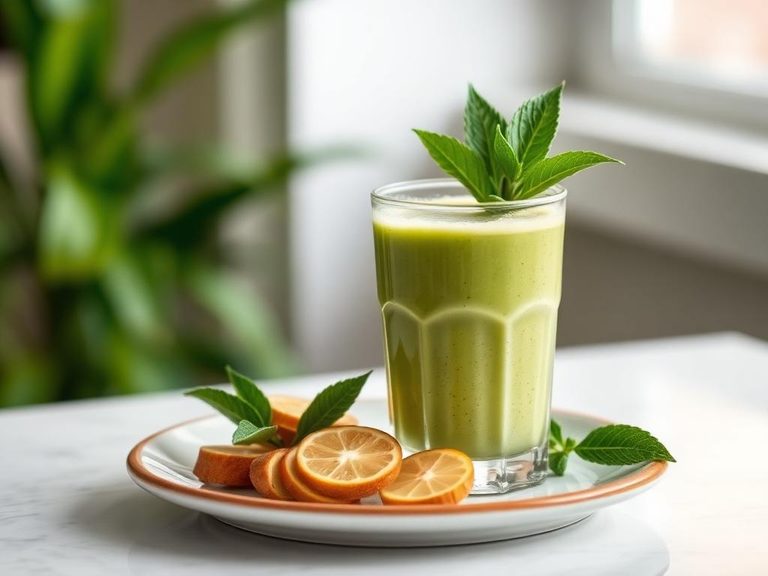
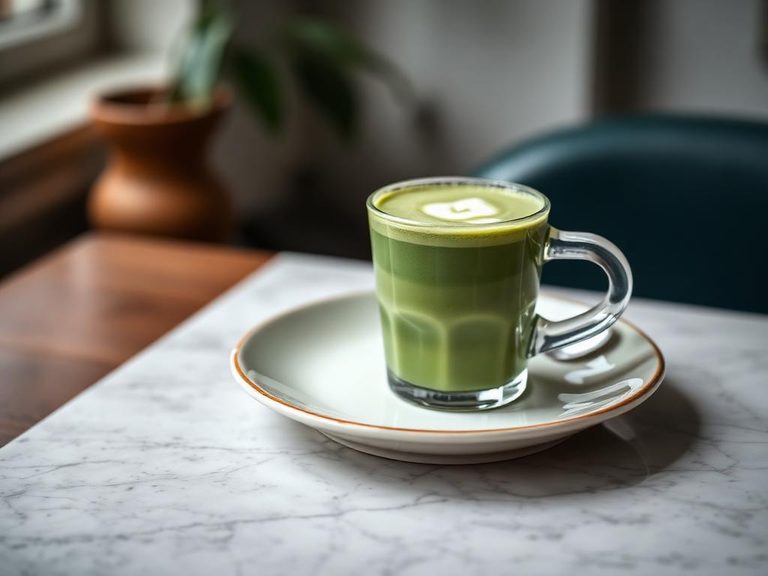
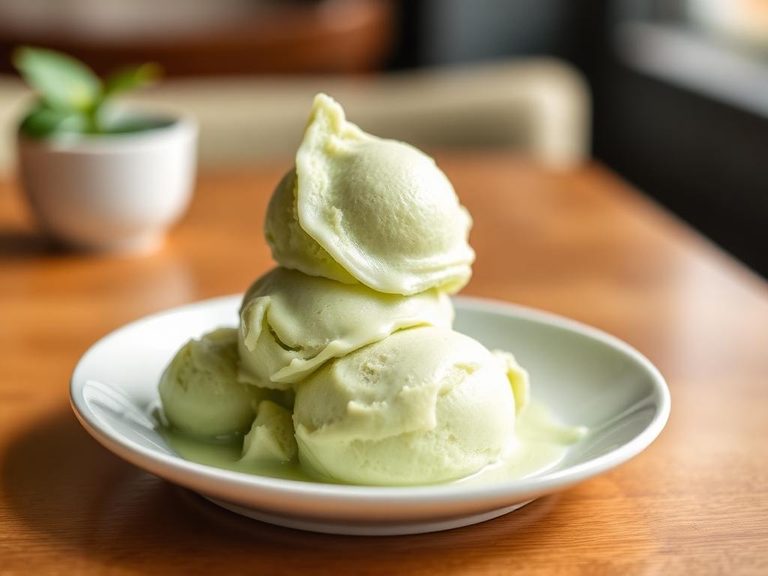
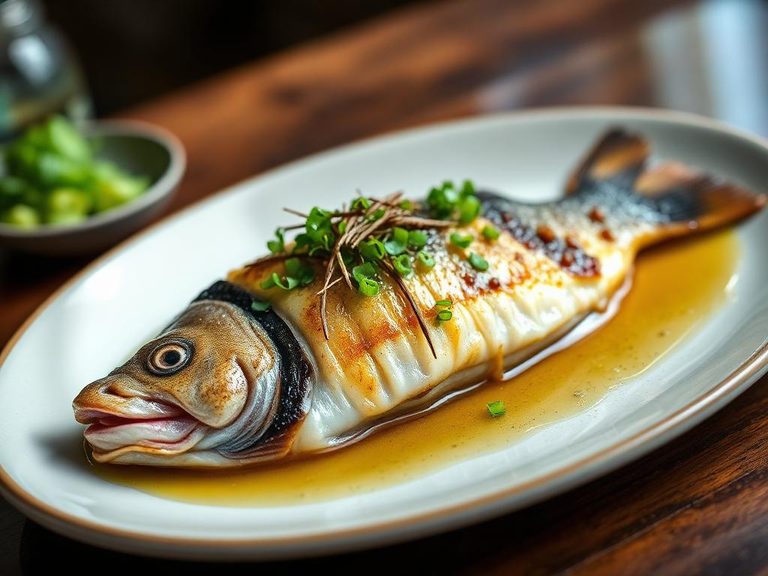
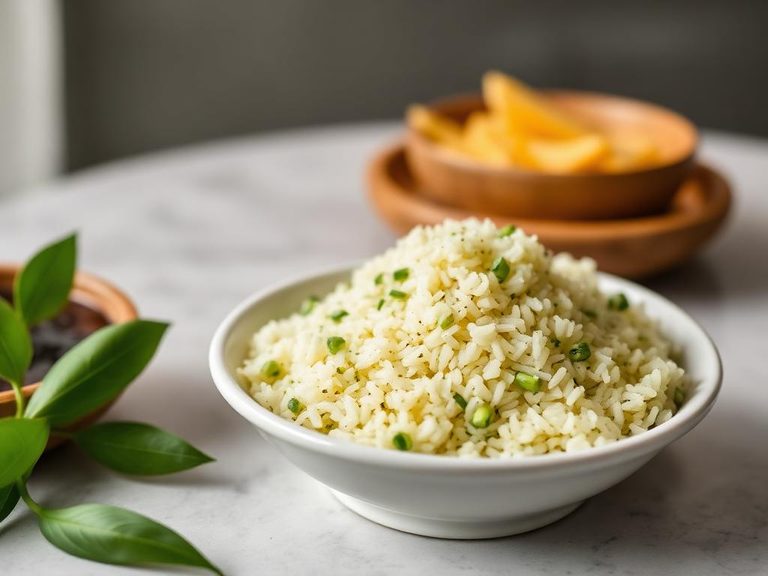
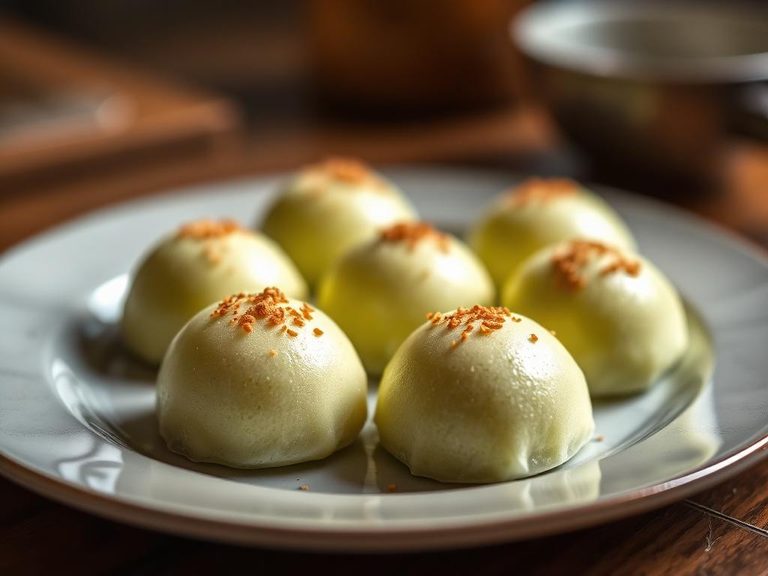
🌍 Where it's eaten
💡 Did you know?
The same plant, Camellia sinensis, produces green, black, white, and oolong teas; the difference lies entirely in how the leaves are processed after harvest.
Full nutrition (USDA data · scales with serving)
| Water | 99.9 g |
| Energy | 0.00 kcal |
| Energy | 0.00 kj |
| Protein | 0.00 g |
| Total lipid (fat) | 0.00 g |
| Ash | 0.12 g |
| Carbohydrate, by difference | 0.00 g |
| Fiber, total dietary | 0.00 g |
| Total Sugars | 0.00 g |
| Calcium, Ca | 1.0 mg |
| Iron, Fe | 0.00 mg |
| Magnesium, Mg | 0.00 mg |
| Phosphorus, P | 26.0 mg |
| Potassium, K | 19.0 mg |
| Sodium, Na | 7.0 mg |
| Zinc, Zn | 0.01 mg |
| Copper, Cu | 0.01 mg |
| Selenium, Se | 0.00 ug |
| Vitamin C, total ascorbic acid | 0.00 mg |
| Thiamin | 0.00 mg |
| Riboflavin | 0.00 mg |
| Niacin | 0.00 mg |
| Vitamin B-6 | 0.00 mg |
| Folate, total | 0.00 ug |
| Folic acid | 0.00 ug |
| Folate, food | 0.00 ug |
| Folate, DFE | 0.00 ug |
| Choline, total | 0.00 mg |
| Vitamin B-12 | 0.00 ug |
| Vitamin B-12, added | 0.00 ug |
| Vitamin A, RAE | 0.00 ug |
| Retinol | 0.00 ug |
| Carotene, beta | 0.00 ug |
| Carotene, alpha | 0.00 ug |
| Cryptoxanthin, beta | 0.00 ug |
| Vitamin A, IU | 0.00 iu |
| Lycopene | 0.00 ug |
| Lutein + zeaxanthin | 0.00 ug |
| Vitamin E (alpha-tocopherol) | 0.00 mg |
| Vitamin E, added | 0.00 mg |
| Vitamin D (D2 + D3), International Units | 0.00 iu |
| Vitamin D (D2 + D3) | 0.00 ug |
| Vitamin K (phylloquinone) | 0.00 ug |
| Alcohol, ethyl | 0.00 g |
| Caffeine | 12.0 mg |
| Theobromine | 0.00 mg |
Fat & fatty acid profile (per 100g)
| Fatty acids, total saturated | 0.00 g |
| SFA 4:0 | 0.00 g |
| SFA 6:0 | 0.00 g |
| SFA 8:0 | 0.00 g |
| SFA 10:0 | 0.00 g |
| SFA 12:0 | 0.00 g |
| SFA 14:0 | 0.00 g |
| SFA 16:0 | 0.00 g |
| SFA 18:0 | 0.00 g |
| Fatty acids, total monounsaturated | 0.00 g |
| MUFA 16:1 | 0.00 g |
| MUFA 18:1 | 0.00 g |
| MUFA 20:1 | 0.00 g |
| MUFA 22:1 | 0.00 g |
| Fatty acids, total polyunsaturated | 0.00 g |
| PUFA 18:2 | 0.00 g |
| PUFA 18:3 | 0.00 g |
| PUFA 18:4 | 0.00 g |
| PUFA 20:4 | 0.00 g |
| PUFA 20:5 n-3 (EPA) | 0.00 g |
| PUFA 22:5 n-3 (DPA) | 0.00 g |
| PUFA 22:6 n-3 (DHA) | 0.00 g |
| Cholesterol | 0.00 mg |
Amino acid profile (per 100g)
Estimated from Beverages, carbonated, tonic water — USDA does not publish this profile for Beverages.
| Tryptophan | 0.00 g |
| Threonine | 0.00 g |
| Isoleucine | 0.00 g |
| Leucine | 0.00 g |
| Lysine | 0.00 g |
| Methionine | 0.00 g |
| Cystine | 0.00 g |
| Phenylalanine | 0.00 g |
| Tyrosine | 0.00 g |
| Valine | 0.00 g |
| Arginine | 0.00 g |
| Histidine | 0.00 g |
| Alanine | 0.00 g |
| Aspartic acid | 0.00 g |
| Glutamic acid | 0.00 g |
| Glycine | 0.00 g |
| Proline | 0.00 g |
| Serine | 0.00 g |
FAQ
Is unsweetened green tea truly calorie-free?
Yes, plain brewed green tea contains negligible calories, typically less than 2 kcal per 100g, making it effectively zero-calorie.
How much caffeine is in a typical serving?
A standard 240ml (8 oz) cup of brewed green tea contains about 25-50 mg of caffeine, significantly less than coffee.
Does green tea contain sugar naturally?
No, unsweetened green tea contains no naturally occurring sugar; any sugar would be added during processing.
Dietary load (calculated from USDA values)
Potential renal acid load. Positive = acid-forming, negative = alkaline-forming.
Sodium-to-potassium ratio: 0.37 (lower is better — aim for ≤ 1)
Sodium:potassium per WHO potassium guidance. Computed from USDA nutrients.