

Beverages, ABBOTT, EAS soy protein powder
Whole food · Beverages

Photo: Wikipedia
This is a highly concentrated, unflavored soy protein powder designed for athletic performance and muscle recovery. It has a fine, slightly gritty texture that mixes into a thick, milky liquid with a neutral, beany taste. Its standout feature is an exceptionally high protein content relative to its carbohydrate and fat profile.
Calorie split: 48% protein · 44% carbs · 8% fat
↓ Full nutrition💚 Why it's loved
Fitness enthusiasts and athletes prize it for its pure, high-dose protein delivery without added sugars or fats, making it a versatile staple for post-workout recovery and protein fortification.
⚠️ Watch-outs & how to enjoy it better
The neutral, slightly earthy soy flavor isn't for everyone, and its high concentration can cause digestive discomfort (bloating, gas) in some individuals, especially those new to soy protein. To mitigate this, start with a half-serving, blend thoroughly with flavorful liquids like fruit juice or milk, and consume it with a meal containing fiber and fat.
Key benefits
- Excellent source of complete plant-based protein for muscle synthesis.
- Provides a quick, convenient calorie and protein boost.
- Low in fat, making it suitable for lean muscle-building diets.
- Contains soy isoflavones, which are studied for various health benefits.
- Can be easily incorporated into shakes, oatmeal, or baking.
🍽️ Popular dishes
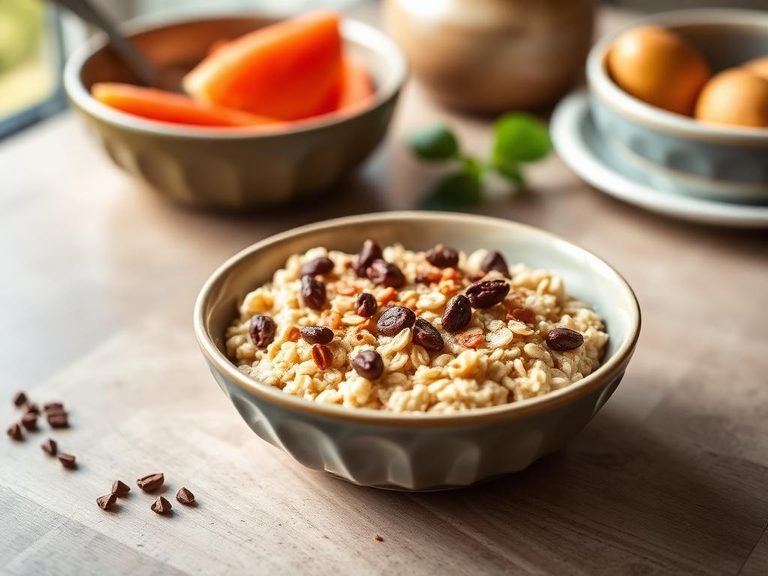
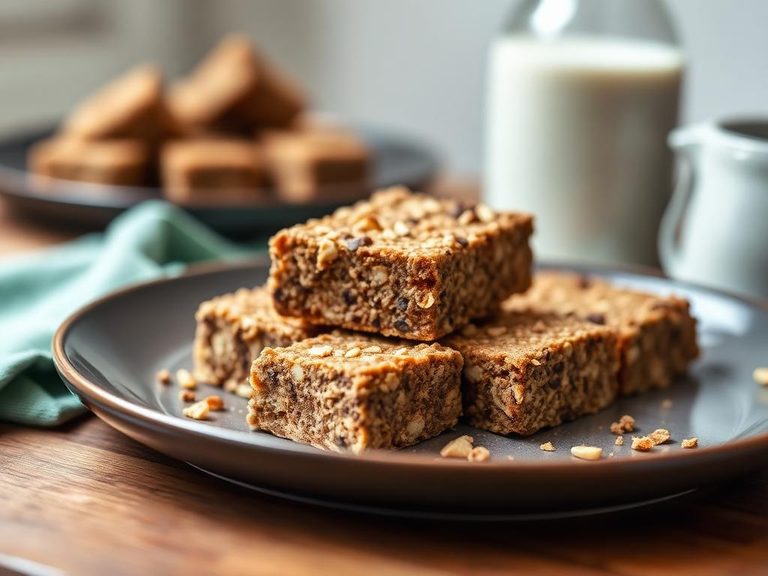
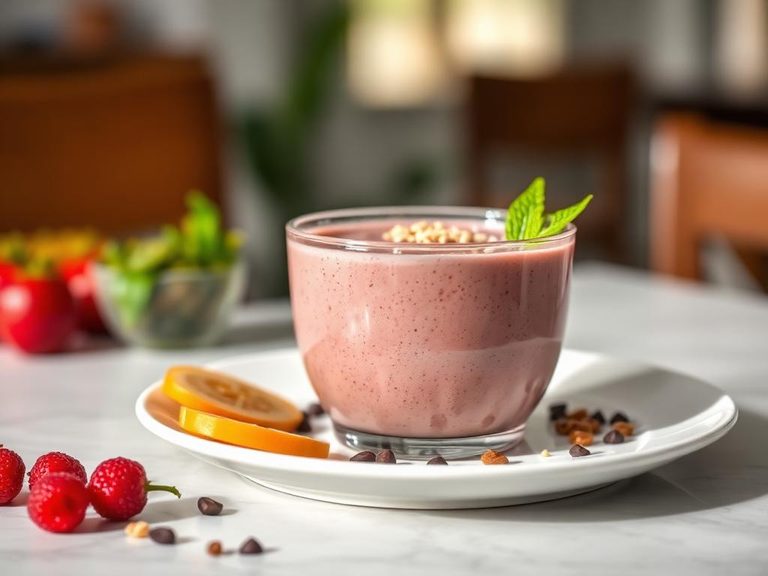
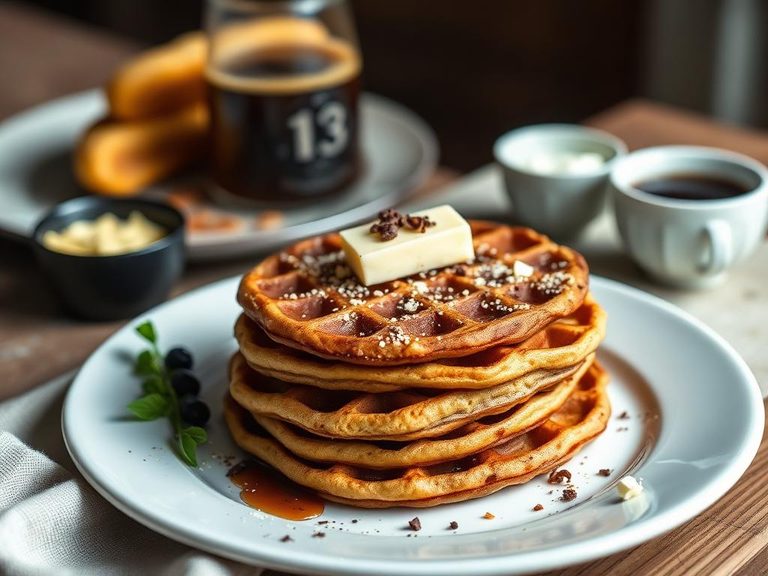
🌍 Where it's eaten
💡 Did you know?
This specific product from Abbott's EAS line was a pioneer in the 1990s sports nutrition boom, often marketed with endorsements from elite bodybuilders and athletes.
Full nutrition (USDA data · scales with serving)
| Water | 2.8 g |
| Energy | 405 kcal |
| Energy | 1694 kj |
| Protein | 47.6 g |
| Total lipid (fat) | 3.6 g |
| Ash | 2.0 g |
| Carbohydrate, by difference | 43.9 g |
| Fiber, total dietary | 0.00 g |
| Total Sugars | 40.5 g |
| Calcium, Ca | 95.0 mg |
| Iron, Fe | 6.4 mg |
| Magnesium, Mg | 22.0 mg |
| Phosphorus, P | 441 mg |
| Potassium, K | 714 mg |
| Sodium, Na | 452 mg |
| Zinc, Zn | 2.3 mg |
| Copper, Cu | 1.0 mg |
| Manganese, Mn | 0.85 mg |
| Selenium, Se | 0.70 ug |
| Vitamin C, total ascorbic acid | 0.00 mg |
| Thiamin | 0.10 mg |
| Riboflavin | 0.06 mg |
| Niacin | 0.82 mg |
| Pantothenic acid | 0.03 mg |
| Vitamin B-6 | 0.06 mg |
| Folate, total | 100 ug |
| Folic acid | 0.00 ug |
| Folate, food | 100 ug |
| Folate, DFE | 100 ug |
| Choline, total | 114 mg |
| Vitamin B-12 | 0.00 ug |
| Vitamin B-12, added | 0.00 ug |
| Vitamin A, RAE | 0.00 ug |
| Retinol | 0.00 ug |
| Carotene, beta | 0.00 ug |
| Carotene, alpha | 0.00 ug |
| Cryptoxanthin, beta | 0.00 ug |
| Vitamin A, IU | 0.00 iu |
| Lycopene | 0.00 ug |
| Lutein + zeaxanthin | 0.00 ug |
| Vitamin E (alpha-tocopherol) | 0.12 mg |
| Vitamin E, added | 0.00 mg |
| Vitamin D (D2 + D3), International Units | 0.00 iu |
| Vitamin D (D2 + D3) | 0.00 ug |
| Vitamin K (phylloquinone) | 2.7 ug |
| Alcohol, ethyl | 0.00 g |
| Caffeine | 0.00 mg |
| Theobromine | 0.00 mg |
Fat & fatty acid profile (per 100g)
| Fatty acids, total saturated | 0.00 g |
| SFA 4:0 | 0.00 g |
| SFA 6:0 | 0.00 g |
| SFA 8:0 | 0.00 g |
| SFA 10:0 | 0.00 g |
| SFA 12:0 | 0.00 g |
| SFA 14:0 | 0.00 g |
| SFA 16:0 | 0.00 g |
| SFA 18:0 | 0.00 g |
| Fatty acids, total monounsaturated | 0.64 g |
| MUFA 16:1 | 0.01 g |
| MUFA 18:1 | 0.63 g |
| MUFA 20:1 | 0.00 g |
| MUFA 22:1 | 0.00 g |
| Fatty acids, total polyunsaturated | 2.0 g |
| PUFA 18:2 | 1.7 g |
| PUFA 18:3 | 0.23 g |
| PUFA 18:4 | 0.00 g |
| PUFA 20:4 | 0.00 g |
| PUFA 20:5 n-3 (EPA) | 0.00 g |
| PUFA 22:5 n-3 (DPA) | 0.00 g |
| PUFA 22:6 n-3 (DHA) | 0.00 g |
| Fatty acids, total trans | 0.00 g |
| Cholesterol | 0.00 mg |
Amino acid profile (per 100g)
Estimated from Beverages, carbonated, tonic water — USDA does not publish this profile for Beverages.
| Tryptophan | 0.00 g |
| Threonine | 0.00 g |
| Isoleucine | 0.00 g |
| Leucine | 0.00 g |
| Lysine | 0.00 g |
| Methionine | 0.00 g |
| Cystine | 0.00 g |
| Phenylalanine | 0.00 g |
| Tyrosine | 0.00 g |
| Valine | 0.00 g |
| Arginine | 0.00 g |
| Histidine | 0.00 g |
| Alanine | 0.00 g |
| Aspartic acid | 0.00 g |
| Glutamic acid | 0.00 g |
| Glycine | 0.00 g |
| Proline | 0.00 g |
| Serine | 0.00 g |
FAQ
Is this the same as regular soy flour or tofu?
No. This is a highly processed protein isolate or concentrate, designed to maximize protein content (often >90%) while minimizing carbs and fats. Soy flour and tofu are whole-food products with different nutritional profiles and uses.
Why is there no fiber listed?
The processing to create a pure protein powder typically removes the fibrous components of the soybean, resulting in a product that is almost pure protein and carbohydrate with negligible fiber.
Can I use this for baking?
Yes, but it will alter the texture, making baked goods denser and more protein-rich. It works best in recipes like protein muffins, pancakes, or bars where a slight grittiness is acceptable.
Nutrient density (calculated · NRF9.3)
Nutrient Rich Foods index: beneficial nutrients (protein, fiber, vitamins, minerals) minus saturated fat, added sugar & sodium, per 100 kcal.
NRF9.3 index — Fulgoni, Keast & Drewnowski, 2009. Computed from USDA nutrients.
Weight-loss friendliness (composite index)
Energy density 4.05 kcal/g · 47% calories from protein · 0.0 g fiber · 40.5 g sugar per 100 g.
Composite of energy density (Rolls et al., 1999), protein & fiber satiety, minus sugar. A calculated heuristic — ranks satiety-per-calorie, not a clinical measure.
Dietary load (calculated from USDA values)
Potential renal acid load. Positive = acid-forming, negative = alkaline-forming.
Sodium-to-potassium ratio: 0.63 (lower is better — aim for ≤ 1)
Sodium:potassium per WHO potassium guidance. Computed from USDA nutrients.