

Beet greens, cooked
Common food

Photo: Wikipedia
Beet greens are the vibrant, leafy tops of the beetroot plant, often discarded but a culinary gem. When cooked, they develop a tender, slightly chewy texture and a flavor that's earthy like spinach but with a distinct, mild sweetness. Nutritionally, they are a powerhouse, offering an excellent source of vitamins A and K, along with a good dose of magnesium and iron for a mere 48 calories per 100g.
Calorie split: 17% protein · 34% carbs · 49% fat
↓ Full nutrition💚 Why it's loved
People love beet greens for their robust, versatile flavor that pairs beautifully with garlic, olive oil, and lemon. They are a beloved 'bonus vegetable' in many cultures, representing a thrifty and delicious way to use the entire plant.
⚠️ Watch-outs & how to enjoy it better
Their earthy taste can be strong for some palates, and like other leafy greens, they are high in oxalates which can contribute to kidney stones in susceptible individuals. To mitigate this, cook them thoroughly (boiling and draining can reduce oxalates) and pair with a calcium source like cheese or yogurt, which can bind oxalates in the gut.
Key benefits
- Exceptionally high in vitamin K for bone health.
- Rich in vitamin A (as beta-carotene) for vision and immunity.
- Good source of magnesium for muscle and nerve function.
- Provides plant-based iron and calcium.
- High in fiber for digestive health.
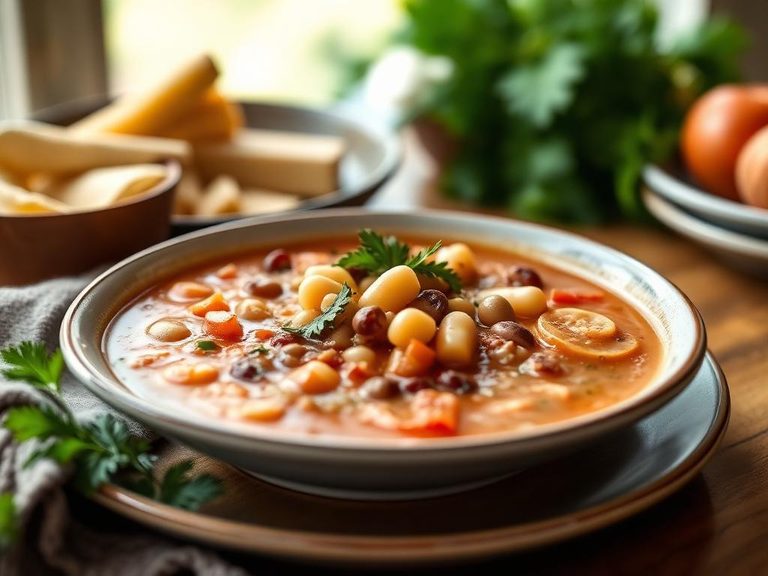
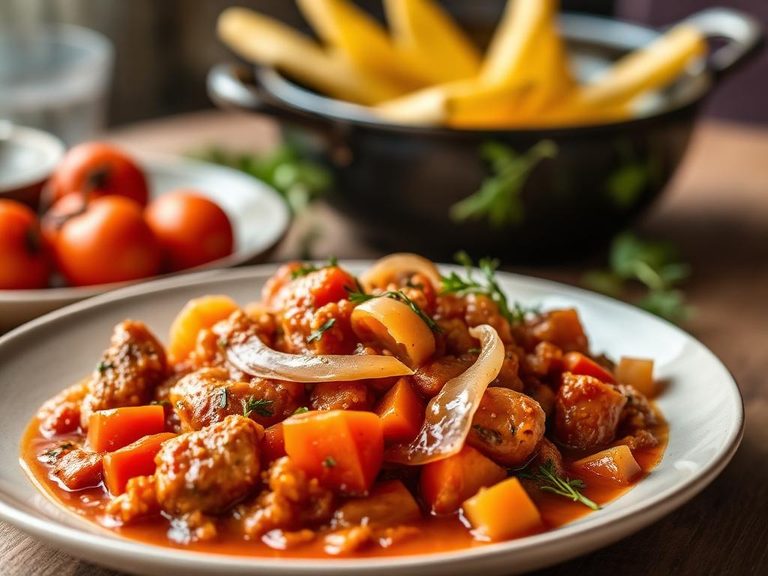
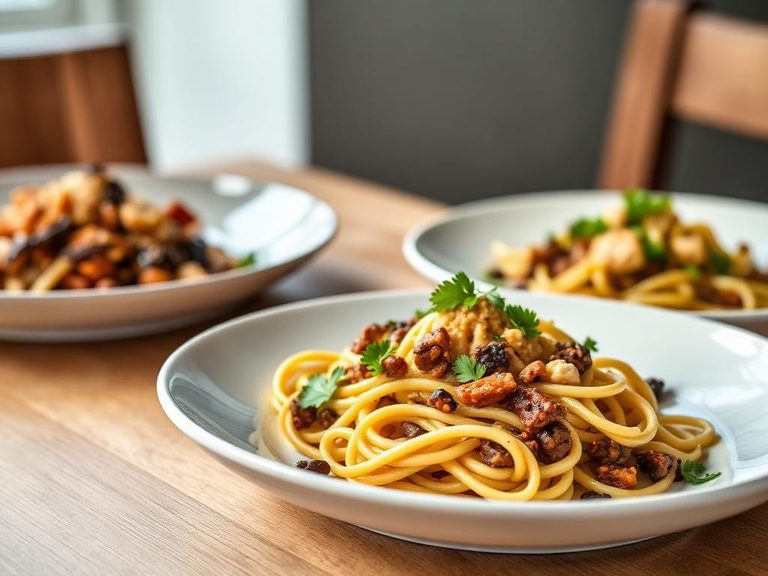
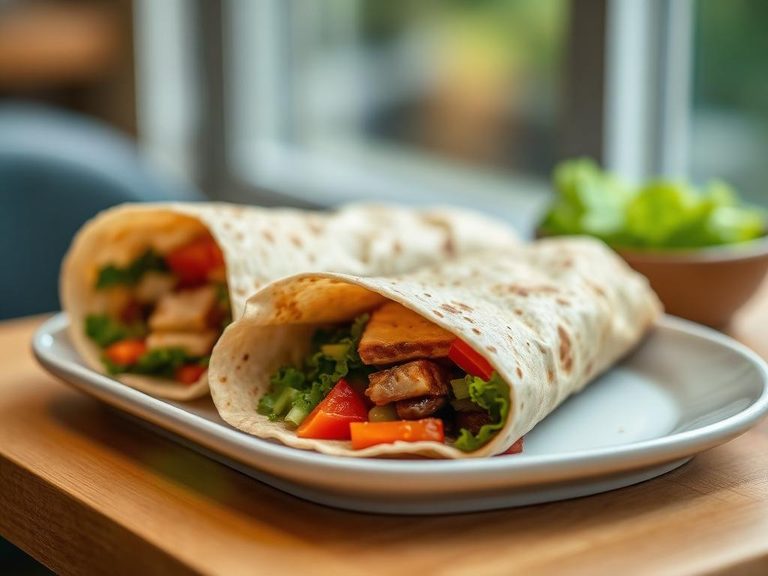
🍽️ Popular dishes

🌍 Where it's eaten
💡 Did you know?
The bright red stems of beet greens contain betalains, the same pigment compounds that give beetroot its famous color, though in much smaller concentrations.
Full nutrition (USDA data · scales with serving)
| Water | 87.6 g |
| Energy | 48.0 kcal |
| Protein | 2.3 g |
| Total lipid (fat) | 2.9 g |
| Carbohydrate, by difference | 4.5 g |
| Fiber, total dietary | 3.9 g |
| Total Sugars | 0.53 g |
| Calcium, Ca | 122 mg |
| Iron, Fe | 2.7 mg |
| Magnesium, Mg | 73.0 mg |
| Phosphorus, P | 43.0 mg |
| Potassium, K | 794 mg |
| Sodium, Na | 365 mg |
| Zinc, Zn | 0.40 mg |
| Copper, Cu | 0.20 mg |
| Selenium, Se | 0.90 ug |
| Vitamin C, total ascorbic acid | 21.9 mg |
| Thiamin | 0.09 mg |
| Riboflavin | 0.22 mg |
| Niacin | 0.40 mg |
| Vitamin B-6 | 0.12 mg |
| Folate, total | 12.0 ug |
| Folic acid | 0.00 ug |
| Folate, food | 12.0 ug |
| Folate, DFE | 12.0 ug |
| Choline, total | 0.70 mg |
| Vitamin B-12 | 0.00 ug |
| Vitamin B-12, added | 0.00 ug |
| Vitamin A, RAE | 325 ug |
| Retinol | 12.0 ug |
| Carotene, beta | 3757 ug |
| Carotene, alpha | 3.0 ug |
| Cryptoxanthin, beta | 0.00 ug |
| Lycopene | 0.00 ug |
| Lutein + zeaxanthin | 1486 ug |
| Vitamin E (alpha-tocopherol) | 2.0 mg |
| Vitamin E, added | 0.00 mg |
| Vitamin D (D2 + D3) | 0.00 ug |
| Vitamin K (phylloquinone) | 419 ug |
| Alcohol, ethyl | 0.00 g |
| Caffeine | 0.00 mg |
| Theobromine | 0.00 mg |
Fat & fatty acid profile (per 100g)
| Fatty acids, total saturated | 0.74 g |
| SFA 4:0 | 0.02 g |
| SFA 6:0 | 0.01 g |
| SFA 8:0 | 0.01 g |
| SFA 10:0 | 0.02 g |
| SFA 12:0 | 0.02 g |
| SFA 14:0 | 0.07 g |
| SFA 16:0 | 0.41 g |
| SFA 18:0 | 0.15 g |
| Fatty acids, total monounsaturated | 1.00 g |
| MUFA 16:1 | 0.01 g |
| MUFA 18:1 | 0.96 g |
| MUFA 20:1 | 0.01 g |
| MUFA 22:1 | 0.00 g |
| Fatty acids, total polyunsaturated | 0.83 g |
| PUFA 18:2 | 0.74 g |
| PUFA 18:3 | 0.09 g |
| PUFA 18:4 | 0.00 g |
| PUFA 20:4 | 0.00 g |
| PUFA 20:5 n-3 (EPA) | 0.00 g |
| PUFA 22:5 n-3 (DPA) | 0.00 g |
| PUFA 22:6 n-3 (DHA) | 0.00 g |
| Cholesterol | 2.0 mg |
Amino acid profile (per 100g)
Estimated from Beet greens, cooked, boiled, drained, with salt — USDA does not publish this profile for Beet greens.
| Tryptophan | 0.04 g |
| Threonine | 0.08 g |
| Isoleucine | 0.05 g |
| Leucine | 0.12 g |
| Lysine | 0.07 g |
| Methionine | 0.02 g |
| Cystine | 0.02 g |
| Phenylalanine | 0.07 g |
| Tyrosine | 0.06 g |
| Valine | 0.08 g |
| Arginine | 0.07 g |
| Histidine | 0.04 g |
| Alanine | 0.10 g |
| Aspartic acid | 0.15 g |
| Glutamic acid | 0.31 g |
| Glycine | 0.09 g |
| Proline | 0.06 g |
| Serine | 0.08 g |
FAQ
Are beet greens the same as Swiss chard?
They are very closely related—both are cultivars of the species Beta vulgaris—and are cooked and eaten in nearly identical ways. Swiss chard (especially rainbow chard) often has more colorful stems, while beet greens are typically attached to a beetroot bulb.
Can you eat beet greens raw?
Yes, but they are tougher and more fibrous than spinach. They are best massaged with a dressing for salads or blended into smoothies. Cooking softens them and makes nutrients more accessible.
How do I store beet greens?
Separate the greens from the beetroot. Wrap the unwashed greens in a paper towel, place in a plastic bag, and store in the crisper drawer of your refrigerator. Use within 3-5 days for best quality.
Nutrient density (calculated · NRF9.3)
Nutrient Rich Foods index: beneficial nutrients (protein, fiber, vitamins, minerals) minus saturated fat, added sugar & sodium, per 100 kcal.
NRF9.3 index — Fulgoni, Keast & Drewnowski, 2009. Computed from USDA nutrients.
Weight-loss friendliness (composite index)
Energy density 0.48 kcal/g · 19% calories from protein · 3.9 g fiber · 0.5 g sugar per 100 g.
Composite of energy density (Rolls et al., 1999), protein & fiber satiety, minus sugar. A calculated heuristic — ranks satiety-per-calorie, not a clinical measure.
Dietary load (calculated from USDA values)
Potential renal acid load. Positive = acid-forming, negative = alkaline-forming.
Sodium-to-potassium ratio: 0.46 (lower is better — aim for ≤ 1)
Sodium:potassium per WHO potassium guidance. Computed from USDA nutrients.