

Beet greens, cooked, boiled, drained, with salt
Whole food · Vegetables and Vegetable Products

Photo: Wikipedia
Beet greens are the vibrant, leafy tops of the beetroot plant, often discarded but prized for their tender texture and earthy, spinach-like flavor with a subtle, sweet finish. When boiled and drained, they become a silky, mild green that absorbs seasonings beautifully. Nutritionally, they are a standout source of vitamin K and a good source of vitamins A and C, all for a very low calorie count.
Calorie split: 30% protein · 64% carbs · 5% fat
↓ Full nutrition💚 Why it's loved
People love beet greens for their versatility—they can be sautéed with garlic, added to soups, or used as a nutrient-packed substitute for spinach in almost any dish. Their mild, earthy flavor is a culinary bridge between the sweetness of beets and the heartiness of kale.
⚠️ Watch-outs & how to enjoy it better
Like spinach, beet greens contain oxalates, which can contribute to kidney stones in susceptible individuals and may slightly inhibit mineral absorption. To reduce oxalate content, boil them in a large pot of water and drain thoroughly, or pair them with calcium-rich foods like cheese or yogurt. They are also often cooked with added salt, so those monitoring sodium should rinse after boiling or cook without salt.
Key benefits
- Excellent source of vitamin K for bone health.
- Provides a good amount of vitamins A and C.
- High in fiber for digestive health.
- Very low in calories and fat.
- Contains minerals like potassium and magnesium.
🍽️ Popular dishes
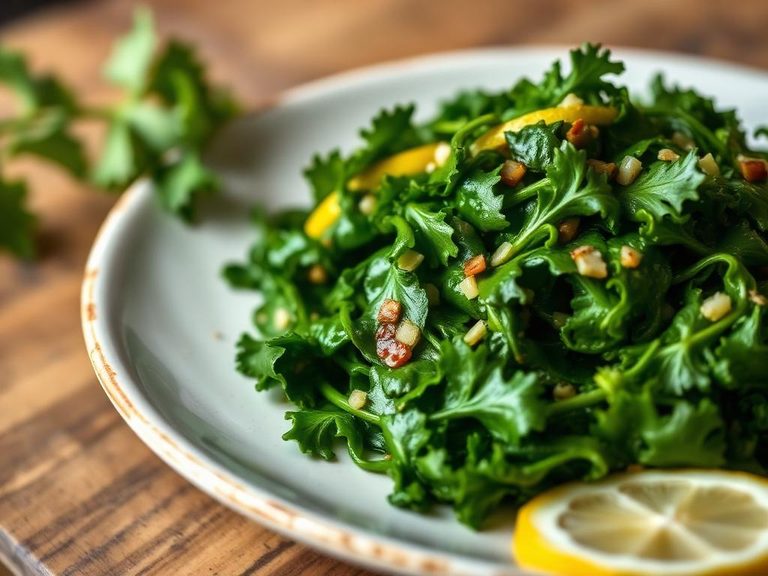
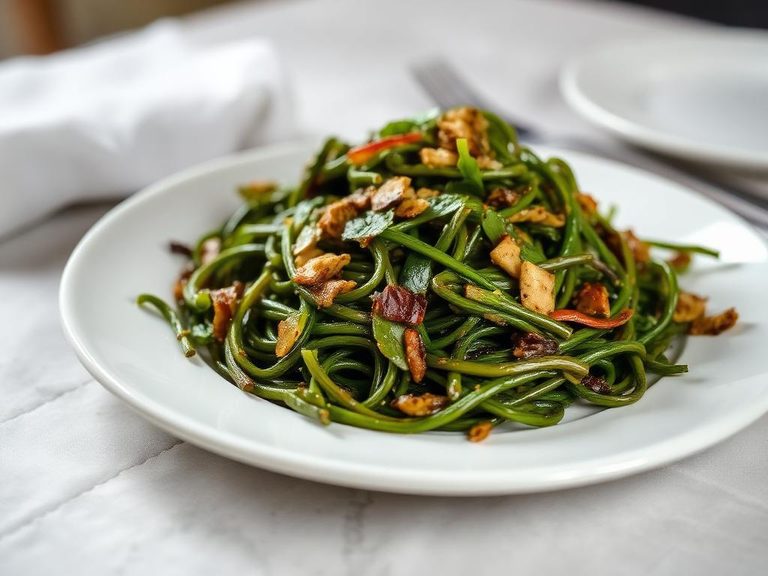
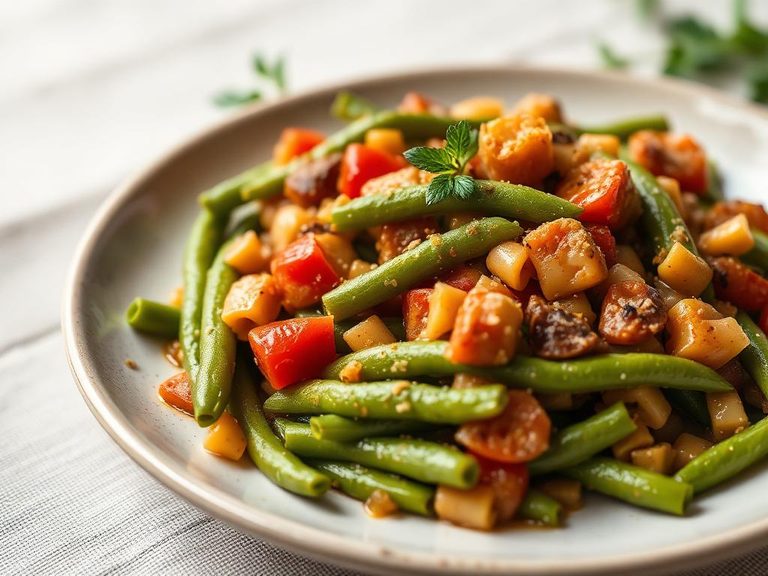
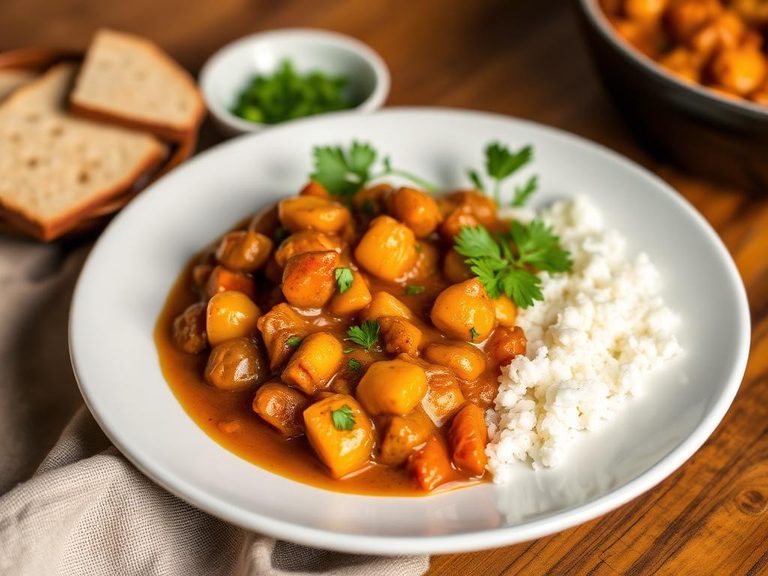
🌍 Where it's eaten
💡 Did you know?
The colorful veins in beet greens—often red or yellow—are caused by the same betalain pigments that give beetroot its deep crimson color.
Full nutrition (USDA data · scales with serving)
| Water | 89.1 g |
| Energy | 27.0 kcal |
| Energy | 113 kj |
| Protein | 2.6 g |
| Total lipid (fat) | 0.20 g |
| Ash | 2.6 g |
| Carbohydrate, by difference | 5.5 g |
| Fiber, total dietary | 2.9 g |
| Total Sugars | 0.60 g |
| Calcium, Ca | 114 mg |
| Iron, Fe | 1.9 mg |
| Magnesium, Mg | 68.0 mg |
| Phosphorus, P | 41.0 mg |
| Potassium, K | 909 mg |
| Sodium, Na | 477 mg |
| Zinc, Zn | 0.50 mg |
| Copper, Cu | 0.25 mg |
| Manganese, Mn | 0.51 mg |
| Selenium, Se | 0.90 ug |
| Vitamin C, total ascorbic acid | 24.9 mg |
| Thiamin | 0.12 mg |
| Riboflavin | 0.29 mg |
| Niacin | 0.50 mg |
| Pantothenic acid | 0.33 mg |
| Vitamin B-6 | 0.13 mg |
| Folate, total | 14.0 ug |
| Folic acid | 0.00 ug |
| Folate, food | 14.0 ug |
| Folate, DFE | 14.0 ug |
| Choline, total | 42.5 mg |
| Betaine | 0.20 mg |
| Vitamin B-12 | 0.00 ug |
| Vitamin A, RAE | 383 ug |
| Retinol | 0.00 ug |
| Carotene, beta | 4590 ug |
| Carotene, alpha | 4.0 ug |
| Cryptoxanthin, beta | 0.00 ug |
| Vitamin A, IU | 7654 iu |
| Lycopene | 0.00 ug |
| Lutein + zeaxanthin | 1819 ug |
| Vitamin E (alpha-tocopherol) | 1.8 mg |
| Vitamin D (D2 + D3), International Units | 0.00 iu |
| Vitamin D (D2 + D3) | 0.00 ug |
| Vitamin K (phylloquinone) | 484 ug |
Fat & fatty acid profile (per 100g)
| Fatty acids, total saturated | 0.03 g |
| SFA 16:0 | 0.03 g |
| SFA 18:0 | 0.00 g |
| Fatty acids, total monounsaturated | 0.04 g |
| MUFA 18:1 | 0.04 g |
| Fatty acids, total polyunsaturated | 0.07 g |
| PUFA 18:2 | 0.07 g |
| PUFA 18:3 | 0.01 g |
| Fatty acids, total trans | 0.00 g |
| Cholesterol | 0.00 mg |
Amino acid profile (per 100g)
| Tryptophan | 0.04 g |
| Threonine | 0.08 g |
| Isoleucine | 0.05 g |
| Leucine | 0.12 g |
| Lysine | 0.07 g |
| Methionine | 0.02 g |
| Cystine | 0.02 g |
| Phenylalanine | 0.07 g |
| Tyrosine | 0.06 g |
| Valine | 0.08 g |
| Arginine | 0.07 g |
| Histidine | 0.04 g |
| Alanine | 0.10 g |
| Aspartic acid | 0.15 g |
| Glutamic acid | 0.31 g |
| Glycine | 0.09 g |
| Proline | 0.06 g |
| Serine | 0.08 g |
FAQ
Are beet greens the same as Swiss chard?
They are very closely related—both are cultivars of the same species (Beta vulgaris). Beet greens are the leaves of the beetroot plant, while Swiss chard is a cultivar grown for its leaves and stalks. They have a similar taste and nutritional profile.
Why are my boiled beet greens bitter?
Bitterness can develop if they are overcooked or if the greens are very mature. To minimize bitterness, cook them quickly until just tender, and ensure you drain them well to remove the cooking water, which can carry bitter compounds.
Can I eat beet greens raw?
Yes, young, tender beet greens can be used raw in salads. They have a mild, earthy flavor. However, they are tougher than spinach, so they benefit from being finely sliced or massaged with dressing to soften them.
Nutrient density (calculated · NRF9.3)
Nutrient Rich Foods index: beneficial nutrients (protein, fiber, vitamins, minerals) minus saturated fat, added sugar & sodium, per 100 kcal.
NRF9.3 index — Fulgoni, Keast & Drewnowski, 2009. Computed from USDA nutrients.
Weight-loss friendliness (composite index)
Energy density 0.27 kcal/g · 38% calories from protein · 2.9 g fiber · 0.6 g sugar per 100 g.
Composite of energy density (Rolls et al., 1999), protein & fiber satiety, minus sugar. A calculated heuristic — ranks satiety-per-calorie, not a clinical measure.
Dietary load (calculated from USDA values)
Potential renal acid load. Positive = acid-forming, negative = alkaline-forming.
Sodium-to-potassium ratio: 0.52 (lower is better — aim for ≤ 1)
Sodium:potassium per WHO potassium guidance. Computed from USDA nutrients.