Added to minestrone or bean soups
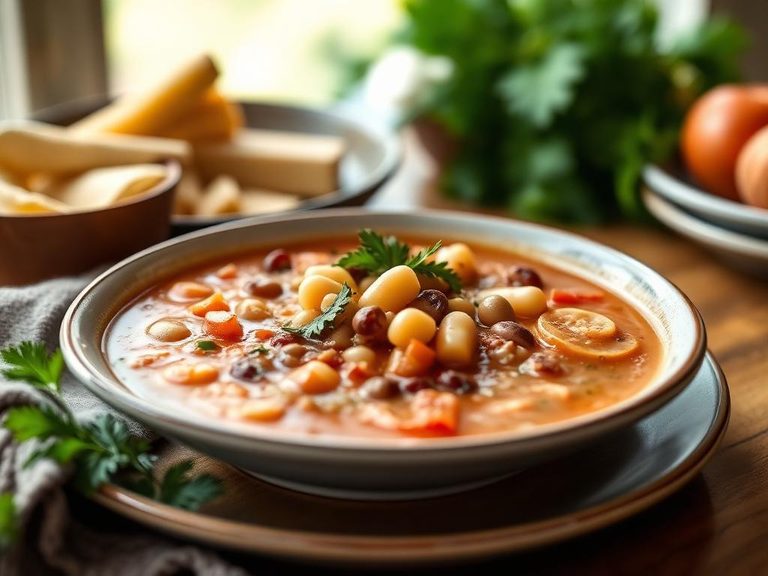
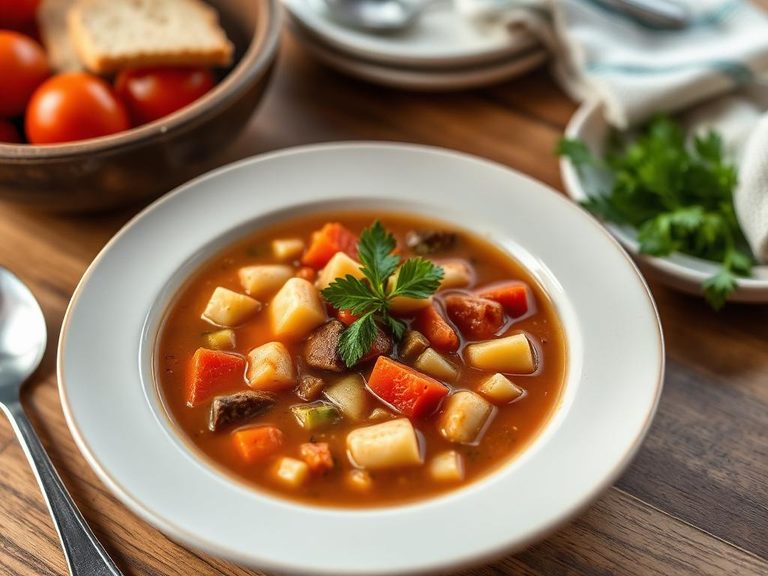
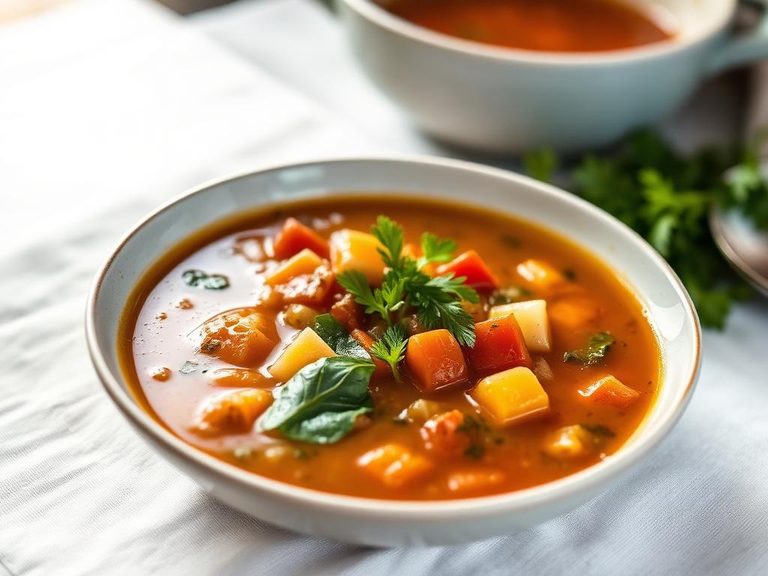
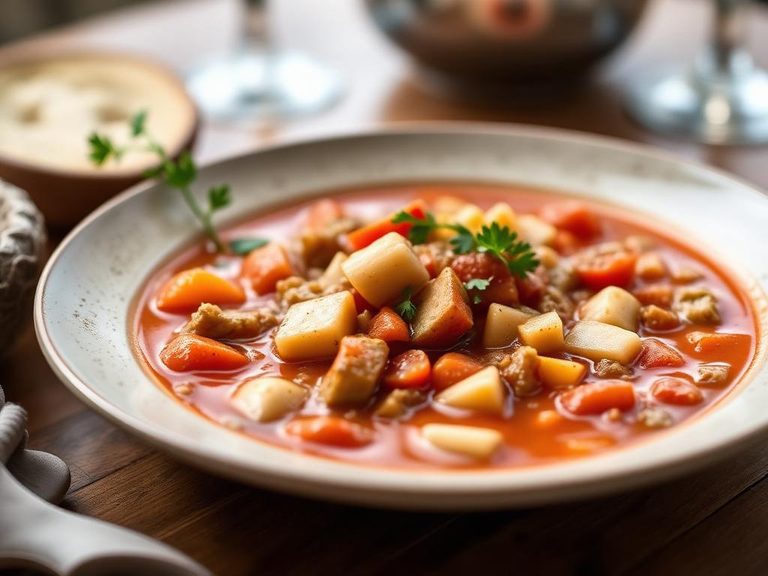
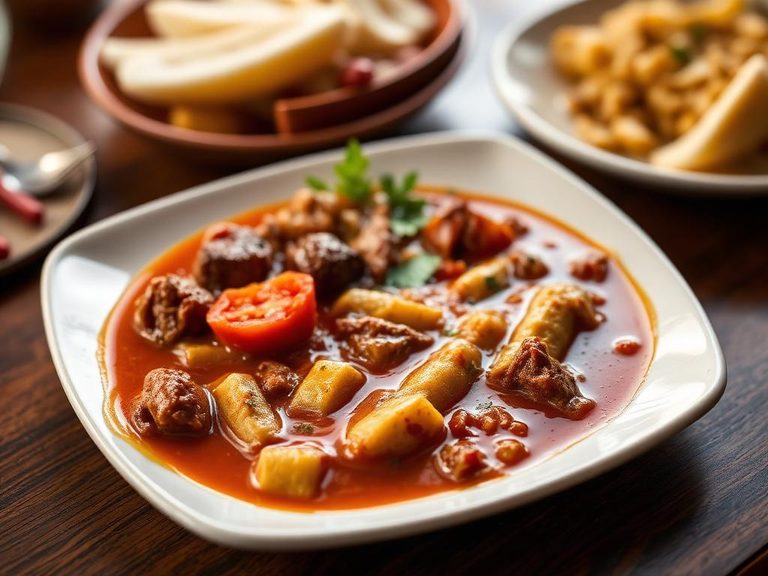
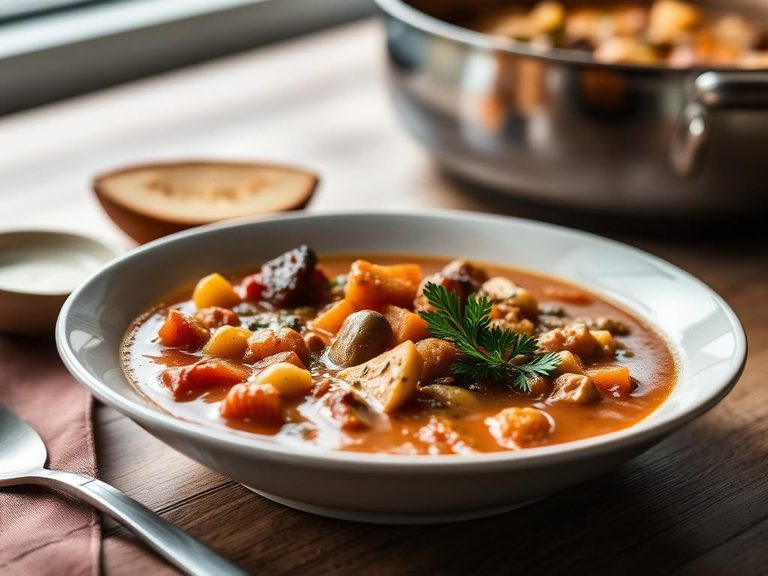
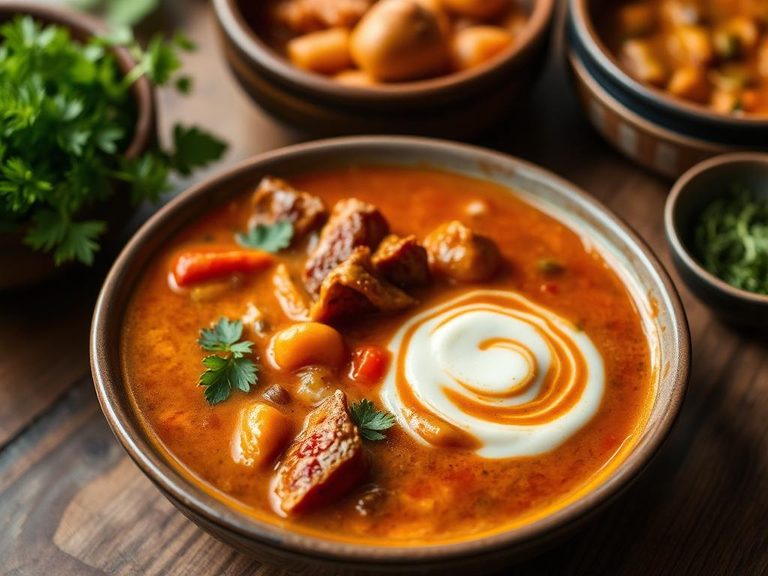
This is not a standalone dish, but a common culinary instruction for adding specific ingredients to minestrone or bean soups to enhance their flavor, texture, and nutritional profile. Typical additions include small pasta shapes (like ditalini), grains (like barley), or specific vegetables (like kale or zucchini). The practice is rooted in Italian and broader Mediterranean home cooking, where soups are often hearty, adaptable one-pot meals.
🍽️ Nutrition at a glance
The nutritional impact depends entirely on the added ingredient, but these additions generally increase the carbohydrate and fiber content of the soup, contributing to a feeling of fullness. A typical serving of the enhanced soup might range from 150-250 calories, with the added component contributing a portion of that energy.
Nutrition breakdown
| Calories | 180 kcal |
| Protein | 7 g |
| Carbs | 30 g |
| Fat | 3 g |
| Fiber | 6 g |
| Sugar | 4 g |
| Sodium | 480 mg |
| Potassium | 350 mg |
| Vitamin A | 80 mcg RAE |
| Vitamin C | 15 mg |
| Iron | 2.5 mg |
| Calcium | 60 mg |
| Magnesium | 30 mg |
| Phosphorus | 95 mg |
| Folate | 45 mcg DFE |
Per 1 cup (240 g) of minestrone soup with added small pasta · estimated, varies by recipe
💡 What's interesting
This practice embodies the 'cucina povera' (peasant cooking) philosophy of Italian cuisine, where simple, inexpensive ingredients are used to stretch meals and create complex, satisfying flavors. Nutritionally, it's a smart way to boost the fiber, vitamin, and mineral content of a soup base.