

Beef, round, top round, separable lean only, trimmed to 0" fat, choice, cooked, braised
Whole food · Beef Products

Photo: Wikipedia
Braised top round is a lean, deeply savory cut of beef that transforms from a tough muscle into tender, fork-shreddable meat through slow, moist cooking. Its flavor is robust and beefy, with a dense, satisfying texture that carries rich sauces beautifully. Nutritionally, it's a powerhouse of protein (over 36g per 100g) with minimal fat and zero carbohydrates.
Calorie split: 73% protein · 0% carbs · 27% fat
↓ Full nutrition💚 Why it's loved
People love it for its ability to become incredibly tender and flavorful when braised, making it ideal for comforting, hearty meals. Its versatility allows it to absorb the flavors of herbs, wine, and aromatics, creating rich, complex dishes.
⚠️ Watch-outs & how to enjoy it better
The lean nature can make it dry or tough if not braised properly, and it may lack the marbling some prefer for juiciness. To counteract dryness, ensure it's cooked low and slow in sufficient liquid, and consider adding a small amount of fat (like a splash of oil or bacon) during cooking.
Key benefits
- Exceptionally high in complete protein for muscle repair and satiety.
- Very low in fat, making it a lean choice for calorie-conscious diets.
- Rich in iron and B-vitamins, especially B12, crucial for energy and nerve function.
- The slow braising process breaks down tough collagen into gelatin, aiding digestion and adding body to sauces.
- A versatile base for numerous global cuisines and slow-cooked dishes.
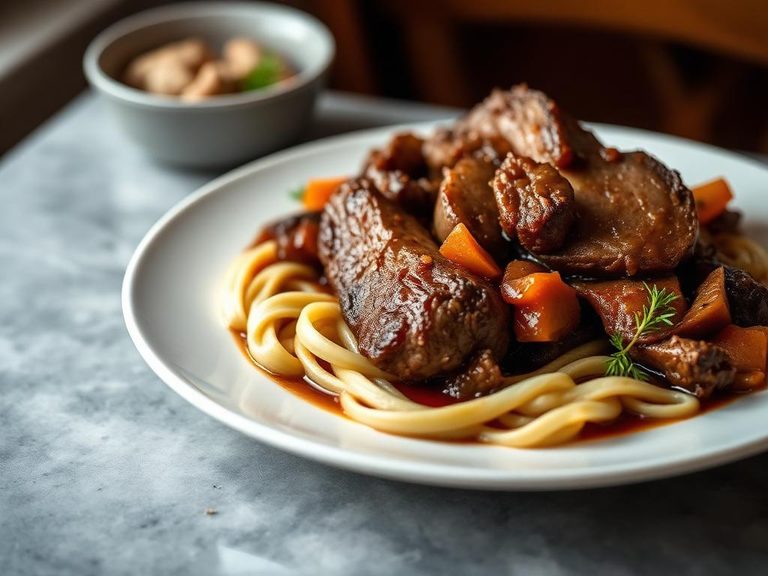
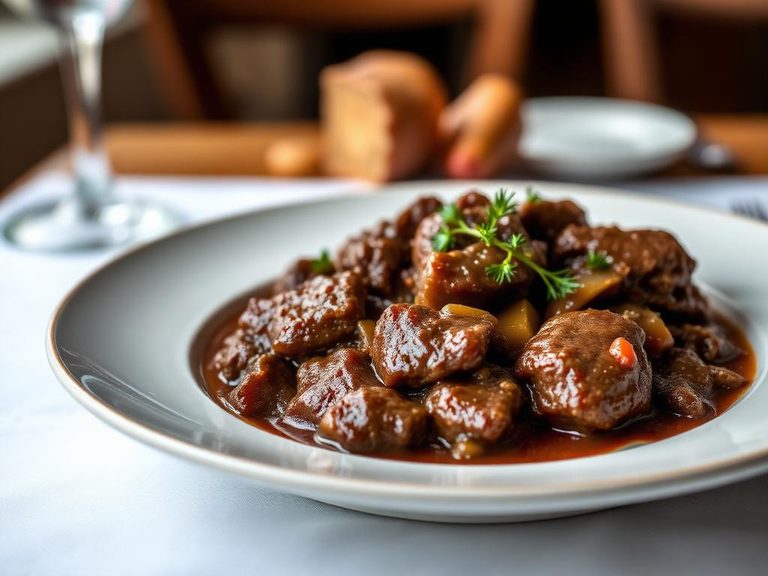
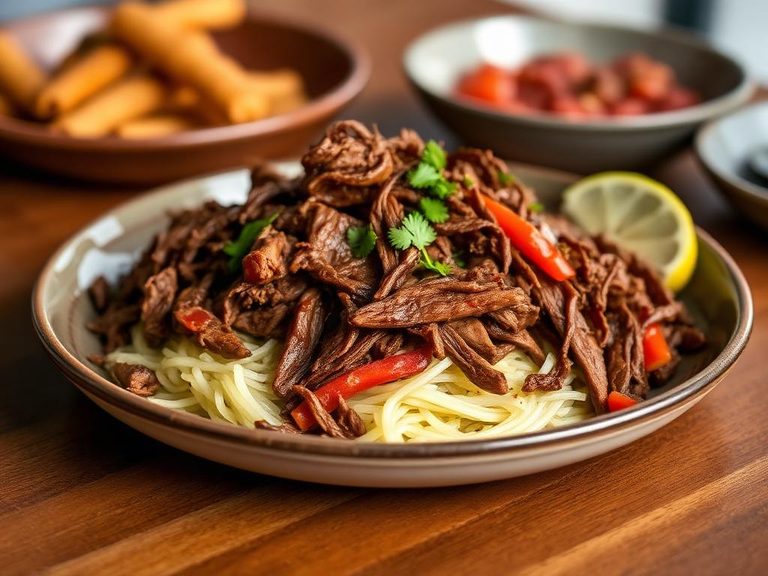
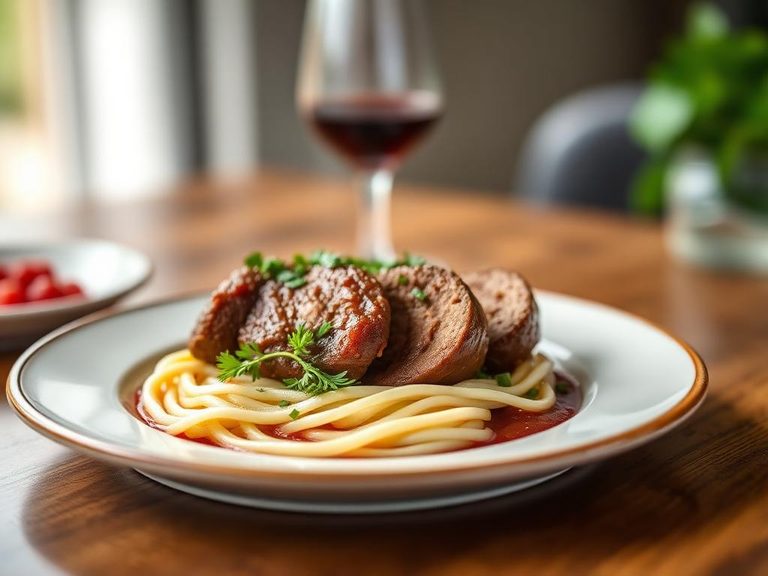
🍽️ Popular dishes
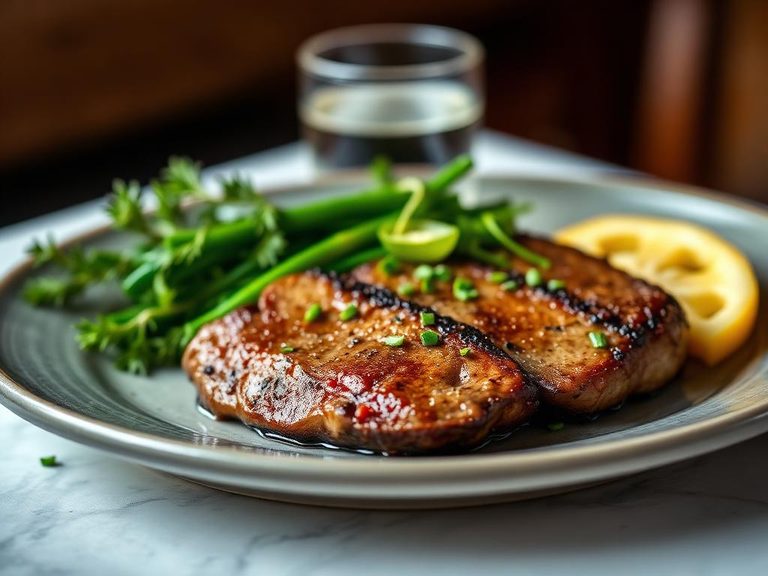
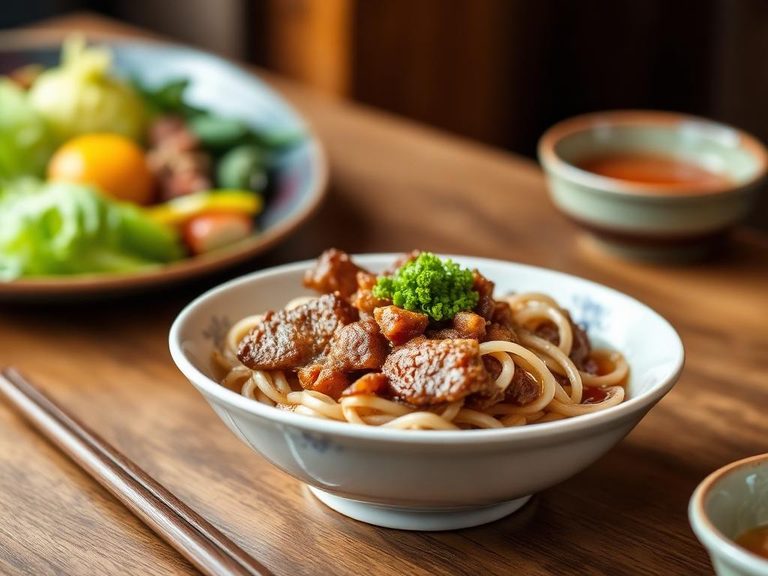
🌍 Where it's eaten
💡 Did you know?
The 'top round' comes from the rear leg of the cow, a muscle that gets a lot of exercise, which is why it's tough but also why it's so lean and packed with flavor when cooked correctly.
Full nutrition (USDA data · scales with serving)
| Water | 58.1 g |
| Energy | 207 kcal |
| Energy | 866 kj |
| Protein | 36.1 g |
| Total lipid (fat) | 5.8 g |
| Ash | 1.8 g |
| Carbohydrate, by difference | 0.00 g |
| Fiber, total dietary | 0.00 g |
| Total Sugars | 0.00 g |
| Calcium, Ca | 4.0 mg |
| Iron, Fe | 3.3 mg |
| Magnesium, Mg | 26.0 mg |
| Phosphorus, P | 226 mg |
| Potassium, K | 334 mg |
| Sodium, Na | 45.0 mg |
| Zinc, Zn | 4.6 mg |
| Copper, Cu | 0.12 mg |
| Manganese, Mn | 0.02 mg |
| Selenium, Se | 33.0 ug |
| Vitamin C, total ascorbic acid | 0.00 mg |
| Thiamin | 0.07 mg |
| Riboflavin | 0.25 mg |
| Niacin | 3.8 mg |
| Pantothenic acid | 0.37 mg |
| Vitamin B-6 | 0.28 mg |
| Folate, total | 9.0 ug |
| Folic acid | 0.00 ug |
| Folate, food | 9.0 ug |
| Folate, DFE | 9.0 ug |
| Choline, total | 138 mg |
| Betaine | 18.1 mg |
| Vitamin B-12 | 2.7 ug |
| Vitamin B-12, added | 0.00 ug |
| Vitamin A, RAE | 0.00 ug |
| Carotene, beta | 0.00 ug |
| Carotene, alpha | 0.00 ug |
| Cryptoxanthin, beta | 0.00 ug |
| Vitamin A, IU | 0.00 iu |
| Lycopene | 0.00 ug |
| Lutein + zeaxanthin | 0.00 ug |
| Alcohol, ethyl | 0.00 g |
| Caffeine | 0.00 mg |
| Theobromine | 0.00 mg |
Fat & fatty acid profile (per 100g)
| Fatty acids, total saturated | 2.0 g |
| SFA 4:0 | 0.00 g |
| SFA 6:0 | 0.00 g |
| SFA 8:0 | 0.00 g |
| SFA 10:0 | 0.00 g |
| SFA 12:0 | 0.00 g |
| SFA 14:0 | 0.13 g |
| SFA 16:0 | 1.2 g |
| SFA 18:0 | 0.65 g |
| Fatty acids, total monounsaturated | 2.3 g |
| MUFA 16:1 | 0.18 g |
| MUFA 18:1 | 2.1 g |
| MUFA 20:1 | 0.00 g |
| Fatty acids, total polyunsaturated | 0.26 g |
| PUFA 18:2 | 0.20 g |
| PUFA 18:3 | 0.02 g |
| PUFA 18:4 | 0.00 g |
| PUFA 20:4 | 0.04 g |
| Cholesterol | 90.0 mg |
Amino acid profile (per 100g)
| Tryptophan | 0.41 g |
| Threonine | 1.6 g |
| Isoleucine | 1.6 g |
| Leucine | 2.9 g |
| Lysine | 3.0 g |
| Methionine | 0.93 g |
| Cystine | 0.41 g |
| Phenylalanine | 1.4 g |
| Tyrosine | 1.2 g |
| Valine | 1.8 g |
| Arginine | 2.3 g |
| Histidine | 1.2 g |
| Alanine | 2.2 g |
| Aspartic acid | 3.3 g |
| Glutamic acid | 5.4 g |
| Glycine | 2.0 g |
| Proline | 1.6 g |
| Serine | 1.4 g |
FAQ
Why is my braised top round tough?
It likely wasn't cooked long enough. Braising requires low heat and sufficient time (often 2-3 hours) for the tough connective tissue (collagen) to break down into tender gelatin.
Can I use this cut for grilling or quick cooking?
It's not ideal. Its leanness and toughness mean it will be dry and chewy if grilled or pan-fried quickly. It's best suited for slow, moist cooking methods like braising, stewing, or pot roasting.
How do I store leftover braised beef?
Store it in an airtight container in the refrigerator for up to 3-4 days. It often tastes even better the next day as the flavors meld. It can also be frozen for up to 3 months.
Nutrient density (calculated · NRF9.3)
Nutrient Rich Foods index: beneficial nutrients (protein, fiber, vitamins, minerals) minus saturated fat, added sugar & sodium, per 100 kcal.
NRF9.3 index — Fulgoni, Keast & Drewnowski, 2009. Computed from USDA nutrients.
Weight-loss friendliness (composite index)
Energy density 2.07 kcal/g · 70% calories from protein · 0.0 g fiber · 0.0 g sugar per 100 g.
Composite of energy density (Rolls et al., 1999), protein & fiber satiety, minus sugar. A calculated heuristic — ranks satiety-per-calorie, not a clinical measure.
Dietary load (calculated from USDA values)
Potential renal acid load. Positive = acid-forming, negative = alkaline-forming.
Sodium-to-potassium ratio: 0.13 (lower is better — aim for ≤ 1)
Sodium:potassium per WHO potassium guidance. Computed from USDA nutrients.