

Beef, round, top round, separable lean and fat, trimmed to 1/8" fat, choice, cooked, braised
Whole food · Beef Products

Photo: Wikipedia
This is a lean, robust cut from the beef round, slow-braised until fork-tender with a deep, beefy flavor. Its texture is firm yet yielding, with minimal marbling but a satisfying chew. With 34g of protein and virtually no carbs, it's a powerhouse for muscle maintenance and low-carb diets.
Calorie split: 57% protein · 0% carbs · 43% fat
↓ Full nutrition💚 Why it's loved
Home cooks and chefs prize it for its reliability in slow-cooking methods, transforming from a tough cut into succulent, flavorful meat. It's a budget-friendly staple in stews, roasts, and sandwiches across many cultures.
⚠️ Watch-outs & how to enjoy it better
The leanness can lead to dryness if overcooked; braising or slow-roasting is essential. Those monitoring saturated fat intake should enjoy it in moderation. Tip: Always slice against the grain after cooking to maximize tenderness.
Key benefits
- Excellent source of high-quality protein
- Very low in carbohydrates
- Good source of iron and zinc
- Contains B vitamins, especially B12
- Relatively lean compared to other braising cuts
🍽️ Popular dishes
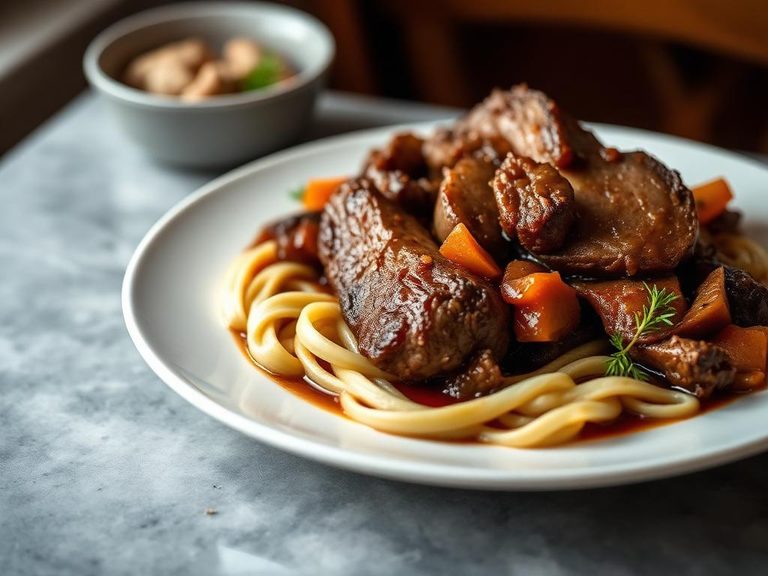
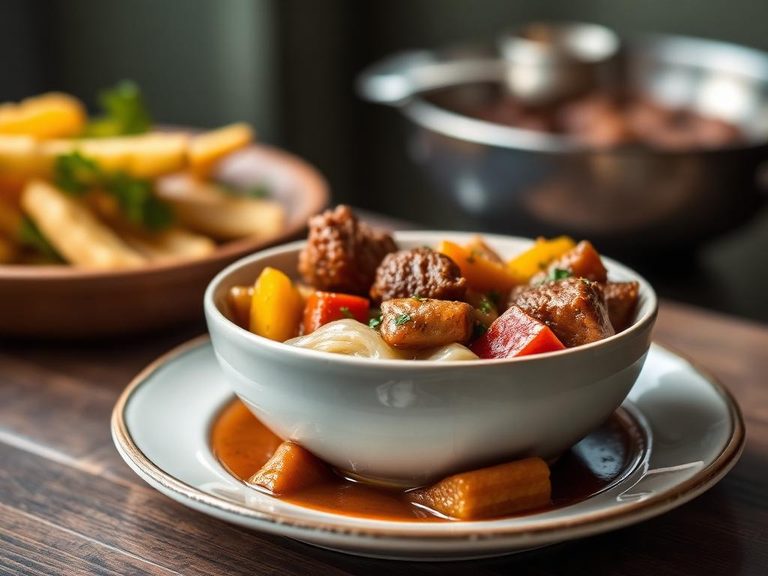
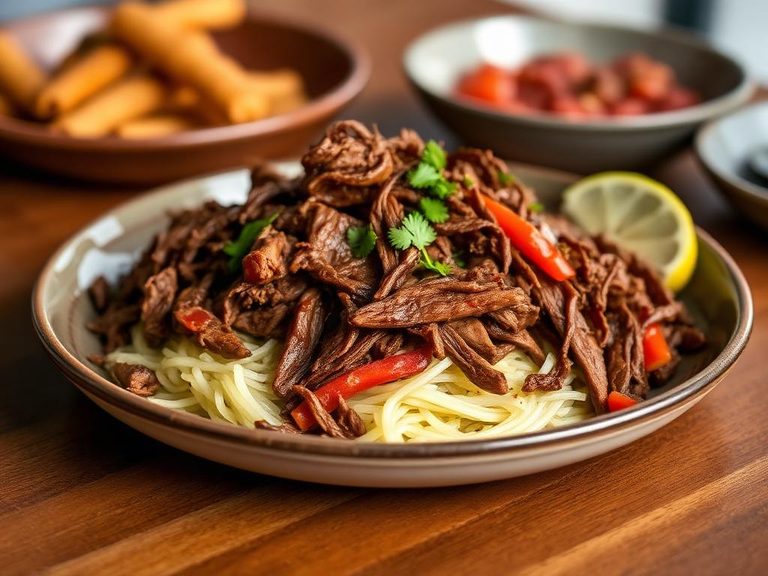
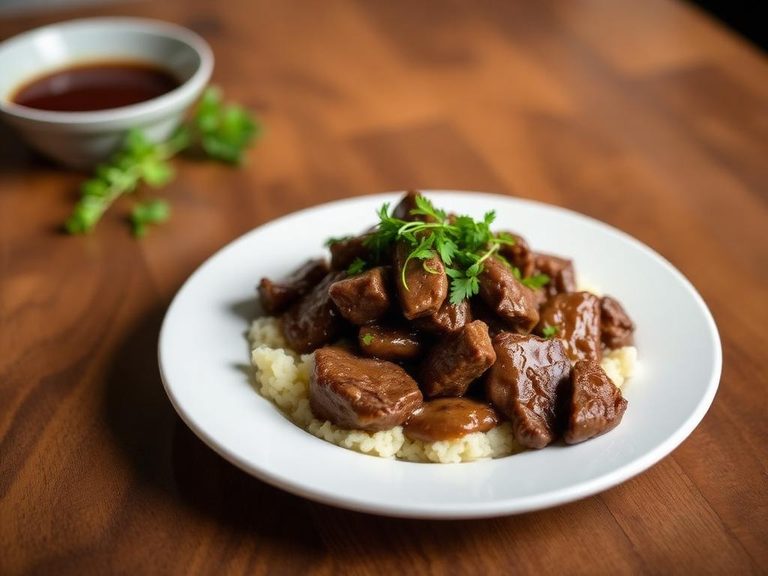
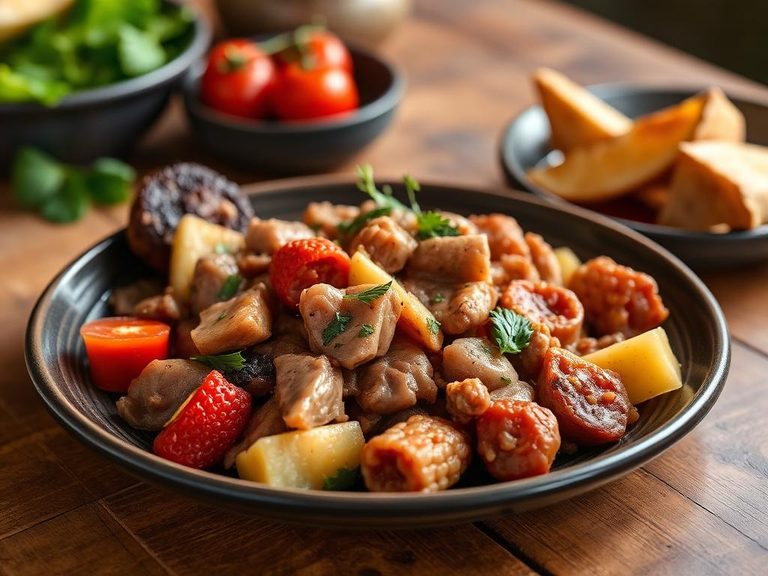
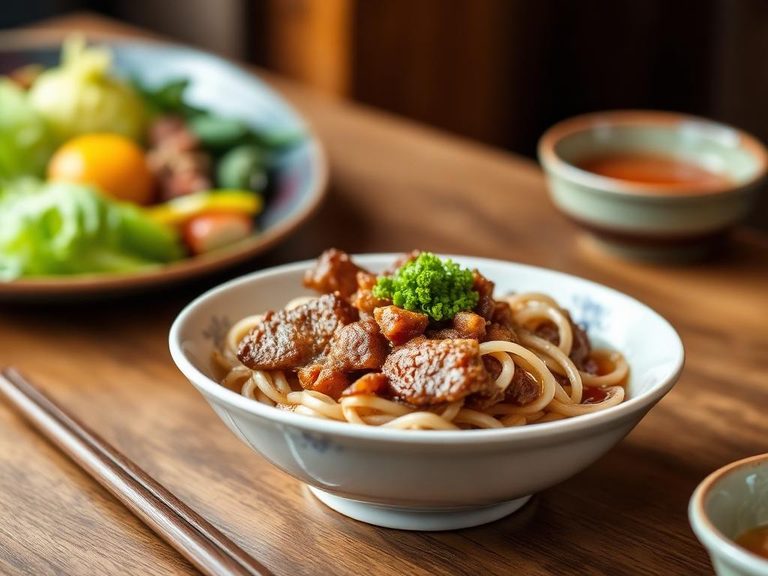
🌍 Where it's eaten
💡 Did you know?
The 'top round' is sometimes called the 'inside round' because it's on the inner side of the leg, and it gets a lot of exercise, which is why it benefits so much from slow, moist cooking.
Full nutrition (USDA data · scales with serving)
| Water | 53.8 g |
| Energy | 250 kcal |
| Energy | 1046 kj |
| Protein | 34.1 g |
| Total lipid (fat) | 11.6 g |
| Ash | 1.6 g |
| Carbohydrate, by difference | 0.00 g |
| Fiber, total dietary | 0.00 g |
| Total Sugars | 0.00 g |
| Calcium, Ca | 5.0 mg |
| Iron, Fe | 3.1 mg |
| Magnesium, Mg | 24.0 mg |
| Phosphorus, P | 214 mg |
| Potassium, K | 317 mg |
| Sodium, Na | 45.0 mg |
| Zinc, Zn | 4.3 mg |
| Copper, Cu | 0.12 mg |
| Manganese, Mn | 0.02 mg |
| Selenium, Se | 32.5 ug |
| Vitamin C, total ascorbic acid | 0.00 mg |
| Thiamin | 0.07 mg |
| Riboflavin | 0.24 mg |
| Niacin | 3.6 mg |
| Pantothenic acid | 0.35 mg |
| Vitamin B-6 | 0.27 mg |
| Folate, total | 9.0 ug |
| Folic acid | 0.00 ug |
| Folate, food | 9.0 ug |
| Folate, DFE | 9.0 ug |
| Choline, total | 130 mg |
| Betaine | 17.1 mg |
| Vitamin B-12 | 2.6 ug |
| Vitamin B-12, added | 0.00 ug |
| Vitamin A, RAE | 0.00 ug |
| Carotene, beta | 0.00 ug |
| Carotene, alpha | 0.00 ug |
| Cryptoxanthin, beta | 0.00 ug |
| Vitamin A, IU | 0.00 iu |
| Lycopene | 0.00 ug |
| Lutein + zeaxanthin | 0.00 ug |
| Alcohol, ethyl | 0.00 g |
| Caffeine | 0.00 mg |
| Theobromine | 0.00 mg |
Fat & fatty acid profile (per 100g)
| Fatty acids, total saturated | 4.3 g |
| SFA 4:0 | 0.00 g |
| SFA 6:0 | 0.00 g |
| SFA 8:0 | 0.00 g |
| SFA 10:0 | 0.02 g |
| SFA 12:0 | 0.02 g |
| SFA 14:0 | 0.33 g |
| SFA 16:0 | 2.7 g |
| SFA 18:0 | 1.3 g |
| Fatty acids, total monounsaturated | 4.8 g |
| MUFA 16:1 | 0.44 g |
| MUFA 18:1 | 4.3 g |
| MUFA 20:1 | 0.01 g |
| Fatty acids, total polyunsaturated | 0.48 g |
| PUFA 18:2 | 0.34 g |
| PUFA 18:3 | 0.10 g |
| PUFA 18:4 | 0.00 g |
| PUFA 20:4 | 0.04 g |
| Cholesterol | 90.0 mg |
Amino acid profile (per 100g)
| Tryptophan | 0.38 g |
| Threonine | 1.5 g |
| Isoleucine | 1.5 g |
| Leucine | 2.7 g |
| Lysine | 2.8 g |
| Methionine | 0.87 g |
| Cystine | 0.38 g |
| Phenylalanine | 1.3 g |
| Tyrosine | 1.1 g |
| Valine | 1.7 g |
| Arginine | 2.2 g |
| Histidine | 1.2 g |
| Alanine | 2.1 g |
| Aspartic acid | 3.1 g |
| Glutamic acid | 5.1 g |
| Glycine | 1.9 g |
| Proline | 1.5 g |
| Serine | 1.3 g |
FAQ
What's the best way to cook this cut to avoid dryness?
Moist-heat methods like braising, stewing, or slow-roasting in liquid are ideal. Cooking it low and slow breaks down connective tissue and keeps the meat juicy.
Is this a good cut for grilling?
Not typically. Its low fat content makes it prone to drying out over high, direct heat. It's better suited for methods that add or retain moisture.
How does 'choice' grade affect the quality?
Choice grade indicates good marbling and tenderness, making it a reliable, high-quality option for home cooking, though slightly less marbled than Prime.
Nutrient density (calculated · NRF9.3)
Nutrient Rich Foods index: beneficial nutrients (protein, fiber, vitamins, minerals) minus saturated fat, added sugar & sodium, per 100 kcal.
NRF9.3 index — Fulgoni, Keast & Drewnowski, 2009. Computed from USDA nutrients.
Weight-loss friendliness (composite index)
Energy density 2.50 kcal/g · 55% calories from protein · 0.0 g fiber · 0.0 g sugar per 100 g.
Composite of energy density (Rolls et al., 1999), protein & fiber satiety, minus sugar. A calculated heuristic — ranks satiety-per-calorie, not a clinical measure.
Dietary load (calculated from USDA values)
Potential renal acid load. Positive = acid-forming, negative = alkaline-forming.
Sodium-to-potassium ratio: 0.14 (lower is better — aim for ≤ 1)
Sodium:potassium per WHO potassium guidance. Computed from USDA nutrients.