

Babyfood, apple-banana juice
Whole food · Baby Foods

Photo: Wikipedia
A smooth, naturally sweet puree blending the mellow, creamy notes of ripe banana with the bright, tangy crispness of apple. Its vibrant golden hue and velvety texture make it a staple first food for infants. Nutritionally, it's a quick source of natural sugars and carbohydrates for energy, with minimal fat or protein.
Calorie split: 2% protein · 97% carbs · 2% fat
↓ Full nutrition💚 Why it's loved
Parents love it for its gentle, familiar flavor profile that babies often accept readily, and its smooth texture is perfect for early spoon-feeding. It's also valued as a versatile, mess-free snack or meal component.
⚠️ Watch-outs & how to enjoy it better
The high natural sugar content (11g per 100g) can cause rapid blood-sugar spikes if consumed in large quantities, especially for toddlers or those monitoring sugar intake. To mitigate this, pair it with a source of protein or fat (like a dollop of plain yogurt or a side of scrambled egg) to slow absorption, and practice strict portion control.
Key benefits
- Provides quick, natural energy from carbohydrates
- Contains no added sugars, sodium, or fats
- Offers mild, easily digestible fiber
- A convenient source of potassium from banana
- Introduces two classic fruit flavors at once
🍽️ Popular dishes
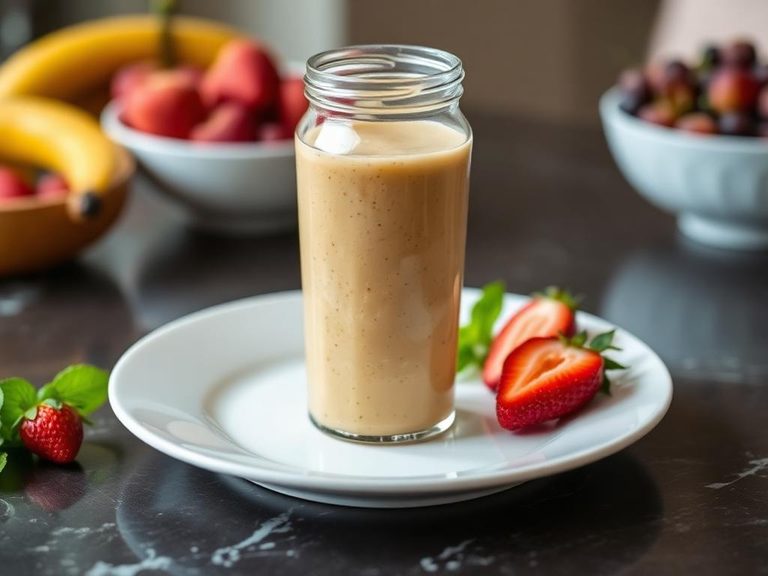
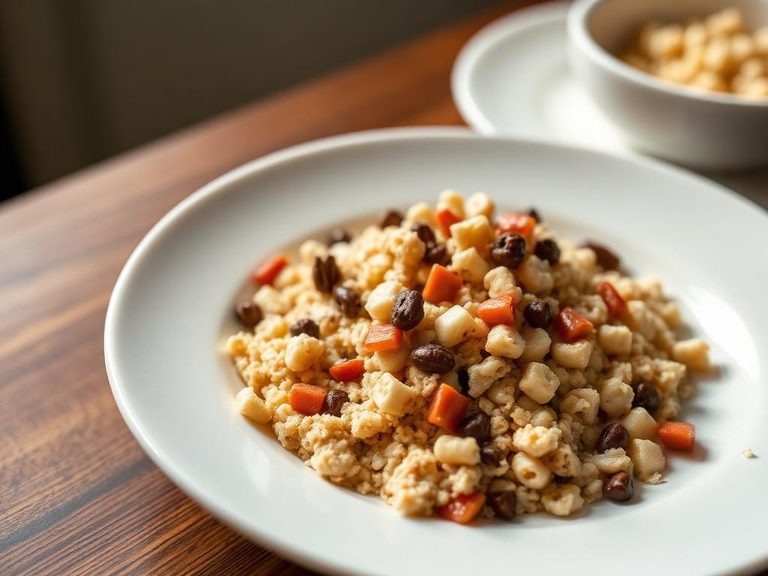
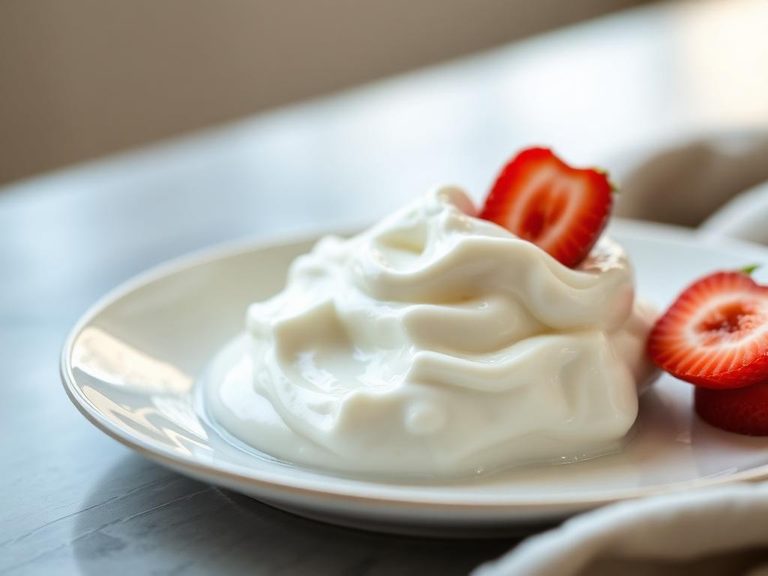
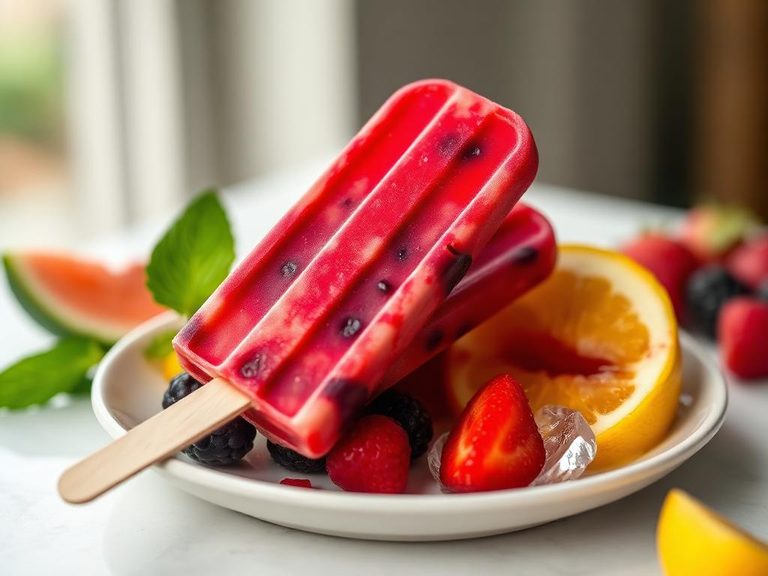
🌍 Where it's eaten
💡 Did you know?
The combination of apple and banana is one of the most common 'stage 2' baby food blends in the US and Europe, specifically designed to introduce two distinct fruit flavors simultaneously after single-ingredient purees.
Full nutrition (USDA data · scales with serving)
| Water | 87.1 g |
| Energy | 51.0 kcal |
| Energy | 213 kj |
| Protein | 0.20 g |
| Total lipid (fat) | 0.10 g |
| Ash | 0.26 g |
| Carbohydrate, by difference | 12.3 g |
| Fiber, total dietary | 0.20 g |
| Total Sugars | 11.0 g |
| Calcium, Ca | 7.0 mg |
| Iron, Fe | 0.20 mg |
| Magnesium, Mg | 6.0 mg |
| Phosphorus, P | 8.0 mg |
| Potassium, K | 123 mg |
| Sodium, Na | 4.0 mg |
| Zinc, Zn | 0.04 mg |
| Copper, Cu | 0.02 mg |
| Manganese, Mn | 0.08 mg |
| Selenium, Se | 0.30 ug |
| Vitamin C, total ascorbic acid | 27.9 mg |
| Thiamin | 0.01 mg |
| Riboflavin | 0.01 mg |
| Niacin | 0.14 mg |
| Pantothenic acid | 0.13 mg |
| Vitamin B-6 | 0.06 mg |
| Folate, total | 1.0 ug |
| Folic acid | 0.00 ug |
| Folate, food | 1.0 ug |
| Folate, DFE | 1.0 ug |
| Choline, total | 2.3 mg |
| Vitamin B-12 | 0.00 ug |
| Vitamin B-12, added | 0.00 ug |
| Vitamin A, RAE | 0.00 ug |
| Retinol | 0.00 ug |
| Carotene, beta | 4.0 ug |
| Carotene, alpha | 3.0 ug |
| Cryptoxanthin, beta | 0.00 ug |
| Vitamin A, IU | 9.0 iu |
| Lycopene | 0.00 ug |
| Lutein + zeaxanthin | 16.0 ug |
| Vitamin E (alpha-tocopherol) | 0.02 mg |
| Vitamin E, added | 0.00 mg |
| Vitamin D (D2 + D3), International Units | 0.00 iu |
| Vitamin D (D2 + D3) | 0.00 ug |
| Vitamin K (phylloquinone) | 0.00 ug |
| Alcohol, ethyl | 0.00 g |
| Caffeine | 0.00 mg |
| Theobromine | 0.00 mg |
Fat & fatty acid profile (per 100g)
| Fatty acids, total saturated | 0.02 g |
| SFA 4:0 | 0.00 g |
| SFA 6:0 | 0.00 g |
| SFA 8:0 | 0.00 g |
| SFA 10:0 | 0.00 g |
| SFA 12:0 | 0.00 g |
| SFA 14:0 | 0.00 g |
| SFA 16:0 | 0.01 g |
| SFA 18:0 | 0.00 g |
| Fatty acids, total monounsaturated | 0.00 g |
| MUFA 16:1 | 0.00 g |
| MUFA 18:1 | 0.00 g |
| MUFA 20:1 | 0.00 g |
| MUFA 22:1 | 0.00 g |
| Fatty acids, total polyunsaturated | 0.03 g |
| PUFA 18:2 | 0.03 g |
| PUFA 18:3 | 0.01 g |
| PUFA 18:4 | 0.00 g |
| PUFA 20:4 | 0.00 g |
| PUFA 20:5 n-3 (EPA) | 0.00 g |
| PUFA 22:5 n-3 (DPA) | 0.00 g |
| PUFA 22:6 n-3 (DHA) | 0.00 g |
| Cholesterol | 0.00 mg |
Amino acid profile (per 100g)
Estimated from Babyfood, grape juice, no sugar, canned — USDA does not publish this profile for Babyfood.
| Threonine | 0.02 g |
| Isoleucine | 0.01 g |
| Leucine | 0.02 g |
| Lysine | 0.02 g |
| Methionine | 0.03 g |
| Cystine | 0.01 g |
| Phenylalanine | 0.02 g |
| Tyrosine | 0.02 g |
| Valine | 0.02 g |
| Arginine | 0.06 g |
| Histidine | 0.03 g |
| Alanine | 0.04 g |
| Aspartic acid | 0.10 g |
| Glutamic acid | 0.18 g |
| Glycine | 0.03 g |
| Proline | 0.03 g |
| Serine | 0.04 g |
FAQ
Is this juice or a puree?
Despite the name 'juice' sometimes used on labels, this product is typically a thick, smooth puree or nectar with a spoonable consistency, not a thin, drinkable liquid.
Can I dilute it with water?
You can thin it slightly with water, breast milk, or formula to adjust consistency for your baby's stage, but this will dilute the flavor and nutrient density.
Is it a common allergen?
Neither apple nor banana is a major allergen. However, as with any new food, introduce it alone and watch for any signs of reaction, which are rare.
Nutrient density (calculated · NRF9.3)
Nutrient Rich Foods index: beneficial nutrients (protein, fiber, vitamins, minerals) minus saturated fat, added sugar & sodium, per 100 kcal.
NRF9.3 index — Fulgoni, Keast & Drewnowski, 2009. Computed from USDA nutrients.
Weight-loss friendliness (composite index)
Energy density 0.51 kcal/g · 2% calories from protein · 0.2 g fiber · 11.0 g sugar per 100 g.
Composite of energy density (Rolls et al., 1999), protein & fiber satiety, minus sugar. A calculated heuristic — ranks satiety-per-calorie, not a clinical measure.
Dietary load (calculated from USDA values)
Potential renal acid load. Positive = acid-forming, negative = alkaline-forming.
Sodium-to-potassium ratio: 0.03 (lower is better — aim for ≤ 1)
Sodium:potassium per WHO potassium guidance. Computed from USDA nutrients.