Dessert topping, semi solid, frozen
Whole food · Dairy and Egg Products

Photo: Wikipedia
This is a smooth, spoonable frozen topping, often used for sundaes, that strikes a balance between a soft-serve texture and a rich, creamy sauce. It delivers a classic, sweet, vanilla-forward flavor with a luxurious mouthfeel that coats the tongue. Nutritionally, it's a high-fat, high-sugar treat, providing a quick energy boost but little else.
💚 Why it's loved
People adore it for its effortless ability to transform a simple bowl of ice cream or fruit into a decadent sundae, evoking nostalgic feelings of classic soda fountains and dessert parlors. Its versatility and familiar, comforting sweetness make it a go-to for instant dessert enhancement.
⚠️ Watch-outs & how to enjoy it better
The high sugar and fat content can lead to blood sugar spikes and is a concern for those managing calorie intake or blood glucose levels. To enjoy it mindfully, practice strict portion control (e.g., using a tablespoon measure) and pair it with a protein or fiber source, like a handful of nuts or berries, to slow sugar absorption.
Key benefits
- Provides quick energy from simple carbohydrates
- Adds a creamy, indulgent texture to desserts
- Enhances flavor profiles with sweet, vanilla notes
- Offers a convenient, ready-to-use topping format
- Can be a source of calcium if dairy-based
🍽️ Popular dishes
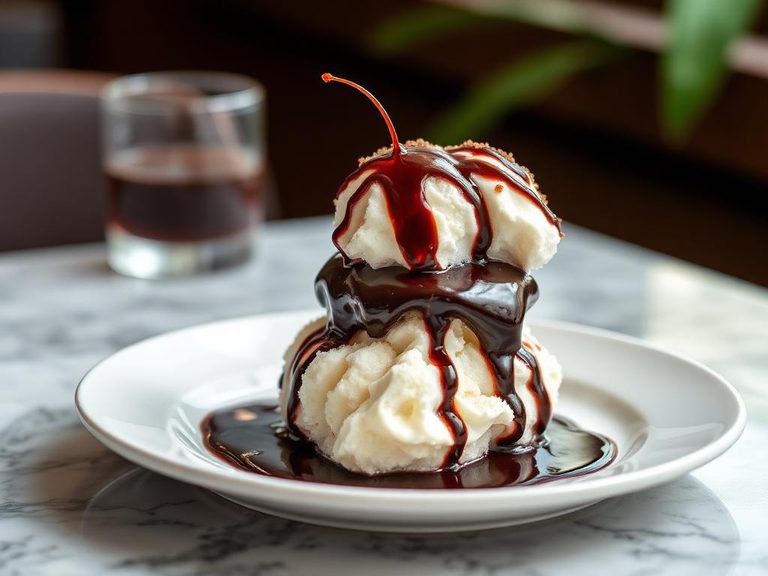

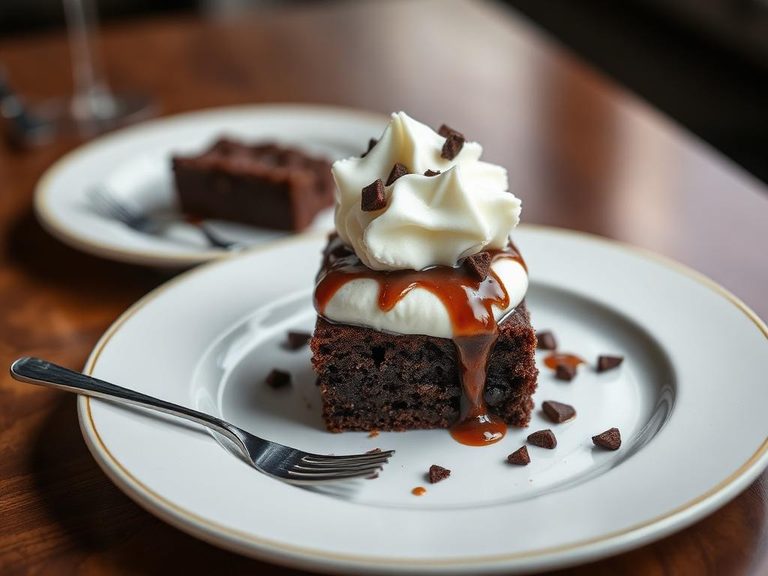
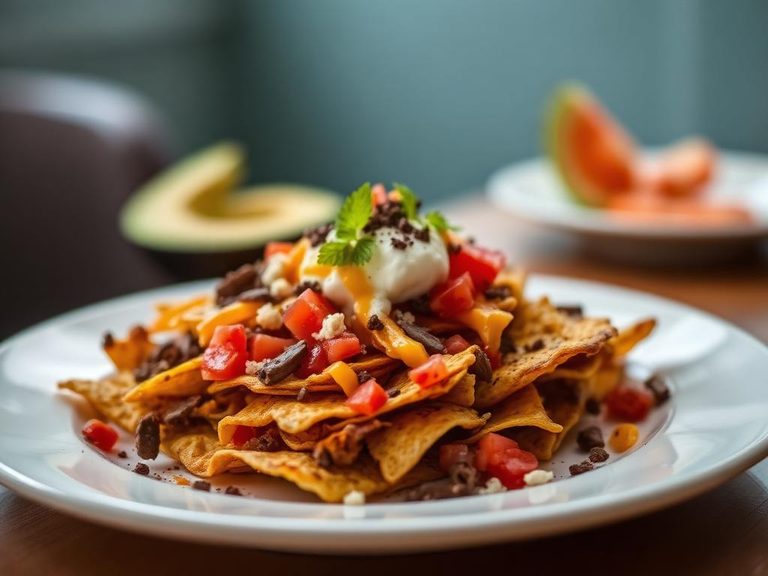
🌍 Where it's eaten
💡 Did you know?
The semi-solid, scoopable texture of frozen dessert toppings is achieved through a process called ' overrun,' where air is whipped into the mixture before freezing, preventing it from becoming a solid block of ice.
Full nutrition (scales with serving)
| Water | 50.2 g |
| Energy | 318 kcal |
| Energy | 1332 kj |
| Protein | 1.3 g |
| Total lipid (fat) | 25.3 g |
| Ash | 0.18 g |
| Carbohydrate, by difference | 23.1 g |
| Fiber, total dietary | 0.00 g |
| Total Sugars | 23.1 g |
| Calcium, Ca | 6.0 mg |
| Iron, Fe | 0.12 mg |
| Magnesium, Mg | 2.0 mg |
| Phosphorus, P | 8.0 mg |
| Potassium, K | 18.0 mg |
| Sodium, Na | 25.0 mg |
| Zinc, Zn | 0.03 mg |
| Copper, Cu | 0.03 mg |
| Manganese, Mn | 0.06 mg |
| Selenium, Se | 2.1 ug |
| Vitamin C, total ascorbic acid | 0.00 mg |
| Thiamin | 0.00 mg |
| Riboflavin | 0.00 mg |
| Niacin | 0.00 mg |
| Pantothenic acid | 0.00 mg |
| Vitamin B-6 | 0.00 mg |
| Folate, total | 0.00 ug |
| Folic acid | 0.00 ug |
| Folate, food | 0.00 ug |
| Folate, DFE | 0.00 ug |
| Choline, total | 0.00 mg |
| Vitamin B-12 | 0.00 ug |
| Vitamin B-12, added | 0.00 ug |
| Vitamin A, RAE | 7.0 ug |
| Retinol | 0.00 ug |
| Carotene, beta | 86.0 ug |
| Carotene, alpha | 0.00 ug |
| Cryptoxanthin, beta | 0.00 ug |
| Vitamin A, IU | 143 iu |
| Lycopene | 0.00 ug |
| Lutein + zeaxanthin | 0.00 ug |
| Vitamin E (alpha-tocopherol) | 0.96 mg |
| Vitamin E, added | 0.00 mg |
| Vitamin D (D2 + D3), International Units | 0.00 iu |
| Vitamin D (D2 + D3) | 0.00 ug |
| Vitamin K (phylloquinone) | 6.3 ug |
| Alcohol, ethyl | 0.00 g |
| Caffeine | 0.00 mg |
| Theobromine | 0.00 mg |
Fat & fatty acid profile (per 100g)
| Fatty acids, total saturated | 21.8 g |
| SFA 4:0 | 0.00 g |
| SFA 6:0 | 0.00 g |
| SFA 8:0 | 0.64 g |
| SFA 10:0 | 0.91 g |
| SFA 12:0 | 8.8 g |
| SFA 14:0 | 3.8 g |
| SFA 16:0 | 3.1 g |
| SFA 18:0 | 4.6 g |
| Fatty acids, total monounsaturated | 1.6 g |
| MUFA 16:1 | 0.24 g |
| MUFA 18:1 | 1.4 g |
| MUFA 20:1 | 0.00 g |
| MUFA 22:1 | 0.00 g |
| Fatty acids, total polyunsaturated | 0.52 g |
| PUFA 18:2 | 0.30 g |
| PUFA 18:3 | 0.22 g |
| PUFA 18:4 | 0.00 g |
| PUFA 20:4 | 0.00 g |
| PUFA 20:5 n-3 (EPA) | 0.00 g |
| PUFA 22:5 n-3 (DPA) | 0.00 g |
| PUFA 22:6 n-3 (DHA) | 0.00 g |
| Cholesterol | 0.00 mg |
| Phytosterols | 23.0 mg |
Amino acid profile (per 100g)
| Tryptophan | 0.02 g |
| Threonine | 0.05 g |
| Isoleucine | 0.08 g |
| Leucine | 0.12 g |
| Lysine | 0.10 g |
| Methionine | 0.04 g |
| Cystine | 0.01 g |
| Phenylalanine | 0.07 g |
| Tyrosine | 0.07 g |
| Valine | 0.09 g |
| Arginine | 0.05 g |
| Histidine | 0.04 g |
| Alanine | 0.04 g |
| Aspartic acid | 0.09 g |
| Glutamic acid | 0.28 g |
| Glycine | 0.03 g |
| Proline | 0.14 g |
| Serine | 0.08 g |
FAQ
How is this different from ice cream or whipped cream?
It's formulated to be denser and more sauce-like than airy whipped cream, but softer and more pourable than solid ice cream. Its primary role is as a topping, not a standalone dessert.
Can I use it as an ingredient in baking?
Yes, it can be folded into cake batters or cookie dough for added moisture and flavor, or used as a filling between cake layers. However, its high sugar and fat content will affect the final texture and sweetness.
Why does it sometimes form ice crystals?
Ice crystals form due to temperature fluctuations during storage, a process called freezer burn. To prevent this, ensure the container is sealed tightly and stored at a consistent, cold temperature in the back of the freezer.