Strawberries, canned, heavy syrup pack, solids and liquids
Whole food · Fruits and Fruit Juices

Photo: Wikipedia
Canned strawberries in heavy syrup are a preserved, ready-to-eat fruit product where whole or sliced berries are suspended in a thick, sweetened liquid. The texture is softer and more uniform than fresh, with a pronounced, sugary sweetness that can overshadow the berry's natural tartness. Nutritionally, it's a concentrated source of quick energy from carbohydrates, primarily from the added syrup.
💚 Why it's loved
People love it for its intense, nostalgic sweetness and comforting, soft texture, making it a quick dessert or topping. Its long shelf life and readiness straight from the can offer unmatched convenience for baking, smoothies, or a simple treat.
⚠️ Watch-outs & how to enjoy it better
The very high sugar content (over 21g per 100g) can cause rapid blood sugar spikes, making it a poor choice for diabetics or those monitoring glycemic load. To counteract this, pair a small portion with protein or healthy fat (like yogurt or nuts) to slow sugar absorption, and consider draining and rinsing the berries to remove some syrup.
Key benefits
- Provides a quick source of energy from carbohydrates.
- Offers a convenient, shelf-stable fruit option year-round.
- Contains some dietary fiber from the strawberry solids.
- A source of vitamin C, though heat processing may reduce levels.
- Can be a palatable way to increase fruit intake for some.
🍽️ Popular dishes


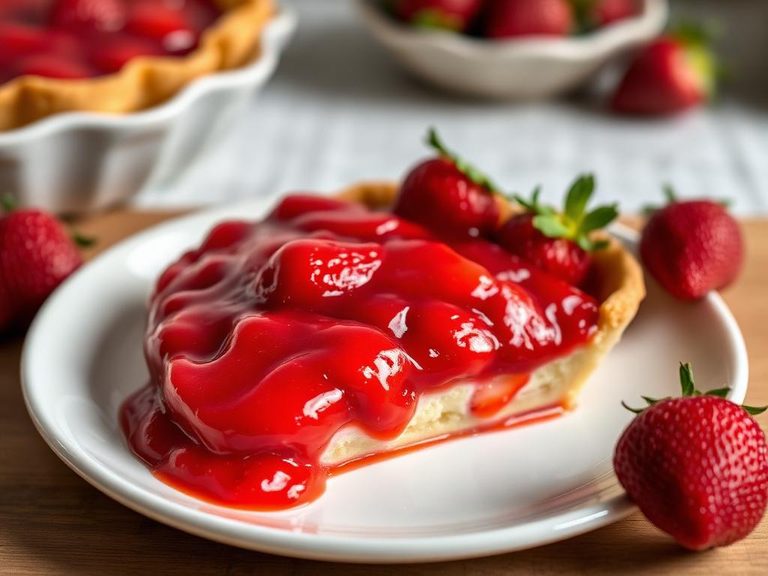
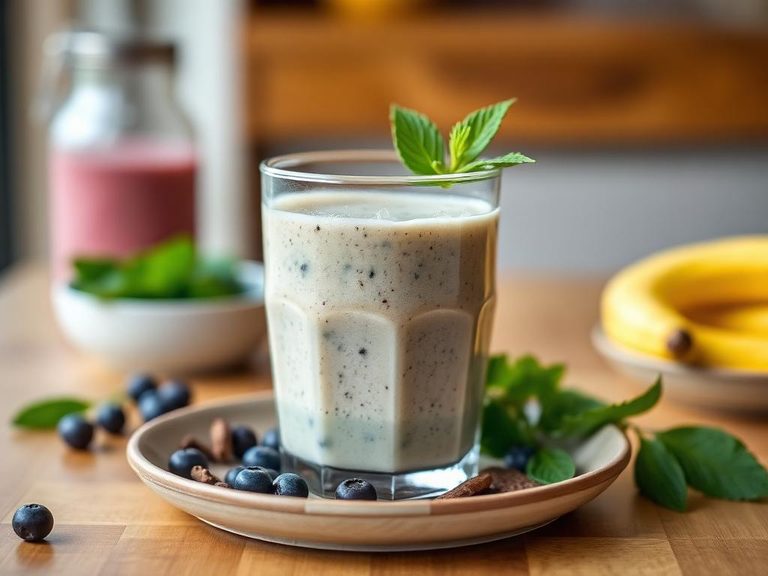
🌍 Where it's eaten
💡 Did you know?
The heavy syrup is typically a 40-50% sugar solution, which acts as a preservative by creating high osmotic pressure that inhibits microbial growth.
Full nutrition (scales with serving)
| Water | 75.3 g |
| Energy | 92.0 kcal |
| Energy | 385 kj |
| Protein | 0.56 g |
| Total lipid (fat) | 0.26 g |
| Ash | 0.30 g |
| Carbohydrate, by difference | 23.5 g |
| Fiber, total dietary | 1.7 g |
| Total Sugars | 21.8 g |
| Calcium, Ca | 13.0 mg |
| Iron, Fe | 0.49 mg |
| Magnesium, Mg | 8.0 mg |
| Phosphorus, P | 12.0 mg |
| Potassium, K | 86.0 mg |
| Sodium, Na | 4.0 mg |
| Zinc, Zn | 0.09 mg |
| Copper, Cu | 0.06 mg |
| Manganese, Mn | 0.20 mg |
| Selenium, Se | 0.30 ug |
| Vitamin C, total ascorbic acid | 31.7 mg |
| Thiamin | 0.02 mg |
| Riboflavin | 0.03 mg |
| Niacin | 0.06 mg |
| Pantothenic acid | 0.18 mg |
| Vitamin B-6 | 0.05 mg |
| Folate, total | 28.0 ug |
| Folic acid | 0.00 ug |
| Folate, food | 28.0 ug |
| Folate, DFE | 28.0 ug |
| Choline, total | 3.8 mg |
| Vitamin B-12 | 0.00 ug |
| Vitamin B-12, added | 0.00 ug |
| Vitamin A, RAE | 1.0 ug |
| Retinol | 0.00 ug |
| Carotene, beta | 16.0 ug |
| Carotene, alpha | 0.00 ug |
| Cryptoxanthin, beta | 0.00 ug |
| Vitamin A, IU | 26.0 iu |
| Lycopene | 0.00 ug |
| Lutein + zeaxanthin | 18.0 ug |
| Vitamin E (alpha-tocopherol) | 0.19 mg |
| Vitamin E, added | 0.00 mg |
| Vitamin D (D2 + D3), International Units | 0.00 iu |
| Vitamin D (D2 + D3) | 0.00 ug |
| Vitamin K (phylloquinone) | 1.5 ug |
| Alcohol, ethyl | 0.00 g |
| Caffeine | 0.00 mg |
| Theobromine | 0.00 mg |
Fat & fatty acid profile (per 100g)
| Fatty acids, total saturated | 0.01 g |
| SFA 4:0 | 0.00 g |
| SFA 6:0 | 0.00 g |
| SFA 8:0 | 0.00 g |
| SFA 10:0 | 0.00 g |
| SFA 12:0 | 0.00 g |
| SFA 14:0 | 0.00 g |
| SFA 16:0 | 0.01 g |
| SFA 18:0 | 0.00 g |
| Fatty acids, total monounsaturated | 0.04 g |
| MUFA 16:1 | 0.00 g |
| MUFA 18:1 | 0.04 g |
| MUFA 20:1 | 0.00 g |
| MUFA 22:1 | 0.00 g |
| Fatty acids, total polyunsaturated | 0.13 g |
| PUFA 18:2 | 0.07 g |
| PUFA 18:3 | 0.05 g |
| PUFA 18:4 | 0.00 g |
| PUFA 20:4 | 0.00 g |
| PUFA 20:5 n-3 (EPA) | 0.00 g |
| PUFA 22:5 n-3 (DPA) | 0.00 g |
| PUFA 22:6 n-3 (DHA) | 0.00 g |
| Fatty acids, total trans | 0.00 g |
| Cholesterol | 0.00 mg |
Amino acid profile (per 100g)
| Tryptophan | 0.01 g |
| Threonine | 0.02 g |
| Isoleucine | 0.01 g |
| Leucine | 0.03 g |
| Lysine | 0.02 g |
| Methionine | 0.00 g |
| Cystine | 0.01 g |
| Phenylalanine | 0.02 g |
| Tyrosine | 0.02 g |
| Valine | 0.02 g |
| Arginine | 0.02 g |
| Histidine | 0.01 g |
| Alanine | 0.03 g |
| Aspartic acid | 0.13 g |
| Glutamic acid | 0.08 g |
| Glycine | 0.02 g |
| Proline | 0.02 g |
| Serine | 0.02 g |
FAQ
How does it differ from strawberries in light syrup or juice?
Heavy syrup pack uses a much higher concentration of sugar (syrup) for preservation and sweetness, resulting in significantly more calories and sugar per serving compared to light syrup or fruit juice packs.
Can I use the syrup for other things?
Yes, the strawberry-infused syrup can be reduced into a sauce, used to sweeten drinks, or as a glaze for meats like ham, adding a sweet fruit flavor.
Is it safe to eat the canning liquid?
Yes, the syrup is food-safe. However, due to its very high sugar content, many people choose to drain it off or use the berries in recipes where the excess liquid can be cooked away.