

Smoothie ingredient
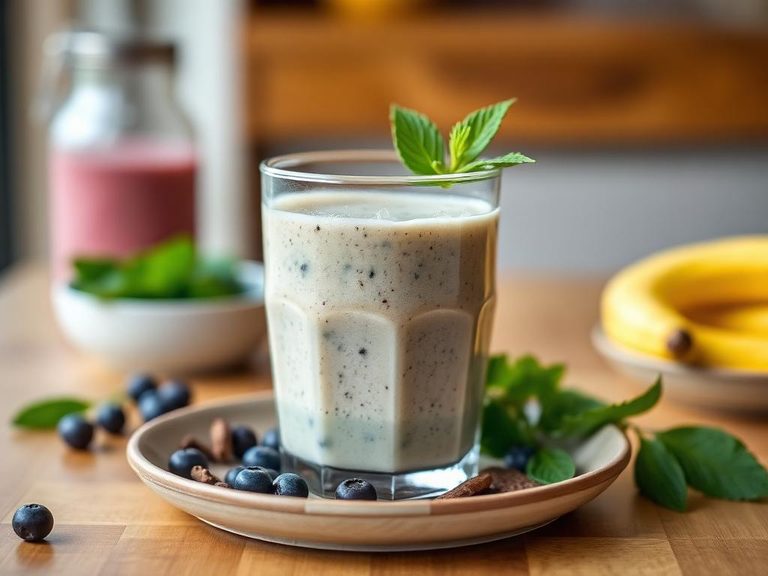
A 'smoothie ingredient' is not a single dish but refers to the customizable components blended together to create a smoothie, a popular blended beverage. Common ingredients include fruits like bananas and berries, vegetables like spinach, liquids such as milk or juice, and add-ins like yogurt, protein powder, or seeds. Smoothies originated in the United States in the mid-20th century and have become a global health trend.
🍳 View the full Smoothie ingredient recipe →
🍽️ Nutrition at a glance
The nutritional profile varies widely based on ingredients, but smoothies are typically high in carbohydrates from fruits and added sugars, with moderate protein if dairy or protein powder is included. They are rich in vitamins, minerals, and fiber, and a standard serving can range from 200 to 600 calories.
Nutrition breakdown
| Calories | 150 kcal |
| Protein | 2 g |
| Carbs | 35 g |
| Fat | 1 g |
| Fiber | 5 g |
| Sugar | 25 g |
| Sodium | 10 mg |
| Vitamin C | 60 mg |
| Vitamin A | 150 mcg |
| Potassium | 450 mg |
| Magnesium | 40 mg |
| Folate | 60 mcg |
| Vitamin K | 30 mcg |
| Calcium | 30 mg |
| Iron | 1 mg |
Per 1 cup (240 g) · estimated, varies by recipe
💡 What's interesting
Smoothies are culturally significant as a symbol of modern wellness culture, often marketed as a quick, nutritious meal replacement. Nutritionally, they allow for creative combinations to boost intake of specific nutrients, like iron from spinach or omega-3s from chia seeds, making them a versatile tool for dietary customization.
🍽️ Related dishes






AI estimate may be inaccurate · Terms