

Cereal bar ingredient

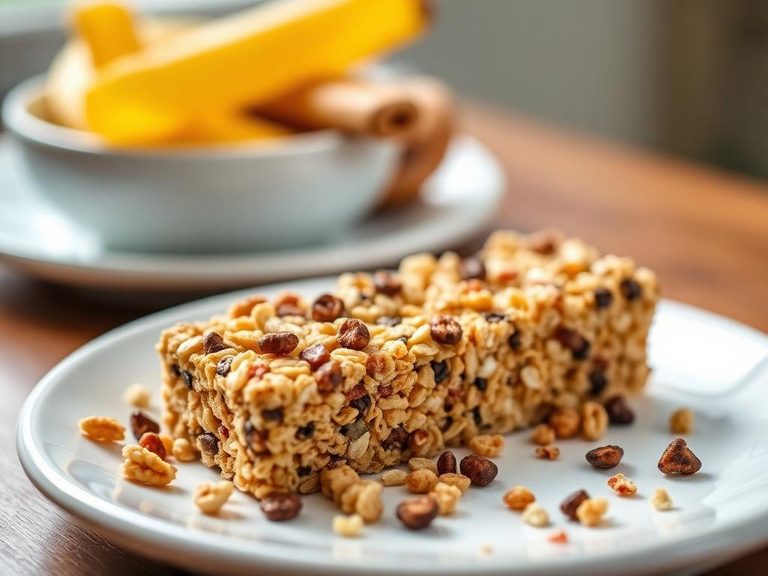
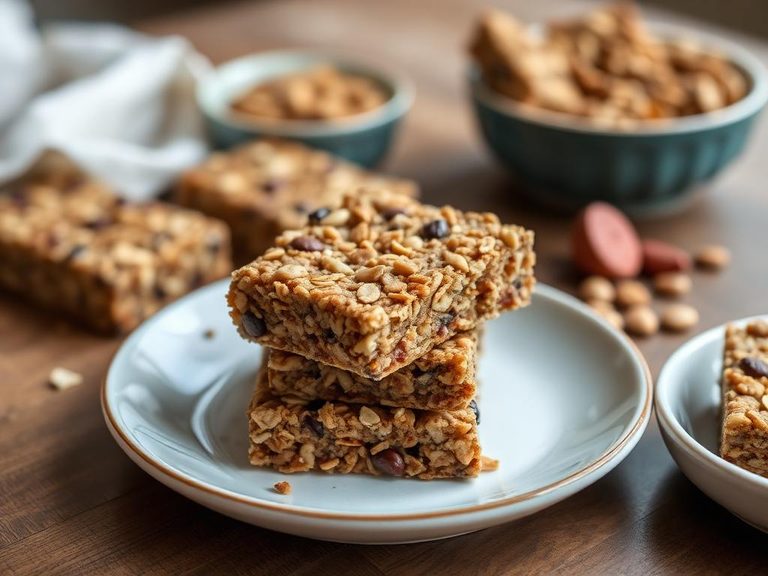
A cereal bar ingredient refers to the core components used in making these convenient, portable snacks, typically originating from the United States. Common ingredients include rolled oats, puffed rice, wheat flakes, and a binding agent like honey, syrup, or nut butter, often mixed with dried fruits, nuts, or chocolate chips for flavor and texture.
🍳 View the full Cereal bar ingredient recipe →
🍽️ Nutrition at a glance
Cereal bars are generally high in carbohydrates, providing a quick energy boost, with moderate amounts of fat depending on added nuts or oils and minimal protein unless fortified. A standard bar (around 40-50 grams) usually ranges from 150 to 250 calories, offering key nutrients like fiber from whole grains and some vitamins if fortified.
Nutrition breakdown
| Calories | 170 kcal |
| Protein | 3 g |
| Carbs | 28 g |
| Fat | 6 g |
| Fiber | 2 g |
| Sugar | 12 g |
| Sodium | 100 mg |
| Iron | 4 mg |
| Potassium | 120 mg |
| Magnesium | 40 mg |
| Phosphorus | 80 mg |
| Zinc | 1.5 mg |
| Niacin (B3) | 5 mg |
| Vitamin B6 | 0.5 mg |
| Folate | 100 mcg |
Per 1 bar (40 g) · estimated, varies by recipe
💡 What's interesting
Culturally, cereal bars emerged in the mid-20th century as a response to the growing demand for on-the-go snacks in fast-paced societies, evolving from simple granola bars to diverse, health-focused options. Nutritionally, they are unique for balancing convenience with customizable nutrition, allowing for variations that cater to dietary needs like gluten-free or high-protein diets.
🍽️ Related dishes






AI estimate may be inaccurate · Terms