

Watercress, cooked
Common food

Photo: Wikipedia
Watercress is a peppery, semi-aquatic leafy green that wilts quickly when cooked, yielding a tender, slightly slippery texture and a concentrated, mustard-like bite. Nutritionally, it is a low-calorie powerhouse, delivering a notable 2.84g of fat per 100g and a dense profile of vitamins A, C, and K, alongside its 2.4g of protein. It is an excellent way to add a vibrant, spicy kick to soups and stir-fries without adding significant calories.
Calorie split: 24% protein · 13% carbs · 63% fat
↓ Full nutrition💚 Why it's loved
People love watercress for its distinctive, invigorating peppery flavor that cuts through rich, fatty foods like eggs or cheese. Its quick cooking time and ability to add a fresh, vibrant green element to dishes make it a versatile and beloved addition to many cuisines.
⚠️ Watch-outs & how to enjoy it better
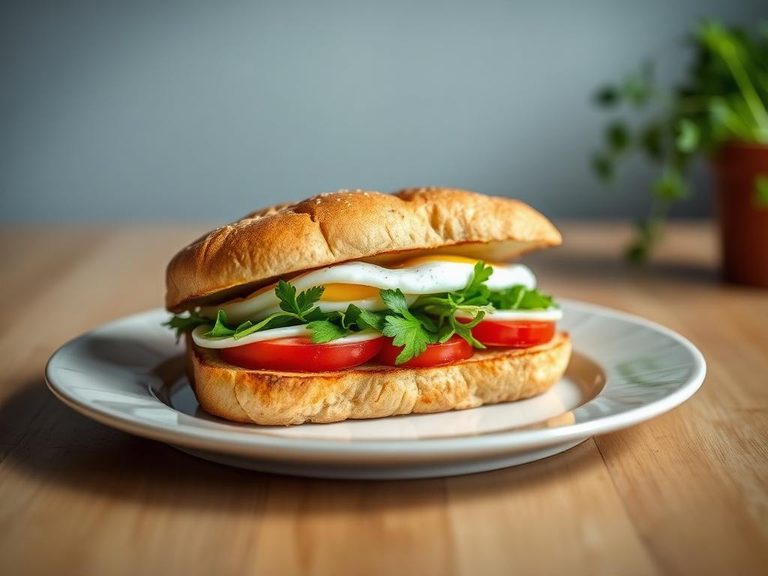
The high Vitamin K content can interfere with blood-thinning medications like warfarin, requiring consistent intake. Its peppery bite can be too intense for some palates, and it contains oxalates, which may be a concern for individuals prone to certain kidney stones. To mitigate the oxalates, cooking the watercress (boiling or steaming) and discarding the water can reduce their content. For the intense flavor, it can be milder when paired with creamy or fatty ingredients like a poached egg or a buttery sauce.
Key benefits
- Exceptionally high in Vitamin K, essential for bone health and blood clotting.
- Rich in Vitamin C, supporting immune function and collagen synthesis.
- Contains glucosinolates, compounds studied for their potential antioxidant properties.
- Low in calories but provides a good source of plant-based protein.
- A good source of folate, important for cell division and DNA synthesis.
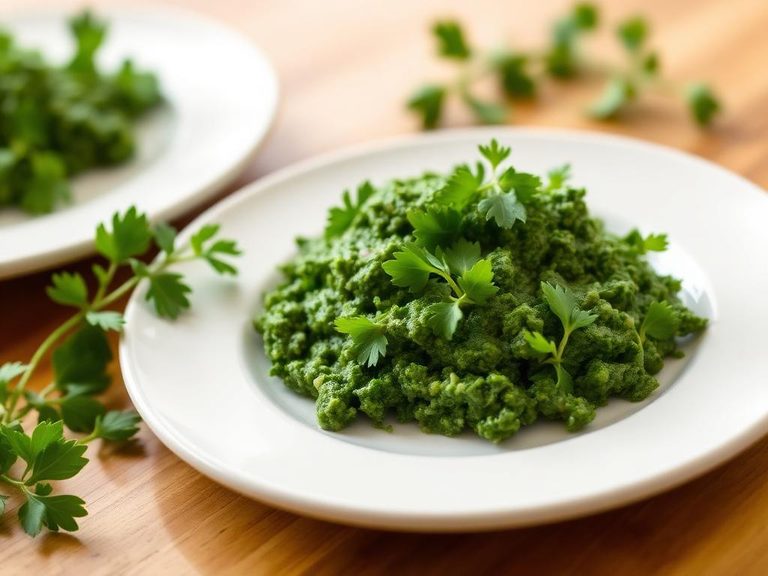
🍽️ Popular dishes
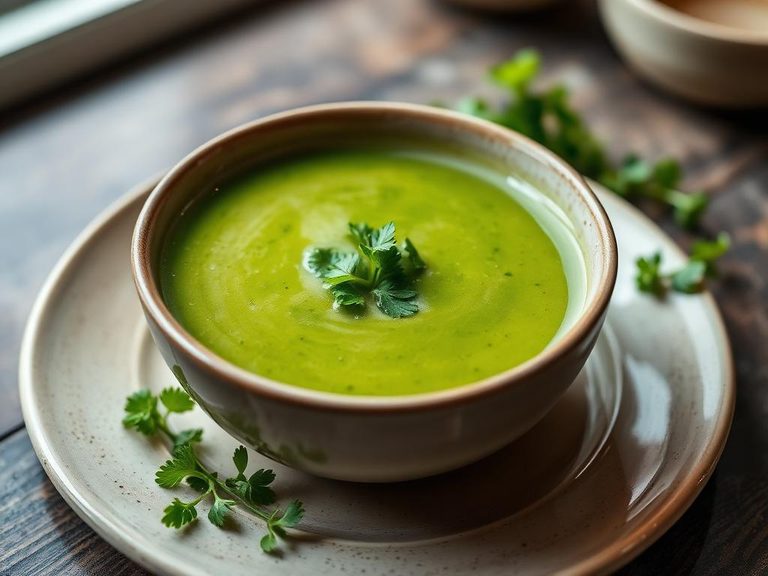
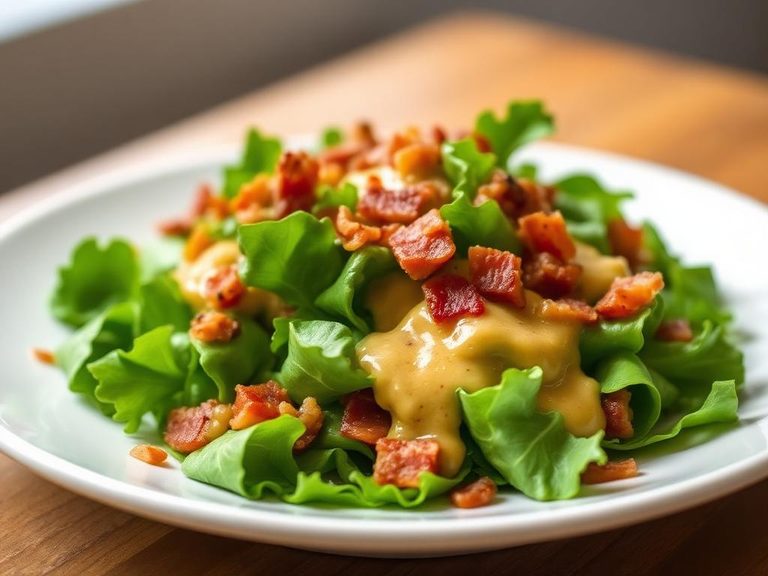
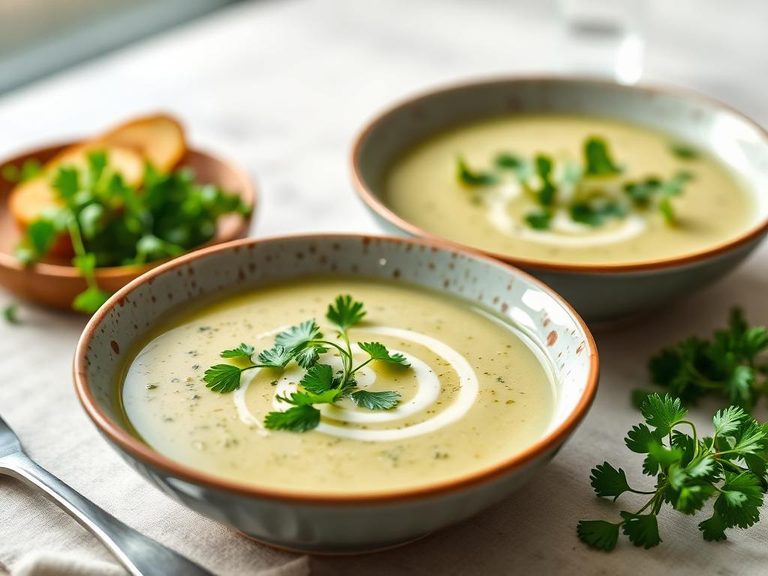
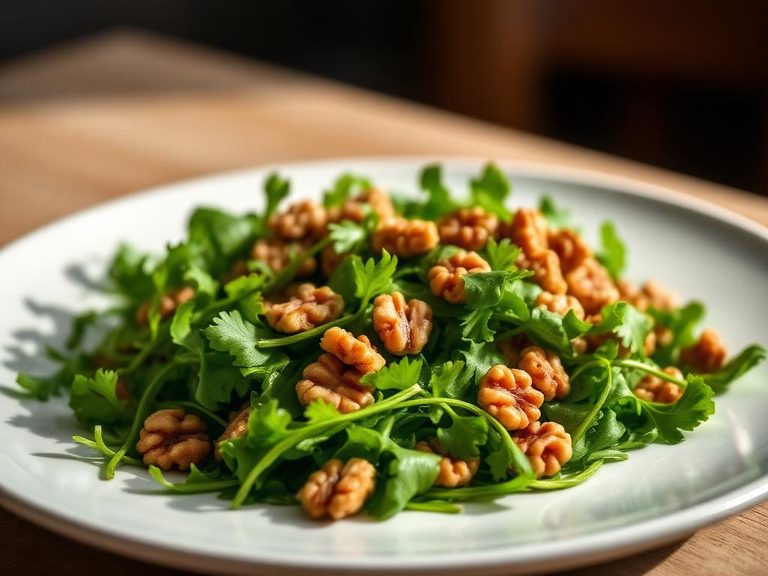
🌍 Where it's eaten
💡 Did you know?
Watercress is one of the oldest known leaf vegetables consumed by humans, with evidence of its use dating back to ancient Greece and Rome, where it was believed to have medicinal properties.
Full nutrition (USDA data · scales with serving)
| Water | 91.8 g |
| Energy | 36.0 kcal |
| Protein | 2.4 g |
| Total lipid (fat) | 2.8 g |
| Carbohydrate, by difference | 1.4 g |
| Fiber, total dietary | 0.50 g |
| Total Sugars | 0.21 g |
| Calcium, Ca | 125 mg |
| Iron, Fe | 0.21 mg |
| Magnesium, Mg | 22.0 mg |
| Phosphorus, P | 63.0 mg |
| Potassium, K | 344 mg |
| Sodium, Na | 173 mg |
| Zinc, Zn | 0.12 mg |
| Copper, Cu | 0.08 mg |
| Selenium, Se | 0.90 ug |
| Vitamin C, total ascorbic acid | 31.3 mg |
| Thiamin | 0.08 mg |
| Riboflavin | 0.12 mg |
| Niacin | 0.20 mg |
| Vitamin B-6 | 0.14 mg |
| Folate, total | 7.0 ug |
| Folic acid | 0.00 ug |
| Folate, food | 7.0 ug |
| Folate, DFE | 7.0 ug |
| Choline, total | 9.6 mg |
| Vitamin B-12 | 0.00 ug |
| Vitamin B-12, added | 0.00 ug |
| Vitamin A, RAE | 170 ug |
| Retinol | 12.0 ug |
| Carotene, beta | 1898 ug |
| Carotene, alpha | 0.00 ug |
| Cryptoxanthin, beta | 0.00 ug |
| Lycopene | 0.00 ug |
| Lutein + zeaxanthin | 5703 ug |
| Vitamin E (alpha-tocopherol) | 1.4 mg |
| Vitamin E, added | 0.00 mg |
| Vitamin D (D2 + D3) | 0.00 ug |
| Vitamin K (phylloquinone) | 263 ug |
| Alcohol, ethyl | 0.00 g |
| Caffeine | 0.00 mg |
| Theobromine | 0.00 mg |
Fat & fatty acid profile (per 100g)
| Fatty acids, total saturated | 0.74 g |
| SFA 4:0 | 0.02 g |
| SFA 6:0 | 0.01 g |
| SFA 8:0 | 0.01 g |
| SFA 10:0 | 0.02 g |
| SFA 12:0 | 0.02 g |
| SFA 14:0 | 0.07 g |
| SFA 16:0 | 0.42 g |
| SFA 18:0 | 0.15 g |
| Fatty acids, total monounsaturated | 0.98 g |
| MUFA 16:1 | 0.02 g |
| MUFA 18:1 | 0.94 g |
| MUFA 20:1 | 0.01 g |
| MUFA 22:1 | 0.00 g |
| Fatty acids, total polyunsaturated | 0.82 g |
| PUFA 18:2 | 0.71 g |
| PUFA 18:3 | 0.11 g |
| PUFA 18:4 | 0.00 g |
| PUFA 20:4 | 0.00 g |
| PUFA 20:5 n-3 (EPA) | 0.00 g |
| PUFA 22:5 n-3 (DPA) | 0.00 g |
| PUFA 22:6 n-3 (DHA) | 0.00 g |
| Cholesterol | 2.0 mg |
Amino acid profile (per 100g)
Estimated from Watercress, raw — USDA does not publish this profile for Watercress.
| Tryptophan | 0.03 g |
| Threonine | 0.13 g |
| Isoleucine | 0.09 g |
| Leucine | 0.17 g |
| Lysine | 0.13 g |
| Methionine | 0.02 g |
| Cystine | 0.01 g |
| Phenylalanine | 0.11 g |
| Tyrosine | 0.06 g |
| Valine | 0.14 g |
| Arginine | 0.15 g |
| Histidine | 0.04 g |
| Alanine | 0.14 g |
| Aspartic acid | 0.19 g |
| Glutamic acid | 0.19 g |
| Glycine | 0.11 g |
| Proline | 0.10 g |
| Serine | 0.06 g |
FAQ
Is cooked watercress still nutritious?
Yes, cooking watercress can make some nutrients more bioavailable, though it may reduce heat-sensitive vitamins like Vitamin C. It remains a good source of Vitamin K and minerals.
How do I store watercress?
Store fresh watercress in a plastic bag in the refrigerator's crisper drawer, ideally with a damp paper towel to maintain moisture. It is best used within a few days.
Can I eat watercress raw?
Absolutely. Watercress is commonly eaten raw in salads, sandwiches, and as a garnish. Its peppery flavor is most pronounced when raw.
Nutrient density (calculated · NRF9.3)
Nutrient Rich Foods index: beneficial nutrients (protein, fiber, vitamins, minerals) minus saturated fat, added sugar & sodium, per 100 kcal.
NRF9.3 index — Fulgoni, Keast & Drewnowski, 2009. Computed from USDA nutrients.
Weight-loss friendliness (composite index)
Energy density 0.36 kcal/g · 27% calories from protein · 0.5 g fiber · 0.2 g sugar per 100 g.
Composite of energy density (Rolls et al., 1999), protein & fiber satiety, minus sugar. A calculated heuristic — ranks satiety-per-calorie, not a clinical measure.
Dietary load (calculated from USDA values)
Potential renal acid load. Positive = acid-forming, negative = alkaline-forming.
Sodium-to-potassium ratio: 0.50 (lower is better — aim for ≤ 1)
Sodium:potassium per WHO potassium guidance. Computed from USDA nutrients.