

Walnut oil
Common food

Photo: Wikipedia
A delicate, golden-hued oil cold-pressed from English walnuts, it carries a subtle, nutty aroma and a smooth, light texture that coats the palate. Nutritionally, it's a pure fat source, delivering 884 calories per 100g, but its value lies in its exceptionally high content of polyunsaturated fats, particularly alpha-linolenic acid (ALA), a plant-based omega-3.
Calorie split: 0% protein · 0% carbs · 100% fat
↓ Full nutrition💚 Why it's loved
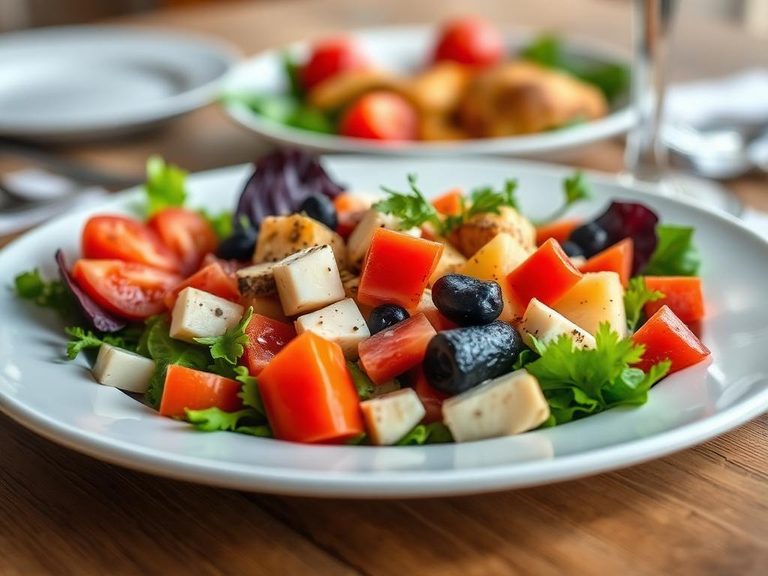
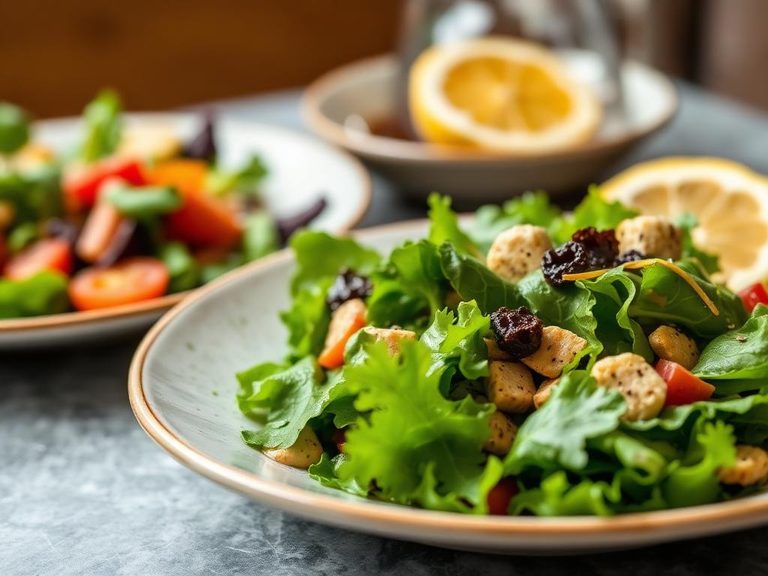
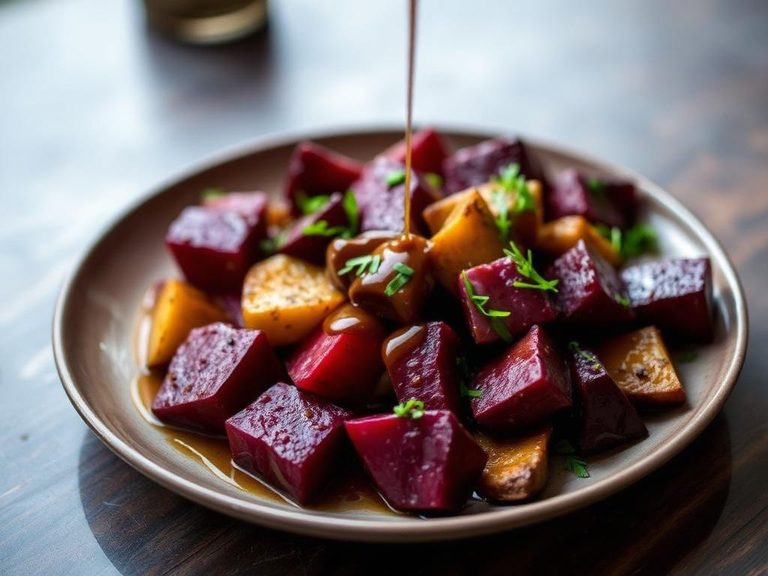
People cherish walnut oil for its intense, pure walnut flavor that can elevate a simple salad or finish a roasted vegetable dish. It's a finishing oil, prized for adding a layer of sophisticated, nutty depth that cooking would destroy.
⚠️ Watch-outs & how to enjoy it better
It is extremely high in calories and pure fat, so portion control is essential for those managing weight. The oil is also highly sensitive to heat and light, going rancid quickly; it should be stored in the dark and used within a few months of opening. To counteract the calorie density, use it sparingly as a flavor enhancer, not a primary cooking fat, and pair it with dishes high in fiber or protein to promote satiety.
Key benefits
- Rich in alpha-linolenic acid (ALA), a plant-based omega-3 fatty acid.
- High in polyunsaturated fats, which can support heart health.
- Contains antioxidants like polyphenols and vitamin E.
- Adds a distinct, nutty flavor to dishes without cooking.
- A traditional ingredient in certain European and Asian cuisines.
🍽️ Popular dishes



🌍 Where it's eaten
💡 Did you know?
To preserve its delicate flavor, traditional walnut oil production in regions like the Périgord in France often involves toasting the walnut kernels before pressing, which deepens the nutty aroma.
Full nutrition (USDA data · scales with serving)
| Water | 0.00 g |
| Energy | 884 kcal |
| Protein | 0.00 g |
| Total lipid (fat) | 100 g |
| Carbohydrate, by difference | 0.00 g |
| Fiber, total dietary | 0.00 g |
| Total Sugars | 0.00 g |
| Calcium, Ca | 0.00 mg |
| Iron, Fe | 0.00 mg |
| Magnesium, Mg | 0.00 mg |
| Phosphorus, P | 0.00 mg |
| Potassium, K | 0.00 mg |
| Sodium, Na | 0.00 mg |
| Zinc, Zn | 0.00 mg |
| Copper, Cu | 0.00 mg |
| Selenium, Se | 0.00 ug |
| Vitamin C, total ascorbic acid | 0.00 mg |
| Thiamin | 0.00 mg |
| Riboflavin | 0.00 mg |
| Niacin | 0.00 mg |
| Vitamin B-6 | 0.00 mg |
| Folate, total | 0.00 ug |
| Folic acid | 0.00 ug |
| Folate, food | 0.00 ug |
| Folate, DFE | 0.00 ug |
| Choline, total | 0.40 mg |
| Vitamin B-12 | 0.00 ug |
| Vitamin B-12, added | 0.00 ug |
| Vitamin A, RAE | 0.00 ug |
| Retinol | 0.00 ug |
| Carotene, beta | 0.00 ug |
| Carotene, alpha | 0.00 ug |
| Cryptoxanthin, beta | 0.00 ug |
| Lycopene | 0.00 ug |
| Lutein + zeaxanthin | 0.00 ug |
| Vitamin E (alpha-tocopherol) | 0.40 mg |
| Vitamin E, added | 0.00 mg |
| Vitamin D (D2 + D3) | 0.00 ug |
| Vitamin K (phylloquinone) | 15.0 ug |
| Alcohol, ethyl | 0.00 g |
| Caffeine | 0.00 mg |
| Theobromine | 0.00 mg |
Fat & fatty acid profile (per 100g)
| Fatty acids, total saturated | 9.1 g |
| SFA 4:0 | 0.00 g |
| SFA 6:0 | 0.00 g |
| SFA 8:0 | 0.00 g |
| SFA 10:0 | 0.00 g |
| SFA 12:0 | 0.00 g |
| SFA 14:0 | 0.00 g |
| SFA 16:0 | 7.0 g |
| SFA 18:0 | 2.0 g |
| Fatty acids, total monounsaturated | 22.8 g |
| MUFA 16:1 | 0.10 g |
| MUFA 18:1 | 22.2 g |
| MUFA 20:1 | 0.40 g |
| MUFA 22:1 | 0.00 g |
| Fatty acids, total polyunsaturated | 63.3 g |
| PUFA 18:2 | 52.9 g |
| PUFA 18:3 | 10.4 g |
| PUFA 18:4 | 0.00 g |
| PUFA 20:4 | 0.00 g |
| PUFA 20:5 n-3 (EPA) | 0.00 g |
| PUFA 22:5 n-3 (DPA) | 0.00 g |
| PUFA 22:6 n-3 (DHA) | 0.00 g |
| Cholesterol | 0.00 mg |
Amino acid profile (per 100g)
Estimated from Oil, walnut — USDA does not publish this profile for Walnut oil.
| Tryptophan | 0.00 g |
| Threonine | 0.00 g |
| Isoleucine | 0.00 g |
| Leucine | 0.00 g |
| Lysine | 0.00 g |
| Methionine | 0.00 g |
| Cystine | 0.00 g |
| Phenylalanine | 0.00 g |
| Tyrosine | 0.00 g |
| Valine | 0.00 g |
| Arginine | 0.00 g |
| Histidine | 0.00 g |
| Alanine | 0.00 g |
| Aspartic acid | 0.00 g |
| Glutamic acid | 0.00 g |
| Glycine | 0.00 g |
| Proline | 0.00 g |
| Serine | 0.00 g |
FAQ
Can I cook with walnut oil?
It's not recommended for high-heat cooking like frying. Its delicate polyunsaturated fats break down easily, destroying the flavor and creating off-flavors. Use it as a finishing oil or for very low-heat sautéing.
How do I store it properly?
Store it in a dark, cool place (like a pantry) or, even better, in the refrigerator. Always keep the bottle tightly sealed and use it within 3-6 months for the best flavor.
What's the difference between walnut oil and toasted walnut oil?
Regular (untoasted) walnut oil has a lighter, more delicate nut flavor. Toasted walnut oil is made from kernels that have been roasted first, giving it a much deeper, richer, and more pronounced roasted walnut taste.
Nutrient density (calculated · NRF9.3)
Nutrient Rich Foods index: beneficial nutrients (protein, fiber, vitamins, minerals) minus saturated fat, added sugar & sodium, per 100 kcal.
NRF9.3 index — Fulgoni, Keast & Drewnowski, 2009. Computed from USDA nutrients.
Weight-loss friendliness (composite index)
Energy density 8.84 kcal/g · 0% calories from protein · 0.0 g fiber · 0.0 g sugar per 100 g.
Composite of energy density (Rolls et al., 1999), protein & fiber satiety, minus sugar. A calculated heuristic — ranks satiety-per-calorie, not a clinical measure.
Dietary load (calculated from USDA values)
Potential renal acid load. Positive = acid-forming, negative = alkaline-forming.
Sodium:potassium per WHO potassium guidance. Computed from USDA nutrients.