

In some Chinese cold noodle dressings
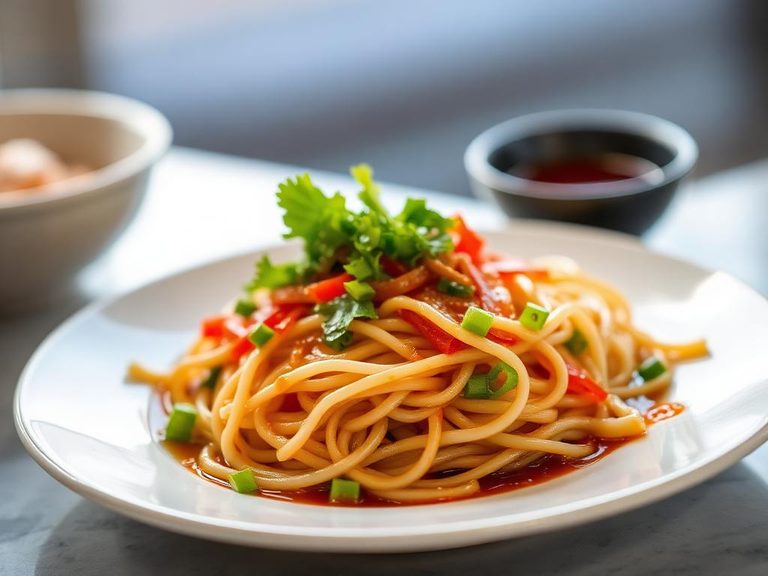
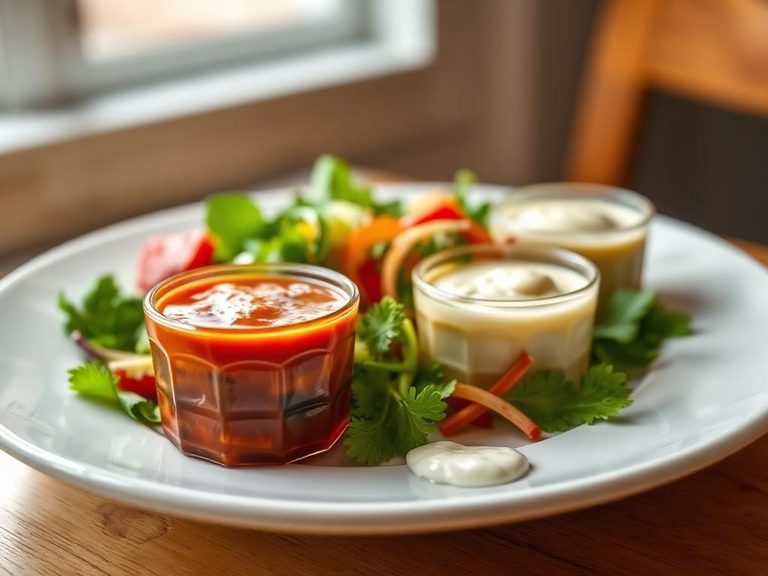
Chinese cold noodle dressings are versatile, flavor-packed sauces and condiments used to toss with chilled noodles, typically made from a base of soy sauce, vinegar, sesame oil, garlic, and chili oil. They are a staple in northern Chinese cuisine, especially in dishes like Liangpi (cold skin noodles) and Sichuan-style cold noodles, and are designed to be refreshing and tangy.
🍽️ Nutrition at a glance
These dressings are generally high in sodium and fat (from sesame or chili oil) but low in protein and carbohydrates, providing a burst of flavor with minimal calories per serving. Key nutrients include small amounts of iron and antioxidants from garlic and chili, with a typical 2-tablespoon serving containing around 80-120 kcal.
Nutrition breakdown
| Calories | 100 kcal |
| Protein | 1 g |
| Carbs | 3 g |
| Fat | 9 g |
| Fiber | 0.5 g |
| Sugar | 1 g |
| Sodium | 800 mg |
| Iron | 0.5 mg |
| Potassium | 50 mg |
| Vitamin C | 2 mg |
| Manganese | 0.3 mg |
| Selenium | 1 mcg |
| Vitamin B6 | 0.05 mg |
| Magnesium | 10 mg |
| Phosphorus | 20 mg |
Per 2 tablespoons (30 g) · estimated, varies by recipe
💡 What's interesting
Culturally, these dressings embody the Chinese culinary principle of balancing flavors—salty, sour, spicy, and savory—to create a complex taste profile that enhances simple noodles. Nutritionally, ingredients like vinegar and garlic are believed to aid digestion, making the dish a popular choice in hot weather for its cooling and appetizing properties.
🍽️ Related dishes
AI estimate may be inaccurate · Terms