

Veal, Australian, separable fat, raw
Whole food · Lamb, Veal, and Game Products

Photo: Wikipedia
Veal separable fat is the pure, rendered-ready fat trimmed from Australian veal, prized for its clean, buttery flavor and soft, waxy texture when raw. It is almost entirely lipid, offering a calorie-dense energy source with virtually no protein or carbohydrates. In cooking, it melts into a rich, silky base that imparts a subtle, savory depth to dishes.
Calorie split: 8% protein · 0% carbs · 92% fat
↓ Full nutrition💚 Why it's loved
Cooks and chefs value veal fat for its ability to enhance the richness and complexity of dishes without overpowering the primary ingredients. Its clean, mild flavor makes it a versatile fat for rendering, sautéing, or enriching sauces, especially in European and Mediterranean cuisines.
⚠️ Watch-outs & how to enjoy it better
As a nearly pure fat, it is extremely calorie-dense and can contribute to excessive saturated fat intake if not portion-controlled. To mitigate this, use it sparingly as a flavor enhancer rather than a primary cooking fat, and balance meals with fiber-rich vegetables and lean proteins.
Key benefits
- High in monounsaturated fats, which support heart health when consumed in moderation.
- Provides a concentrated source of energy for high-calorie dietary needs.
- Adds a smooth, rich mouthfeel and flavor to sauces and braises.
- Can be rendered into tallow for high-heat cooking or baking.
- Low in carbohydrates, making it suitable for ketogenic and carnivore diets.
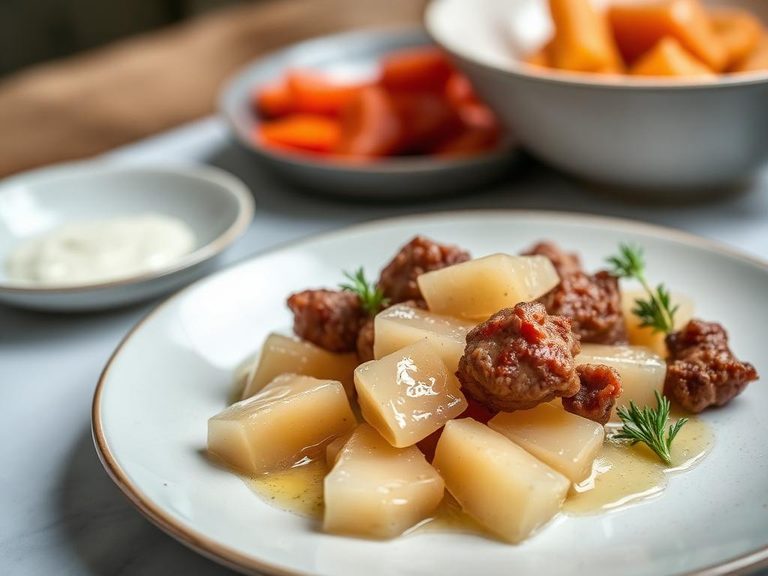
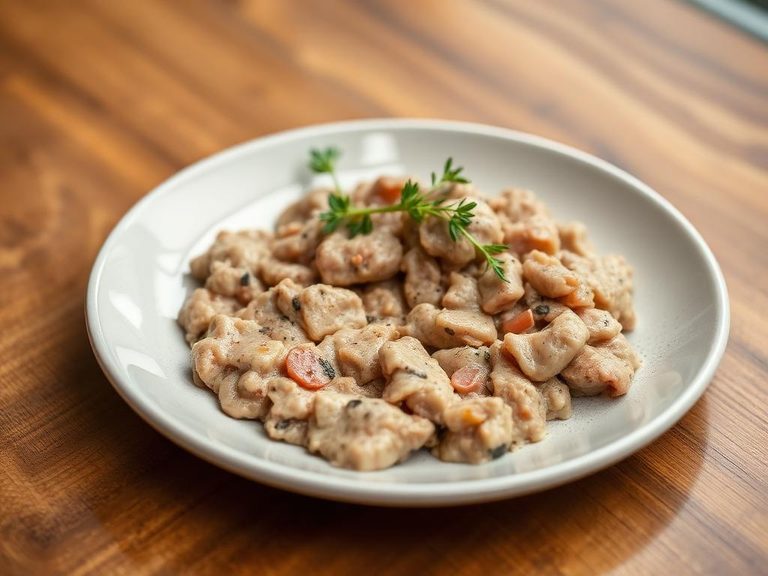
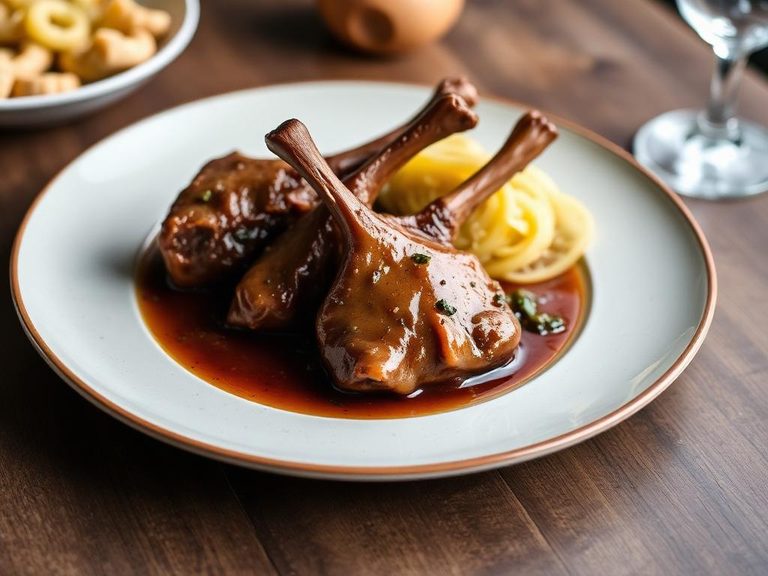
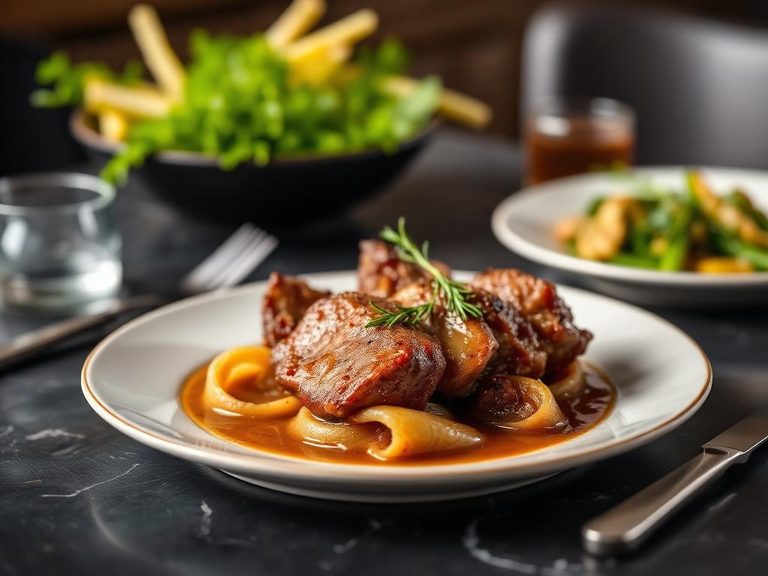
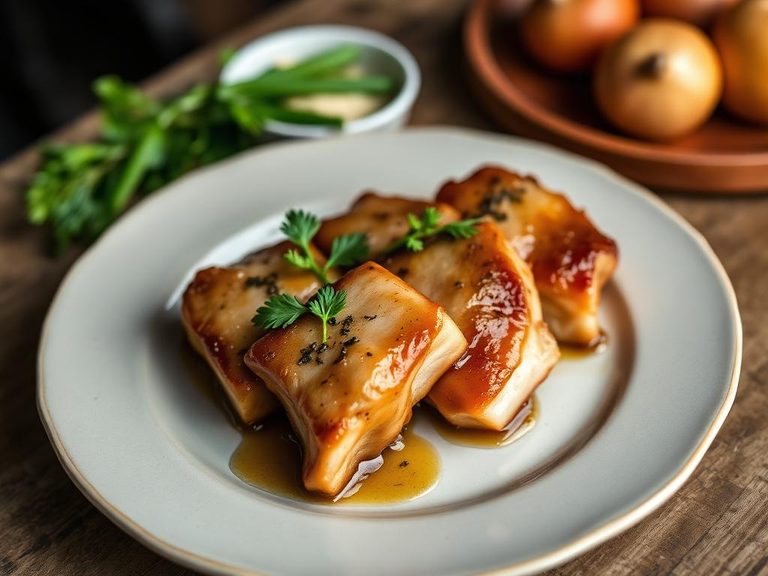
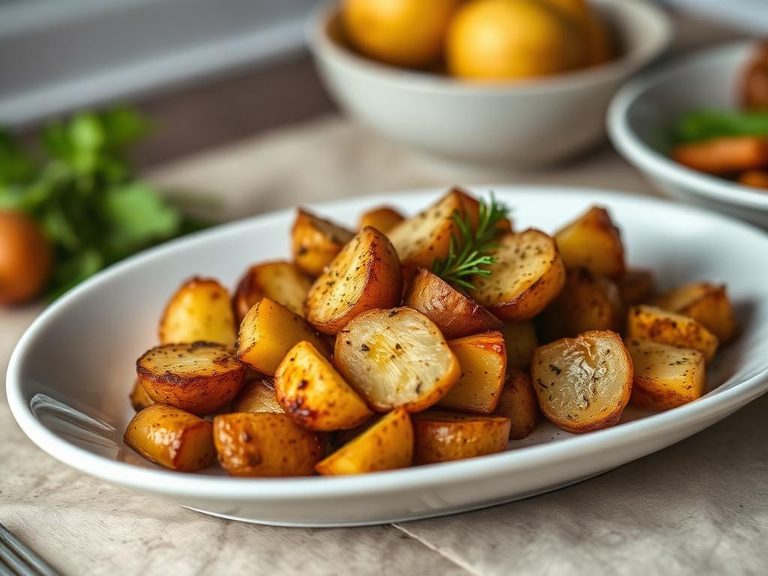
🍽️ Popular dishes
🌍 Where it's eaten
💡 Did you know?
Veal fat has a melting point of around 45°C (113°F), making it ideal for creating a smooth, stable emulsion in classic French sauces like béarnaise.
Full nutrition (USDA data · scales with serving)
| Water | 38.1 g |
| Energy | 509 kcal |
| Energy | 2130 kj |
| Protein | 9.9 g |
| Total lipid (fat) | 52.2 g |
| Ash | 0.50 g |
| Carbohydrate, by difference | 0.00 g |
| Fiber, total dietary | 0.00 g |
| Total Sugars | 0.00 g |
| Sucrose | 0.00 g |
| Glucose | 0.00 g |
| Fructose | 0.00 g |
| Lactose | 0.00 g |
| Maltose | 0.00 g |
| Galactose | 0.00 g |
| Calcium, Ca | 2.0 mg |
| Iron, Fe | 0.93 mg |
| Sodium, Na | 44.0 mg |
| Vitamin C, total ascorbic acid | 0.00 mg |
| Vitamin A, RAE | 42.0 ug |
| Retinol | 42.0 ug |
| Vitamin A, IU | 141 iu |
Fat & fatty acid profile (per 100g)
| Fatty acids, total saturated | 23.6 g |
| SFA 10:0 | 0.03 g |
| SFA 12:0 | 0.08 g |
| SFA 14:0 | 2.2 g |
| SFA 15:0 | 0.39 g |
| SFA 16:0 | 12.3 g |
| SFA 17:0 | 0.63 g |
| SFA 18:0 | 7.8 g |
| SFA 20:0 | 0.07 g |
| SFA 22:0 | 0.05 g |
| SFA 24:0 | 0.01 g |
| Fatty acids, total monounsaturated | 20.8 g |
| MUFA 14:1 | 0.54 g |
| MUFA 16:1 | 1.5 g |
| MUFA 18:1 | 18.7 g |
| MUFA 18:1 c | 16.3 g |
| MUFA 18:1-11 t (18:1t n-7) | 1.9 g |
| MUFA 20:1 | 0.05 g |
| Fatty acids, total polyunsaturated | 1.7 g |
| PUFA 18:2 | 1.2 g |
| PUFA 18:2 n-6 c,c | 0.43 g |
| PUFA 18:3 | 0.33 g |
| PUFA 18:3 n-3 c,c,c (ALA) | 0.24 g |
| PUFA 18:3i | 0.09 g |
| PUFA 18:4 | 0.03 g |
| PUFA 20:2 n-6 c,c | 0.01 g |
| PUFA 20:3 | 0.01 g |
| PUFA 20:4 | 0.03 g |
| PUFA 20:5 n-3 (EPA) | 0.02 g |
| PUFA 22:5 n-3 (DPA) | 0.07 g |
| Fatty acids, total trans | 3.2 g |
| Fatty acids, total trans-monoenoic | 2.4 g |
| TFA 18:1 t | 2.4 g |
| TFA 18:2 t not further defined | 0.74 g |
| Fatty acids, total trans-polyenoic | 0.83 g |
| Cholesterol | 66.0 mg |
Amino acid profile (per 100g)
Estimated from Veal, Australian, rib, rib roast, separable lean only, raw — USDA does not publish this profile for Veal.
| Tryptophan | 0.22 g |
| Threonine | 0.95 g |
| Isoleucine | 1.1 g |
| Leucine | 1.7 g |
| Lysine | 1.8 g |
| Methionine | 0.51 g |
| Cystine | 0.24 g |
| Phenylalanine | 0.88 g |
| Tyrosine | 0.69 g |
| Valine | 1.2 g |
| Arginine | 1.3 g |
| Histidine | 0.79 g |
| Alanine | 1.3 g |
| Aspartic acid | 1.9 g |
| Glutamic acid | 3.4 g |
| Glycine | 1.1 g |
| Proline | 0.91 g |
| Serine | 0.81 g |
| Hydroxyproline | 0.11 g |
FAQ
Is veal fat the same as beef tallow?
While both are rendered animal fats, veal fat is typically lighter in color and has a milder, more delicate flavor compared to mature beef tallow.
Can I use veal fat for baking?
Yes, rendered veal fat can be used in place of butter or lard in some baking recipes, adding a rich, savory note to pastries or pie crusts.
How should I store raw veal fat?
Keep it refrigerated in an airtight container for up to 3 days, or freeze it for longer storage. Render it into tallow for a shelf-stable option.
Nutrient density (calculated · NRF9.3)
Nutrient Rich Foods index: beneficial nutrients (protein, fiber, vitamins, minerals) minus saturated fat, added sugar & sodium, per 100 kcal.
NRF9.3 index — Fulgoni, Keast & Drewnowski, 2009. Computed from USDA nutrients.
Weight-loss friendliness (composite index)
Energy density 5.09 kcal/g · 8% calories from protein · 0.0 g fiber · 0.0 g sugar per 100 g.
Composite of energy density (Rolls et al., 1999), protein & fiber satiety, minus sugar. A calculated heuristic — ranks satiety-per-calorie, not a clinical measure.