

Tuna salad, made with light Italian dressing
Common food

Photo: Wikipedia
A light, protein-packed salad where tender flakes of tuna are tossed in a zesty, oil-free Italian dressing, creating a bright, tangy flavor with a satisfying, chunky texture. It's a standout for being remarkably low in calories and fat while delivering a solid protein punch, making it a lean, flavorful choice for a quick meal or topping.
Calorie split: 51% protein · 26% carbs · 23% fat
↓ Full nutrition💚 Why it's loved
People love it for its convenient, high-protein profile that feels indulgent without heaviness, and its tangy, herbaceous dressing that elevates canned tuna into a vibrant, satisfying dish. It's a staple for quick lunches and a nostalgic comfort food for many.
⚠️ Watch-outs & how to enjoy it better
The primary concern is potential high sodium content from both the canned tuna and the dressing, which can be an issue for those monitoring blood pressure. To counteract, choose low-sodium tuna, rinse it, and mix your own dressing with less salt. Additionally, those with fish allergies must avoid it entirely.
Key benefits
- Excellent source of lean protein for muscle maintenance.
- Very low in fat and calories, supporting weight management.
- Provides a good dose of selenium and B vitamins from tuna.
- Quick, no-cook meal prep option.
- Versatile base for wraps, sandwiches, or salads.
🍽️ Popular dishes
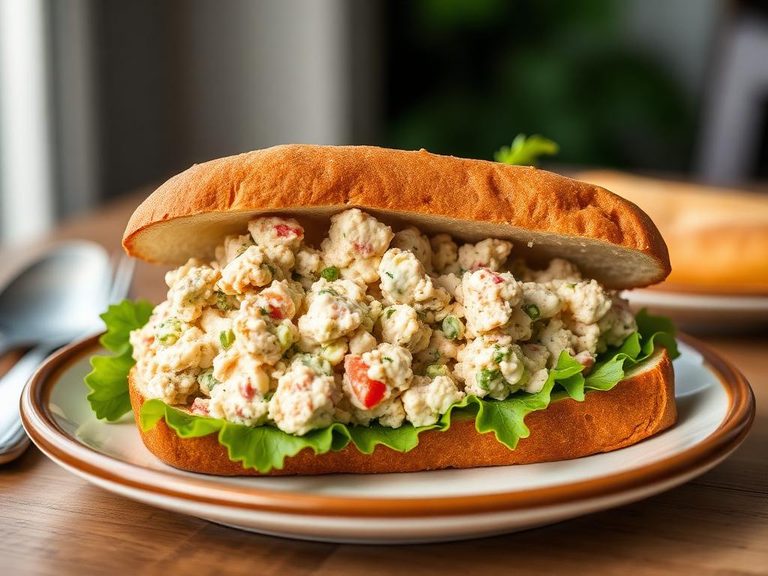
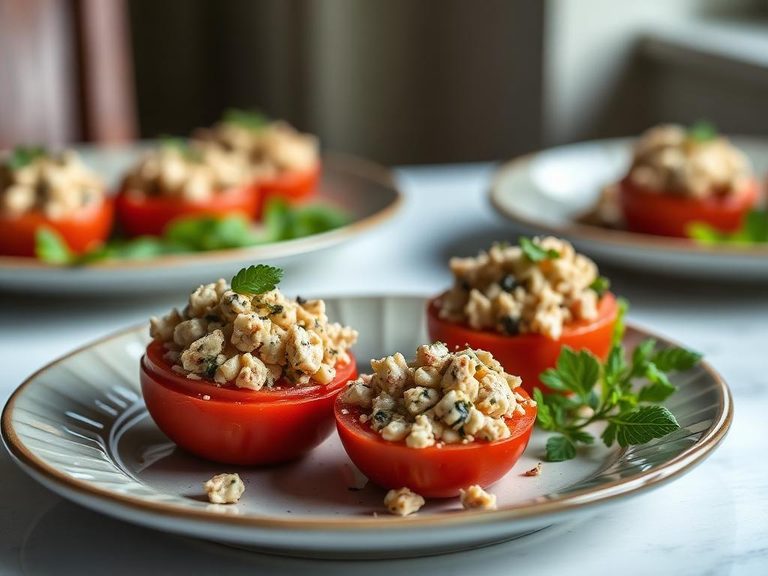

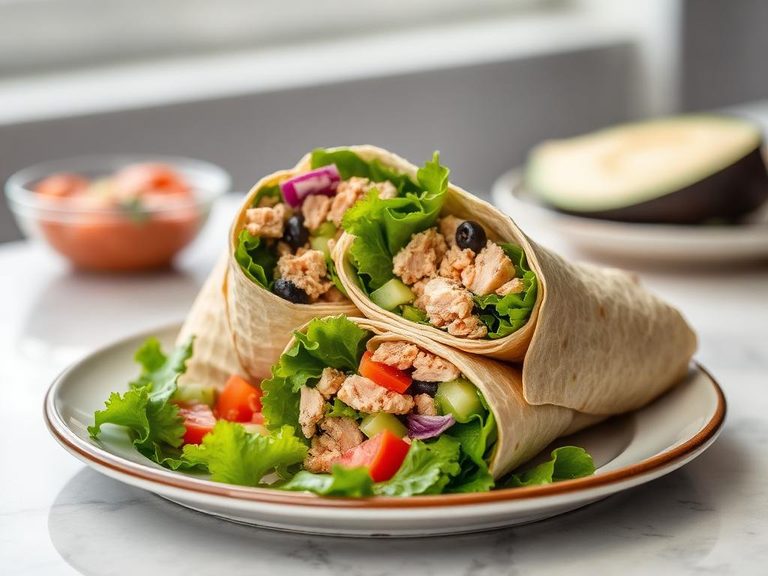
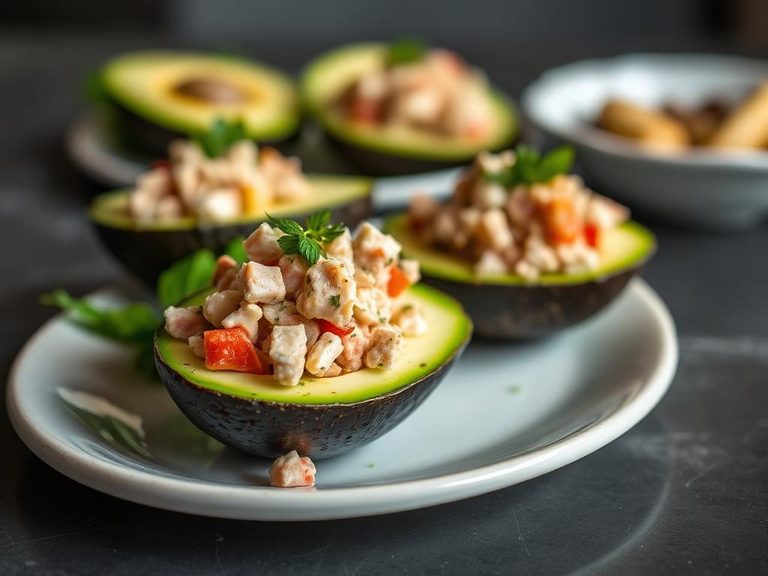
🌍 Where it's eaten
💡 Did you know?
The classic 'tuna salad' as a sandwich filling became a widespread American staple in the early 20th century, coinciding with the rise of commercial canning technology that made tuna affordable and shelf-stable.
Full nutrition (USDA data · scales with serving)
| Water | 81.6 g |
| Energy | 76.0 kcal |
| Protein | 9.8 g |
| Total lipid (fat) | 2.0 g |
| Carbohydrate, by difference | 4.9 g |
| Fiber, total dietary | 0.40 g |
| Total Sugars | 3.9 g |
| Calcium, Ca | 23.0 mg |
| Iron, Fe | 0.94 mg |
| Magnesium, Mg | 15.0 mg |
| Phosphorus, P | 77.0 mg |
| Potassium, K | 168 mg |
| Sodium, Na | 478 mg |
| Zinc, Zn | 0.37 mg |
| Copper, Cu | 0.03 mg |
| Selenium, Se | 34.5 ug |
| Vitamin C, total ascorbic acid | 0.70 mg |
| Thiamin | 0.02 mg |
| Riboflavin | 0.06 mg |
| Niacin | 5.1 mg |
| Vitamin B-6 | 0.18 mg |
| Folate, total | 11.0 ug |
| Folic acid | 0.00 ug |
| Folate, food | 11.0 ug |
| Folate, DFE | 11.0 ug |
| Choline, total | 17.1 mg |
| Vitamin B-12 | 1.3 ug |
| Vitamin B-12, added | 0.00 ug |
| Vitamin A, RAE | 17.0 ug |
| Retinol | 9.0 ug |
| Carotene, beta | 90.0 ug |
| Carotene, alpha | 7.0 ug |
| Cryptoxanthin, beta | 17.0 ug |
| Lycopene | 0.00 ug |
| Lutein + zeaxanthin | 77.0 ug |
| Vitamin E (alpha-tocopherol) | 1.2 mg |
| Vitamin E, added | 0.00 mg |
| Vitamin D (D2 + D3) | 0.60 ug |
| Vitamin K (phylloquinone) | 13.9 ug |
| Alcohol, ethyl | 0.00 g |
| Caffeine | 0.00 mg |
| Theobromine | 0.00 mg |
Fat & fatty acid profile (per 100g)
| Fatty acids, total saturated | 0.31 g |
| SFA 4:0 | 0.00 g |
| SFA 6:0 | 0.00 g |
| SFA 8:0 | 0.00 g |
| SFA 10:0 | 0.00 g |
| SFA 12:0 | 0.00 g |
| SFA 14:0 | 0.01 g |
| SFA 16:0 | 0.20 g |
| SFA 18:0 | 0.08 g |
| Fatty acids, total monounsaturated | 0.45 g |
| MUFA 16:1 | 0.01 g |
| MUFA 18:1 | 0.42 g |
| MUFA 20:1 | 0.01 g |
| MUFA 22:1 | 0.01 g |
| Fatty acids, total polyunsaturated | 0.86 g |
| PUFA 18:2 | 0.64 g |
| PUFA 18:3 | 0.10 g |
| PUFA 18:4 | 0.00 g |
| PUFA 20:4 | 0.01 g |
| PUFA 20:5 n-3 (EPA) | 0.01 g |
| PUFA 22:5 n-3 (DPA) | 0.00 g |
| PUFA 22:6 n-3 (DHA) | 0.10 g |
| Cholesterol | 18.0 mg |
Amino acid profile (per 100g)
Estimated from Fish, tuna salad — USDA does not publish this profile for Tuna salad.
| Tryptophan | 0.18 g |
| Threonine | 0.70 g |
| Isoleucine | 0.74 g |
| Leucine | 1.3 g |
| Lysine | 1.5 g |
| Methionine | 0.47 g |
| Cystine | 0.17 g |
| Phenylalanine | 0.63 g |
| Tyrosine | 0.54 g |
| Valine | 0.82 g |
| Arginine | 0.97 g |
| Histidine | 0.47 g |
| Alanine | 0.96 g |
| Aspartic acid | 1.6 g |
| Glutamic acid | 2.4 g |
| Glycine | 0.77 g |
| Proline | 0.56 g |
| Serine | 0.66 g |
FAQ
How is this different from classic mayonnaise-based tuna salad?
The key difference is the dressing. This version uses light Italian dressing, resulting in a much lower fat and calorie count with a tangy, herb-forward flavor profile, as opposed to the rich, creamy texture of a mayo-based salad.
Can I use fresh tuna instead of canned?
While you can, the texture and flavor will be very different. Canned tuna is traditionally used for its flaky, tender texture and salty, preserved taste that pairs well with the dressing. Fresh tuna would need to be cooked, cooled, and flaked, creating a more steak-like salad.
Is this a good option for a low-carb diet?
Yes, it's an excellent low-carb choice. With under 5g of carbs per 100g and most of that being natural sugars, it fits well into keto and low-carb meal plans, especially when served over greens or in a lettuce wrap.
Nutrient density (calculated · NRF9.3)
Nutrient Rich Foods index: beneficial nutrients (protein, fiber, vitamins, minerals) minus saturated fat, added sugar & sodium, per 100 kcal.
NRF9.3 index — Fulgoni, Keast & Drewnowski, 2009. Computed from USDA nutrients.
Weight-loss friendliness (composite index)
Energy density 0.76 kcal/g · 51% calories from protein · 0.4 g fiber · 3.9 g sugar per 100 g.
Composite of energy density (Rolls et al., 1999), protein & fiber satiety, minus sugar. A calculated heuristic — ranks satiety-per-calorie, not a clinical measure.
Dietary load (calculated from USDA values)
Potential renal acid load. Positive = acid-forming, negative = alkaline-forming.
Sodium-to-potassium ratio: 2.85 (lower is better — aim for ≤ 1)
Sodium:potassium per WHO potassium guidance. Computed from USDA nutrients.