

Sugar substitute, powder, NFS
Common food

Photo: Wikipedia
This is a fine, free-flowing powder designed to mimic the sweetness of table sugar, often used as a direct 1:1 replacement in recipes and beverages. It typically has a clean, sweet taste without a bitter aftertaste, dissolving easily in liquids. Nutritionally, it provides a significant carbohydrate and sugar load per 100g, similar to sucrose.
Calorie split: 1% protein · 99% carbs · 0% fat
↓ Full nutrition💚 Why it's loved
People love it for its ability to deliver familiar sweetness in a convenient, shelf-stable powder form, making it a staple for quick beverages, baking, and food manufacturing. Its versatility allows it to be used in everything from morning coffee to complex dessert formulations.
⚠️ Watch-outs & how to enjoy it better
Despite being a 'substitute,' its high carbohydrate and sugar content means it can still contribute to blood-sugar spikes and provides calories similar to sugar. It offers no fiber or protein to slow absorption. To counteract this, use it sparingly, pair it with protein or healthy fats (like nuts or yogurt), and be mindful of total daily intake.
Key benefits
- Provides sweetness without fat
- Often used in calorie-controlled or sugar-restricted diets
- Dissolves readily in hot and cold liquids
- Can be used in baking for texture and browning
- Offers a consistent sweetness profile
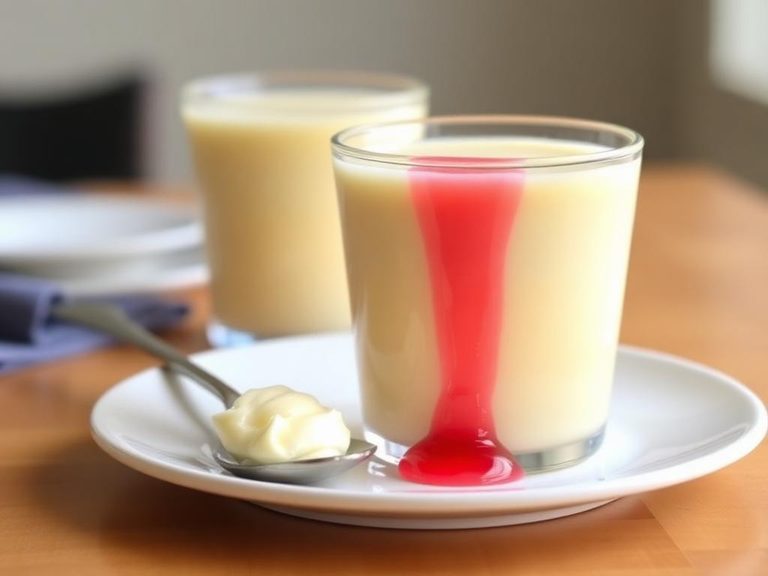
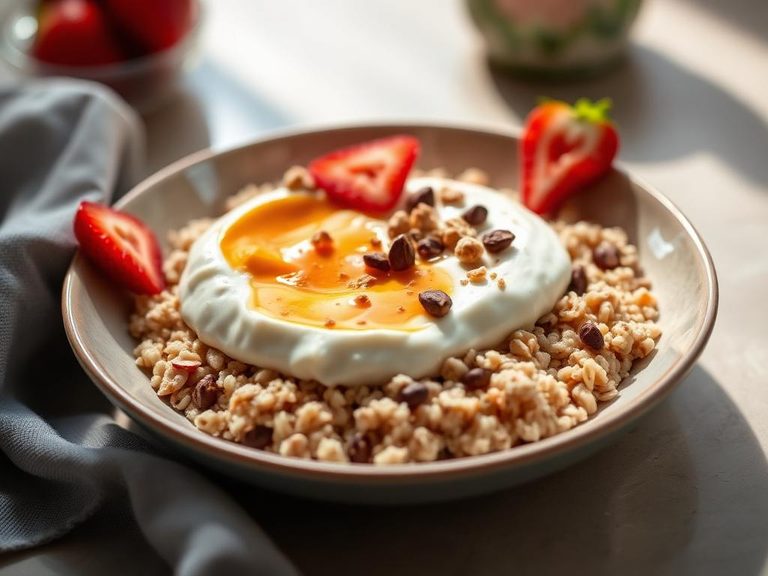
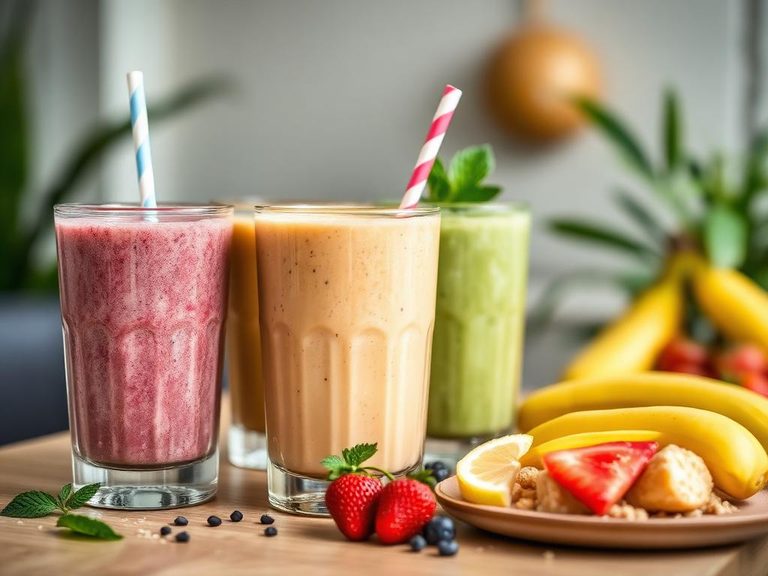
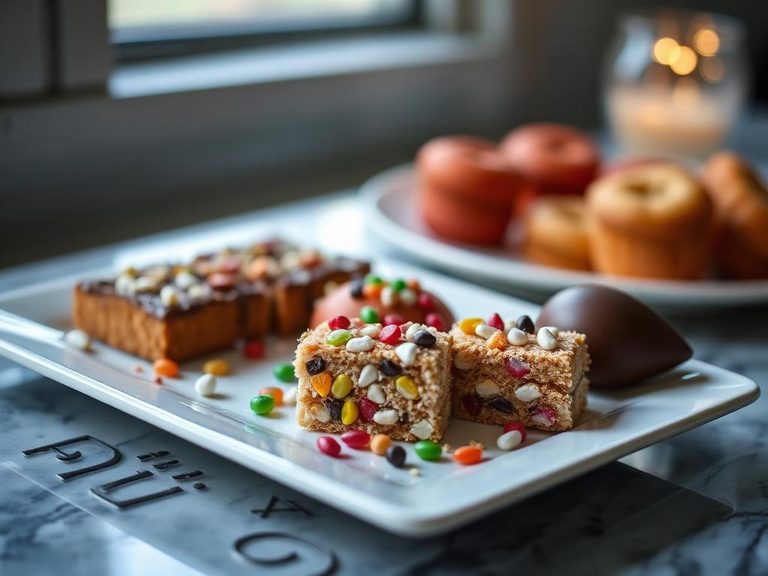
🍽️ Popular dishes


🌍 Where it's eaten
💡 Did you know?
Many 'sugar substitutes' are actually bulk sweeteners like maltodextrin or dextrose, which are derived from corn starch and have a glycemic index as high or higher than table sugar.
Full nutrition (USDA data · scales with serving)
| Water | 8.8 g |
| Energy | 349 kcal |
| Protein | 0.66 g |
| Total lipid (fat) | 0.00 g |
| Carbohydrate, by difference | 90.1 g |
| Fiber, total dietary | 0.00 g |
| Total Sugars | 82.1 g |
| Calcium, Ca | 0.00 mg |
| Iron, Fe | 0.02 mg |
| Magnesium, Mg | 0.00 mg |
| Phosphorus, P | 0.00 mg |
| Potassium, K | 4.0 mg |
| Sodium, Na | 150 mg |
| Zinc, Zn | 0.00 mg |
| Copper, Cu | 0.00 mg |
| Selenium, Se | 0.10 ug |
| Vitamin C, total ascorbic acid | 0.00 mg |
| Thiamin | 0.00 mg |
| Riboflavin | 0.00 mg |
| Niacin | 0.00 mg |
| Vitamin B-6 | 0.00 mg |
| Folate, total | 0.00 ug |
| Folic acid | 0.00 ug |
| Folate, food | 0.00 ug |
| Folate, DFE | 0.00 ug |
| Choline, total | 0.00 mg |
| Vitamin B-12 | 0.00 ug |
| Vitamin B-12, added | 0.00 ug |
| Vitamin A, RAE | 0.00 ug |
| Retinol | 0.00 ug |
| Carotene, beta | 0.00 ug |
| Carotene, alpha | 0.00 ug |
| Cryptoxanthin, beta | 0.00 ug |
| Lycopene | 0.00 ug |
| Lutein + zeaxanthin | 0.00 ug |
| Vitamin E (alpha-tocopherol) | 0.00 mg |
| Vitamin E, added | 0.00 mg |
| Vitamin D (D2 + D3) | 0.00 ug |
| Vitamin K (phylloquinone) | 0.00 ug |
| Alcohol, ethyl | 0.00 g |
| Caffeine | 0.00 mg |
| Theobromine | 0.00 mg |
Fat & fatty acid profile (per 100g)
| Fatty acids, total saturated | 0.00 g |
| SFA 4:0 | 0.00 g |
| SFA 6:0 | 0.00 g |
| SFA 8:0 | 0.00 g |
| SFA 10:0 | 0.00 g |
| SFA 12:0 | 0.00 g |
| SFA 14:0 | 0.00 g |
| SFA 16:0 | 0.00 g |
| SFA 18:0 | 0.00 g |
| Fatty acids, total monounsaturated | 0.00 g |
| MUFA 16:1 | 0.00 g |
| MUFA 18:1 | 0.00 g |
| MUFA 20:1 | 0.00 g |
| MUFA 22:1 | 0.00 g |
| Fatty acids, total polyunsaturated | 0.00 g |
| PUFA 18:2 | 0.00 g |
| PUFA 18:3 | 0.00 g |
| PUFA 18:4 | 0.00 g |
| PUFA 20:4 | 0.00 g |
| PUFA 20:5 n-3 (EPA) | 0.00 g |
| PUFA 22:5 n-3 (DPA) | 0.00 g |
| PUFA 22:6 n-3 (DHA) | 0.00 g |
| Cholesterol | 0.00 mg |
Amino acid profile (per 100g)
Estimated from Beverages, coffee substitute, cereal grain beverage, powder, prepared with whole milk — USDA does not publish this profile for Sugar substitute.
| Tryptophan | 0.05 g |
| Threonine | 0.15 g |
| Isoleucine | 0.20 g |
| Leucine | 0.32 g |
| Lysine | 0.26 g |
| Methionine | 0.08 g |
| Cystine | 0.03 g |
| Phenylalanine | 0.16 g |
| Tyrosine | 0.16 g |
| Valine | 0.22 g |
| Arginine | 0.12 g |
| Histidine | 0.09 g |
| Alanine | 0.12 g |
| Aspartic acid | 0.25 g |
| Glutamic acid | 0.69 g |
| Glycine | 0.07 g |
| Proline | 0.32 g |
| Serine | 0.18 g |
FAQ
Is this the same as artificial sweeteners like aspartame?
No. This is a bulk sugar substitute, meaning it's used in similar quantities as sugar and provides carbohydrates. Artificial sweeteners are used in tiny amounts and are often many times sweeter.
Can I use it in all my baking recipes?
It can often replace sugar 1:1 by weight, but sugar does more than sweeten—it adds moisture, aids browning, and tenderizes. You may need to adjust other ingredients like liquid or fat for best results.
Why is the sugar content so high if it's a substitute?
Many substitutes are made from sugars like dextrose or maltodextrin, which are carbohydrates that the body processes similarly to table sugar, hence the high sugar gram count on the label.
Nutrient density (calculated · NRF9.3)
Nutrient Rich Foods index: beneficial nutrients (protein, fiber, vitamins, minerals) minus saturated fat, added sugar & sodium, per 100 kcal.
NRF9.3 index — Fulgoni, Keast & Drewnowski, 2009. Computed from USDA nutrients.
Weight-loss friendliness (composite index)
Energy density 3.49 kcal/g · 1% calories from protein · 0.0 g fiber · 82.1 g sugar per 100 g.
Composite of energy density (Rolls et al., 1999), protein & fiber satiety, minus sugar. A calculated heuristic — ranks satiety-per-calorie, not a clinical measure.
Dietary load (calculated from USDA values)
Potential renal acid load. Positive = acid-forming, negative = alkaline-forming.
Sodium-to-potassium ratio: 37.50 (lower is better — aim for ≤ 1)
Sodium:potassium per WHO potassium guidance. Computed from USDA nutrients.