Baked goods like cookies and cakes
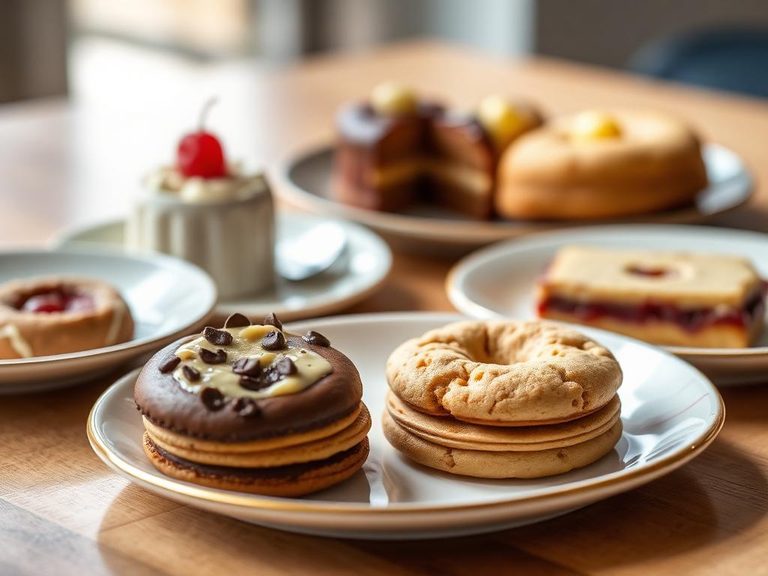
Baked goods like cookies and cakes are sweet, flour-based treats made by baking dough or batter. They typically use flour, sugar, butter or oil, and eggs as core ingredients, with countless variations for flavor and texture. These treats have roots in ancient culinary traditions but became widespread in Europe and North America with the rise of modern ovens and baking powder.
🍽️ Nutrition at a glance
These foods are generally high in carbohydrates and fats, with moderate amounts of protein. They provide quick energy from sugars and starches, along with some B vitamins and minerals like iron from fortified flour.
Nutrition breakdown
| Calories | 150 kcal |
| Protein | 2 g |
| Carbs | 22 g |
| Fat | 7 g |
| Fiber | 0.5 g |
| Sugar | 12 g |
| Sodium | 100 mg |
| Iron | 1.2 mg |
| Thiamin (B1) | 0.1 mg |
| Folate | 30 mcg |
| Calcium | 20 mg |
| Potassium | 45 mg |
| Magnesium | 8 mg |
| Phosphorus | 35 mg |
| Selenium | 4 mcg |
Per 1 medium cookie (about 30 g) or 1 small slice of cake (about 80 g) · estimated, varies by recipe
💡 What's interesting
Baking is a precise science where ingredient ratios and oven temperatures create chemical reactions for rise and texture. Nutritionally, they are energy-dense comfort foods often associated with celebrations and emotional well-being.
🍽️ Related dishes
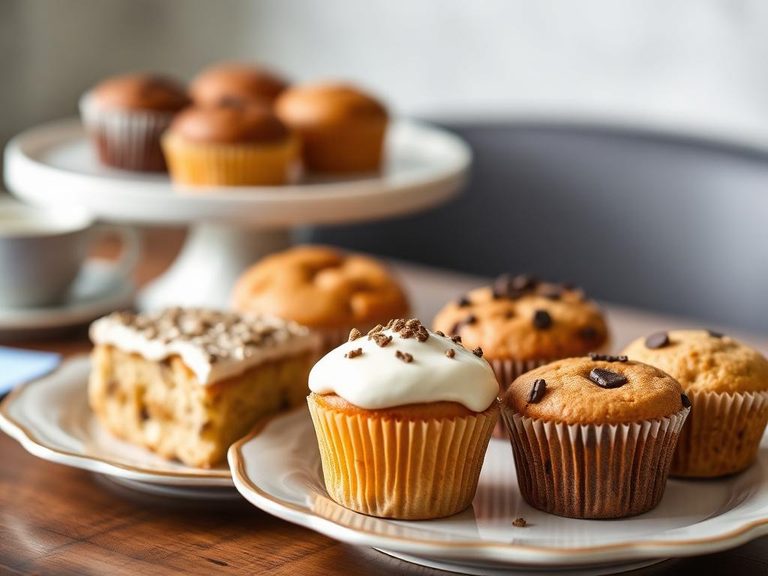 Baked goods like cakes and muffins
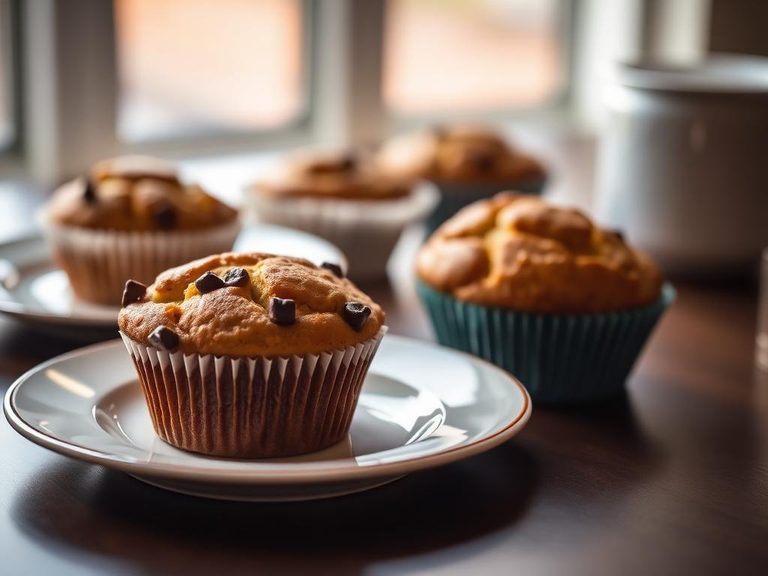 Baked goods like muffins or cakes
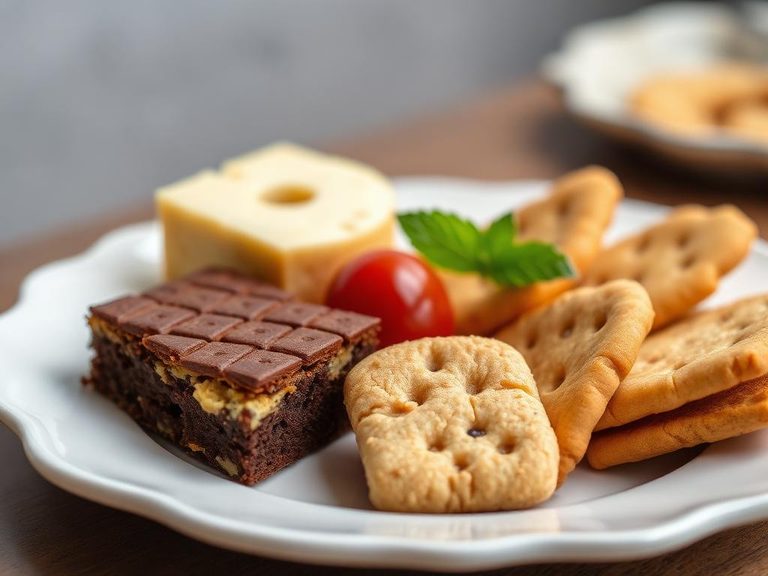 Component in baked goods like cakes and crackers
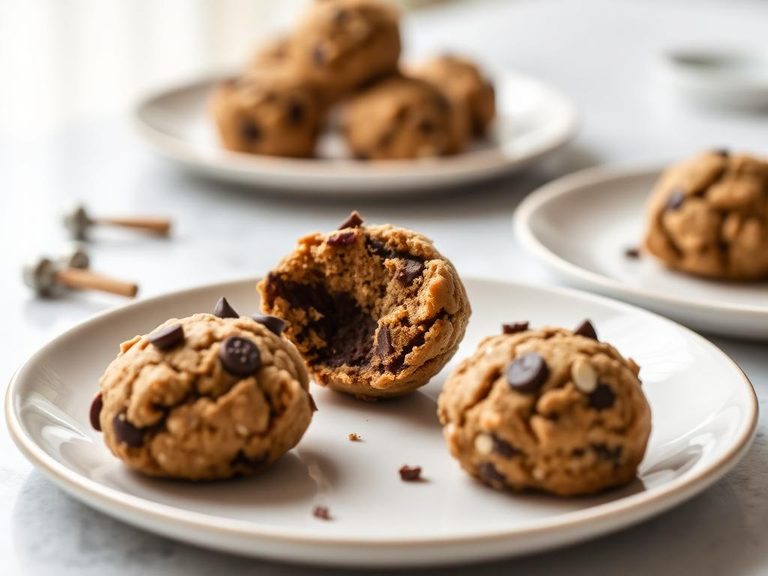 Baked goods like vegan cookies or energy balls
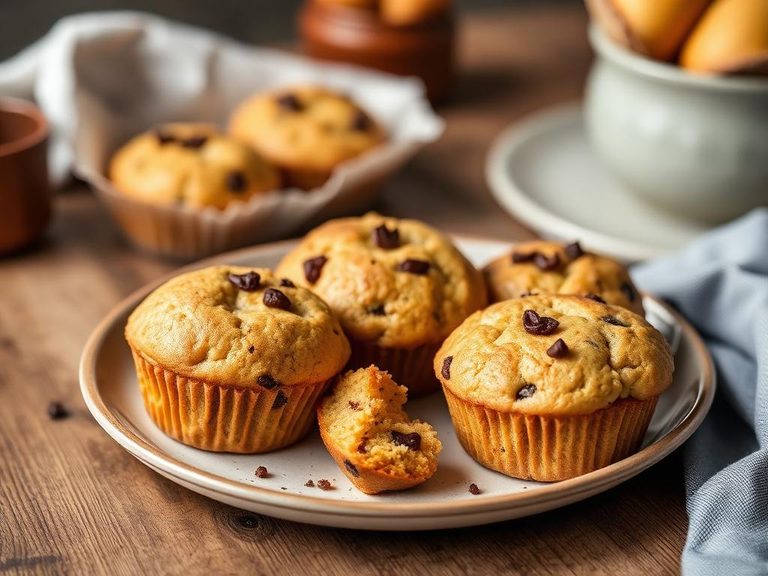 High-protein baked goods like muffins or pancakes
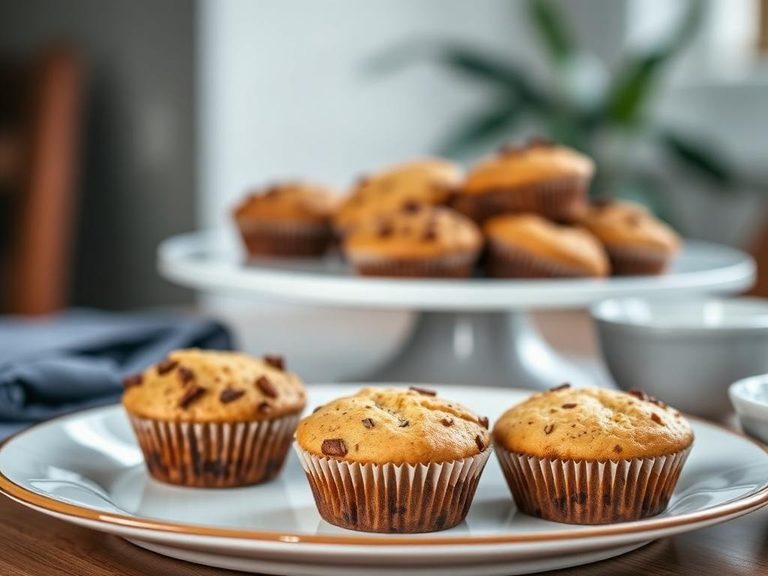 Baked goods like muffins or biscuits
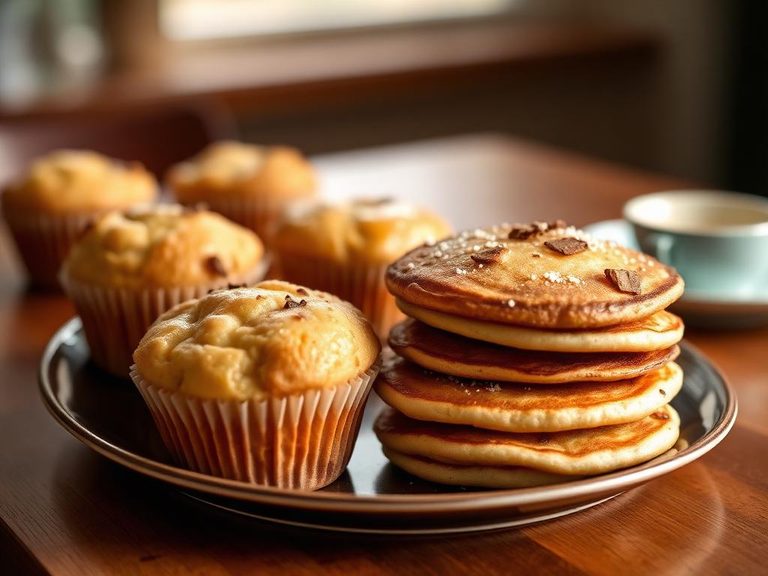 Baked goods like muffins and pancakes
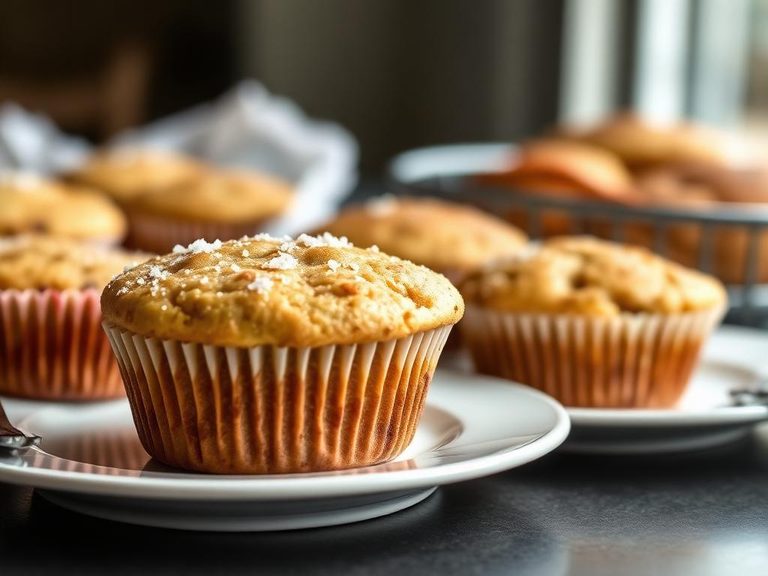 Baked goods like muffins, pancakes, or bread