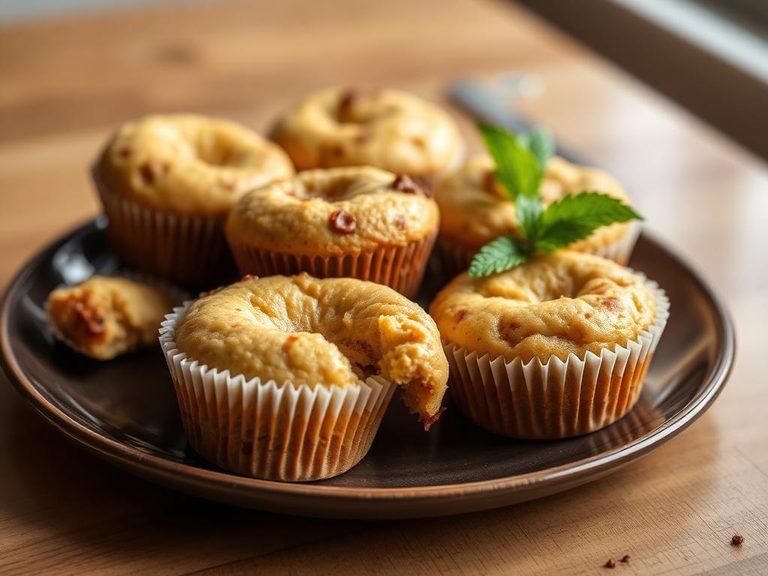
Baked goods like muffins, pancakes, or bread
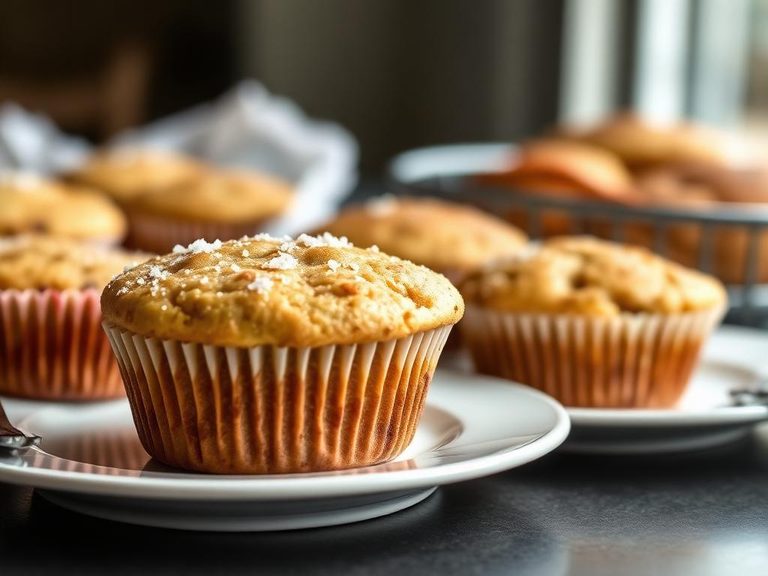
Baked goods like muffins, pancakes, and bread are staple foods made from a batter or dough, typically using flour, eggs, and a leavening agent. They originate from various culinary traditions worldwide, with bread being a fundamental staple in many cultures for thousands of years.
🍽️ Nutrition at a glance
These foods are generally high in carbohydrates, providing a quick source of energy, with moderate fat and protein depending on the recipe. A typical serving can range from 150 to 400 calories, offering key nutrients like B vitamins, iron, and selenium from the grains.
Nutrition breakdown
| Calories | 340 kcal |
| Protein | 6 g |
| Carbs | 50 g |
| Fat | 13 g |
| Fiber | 2 g |
| Sugar | 22 g |
| Sodium | 310 mg |
| Thiamin (B1) | 0.2 mg |
| Niacin (B3) | 2.5 mg |
| Folate | 60 mcg |
| Iron | 2.5 mg |
| Magnesium | 20 mg |
| Phosphorus | 85 mg |
| Selenium | 10 mcg |
| Manganese | 0.5 mg |
Per 1 medium muffin (113 g) · estimated, varies by recipe
💡 What's interesting
The process of fermentation in bread-making not only creates texture and flavor but can also enhance the bioavailability of certain nutrients, making them easier for our bodies to absorb.
🍽️ Related dishes
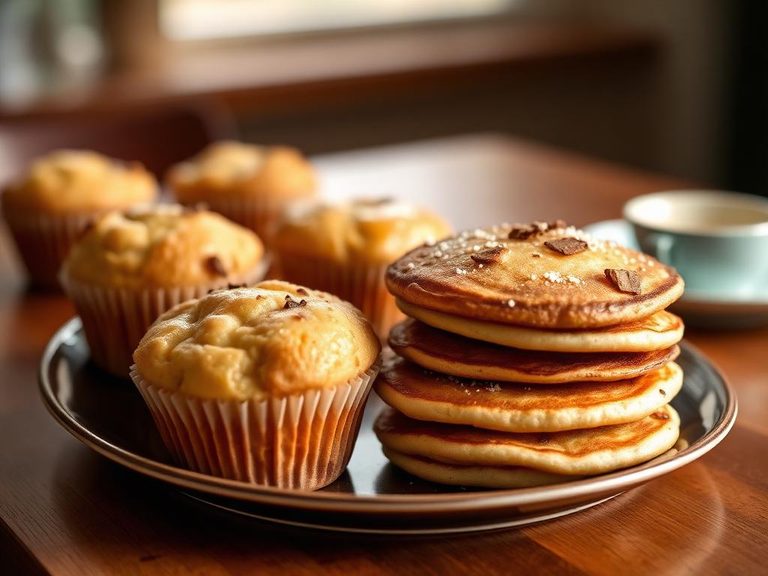 Baked goods like muffins and pancakes
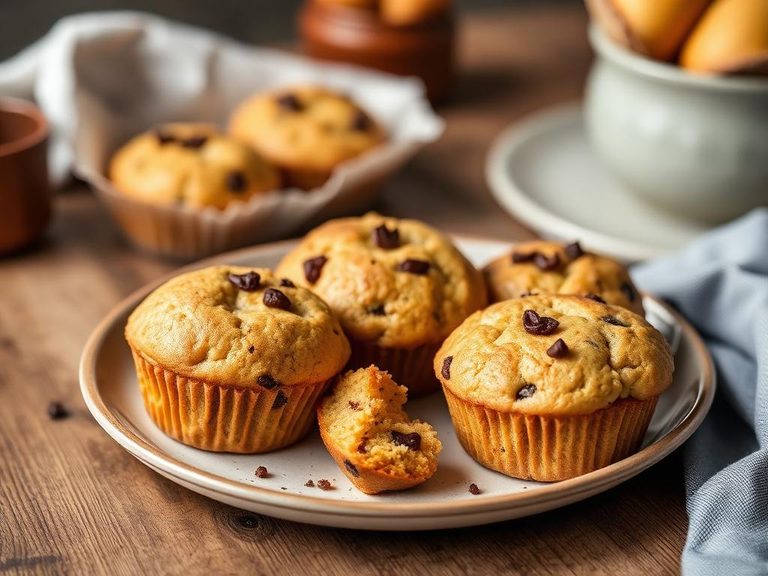 High-protein baked goods like muffins or pancakes
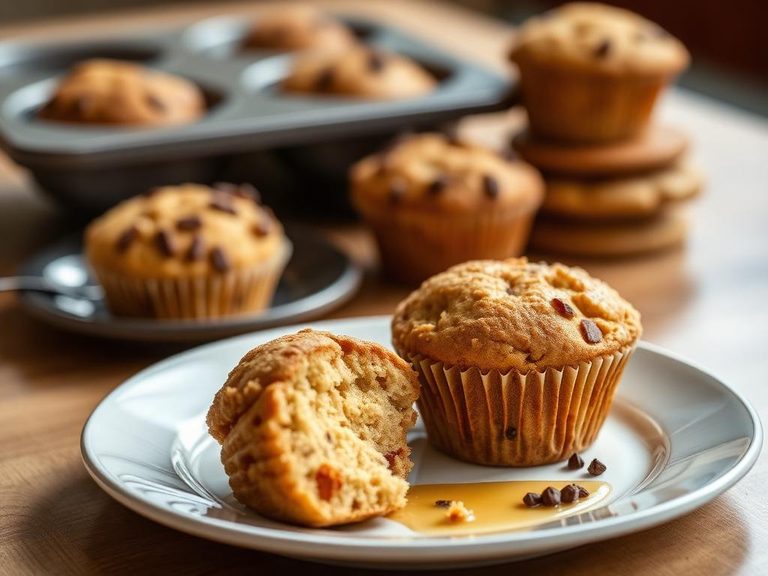 Baked goods like muffins or pancakes
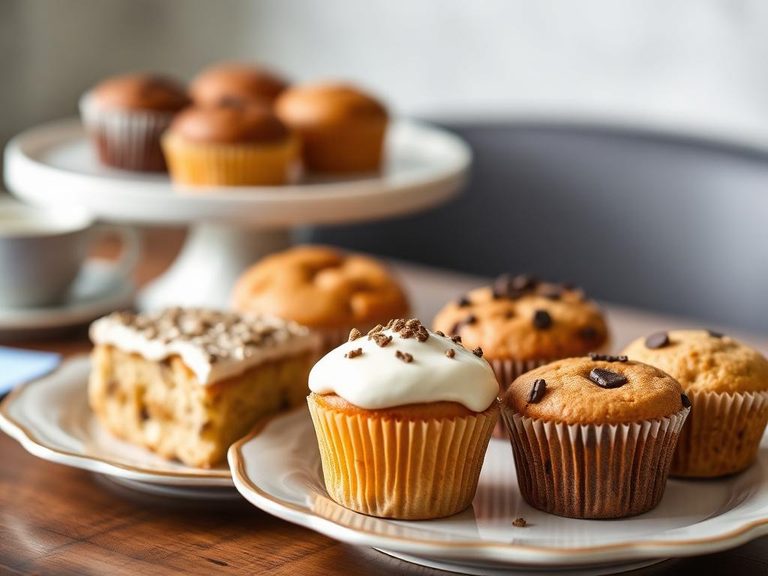 Baked goods like cakes and muffins
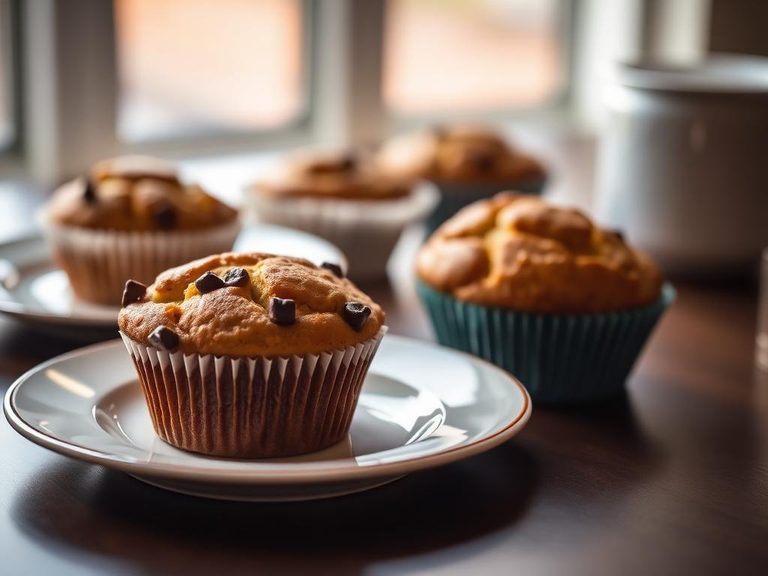 Baked goods like muffins or cakes
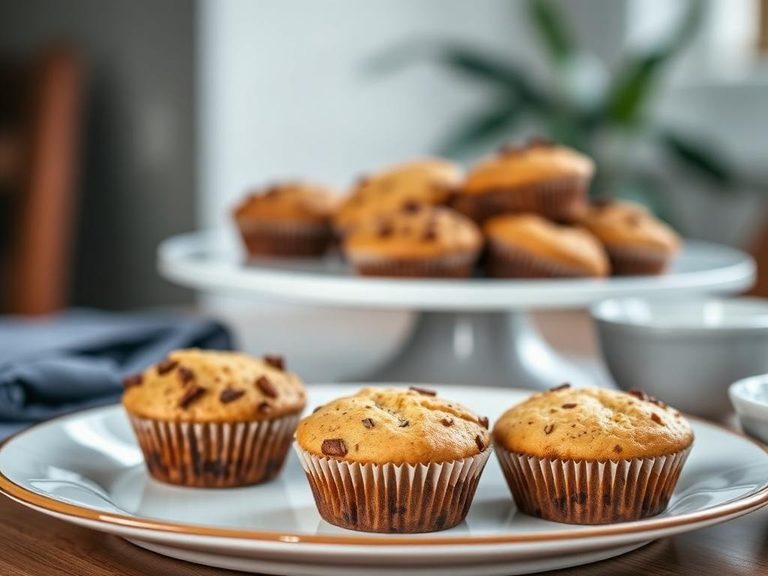 Baked goods like muffins or biscuits
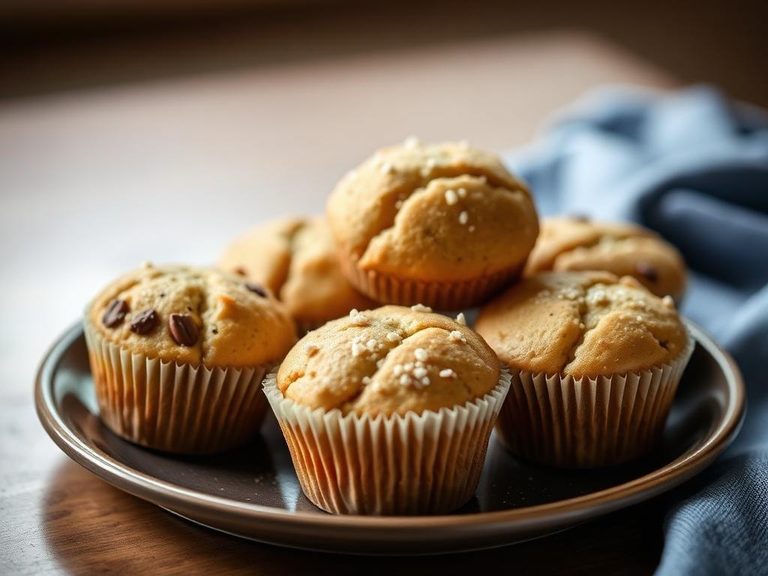 Used as a natural sweetener in baked goods like muffins
 Used as a moistening agent in baked goods like muffins