Component in baked goods like cakes and crackers
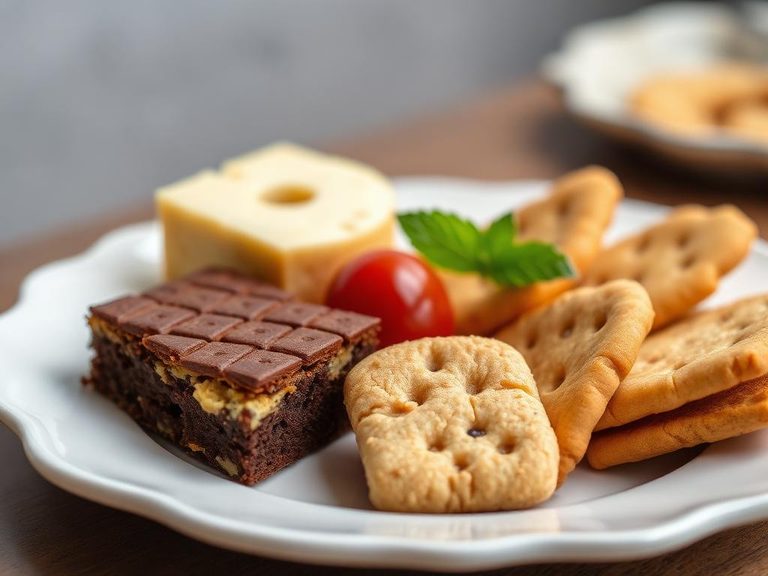
Flour is the foundational ingredient in baked goods like cakes and crackers, made by grinding grains, legumes, or other starchy plants into a fine powder. It provides the structural base for dough and batter, with common types including all-purpose wheat flour, whole wheat, and almond flour. Originating from ancient grain processing, it is a global staple in culinary traditions.
🍽️ Nutrition at a glance
Flour is primarily a source of carbohydrates, with moderate protein content depending on the type, and minimal fat unless enriched. It offers key nutrients like iron, B vitamins (especially folate and thiamine in fortified versions), and some fiber in whole-grain varieties, with a typical serving containing around 400-450 calories.
Nutrition breakdown
| Calories | 455 kcal |
| Protein | 12.9 g |
| Carbs | 95.4 g |
| Fat | 1.2 g |
| Fiber | 3.4 g |
| Sugar | 0.3 g |
| Sodium | 2 mg |
| Iron | 7.0 mg |
| Thiamine (B1) | 0.7 mg |
| Folate | 240 µg |
| Niacin (B3) | 7.8 mg |
| Magnesium | 34 mg |
| Phosphorus | 135 mg |
| Selenium | 42 µg |
| Manganese | 0.7 mg |
Per 1 cup (120 g) · estimated, varies by recipe
💡 What's interesting
Culturally, flour has been a cornerstone of human civilization for millennia, enabling the development of bread and baked goods that shaped societies. Nutritionally, whole-grain flours retain bran and germ, providing more fiber and antioxidants compared to refined flours, which are often enriched to replace lost nutrients.
🍽️ Related dishes
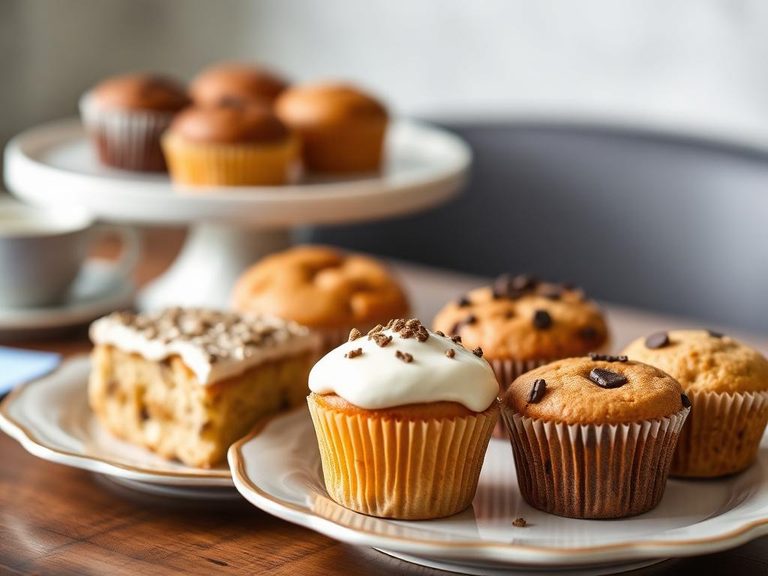 Baked goods like cakes and muffins
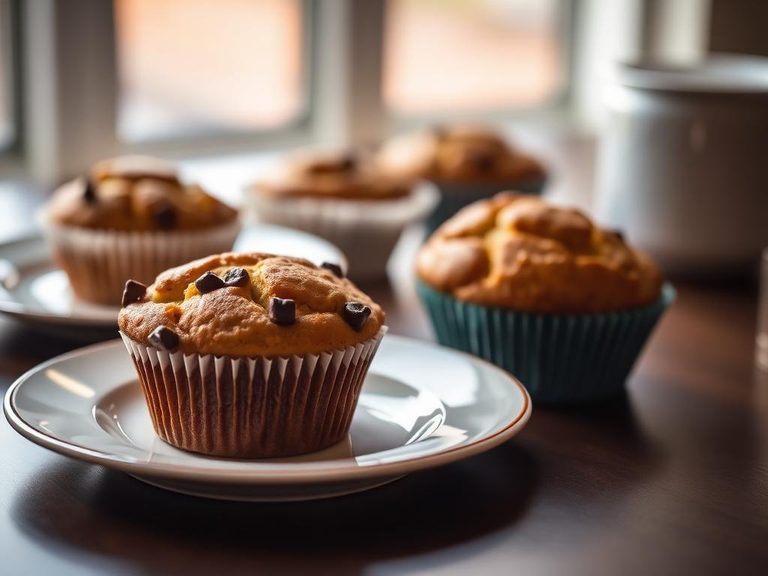 Baked goods like muffins or cakes
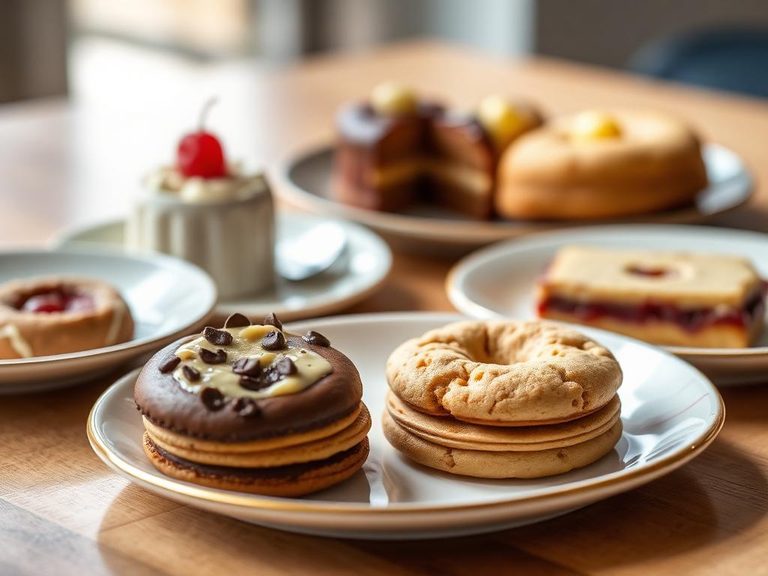 Baked goods like cookies and cakes
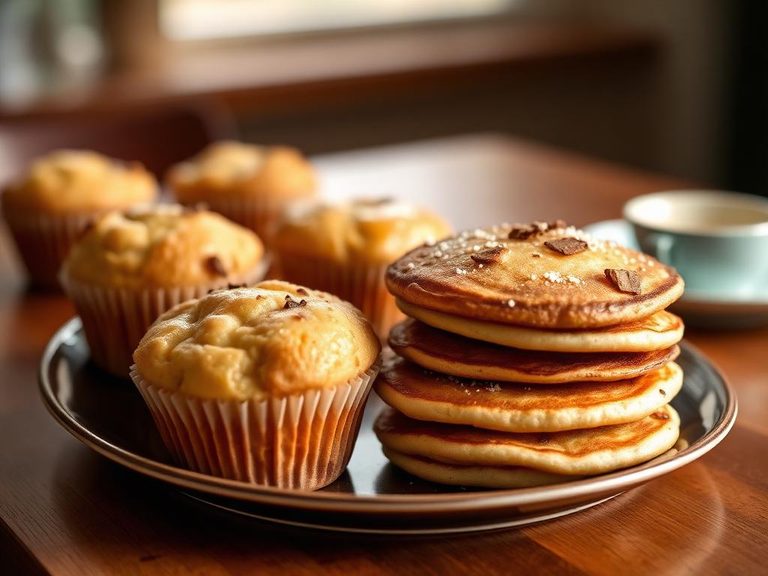 Baked goods like muffins and pancakes
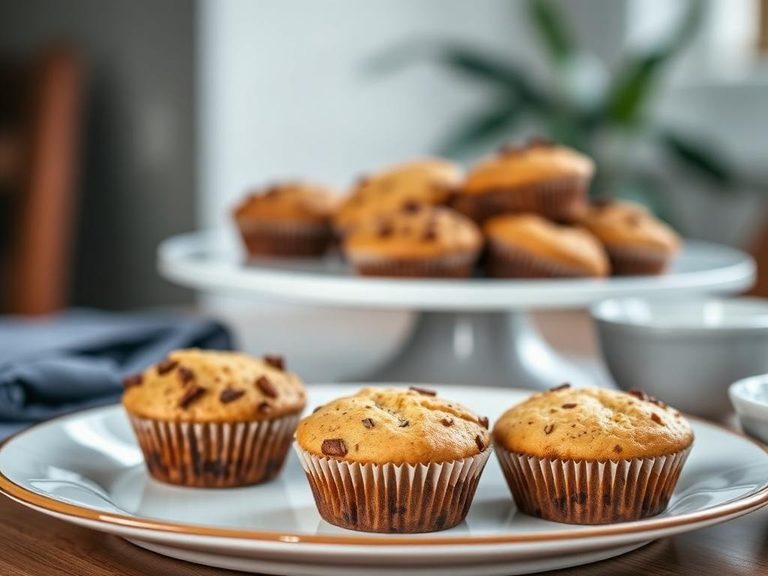 Baked goods like muffins or biscuits
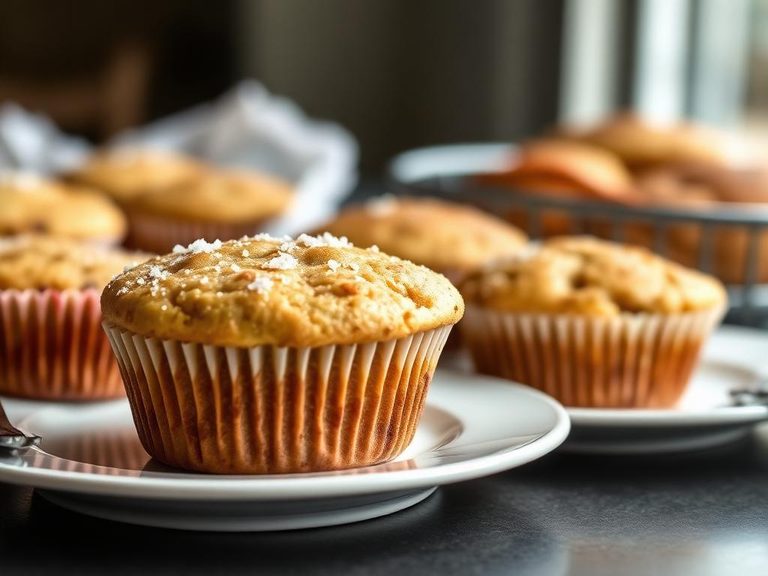 Baked goods like muffins, pancakes, or bread
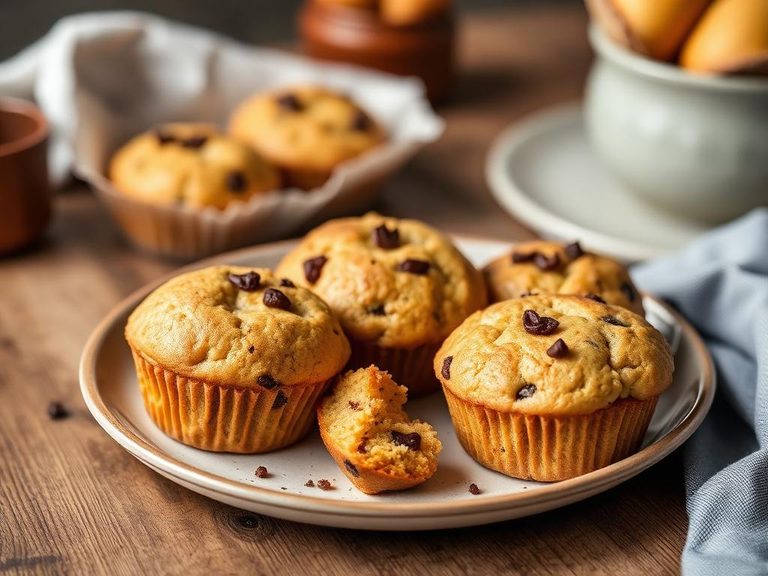 High-protein baked goods like muffins or pancakes
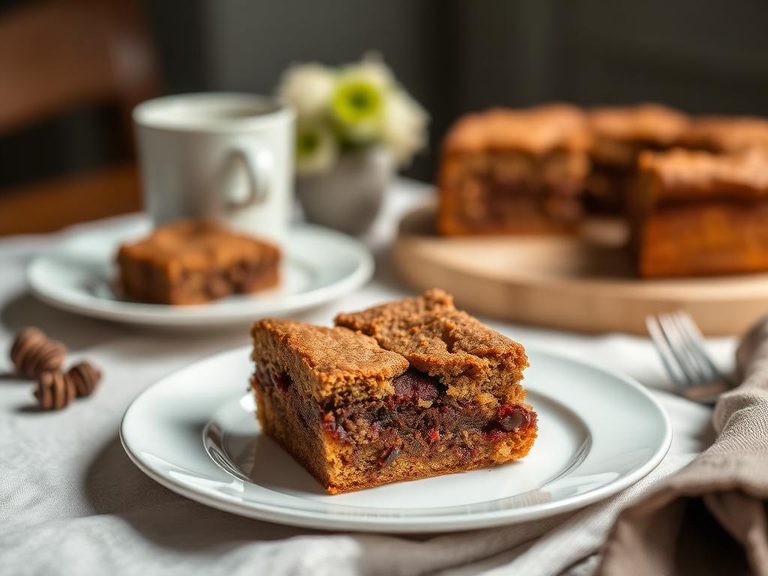 Baked goods like chicory coffee cake