

Sugar substitute, sucralose, powder
Common food

Photo: Wikipedia
A zero-calorie, high-intensity sweetener derived from sugar, sucralose powder is prized for its clean, sweet taste that closely mimics sucrose without the calories. It is 600 times sweeter than sugar, meaning a tiny pinch delivers significant sweetness, and it remains stable under high heat, making it a staple in baking and cooking. Nutritionally, it provides 0g of protein, fat, or fiber, and its carbohydrate content (91.17g per 100g) is largely from bulking agents like maltodextrin, not metabolizable sugar.
Calorie split: 0% protein · 100% carbs · 0% fat
↓ Full nutrition💚 Why it's loved
People love sucralose for its sugar-like taste without the bitter aftertaste common in other artificial sweeteners, and its versatility in everything from coffee to cookies. It's a cultural staple in diet sodas and 'sugar-free' products globally, allowing people to enjoy sweet flavors without the caloric load.
⚠️ Watch-outs & how to enjoy it better
While generally recognized as safe, some individuals may experience digestive discomfort or bloating, and its high concentration can be easy to overuse. To counteract, start with a small amount (1/16 tsp) and mix thoroughly; for baking, combine with a small amount of real sugar or a bulking agent like erythritol to improve texture and avoid a 'too-sweet' profile.
Key benefits
- Zero-calorie sweetener
- Heat-stable for baking and cooking
- Does not promote tooth decay
- Suitable for low-carb and ketogenic diets
- Highly concentrated, so a little goes a long way
🍽️ Popular dishes
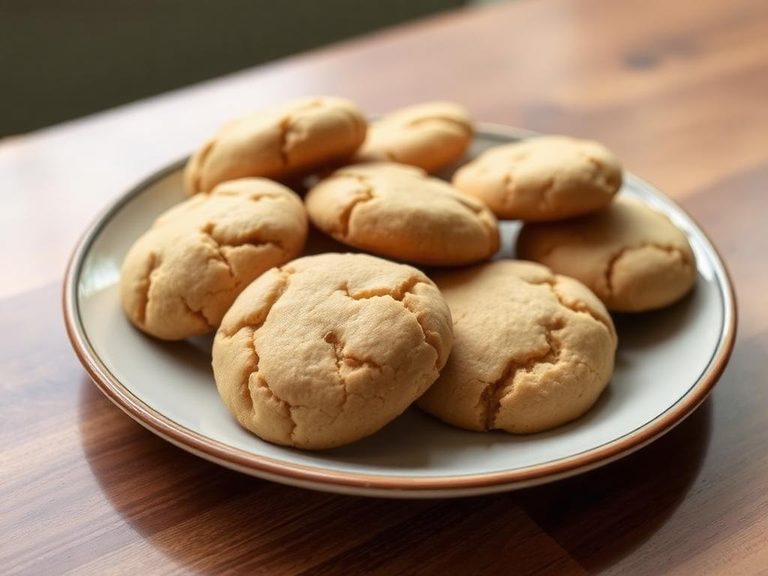
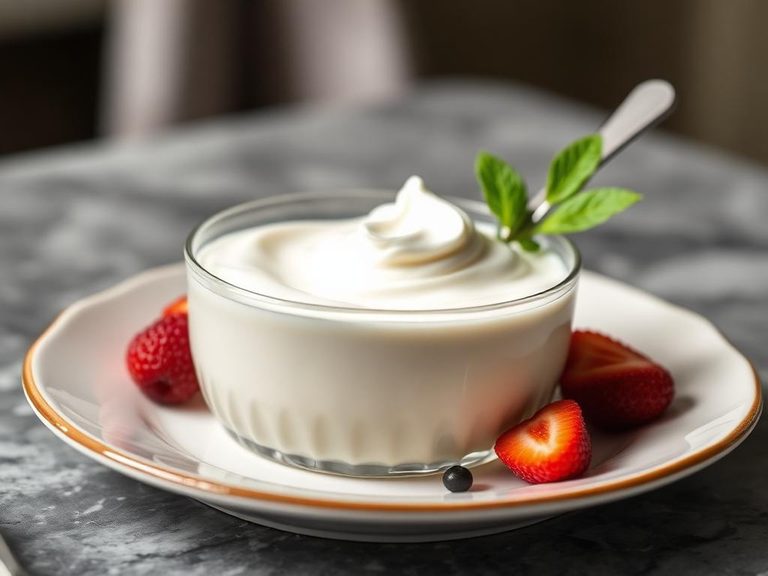
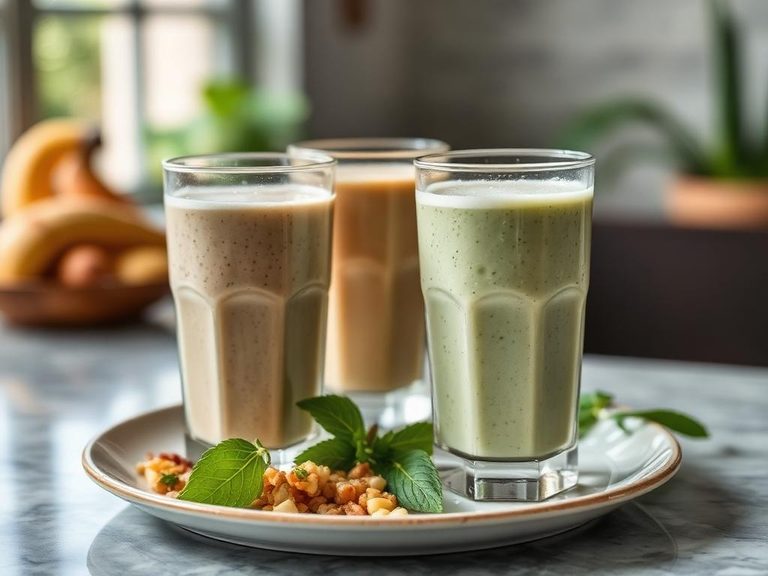
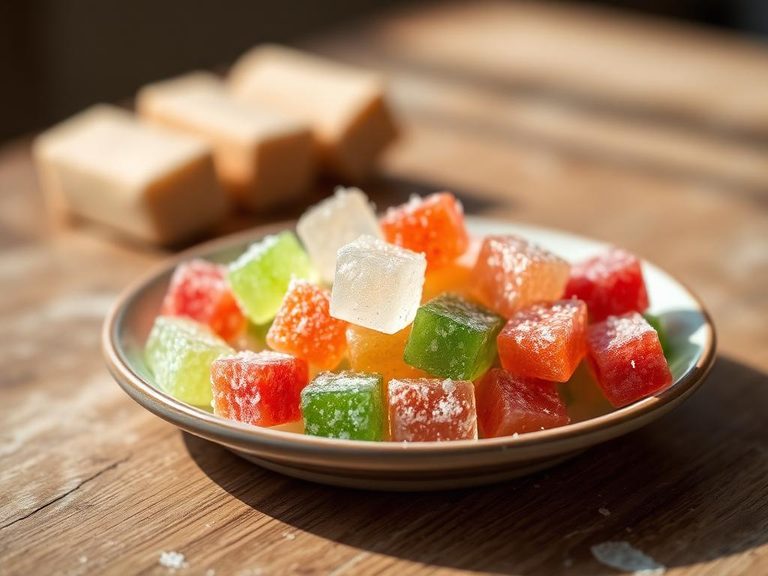
🌍 Where it's eaten
💡 Did you know?
Sucralose was discovered by accident in 1976 when a researcher at Queen Elizabeth College in London misunderstood a request to 'test' a chemical and instead tasted it, revealing its intense sweetness.
Full nutrition (USDA data · scales with serving)
| Water | 8.8 g |
| Energy | 336 kcal |
| Protein | 0.00 g |
| Total lipid (fat) | 0.00 g |
| Carbohydrate, by difference | 91.2 g |
| Fiber, total dietary | 0.00 g |
| Total Sugars | 80.3 g |
| Calcium, Ca | 0.00 mg |
| Iron, Fe | 0.00 mg |
| Magnesium, Mg | 0.00 mg |
| Phosphorus, P | 0.00 mg |
| Potassium, K | 4.0 mg |
| Sodium, Na | 0.00 mg |
| Zinc, Zn | 0.00 mg |
| Copper, Cu | 0.00 mg |
| Selenium, Se | 0.00 ug |
| Vitamin C, total ascorbic acid | 0.00 mg |
| Thiamin | 0.00 mg |
| Riboflavin | 0.00 mg |
| Niacin | 0.00 mg |
| Vitamin B-6 | 0.00 mg |
| Folate, total | 0.00 ug |
| Folic acid | 0.00 ug |
| Folate, food | 0.00 ug |
| Folate, DFE | 0.00 ug |
| Choline, total | 0.00 mg |
| Vitamin B-12 | 0.00 ug |
| Vitamin B-12, added | 0.00 ug |
| Vitamin A, RAE | 0.00 ug |
| Retinol | 0.00 ug |
| Carotene, beta | 0.00 ug |
| Carotene, alpha | 0.00 ug |
| Cryptoxanthin, beta | 0.00 ug |
| Lycopene | 0.00 ug |
| Lutein + zeaxanthin | 0.00 ug |
| Vitamin E (alpha-tocopherol) | 0.00 mg |
| Vitamin E, added | 0.00 mg |
| Vitamin D (D2 + D3) | 0.00 ug |
| Vitamin K (phylloquinone) | 0.00 ug |
| Alcohol, ethyl | 0.00 g |
| Caffeine | 0.00 mg |
| Theobromine | 0.00 mg |
Fat & fatty acid profile (per 100g)
| Fatty acids, total saturated | 0.00 g |
| SFA 4:0 | 0.00 g |
| SFA 6:0 | 0.00 g |
| SFA 8:0 | 0.00 g |
| SFA 10:0 | 0.00 g |
| SFA 12:0 | 0.00 g |
| SFA 14:0 | 0.00 g |
| SFA 16:0 | 0.00 g |
| SFA 18:0 | 0.00 g |
| Fatty acids, total monounsaturated | 0.00 g |
| MUFA 16:1 | 0.00 g |
| MUFA 18:1 | 0.00 g |
| MUFA 20:1 | 0.00 g |
| MUFA 22:1 | 0.00 g |
| Fatty acids, total polyunsaturated | 0.00 g |
| PUFA 18:2 | 0.00 g |
| PUFA 18:3 | 0.00 g |
| PUFA 18:4 | 0.00 g |
| PUFA 20:4 | 0.00 g |
| PUFA 20:5 n-3 (EPA) | 0.00 g |
| PUFA 22:5 n-3 (DPA) | 0.00 g |
| PUFA 22:6 n-3 (DHA) | 0.00 g |
| Cholesterol | 0.00 mg |
Amino acid profile (per 100g)
Estimated from Beverages, coffee substitute, cereal grain beverage, powder, prepared with whole milk — USDA does not publish this profile for Sugar substitute.
| Tryptophan | 0.05 g |
| Threonine | 0.15 g |
| Isoleucine | 0.20 g |
| Leucine | 0.32 g |
| Lysine | 0.26 g |
| Methionine | 0.08 g |
| Cystine | 0.03 g |
| Phenylalanine | 0.16 g |
| Tyrosine | 0.16 g |
| Valine | 0.22 g |
| Arginine | 0.12 g |
| Histidine | 0.09 g |
| Alanine | 0.12 g |
| Aspartic acid | 0.25 g |
| Glutamic acid | 0.69 g |
| Glycine | 0.07 g |
| Proline | 0.32 g |
| Serine | 0.18 g |
FAQ
Is sucralose safe for baking?
Yes, sucralose is heat-stable and can be used in baking, but since it's 600 times sweeter than sugar, you'll need to use a fraction of the amount and often mix it with a bulking agent like maltodextrin to achieve the right texture and volume.
Does sucralose affect blood sugar levels?
Sucralose itself does not raise blood sugar or insulin levels in most people, making it suitable for diabetics and low-carb diets. However, some studies suggest it may affect gut bacteria, so moderation is key.
How does sucralose compare to sugar in taste?
Sucralose has a clean, sweet taste very similar to sugar without the bitter aftertaste of some other sweeteners, but it lacks the bulk and mouthfeel of sugar, which can affect texture in recipes.
Can I use sucralose in cold drinks?
Absolutely, sucralose dissolves easily in cold liquids like water, coffee, or tea, and it's commonly used in diet beverages and smoothies for a quick, calorie-free sweetener.
Nutrient density (calculated · NRF9.3)
Nutrient Rich Foods index: beneficial nutrients (protein, fiber, vitamins, minerals) minus saturated fat, added sugar & sodium, per 100 kcal.
NRF9.3 index — Fulgoni, Keast & Drewnowski, 2009. Computed from USDA nutrients.
Weight-loss friendliness (composite index)
Energy density 3.36 kcal/g · 0% calories from protein · 0.0 g fiber · 80.3 g sugar per 100 g.
Composite of energy density (Rolls et al., 1999), protein & fiber satiety, minus sugar. A calculated heuristic — ranks satiety-per-calorie, not a clinical measure.
Dietary load (calculated from USDA values)
Potential renal acid load. Positive = acid-forming, negative = alkaline-forming.
Sodium-to-potassium ratio: 0.00 (lower is better — aim for ≤ 1)
Sodium:potassium per WHO potassium guidance. Computed from USDA nutrients.