

Sweeteners, for baking, brown, contains sugar and sucralose
Whole food · Sweets

Photo: Wikipedia
This is a granulated brown sweetener blend designed for baking, combining the familiar molasses notes of brown sugar with the intense sweetness of sucralose. It has a moist, sandy texture that measures and behaves much like traditional brown sugar in recipes. Nutritionally, it delivers a significant carbohydrate load (97g per 100g) with about half its weight coming from sugar.
Calorie split: 0% protein · 100% carbs · 0% fat
↓ Full nutrition💚 Why it's loved
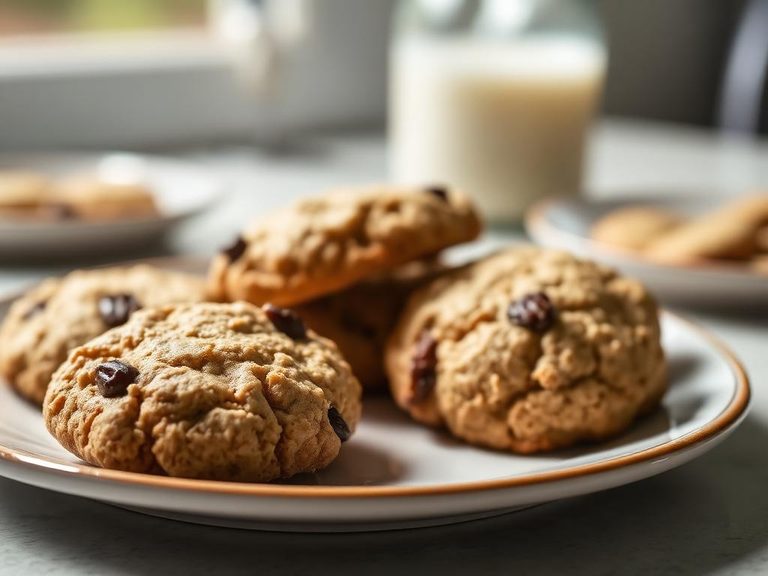
People love it for delivering the authentic caramel and molasses flavor of brown sugar while allowing for recipe adjustments. Its versatility makes it a staple for cookies, cakes, and sauces where that specific sweetness profile is desired.
⚠️ Watch-outs & how to enjoy it better
The high carbohydrate and sugar content can cause rapid blood-sugar spikes, making it unsuitable for those managing diabetes or on low-carb diets. To counteract this, use it in strict moderation and pair the finished dish with a source of protein or healthy fat to slow glucose absorption.
Key benefits
- Provides the classic flavor and moisture of brown sugar
- Offers intense sweetness, allowing for reduced total volume
- Designed for a 1:1 replacement ratio in many recipes
- Adds color and promotes browning in baked goods
🍽️ Popular dishes
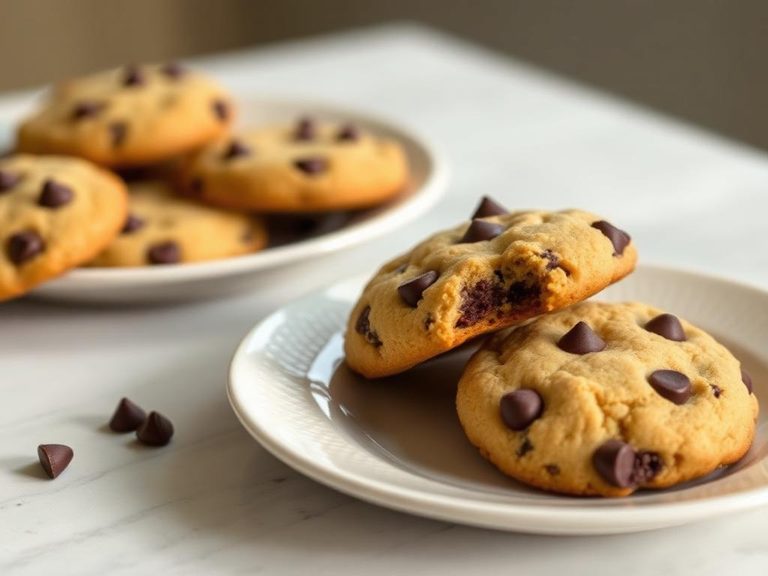

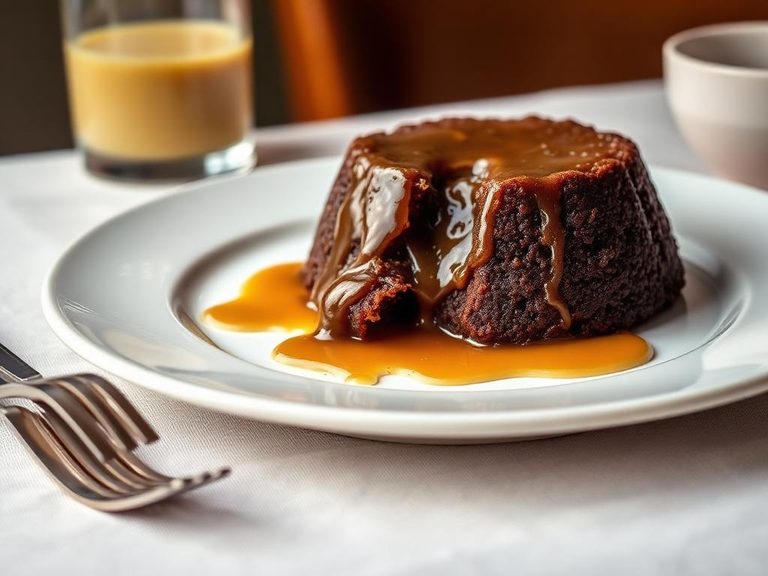
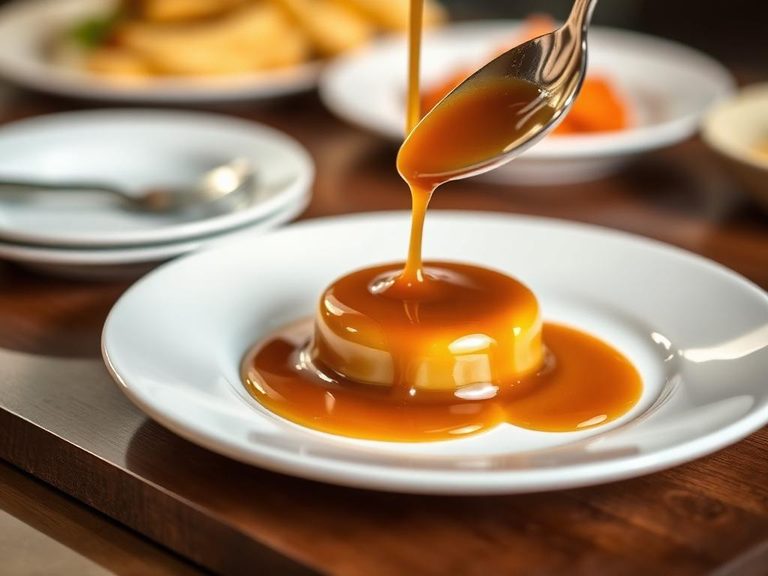
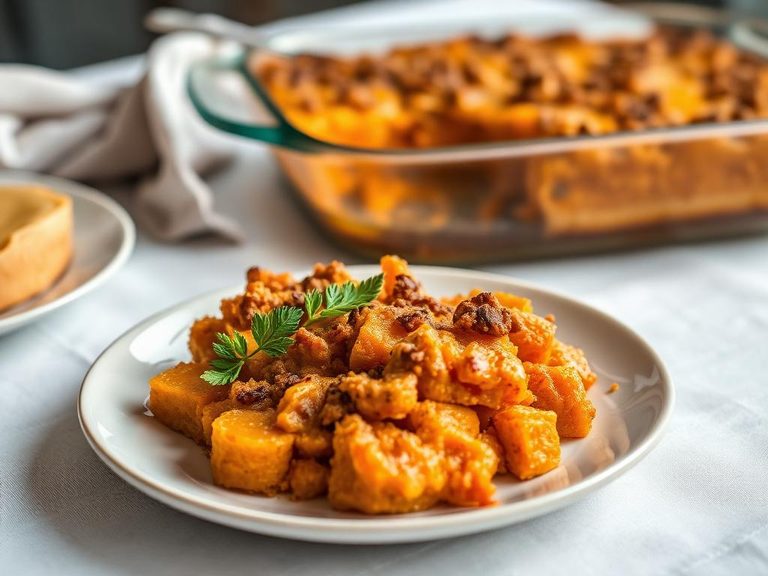
🌍 Where it's eaten
💡 Did you know?
The 'brown' color in most brown sugars, including this blend, comes from a small amount of molasses, which is a byproduct of sugar refining.
Full nutrition (USDA data · scales with serving)
| Water | 2.4 g |
| Energy | 388 kcal |
| Energy | 1625 kj |
| Protein | 0.00 g |
| Total lipid (fat) | 0.00 g |
| Ash | 0.45 g |
| Carbohydrate, by difference | 97.1 g |
| Total Sugars | 45.7 g |
| Sucrose | 44.4 g |
| Glucose | 0.80 g |
| Fructose | 0.51 g |
| Maltose | 0.00 g |
| Galactose | 0.00 g |
| Calcium, Ca | 63.0 mg |
| Iron, Fe | 1.6 mg |
| Magnesium, Mg | 10.0 mg |
| Phosphorus, P | 2.0 mg |
| Potassium, K | 130 mg |
| Sodium, Na | 11.0 mg |
| Zinc, Zn | 0.08 mg |
| Copper, Cu | 0.08 mg |
| Manganese, Mn | 0.07 mg |
| Thiamin | 0.01 mg |
| Riboflavin | 0.01 mg |
| Niacin | 0.08 mg |
| Pantothenic acid | 0.12 mg |
| Vitamin B-6 | 0.04 mg |
Fat & fatty acid profile (per 100g)
Estimated from Sweeteners, tabletop, aspartame, EQUAL, packets — USDA does not publish this profile for Sweeteners.
| Fatty acids, total saturated | 0.00 g |
| SFA 4:0 | 0.00 g |
| SFA 6:0 | 0.00 g |
| SFA 8:0 | 0.00 g |
| SFA 10:0 | 0.00 g |
| SFA 12:0 | 0.00 g |
| SFA 14:0 | 0.00 g |
| SFA 16:0 | 0.00 g |
| SFA 18:0 | 0.00 g |
| Fatty acids, total monounsaturated | 0.00 g |
| MUFA 16:1 | 0.00 g |
| MUFA 18:1 | 0.00 g |
| MUFA 20:1 | 0.00 g |
| MUFA 22:1 | 0.00 g |
| Fatty acids, total polyunsaturated | 0.00 g |
| PUFA 18:2 | 0.00 g |
| PUFA 18:3 | 0.00 g |
| PUFA 18:4 | 0.00 g |
| PUFA 20:4 | 0.00 g |
| PUFA 20:5 n-3 (EPA) | 0.00 g |
| PUFA 22:5 n-3 (DPA) | 0.00 g |
| PUFA 22:6 n-3 (DHA) | 0.00 g |
| Cholesterol | 0.00 mg |
Amino acid profile (per 100g)
Estimated from Sweeteners, tabletop, aspartame, EQUAL, packets — USDA does not publish this profile for Sweeteners.
| Tryptophan | 0.00 g |
| Threonine | 0.00 g |
| Isoleucine | 0.00 g |
| Leucine | 0.00 g |
| Lysine | 0.00 g |
| Methionine | 0.00 g |
| Cystine | 0.00 g |
| Phenylalanine | 1.2 g |
| Tyrosine | 0.00 g |
| Valine | 0.00 g |
| Arginine | 0.00 g |
| Histidine | 0.00 g |
| Alanine | 0.00 g |
| Aspartic acid | 0.98 g |
| Glutamic acid | 0.00 g |
| Glycine | 0.00 g |
| Proline | 0.00 g |
| Serine | 0.00 g |
FAQ
Can I use this as a direct 1:1 substitute for regular brown sugar in all recipes?
It is formulated as a 1:1 replacement by volume, but because sucralose is much sweeter than sugar, you may find the final product overly sweet. You might need to experiment with using slightly less of this blend.
Why does it have 0g of fat and protein?
This product is essentially pure carbohydrate. The calories come from the sugar and the bulking agents (like dextrose or maltodextrin) used to give it volume and texture, as sucralose itself provides no calories.
Is this suitable for a keto or low-carb diet?
No. With 97g of carbohydrates per 100g, it is very high in carbs and not appropriate for ketogenic or very low-carbohydrate dietary approaches.
Nutrient density (calculated · NRF9.3)
Nutrient Rich Foods index: beneficial nutrients (protein, fiber, vitamins, minerals) minus saturated fat, added sugar & sodium, per 100 kcal.
NRF9.3 index — Fulgoni, Keast & Drewnowski, 2009. Computed from USDA nutrients.
Weight-loss friendliness (composite index)
Energy density 3.88 kcal/g · 0% calories from protein · 0.0 g fiber · 45.7 g sugar per 100 g.
Composite of energy density (Rolls et al., 1999), protein & fiber satiety, minus sugar. A calculated heuristic — ranks satiety-per-calorie, not a clinical measure.
Dietary load (calculated from USDA values)
Potential renal acid load. Positive = acid-forming, negative = alkaline-forming.
Sodium-to-potassium ratio: 0.08 (lower is better — aim for ≤ 1)
Sodium:potassium per WHO potassium guidance. Computed from USDA nutrients.