

Sweeteners, for baking, contains sugar and sucralose
Whole food · Sweets

Photo: Wikipedia
A fine, crystalline blend designed for baking, this sweetener combines the familiar bulk and browning of sugar with the intense sweetness of sucralose. It measures and behaves almost identically to granulated sugar, providing a clean, sweet taste without any bitter aftertaste. Nutritionally, it offers a significant calorie reduction per gram compared to pure sugar while maintaining the carbohydrate structure needed for many baking reactions.
Calorie split: 0% protein · 100% carbs · 0% fat
↓ Full nutrition💚 Why it's loved
Bakers and home cooks love it for its seamless substitution into cherished recipes, allowing them to reduce sugar and calories without sacrificing the essential structure, texture, or golden crust of cookies, cakes, and muffins. It's a practical tool for making everyday treats more diet-friendly.
⚠️ Watch-outs & how to enjoy it better
While it reduces sugar, it is still a concentrated carbohydrate source and can contribute to blood-sugar spikes if used in large quantities, making portion control key for diabetics. Some individuals may experience digestive sensitivity to sugar alcohols if present in the blend. To mitigate, use it as part of a recipe that includes protein (like nuts or eggs) and fiber (like whole-grain flour) to slow absorption.
Key benefits
- Provides bulk and texture in baked goods like sugar
- Enables lower-calorie versions of sweet recipes
- Maintains browning and caramelization properties
- Offers a 1:1 measurement substitute for sugar
- Suitable for a low-glycemic dietary approach
🍽️ Popular dishes
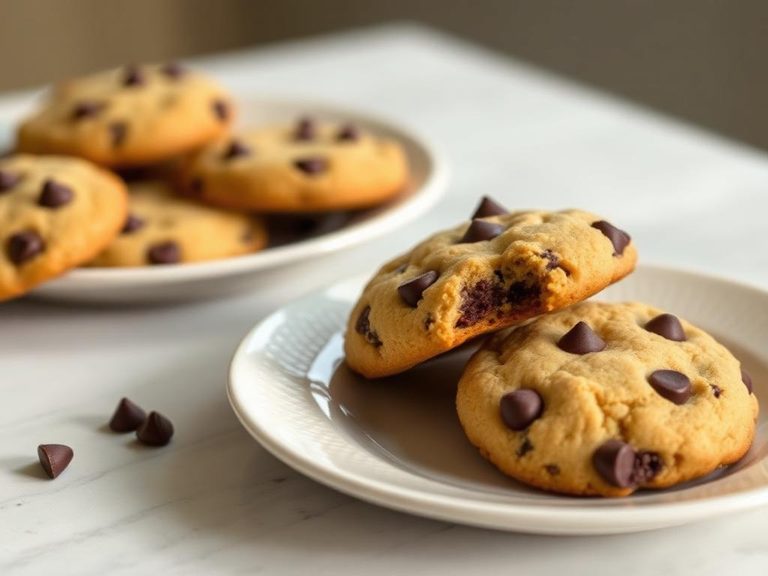

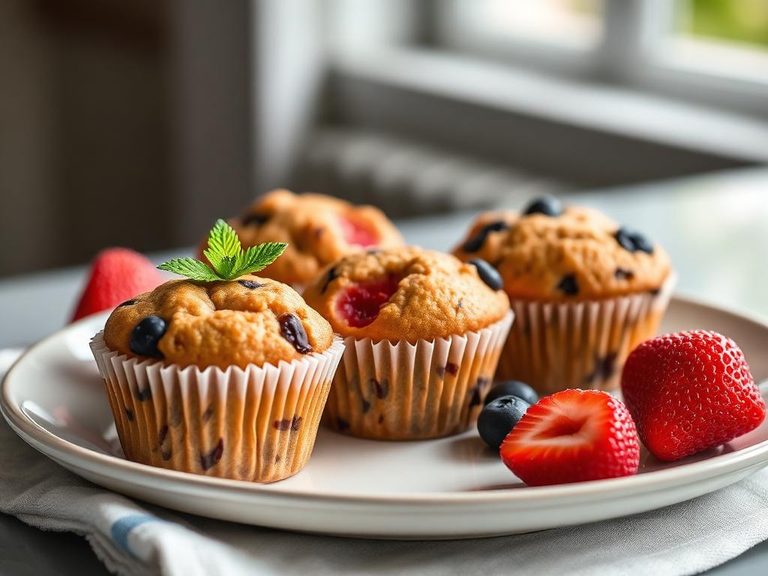
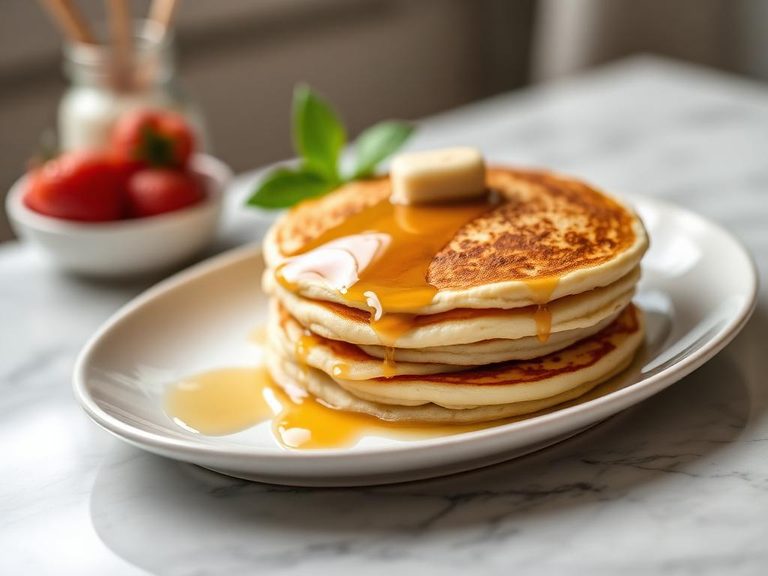
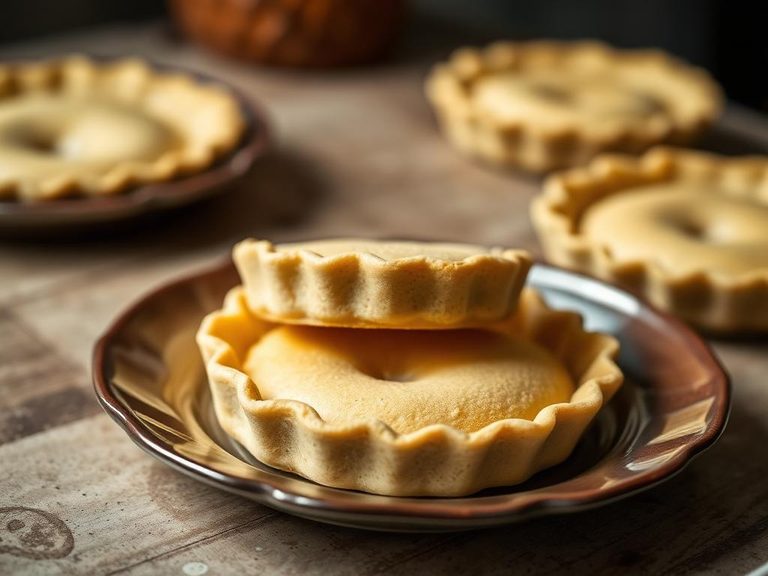
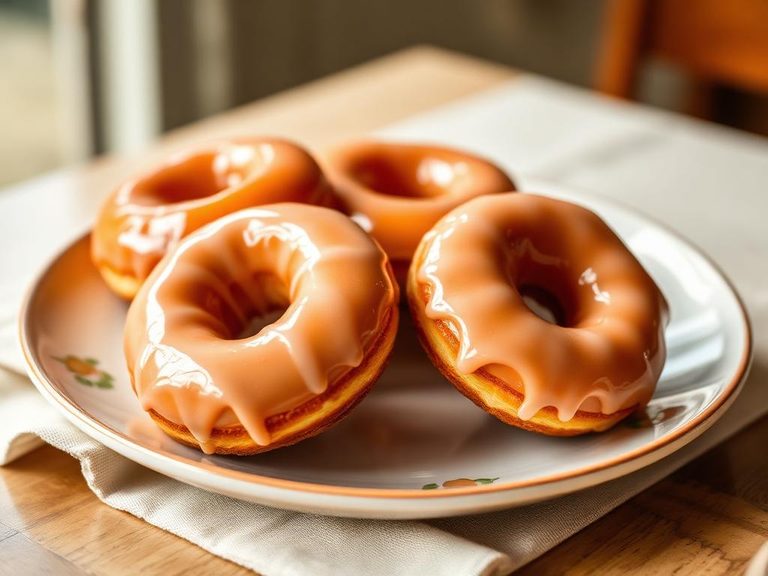
🌍 Where it's eaten
💡 Did you know?
Sucralose, the key ingredient, is derived from sugar but is not metabolized by the body for energy, which is why it provides sweetness with virtually zero calories.
Full nutrition (USDA data · scales with serving)
| Water | 0.43 g |
| Energy | 398 kcal |
| Energy | 1666 kj |
| Protein | 0.00 g |
| Total lipid (fat) | 0.00 g |
| Ash | 0.04 g |
| Carbohydrate, by difference | 99.5 g |
| Total Sugars | 47.0 g |
| Sucrose | 47.0 g |
| Glucose | 0.00 g |
| Fructose | 0.00 g |
| Lactose | 0.00 g |
| Maltose | 0.00 g |
| Galactose | 0.00 g |
| Calcium, Ca | 1.0 mg |
| Iron, Fe | 0.06 mg |
| Magnesium, Mg | 0.00 mg |
| Phosphorus, P | 0.00 mg |
| Potassium, K | 2.0 mg |
| Sodium, Na | 2.0 mg |
| Zinc, Zn | 0.01 mg |
| Copper, Cu | 0.01 mg |
| Manganese, Mn | 0.00 mg |
Fat & fatty acid profile (per 100g)
Estimated from Sweeteners, tabletop, aspartame, EQUAL, packets — USDA does not publish this profile for Sweeteners.
| Fatty acids, total saturated | 0.00 g |
| SFA 4:0 | 0.00 g |
| SFA 6:0 | 0.00 g |
| SFA 8:0 | 0.00 g |
| SFA 10:0 | 0.00 g |
| SFA 12:0 | 0.00 g |
| SFA 14:0 | 0.00 g |
| SFA 16:0 | 0.00 g |
| SFA 18:0 | 0.00 g |
| Fatty acids, total monounsaturated | 0.00 g |
| MUFA 16:1 | 0.00 g |
| MUFA 18:1 | 0.00 g |
| MUFA 20:1 | 0.00 g |
| MUFA 22:1 | 0.00 g |
| Fatty acids, total polyunsaturated | 0.00 g |
| PUFA 18:2 | 0.00 g |
| PUFA 18:3 | 0.00 g |
| PUFA 18:4 | 0.00 g |
| PUFA 20:4 | 0.00 g |
| PUFA 20:5 n-3 (EPA) | 0.00 g |
| PUFA 22:5 n-3 (DPA) | 0.00 g |
| PUFA 22:6 n-3 (DHA) | 0.00 g |
| Cholesterol | 0.00 mg |
Amino acid profile (per 100g)
Estimated from Sweeteners, tabletop, aspartame, EQUAL, packets — USDA does not publish this profile for Sweeteners.
| Tryptophan | 0.00 g |
| Threonine | 0.00 g |
| Isoleucine | 0.00 g |
| Leucine | 0.00 g |
| Lysine | 0.00 g |
| Methionine | 0.00 g |
| Cystine | 0.00 g |
| Phenylalanine | 1.2 g |
| Tyrosine | 0.00 g |
| Valine | 0.00 g |
| Arginine | 0.00 g |
| Histidine | 0.00 g |
| Alanine | 0.00 g |
| Aspartic acid | 0.98 g |
| Glutamic acid | 0.00 g |
| Glycine | 0.00 g |
| Proline | 0.00 g |
| Serine | 0.00 g |
FAQ
Can I use this 1:1 to replace sugar in any recipe?
It's designed for a 1:1 volume or weight substitution in most baking (cookies, cakes, muffins). However, in recipes where sugar is a major structural component (like meringues or some candies) or provides significant moisture, you may need to adjust liquids or add a bulking agent like applesauce.
Will it brown and caramelize like regular sugar?
Yes, one of its key advantages is that it participates in Maillard browning reactions, giving baked goods the desirable golden color and toasted flavor that pure high-intensity sweeteners alone cannot provide.
Is it safe for people with diabetes?
It is often used in diabetic-friendly cooking as it doesn't raise blood sugar levels as quickly as pure sugar. However, it's still a carbohydrate blend, so it should be used in moderation and within a balanced meal plan, ideally paired with protein and fiber.
Nutrient density (calculated · NRF9.3)
Nutrient Rich Foods index: beneficial nutrients (protein, fiber, vitamins, minerals) minus saturated fat, added sugar & sodium, per 100 kcal.
NRF9.3 index — Fulgoni, Keast & Drewnowski, 2009. Computed from USDA nutrients.
Weight-loss friendliness (composite index)
Energy density 3.98 kcal/g · 0% calories from protein · 0.0 g fiber · 47.0 g sugar per 100 g.
Composite of energy density (Rolls et al., 1999), protein & fiber satiety, minus sugar. A calculated heuristic — ranks satiety-per-calorie, not a clinical measure.
Dietary load (calculated from USDA values)
Potential renal acid load. Positive = acid-forming, negative = alkaline-forming.
Sodium-to-potassium ratio: 1.00 (lower is better — aim for ≤ 1)
Sodium:potassium per WHO potassium guidance. Computed from USDA nutrients.