

Spinach, NS as to form, cooked
Common food
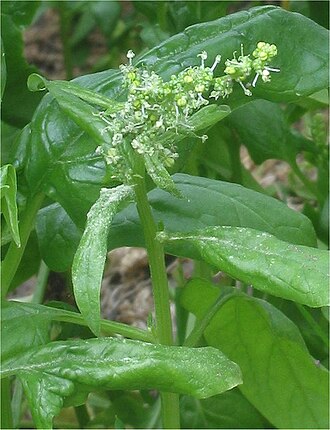
Photo: Wikipedia
Cooked spinach is a tender, wilted leafy green with a deep, earthy flavor and a soft, slightly silky texture. Nutritionally, it's a low-calorie powerhouse, delivering a solid 3.32g of protein per 100g alongside healthy fats and fiber. Its concentrated nutrients make it a staple for adding volume and minerals without significant calories.
Calorie split: 23% protein · 21% carbs · 57% fat
↓ Full nutrition💚 Why it's loved
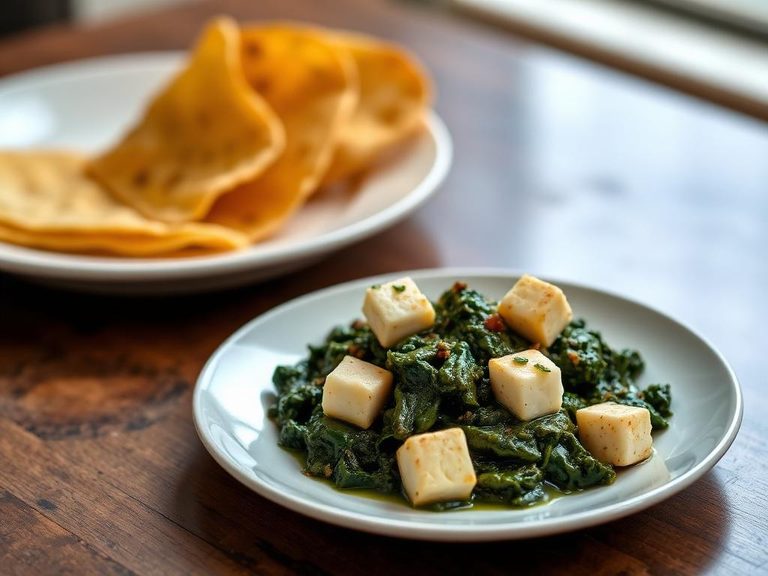
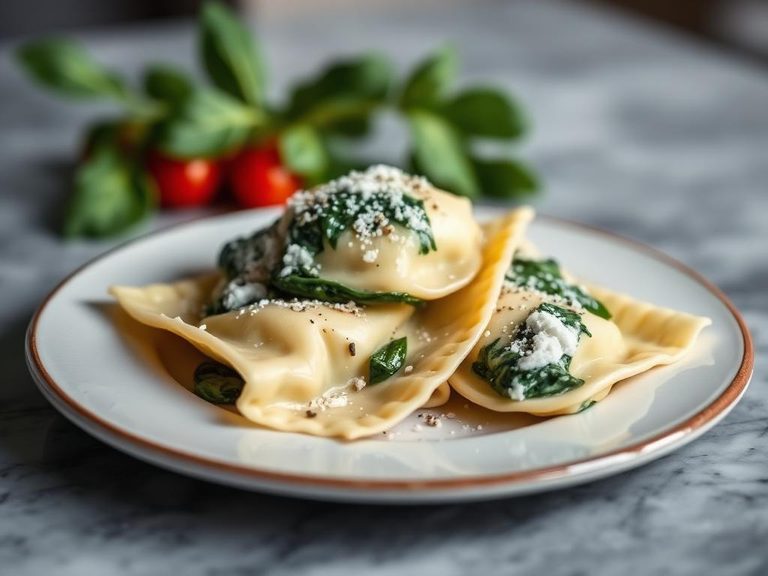
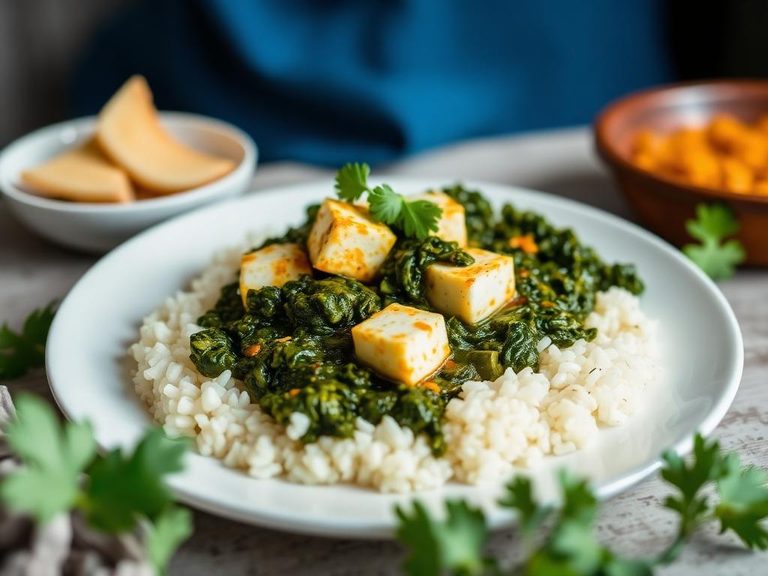
People love spinach for its incredible versatility—it absorbs flavors from garlic, butter, or cheese beautifully, making it a perfect side dish or ingredient. It's also a cultural icon, from Italian lasagna to Indian saag, representing comfort and nourishment across cuisines.
⚠️ Watch-outs & how to enjoy it better
The high oxalate content can bind to calcium and iron, reducing their absorption and potentially contributing to kidney stones in susceptible individuals. To counteract this, cook spinach (boiling and draining can reduce oxalates), pair it with a source of vitamin C (like lemon juice) to boost iron uptake, and consume it as part of a varied diet rather than in excessive daily quantities.
Key benefits
- Excellent source of plant-based iron and calcium.
- Rich in vitamins A, C, and K for immune and bone health.
- High in antioxidants like lutein and zeaxanthin for eye health.
- Good source of dietary fiber for digestive regularity.
- Provides plant-based protein with minimal carbohydrates.
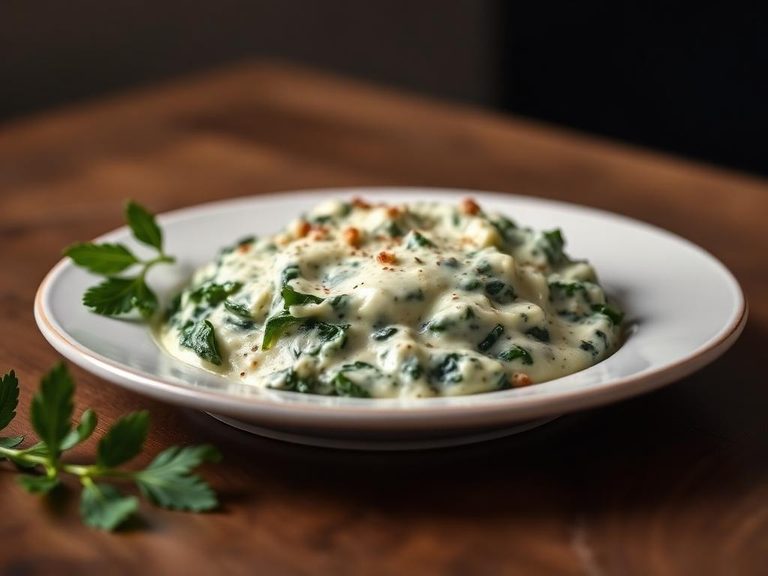
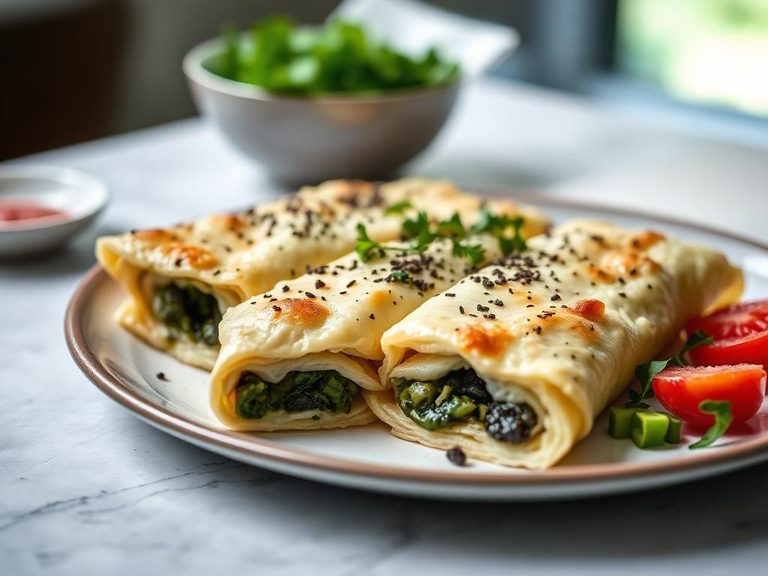
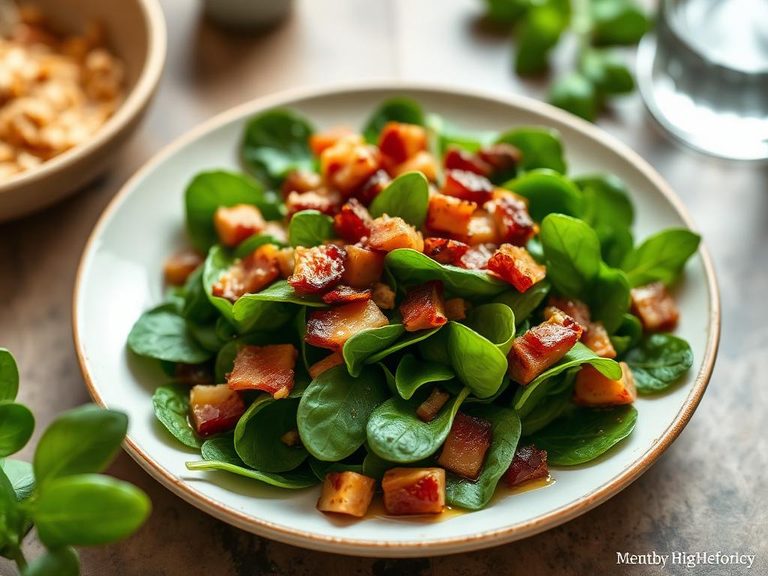
🍽️ Popular dishes
🌍 Where it's eaten
💡 Did you know?
Spinach is a member of the amaranth family, making it a close relative of beets and quinoa, not lettuce.
Full nutrition (USDA data · scales with serving)
| Water | 88.0 g |
| Energy | 59.0 kcal |
| Protein | 3.3 g |
| Total lipid (fat) | 3.7 g |
| Carbohydrate, by difference | 3.0 g |
| Fiber, total dietary | 1.8 g |
| Total Sugars | 0.48 g |
| Calcium, Ca | 77.0 mg |
| Iron, Fe | 1.2 mg |
| Magnesium, Mg | 106 mg |
| Phosphorus, P | 47.0 mg |
| Potassium, K | 524 mg |
| Sodium, Na | 264 mg |
| Zinc, Zn | 0.48 mg |
| Copper, Cu | 0.09 mg |
| Selenium, Se | 0.00 ug |
| Vitamin C, total ascorbic acid | 24.2 mg |
| Thiamin | 0.08 mg |
| Riboflavin | 0.21 mg |
| Niacin | 0.55 mg |
| Vitamin B-6 | 0.25 mg |
| Folate, total | 97.0 ug |
| Folic acid | 0.00 ug |
| Folate, food | 97.0 ug |
| Folate, DFE | 97.0 ug |
| Choline, total | 22.3 mg |
| Vitamin B-12 | 0.00 ug |
| Vitamin B-12, added | 0.00 ug |
| Vitamin A, RAE | 344 ug |
| Retinol | 13.0 ug |
| Carotene, beta | 3976 ug |
| Carotene, alpha | 0.00 ug |
| Cryptoxanthin, beta | 11.0 ug |
| Lycopene | 0.00 ug |
| Lutein + zeaxanthin | 8567 ug |
| Vitamin E (alpha-tocopherol) | 2.8 mg |
| Vitamin E, added | 0.00 mg |
| Vitamin D (D2 + D3) | 0.00 ug |
| Vitamin K (phylloquinone) | 552 ug |
| Alcohol, ethyl | 0.00 g |
| Caffeine | 0.00 mg |
| Theobromine | 0.00 mg |
Fat & fatty acid profile (per 100g)
| Fatty acids, total saturated | 0.85 g |
| SFA 4:0 | 0.02 g |
| SFA 6:0 | 0.01 g |
| SFA 8:0 | 0.01 g |
| SFA 10:0 | 0.02 g |
| SFA 12:0 | 0.02 g |
| SFA 14:0 | 0.09 g |
| SFA 16:0 | 0.48 g |
| SFA 18:0 | 0.17 g |
| Fatty acids, total monounsaturated | 1.1 g |
| MUFA 16:1 | 0.02 g |
| MUFA 18:1 | 1.0 g |
| MUFA 20:1 | 0.01 g |
| MUFA 22:1 | 0.00 g |
| Fatty acids, total polyunsaturated | 1.0 g |
| PUFA 18:2 | 0.79 g |
| PUFA 18:3 | 0.25 g |
| PUFA 18:4 | 0.00 g |
| PUFA 20:4 | 0.00 g |
| PUFA 20:5 n-3 (EPA) | 0.00 g |
| PUFA 22:5 n-3 (DPA) | 0.00 g |
| PUFA 22:6 n-3 (DHA) | 0.00 g |
| Cholesterol | 2.0 mg |
Amino acid profile (per 100g)
Estimated from Babyfood, vegetables, spinach, creamed, strained — USDA does not publish this profile for Spinach.
| Tryptophan | 0.04 g |
| Threonine | 0.10 g |
| Isoleucine | 0.11 g |
| Leucine | 0.22 g |
| Lysine | 0.15 g |
| Methionine | 0.06 g |
| Cystine | 0.03 g |
| Phenylalanine | 0.10 g |
| Tyrosine | 0.12 g |
| Valine | 0.15 g |
| Arginine | 0.15 g |
| Histidine | 0.06 g |
| Alanine | 0.12 g |
| Aspartic acid | 0.20 g |
| Glutamic acid | 0.42 g |
| Glycine | 0.10 g |
| Proline | 0.21 g |
| Serine | 0.10 g |
FAQ
Why does cooked spinach have so much fat listed?
The 3.68g of fat per 100g is primarily the natural, healthy fat found in the spinach leaves themselves, which becomes more concentrated as the leaves wilt and reduce in volume during cooking.
Is the sugar content a concern?
No. The 0.48g of sugar is naturally occurring and minimal. It is not added sugar and is part of the vegetable's natural carbohydrate profile, posing no concern for blood sugar in normal dietary amounts.
How can I reduce the 'gritty' texture sometimes found in spinach?
The grit is from sand and soil trapped in the leaves. Thoroughly rinse raw spinach in a basin of cold water, swishing it around, then lift the leaves out. Repeat if necessary. Cooking also helps dissolve and separate any remaining grit.
Nutrient density (calculated · NRF9.3)
Nutrient Rich Foods index: beneficial nutrients (protein, fiber, vitamins, minerals) minus saturated fat, added sugar & sodium, per 100 kcal.
NRF9.3 index — Fulgoni, Keast & Drewnowski, 2009. Computed from USDA nutrients.
Weight-loss friendliness (composite index)
Energy density 0.59 kcal/g · 23% calories from protein · 1.8 g fiber · 0.5 g sugar per 100 g.
Composite of energy density (Rolls et al., 1999), protein & fiber satiety, minus sugar. A calculated heuristic — ranks satiety-per-calorie, not a clinical measure.
Dietary load (calculated from USDA values)
Potential renal acid load. Positive = acid-forming, negative = alkaline-forming.
Sodium-to-potassium ratio: 0.50 (lower is better — aim for ≤ 1)
Sodium:potassium per WHO potassium guidance. Computed from USDA nutrients.