

Rice, white and wild, cooked, fat added
Common food

Photo: Wikipedia
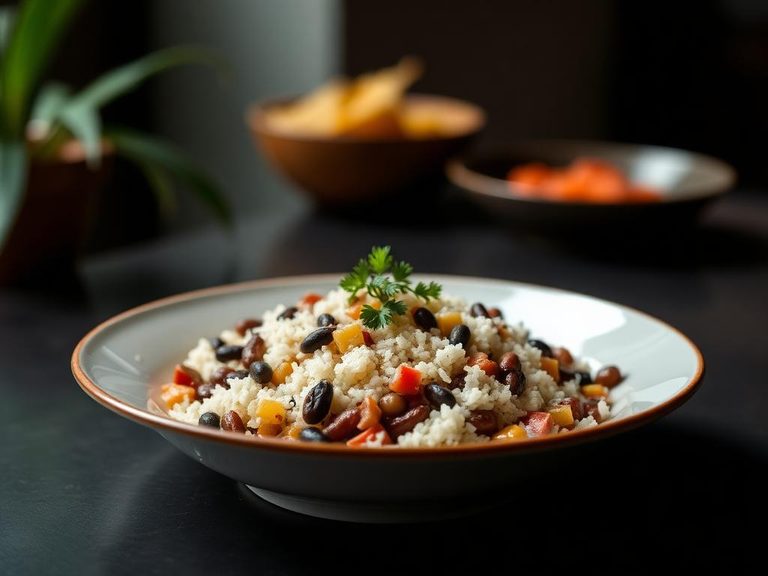
This is a hearty, aromatic blend of fluffy white rice and chewy, nutty wild rice grains, cooked together with a touch of fat for richness. The texture is a delightful contrast—soft and yielding white grains against the firm, pop-in-your-mouth wild rice. Nutritionally, it's a moderate-energy, low-fat carbohydrate base, providing quick energy with a small protein boost.
Calorie split: 8% protein · 75% carbs · 17% fat
↓ Full nutrition💚 Why it's loved
People love this blend for its sophisticated, earthy flavor profile and satisfying textural contrast that elevates a simple side dish. It's a versatile canvas that absorbs sauces and seasonings beautifully, making it a staple in both comforting home cooking and elegant restaurant presentations.
⚠️ Watch-outs & how to enjoy it better
The added fat, while enhancing flavor and texture, increases the calorie density, which may be a consideration for those monitoring intake. For individuals managing blood sugar, the high carbohydrate content can cause a rapid spike if eaten alone. To counteract this, always pair it with a source of protein (like grilled chicken or tofu) and non-starchy vegetables, and practice portion control by filling half your plate with veggies first.
Key benefits
- Good source of complex carbohydrates for sustained energy.
- Wild rice adds dietary fiber and a range of B vitamins.
- The added fat helps with the absorption of fat-soluble vitamins.
- Naturally low in sugar and a suitable base for balanced meals.
- Provides a complete protein when paired with legumes or animal sources.
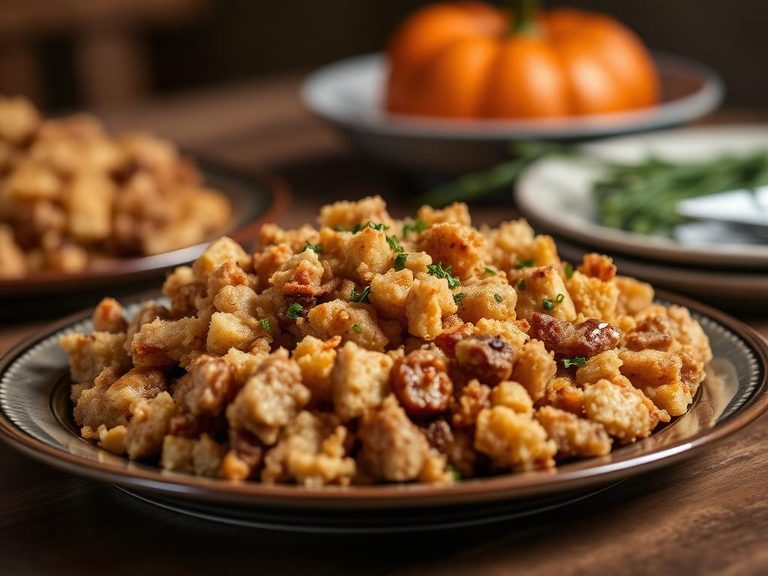
🍽️ Popular dishes
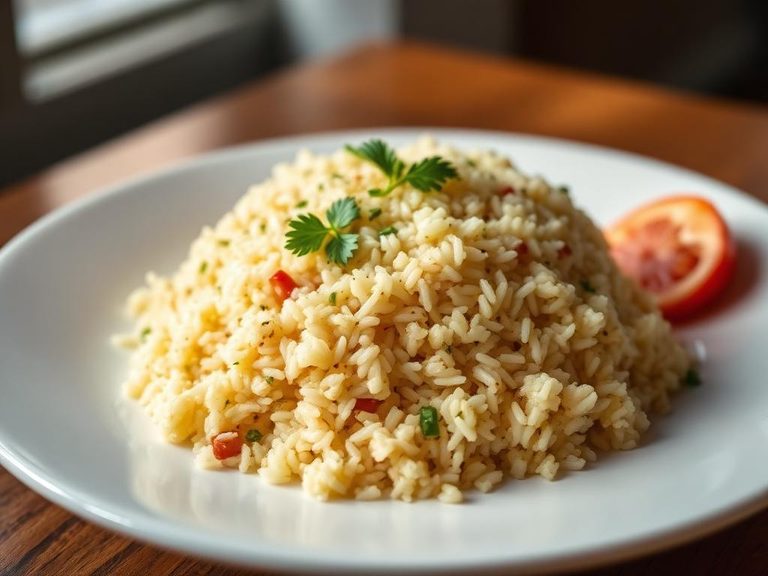
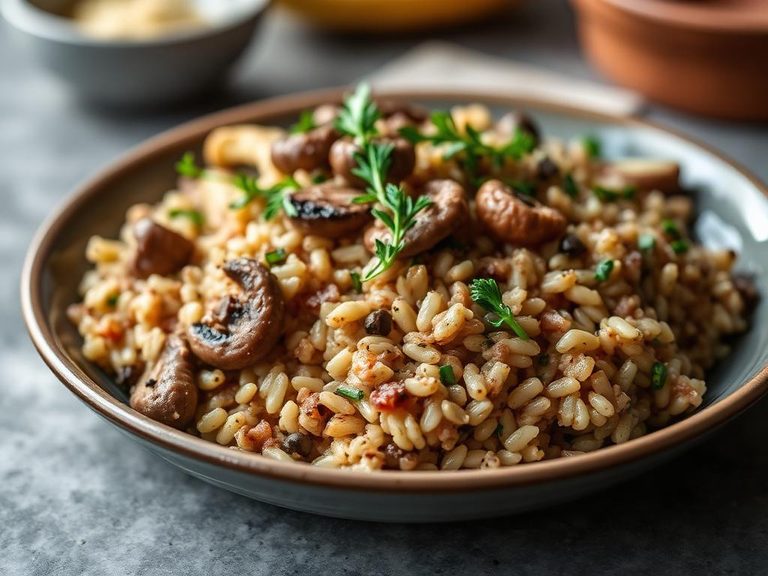
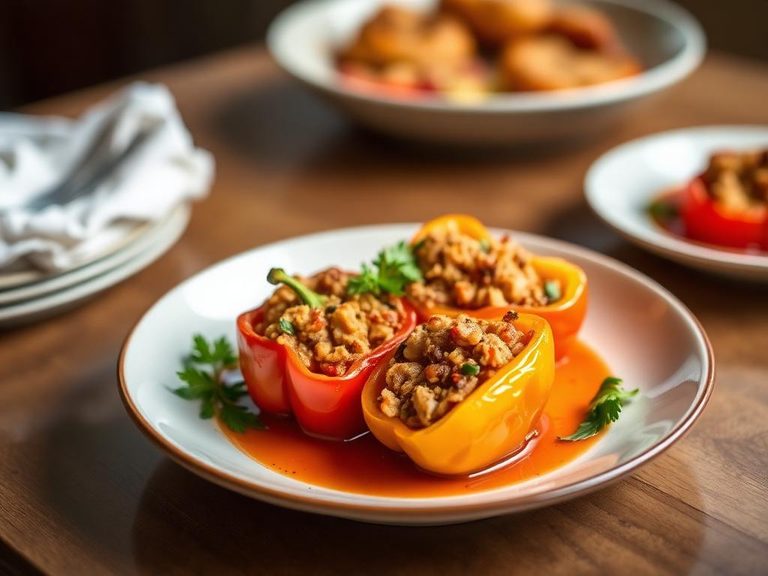
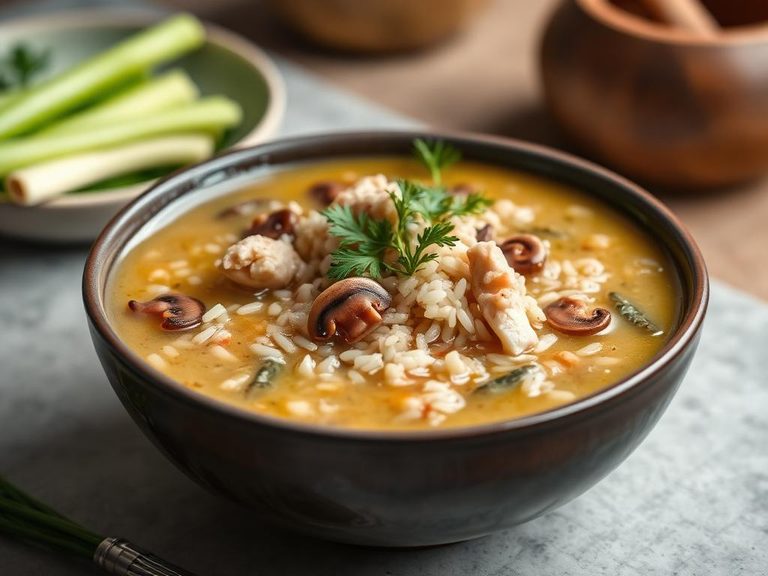
🌍 Where it's eaten
💡 Did you know?
Wild rice isn't technically a rice at all; it's the seed of an aquatic grass (Zizania) native to the Great Lakes region of North America, and it was a sacred staple for many Indigenous peoples.
Full nutrition (USDA data · scales with serving)
| Water | 73.5 g |
| Energy | 112 kcal |
| Protein | 2.2 g |
| Total lipid (fat) | 2.1 g |
| Carbohydrate, by difference | 20.6 g |
| Fiber, total dietary | 0.50 g |
| Total Sugars | 0.13 g |
| Calcium, Ca | 11.0 mg |
| Iron, Fe | 0.98 mg |
| Magnesium, Mg | 14.0 mg |
| Phosphorus, P | 41.0 mg |
| Potassium, K | 41.0 mg |
| Sodium, Na | 510 mg |
| Zinc, Zn | 0.50 mg |
| Copper, Cu | 0.08 mg |
| Selenium, Se | 3.4 ug |
| Vitamin C, total ascorbic acid | 0.00 mg |
| Thiamin | 0.10 mg |
| Riboflavin | 0.02 mg |
| Niacin | 1.2 mg |
| Vitamin B-6 | 0.05 mg |
| Folate, total | 38.0 ug |
| Folic acid | 34.0 ug |
| Folate, food | 4.0 ug |
| Folate, DFE | 62.0 ug |
| Choline, total | 3.0 mg |
| Vitamin B-12 | 0.00 ug |
| Vitamin B-12, added | 0.00 ug |
| Vitamin A, RAE | 20.0 ug |
| Retinol | 19.0 ug |
| Carotene, beta | 15.0 ug |
| Carotene, alpha | 0.00 ug |
| Cryptoxanthin, beta | 0.00 ug |
| Lycopene | 0.00 ug |
| Lutein + zeaxanthin | 9.0 ug |
| Vitamin E (alpha-tocopherol) | 0.28 mg |
| Vitamin E, added | 0.00 mg |
| Vitamin D (D2 + D3) | 0.10 ug |
| Vitamin K (phylloquinone) | 2.3 ug |
| Alcohol, ethyl | 0.00 g |
| Caffeine | 0.00 mg |
| Theobromine | 0.00 mg |
Fat & fatty acid profile (per 100g)
| Fatty acids, total saturated | 0.41 g |
| SFA 4:0 | 0.00 g |
| SFA 6:0 | 0.00 g |
| SFA 8:0 | 0.00 g |
| SFA 10:0 | 0.00 g |
| SFA 12:0 | 0.00 g |
| SFA 14:0 | 0.00 g |
| SFA 16:0 | 0.24 g |
| SFA 18:0 | 0.15 g |
| Fatty acids, total monounsaturated | 0.99 g |
| MUFA 16:1 | 0.00 g |
| MUFA 18:1 | 0.98 g |
| MUFA 20:1 | 0.00 g |
| MUFA 22:1 | 0.00 g |
| Fatty acids, total polyunsaturated | 0.65 g |
| PUFA 18:2 | 0.58 g |
| PUFA 18:3 | 0.07 g |
| PUFA 18:4 | 0.00 g |
| PUFA 20:4 | 0.00 g |
| PUFA 20:5 n-3 (EPA) | 0.00 g |
| PUFA 22:5 n-3 (DPA) | 0.00 g |
| PUFA 22:6 n-3 (DHA) | 0.00 g |
| Cholesterol | 0.00 mg |
Amino acid profile (per 100g)
Estimated from Snacks, rice cakes, brown rice, sesame seed — USDA does not publish this profile for Rice.
| Tryptophan | 0.10 g |
| Threonine | 0.28 g |
| Isoleucine | 0.32 g |
| Leucine | 0.63 g |
| Lysine | 0.29 g |
| Methionine | 0.17 g |
| Cystine | 0.09 g |
| Phenylalanine | 0.39 g |
| Tyrosine | 0.29 g |
| Valine | 0.44 g |
| Arginine | 0.59 g |
| Histidine | 0.19 g |
| Alanine | 0.44 g |
| Aspartic acid | 0.71 g |
| Glutamic acid | 1.6 g |
| Glycine | 0.38 g |
| Proline | 0.35 g |
| Serine | 0.39 g |
FAQ
What's the difference between white and wild rice?
White rice is the refined grain with the bran and germ removed, making it softer and quicker to cook. Wild rice is an aquatic grass seed with a chewy outer hull, offering a nuttier flavor, more fiber, and a longer cooking time. This blend combines both for balance.
Why is fat added to the cooking water?
A small amount of fat (like butter or oil) is often added to prevent the rice grains from sticking together, enhance the overall flavor and mouthfeel, and help the rice cook with a more distinct, separate grain texture.
How does this blend affect blood sugar compared to plain white rice?
The wild rice component has a lower glycemic index and more fiber than white rice, which can slightly slow the overall glycemic response of the blend. However, it's still a high-carb food, so pairing it with protein and fat is key for stable blood sugar.
Nutrient density (calculated · NRF9.3)
Nutrient Rich Foods index: beneficial nutrients (protein, fiber, vitamins, minerals) minus saturated fat, added sugar & sodium, per 100 kcal.
NRF9.3 index — Fulgoni, Keast & Drewnowski, 2009. Computed from USDA nutrients.
Weight-loss friendliness (composite index)
Energy density 1.12 kcal/g · 8% calories from protein · 0.5 g fiber · 0.1 g sugar per 100 g.
Composite of energy density (Rolls et al., 1999), protein & fiber satiety, minus sugar. A calculated heuristic — ranks satiety-per-calorie, not a clinical measure.
Dietary load (calculated from USDA values)
Potential renal acid load. Positive = acid-forming, negative = alkaline-forming.
Sodium-to-potassium ratio: 12.44 (lower is better — aim for ≤ 1)
Sodium:potassium per WHO potassium guidance. Computed from USDA nutrients.