

Rice, white and wild, cooked, no added fat
Common food

Photo: Wikipedia
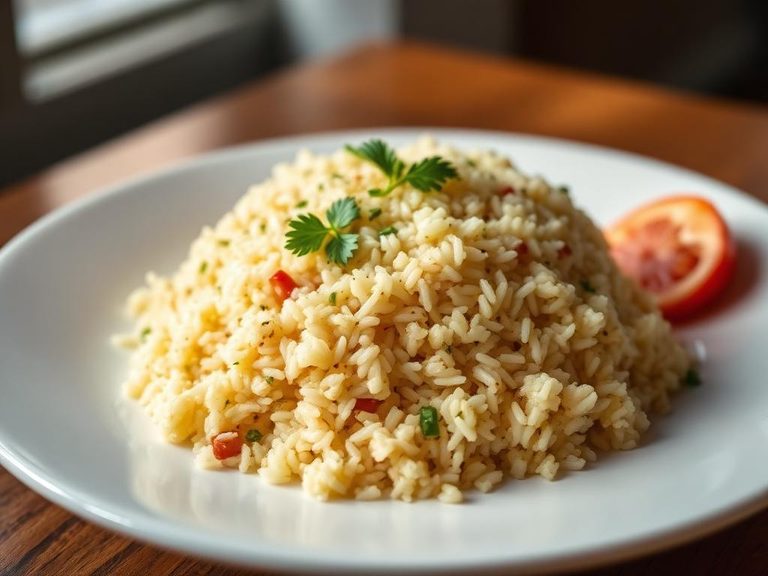
A harmonious blend of fluffy white rice and chewy, nutty wild rice grains, creating a delightful textural contrast. This simple, no-fat preparation highlights the natural, earthy flavors of the grains themselves. It's a low-calorie, carbohydrate-rich base that provides sustained energy without added fats.
Calorie split: 9% protein · 89% carbs · 2% fat
↓ Full nutrition💚 Why it's loved
People love this blend for its satisfying, toothsome texture and mild, versatile flavor that pairs perfectly with everything from savory stews to fresh herbs. It's a staple that bridges simple home cooking and elegant presentation.
⚠️ Watch-outs & how to enjoy it better
As a high-carb, low-fiber, low-protein food, it can cause rapid blood sugar spikes, especially for those with insulin sensitivity. To counteract this, pair it with a source of protein (like beans, chicken, or tofu) and healthy fat (like avocado or olive oil) to slow digestion and stabilize energy levels.
Key benefits
- Excellent source of complex carbohydrates for energy
- Very low in fat and naturally cholesterol-free
- Contains fiber from the wild rice component
- Provides a small amount of plant-based protein
- Gluten-free and naturally vegan
🍽️ Popular dishes
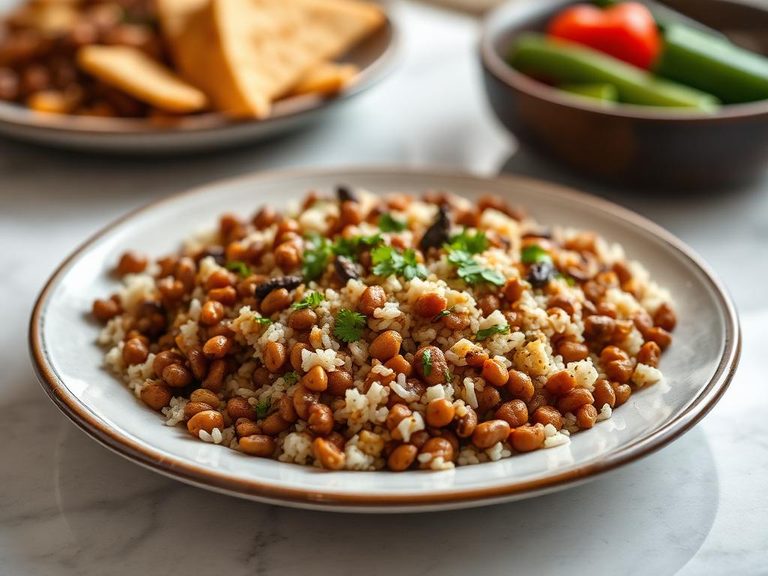
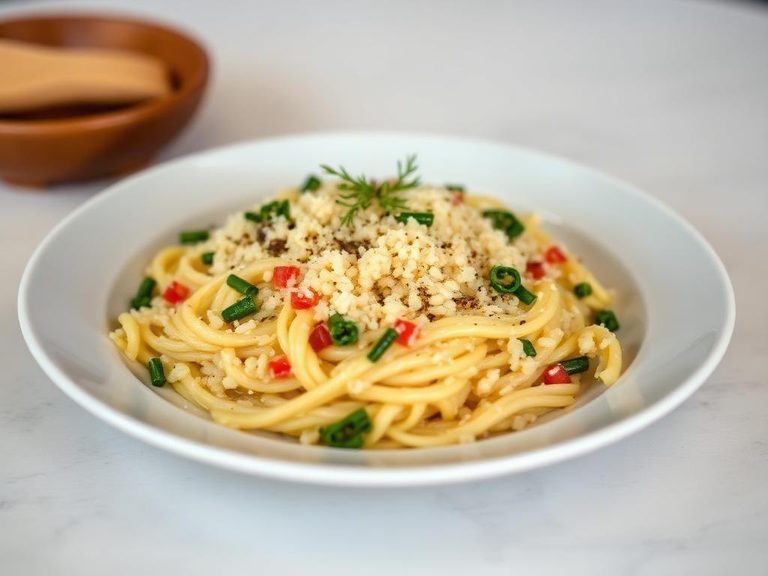
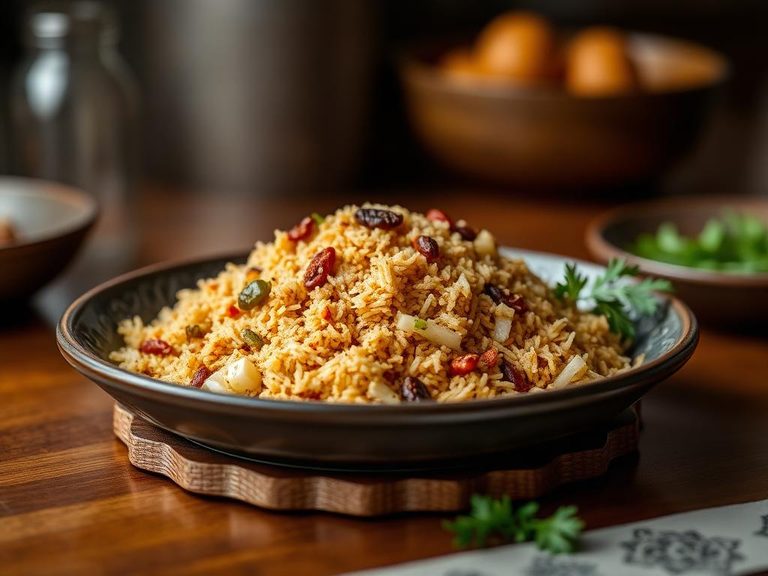
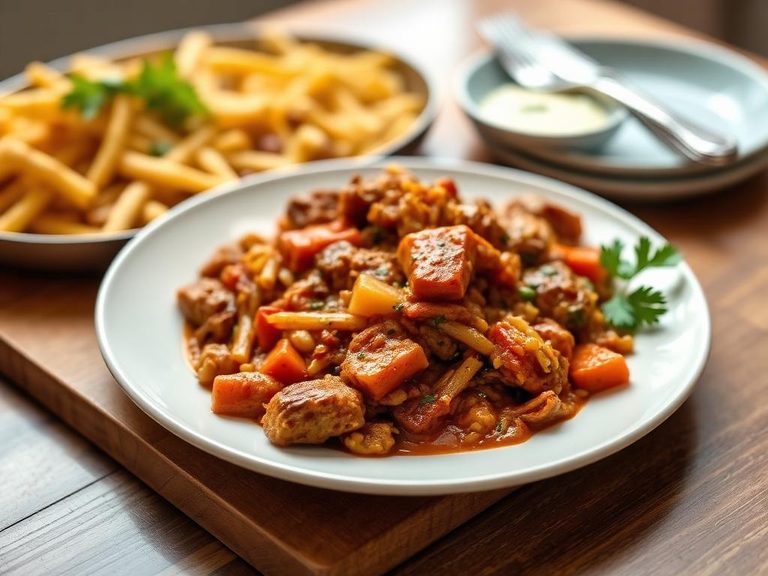
🌍 Where it's eaten
💡 Did you know?
Wild rice is not actually rice at all; it's the semi-aquatic seed of a North American grass, while white rice is the polished grain of a true rice plant.
Full nutrition (USDA data · scales with serving)
| Water | 79.5 g |
| Energy | 79.0 kcal |
| Protein | 1.8 g |
| Total lipid (fat) | 0.16 g |
| Carbohydrate, by difference | 17.2 g |
| Fiber, total dietary | 0.50 g |
| Total Sugars | 0.11 g |
| Calcium, Ca | 9.0 mg |
| Iron, Fe | 0.81 mg |
| Magnesium, Mg | 12.0 mg |
| Phosphorus, P | 34.0 mg |
| Potassium, K | 34.0 mg |
| Sodium, Na | 401 mg |
| Zinc, Zn | 0.42 mg |
| Copper, Cu | 0.06 mg |
| Selenium, Se | 2.9 ug |
| Vitamin C, total ascorbic acid | 0.00 mg |
| Thiamin | 0.09 mg |
| Riboflavin | 0.02 mg |
| Niacin | 1.0 mg |
| Vitamin B-6 | 0.04 mg |
| Folate, total | 32.0 ug |
| Folic acid | 28.0 ug |
| Folate, food | 3.0 ug |
| Folate, DFE | 52.0 ug |
| Choline, total | 2.3 mg |
| Vitamin B-12 | 0.00 ug |
| Vitamin B-12, added | 0.00 ug |
| Vitamin A, RAE | 0.00 ug |
| Retinol | 0.00 ug |
| Carotene, beta | 0.00 ug |
| Carotene, alpha | 0.00 ug |
| Cryptoxanthin, beta | 0.00 ug |
| Lycopene | 0.00 ug |
| Lutein + zeaxanthin | 7.0 ug |
| Vitamin E (alpha-tocopherol) | 0.05 mg |
| Vitamin E, added | 0.00 mg |
| Vitamin D (D2 + D3) | 0.00 ug |
| Vitamin K (phylloquinone) | 0.10 ug |
| Alcohol, ethyl | 0.00 g |
| Caffeine | 0.00 mg |
| Theobromine | 0.00 mg |
Fat & fatty acid profile (per 100g)
| Fatty acids, total saturated | 0.04 g |
| SFA 4:0 | 0.00 g |
| SFA 6:0 | 0.00 g |
| SFA 8:0 | 0.00 g |
| SFA 10:0 | 0.00 g |
| SFA 12:0 | 0.00 g |
| SFA 14:0 | 0.00 g |
| SFA 16:0 | 0.03 g |
| SFA 18:0 | 0.00 g |
| Fatty acids, total monounsaturated | 0.04 g |
| MUFA 16:1 | 0.00 g |
| MUFA 18:1 | 0.04 g |
| MUFA 20:1 | 0.00 g |
| MUFA 22:1 | 0.00 g |
| Fatty acids, total polyunsaturated | 0.06 g |
| PUFA 18:2 | 0.04 g |
| PUFA 18:3 | 0.02 g |
| PUFA 18:4 | 0.00 g |
| PUFA 20:4 | 0.00 g |
| PUFA 20:5 n-3 (EPA) | 0.00 g |
| PUFA 22:5 n-3 (DPA) | 0.00 g |
| PUFA 22:6 n-3 (DHA) | 0.00 g |
| Cholesterol | 0.00 mg |
Amino acid profile (per 100g)
Estimated from Snacks, rice cakes, brown rice, sesame seed — USDA does not publish this profile for Rice.
| Tryptophan | 0.10 g |
| Threonine | 0.28 g |
| Isoleucine | 0.32 g |
| Leucine | 0.63 g |
| Lysine | 0.29 g |
| Methionine | 0.17 g |
| Cystine | 0.09 g |
| Phenylalanine | 0.39 g |
| Tyrosine | 0.29 g |
| Valine | 0.44 g |
| Arginine | 0.59 g |
| Histidine | 0.19 g |
| Alanine | 0.44 g |
| Aspartic acid | 0.71 g |
| Glutamic acid | 1.6 g |
| Glycine | 0.38 g |
| Proline | 0.35 g |
| Serine | 0.39 g |
FAQ
Is this blend gluten-free?
Yes, both white rice and wild rice are naturally gluten-free, making this blend safe for those with celiac disease or gluten sensitivity.
Why is it called 'wild rice' if it's mixed with white rice?
'Wild rice' refers to the specific, dark, long-grain aquatic grass seed. The 'blend' simply means it's mixed with conventional polished white rice for texture and flavor contrast.
How does the nutrition differ from plain white rice?
The wild rice adds slightly more fiber, protein, and minerals like magnesium and zinc compared to white rice alone, but the overall calorie and carb profile remains similar.
Nutrient density (calculated · NRF9.3)
Nutrient Rich Foods index: beneficial nutrients (protein, fiber, vitamins, minerals) minus saturated fat, added sugar & sodium, per 100 kcal.
NRF9.3 index — Fulgoni, Keast & Drewnowski, 2009. Computed from USDA nutrients.
Weight-loss friendliness (composite index)
Energy density 0.79 kcal/g · 9% calories from protein · 0.5 g fiber · 0.1 g sugar per 100 g.
Composite of energy density (Rolls et al., 1999), protein & fiber satiety, minus sugar. A calculated heuristic — ranks satiety-per-calorie, not a clinical measure.
Dietary load (calculated from USDA values)
Potential renal acid load. Positive = acid-forming, negative = alkaline-forming.
Sodium-to-potassium ratio: 11.79 (lower is better — aim for ≤ 1)
Sodium:potassium per WHO potassium guidance. Computed from USDA nutrients.