

Prune, dried
Common food

Photo: Wikipedia
A prune is a dried plum, typically the French d'Ente variety, transformed by dehydration into a wrinkled, deep purple jewel with a dense, chewy texture and a concentrated, sweet-tart flavor reminiscent of caramel and dried berries. Nutritionally, it's a powerhouse of fiber and natural sugars, delivering a quick energy boost alongside significant amounts of potassium and vitamin K.
Calorie split: 3% protein · 95% carbs · 1% fat
↓ Full nutrition💚 Why it's loved
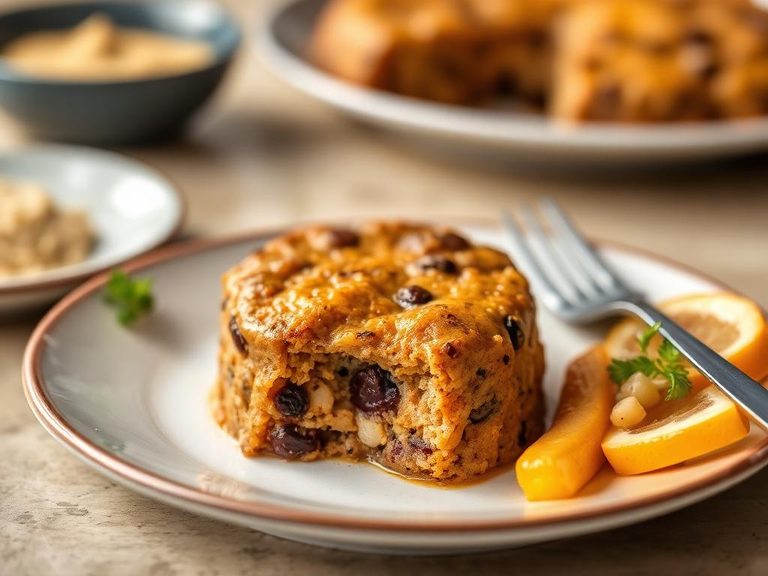
People adore prunes for their uniquely rich, complex sweetness that's less cloying than other dried fruits, making them a satisfying snack. Their versatility shines in both sweet and savory cooking, from baking into dense cakes to glazing roasted meats.
⚠️ Watch-outs & how to enjoy it better
The high natural sugar content (38g per 100g) can cause blood-sugar spikes if eaten in large quantities, and their laxative effect is well-known. To counteract this, practice portion control (e.g., 3-4 prunes as a snack) and pair them with a protein or fat source like a handful of almonds or a piece of cheese to slow sugar absorption.
Key benefits
- Excellent source of dietary fiber (7.1g per 100g) for digestive health.
- Rich in potassium, supporting heart and muscle function.
- Provides a quick, natural energy source from its concentrated carbohydrates.
- Contains antioxidants like phenolic compounds and beta-carotene.
- A good source of vitamin K, important for bone health.
🍽️ Popular dishes
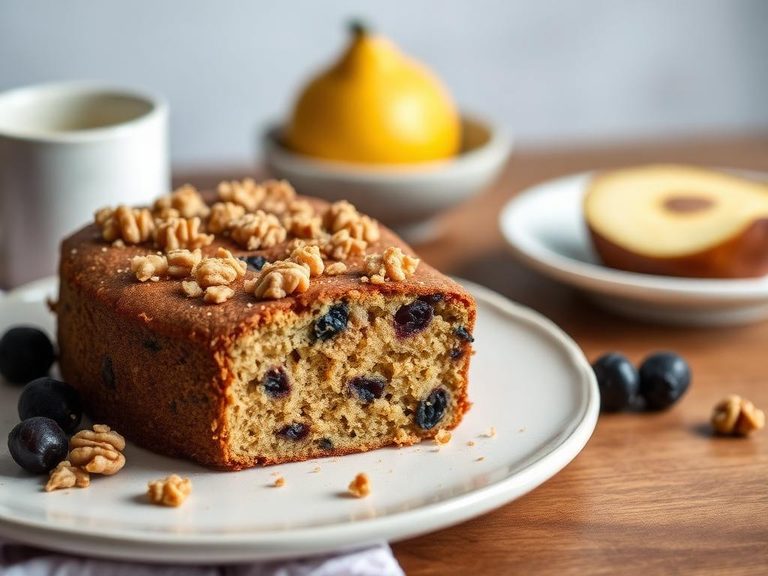
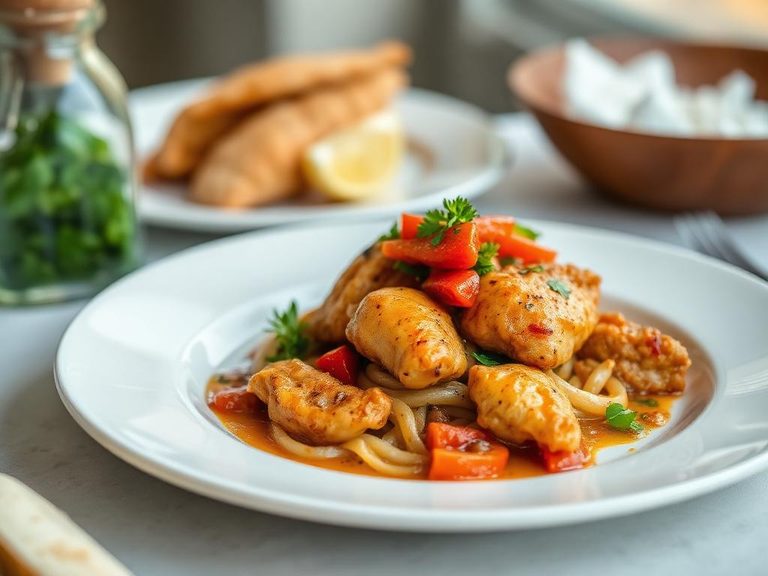
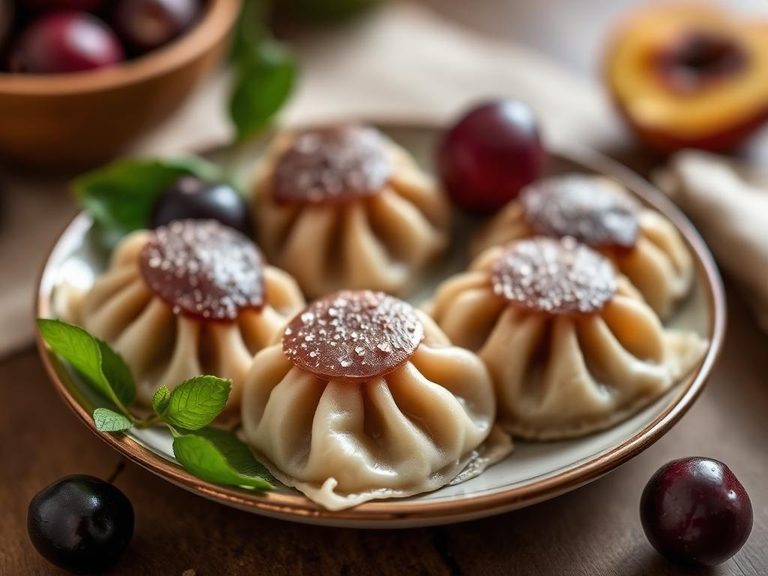
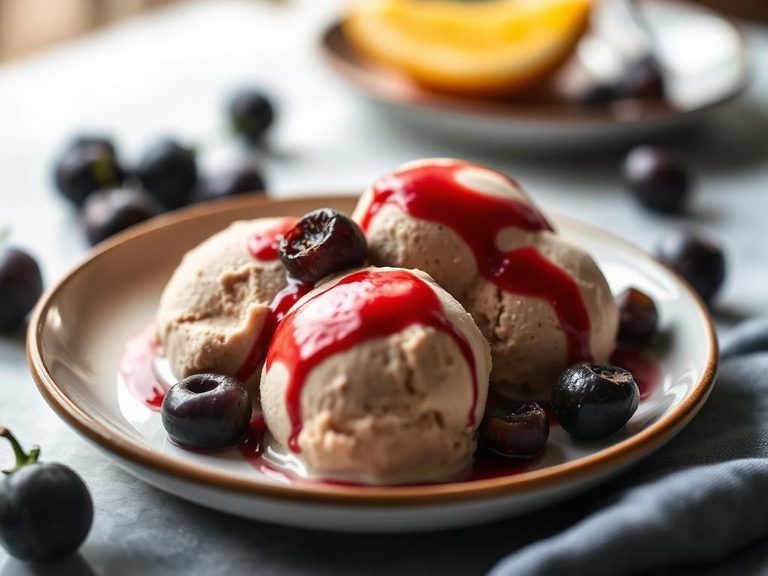
🌍 Where it's eaten
💡 Did you know?
The name 'prune' comes from the Latin 'pruna,' meaning 'plum,' and the modern dried fruit industry was largely pioneered in California in the late 19th century after a French immigrant, Louis Pellier, brought plum cuttings from his native Agen.
Full nutrition (USDA data · scales with serving)
| Water | 30.9 g |
| Energy | 240 kcal |
| Protein | 2.2 g |
| Total lipid (fat) | 0.38 g |
| Carbohydrate, by difference | 63.9 g |
| Fiber, total dietary | 7.1 g |
| Total Sugars | 38.1 g |
| Calcium, Ca | 43.0 mg |
| Iron, Fe | 0.93 mg |
| Magnesium, Mg | 41.0 mg |
| Phosphorus, P | 69.0 mg |
| Potassium, K | 732 mg |
| Sodium, Na | 2.0 mg |
| Zinc, Zn | 0.44 mg |
| Copper, Cu | 0.28 mg |
| Selenium, Se | 0.30 ug |
| Vitamin C, total ascorbic acid | 0.60 mg |
| Thiamin | 0.05 mg |
| Riboflavin | 0.19 mg |
| Niacin | 1.9 mg |
| Vitamin B-6 | 0.20 mg |
| Folate, total | 4.0 ug |
| Folic acid | 0.00 ug |
| Folate, food | 4.0 ug |
| Folate, DFE | 4.0 ug |
| Choline, total | 10.1 mg |
| Vitamin B-12 | 0.00 ug |
| Vitamin B-12, added | 0.00 ug |
| Vitamin A, RAE | 39.0 ug |
| Retinol | 0.00 ug |
| Carotene, beta | 394 ug |
| Carotene, alpha | 57.0 ug |
| Cryptoxanthin, beta | 93.0 ug |
| Lycopene | 0.00 ug |
| Lutein + zeaxanthin | 148 ug |
| Vitamin E (alpha-tocopherol) | 0.43 mg |
| Vitamin E, added | 0.00 mg |
| Vitamin D (D2 + D3) | 0.00 ug |
| Vitamin K (phylloquinone) | 59.5 ug |
| Alcohol, ethyl | 0.00 g |
| Caffeine | 0.00 mg |
| Theobromine | 0.00 mg |
Fat & fatty acid profile (per 100g)
| Fatty acids, total saturated | 0.09 g |
| SFA 4:0 | 0.00 g |
| SFA 6:0 | 0.00 g |
| SFA 8:0 | 0.01 g |
| SFA 10:0 | 0.01 g |
| SFA 12:0 | 0.00 g |
| SFA 14:0 | 0.00 g |
| SFA 16:0 | 0.03 g |
| SFA 18:0 | 0.04 g |
| Fatty acids, total monounsaturated | 0.05 g |
| MUFA 16:1 | 0.04 g |
| MUFA 18:1 | 0.01 g |
| MUFA 20:1 | 0.00 g |
| MUFA 22:1 | 0.00 g |
| Fatty acids, total polyunsaturated | 0.06 g |
| PUFA 18:2 | 0.04 g |
| PUFA 18:3 | 0.02 g |
| PUFA 18:4 | 0.00 g |
| PUFA 20:4 | 0.00 g |
| PUFA 20:5 n-3 (EPA) | 0.00 g |
| PUFA 22:5 n-3 (DPA) | 0.00 g |
| PUFA 22:6 n-3 (DHA) | 0.00 g |
| Cholesterol | 0.00 mg |
Amino acid profile (per 100g)
Estimated from Plums, dried (prunes), uncooked — USDA does not publish this profile for Prune.
| Tryptophan | 0.03 g |
| Threonine | 0.05 g |
| Isoleucine | 0.04 g |
| Leucine | 0.07 g |
| Lysine | 0.05 g |
| Methionine | 0.02 g |
| Cystine | 0.01 g |
| Phenylalanine | 0.05 g |
| Tyrosine | 0.02 g |
| Valine | 0.06 g |
| Arginine | 0.04 g |
| Histidine | 0.03 g |
| Alanine | 0.07 g |
| Aspartic acid | 0.80 g |
| Glutamic acid | 0.11 g |
| Glycine | 0.05 g |
| Proline | 0.13 g |
| Serine | 0.06 g |
FAQ
Why are prunes sometimes called 'dried plums'?
In 2001, the California Prune Board officially rebranded prunes as 'dried plums' to combat negative associations and appeal to a broader market, though the name 'prune' has since returned to prominence.
Are prunes really good for digestion?
Yes, their high fiber content (both soluble and insoluble) and natural compounds like sorbitol and phenolic compounds work together to promote regular bowel movements and support gut health.
How should I store prunes?
Store them in an airtight container in a cool, dark place like a pantry for up to 6 months, or in the refrigerator for up to a year to maintain their soft texture and prevent drying out.
Nutrient density (calculated · NRF9.3)
Nutrient Rich Foods index: beneficial nutrients (protein, fiber, vitamins, minerals) minus saturated fat, added sugar & sodium, per 100 kcal.
NRF9.3 index — Fulgoni, Keast & Drewnowski, 2009. Computed from USDA nutrients.
Weight-loss friendliness (composite index)
Energy density 2.40 kcal/g · 4% calories from protein · 7.1 g fiber · 38.1 g sugar per 100 g.
Composite of energy density (Rolls et al., 1999), protein & fiber satiety, minus sugar. A calculated heuristic — ranks satiety-per-calorie, not a clinical measure.
Dietary load (calculated from USDA values)
Potential renal acid load. Positive = acid-forming, negative = alkaline-forming.
Sodium-to-potassium ratio: 0.00 (lower is better — aim for ≤ 1)
Sodium:potassium per WHO potassium guidance. Computed from USDA nutrients.