

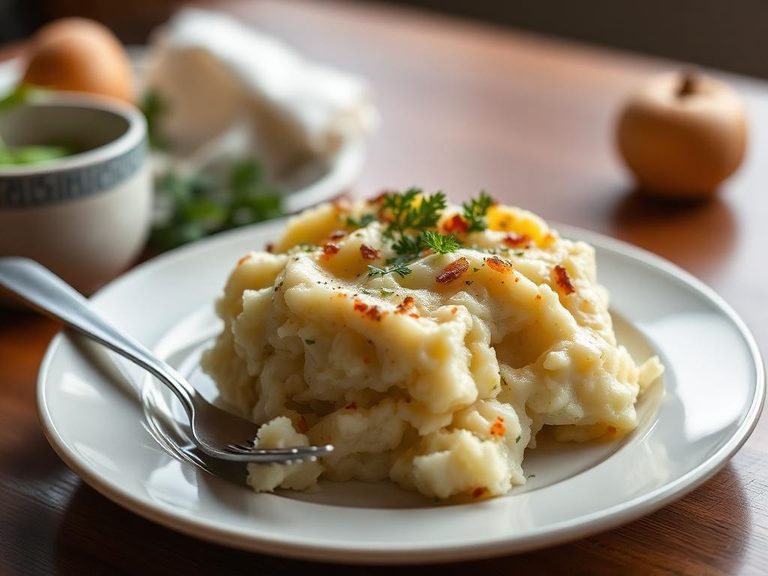
Potato, mashed, from dry mix, made with milk, with cheese
Common food

Photo: Wikipedia
A comforting, creamy side dish reconstituted from dehydrated potato flakes, rehydrated with milk and enriched with melted cheese. Its texture is typically smooth and velvety, with a rich, savory flavor profile that balances the mild earthiness of potato with the tang of dairy. Nutritionally, it provides a moderate calorie source with a notable fat content from the added cheese and milk.
Calorie split: 12% protein · 31% carbs · 58% fat
↓ Full nutrition💚 Why it's loved
People love its nostalgic, homestyle comfort and the savory, cheesy flavor that elevates a simple potato base. It's a versatile side that pairs well with a wide range of main courses, from roasts to burgers.
⚠️ Watch-outs & how to enjoy it better
The high fat and sodium content, often from added cheese and salt, can be a concern for those monitoring heart health or blood pressure. The relatively low fiber and potential for a quick blood-sugar spike make it less ideal for diabetics or those needing sustained energy. To mitigate, pair it with a lean protein and non-starchy vegetables, and be mindful of portion size.
Key benefits
- Quick and convenient to prepare, requiring minimal cooking time.
- Provides a source of energy from carbohydrates.
- Contains calcium and protein from the milk and cheese.
- Offers a familiar, comforting flavor and texture.
🍽️ Popular dishes
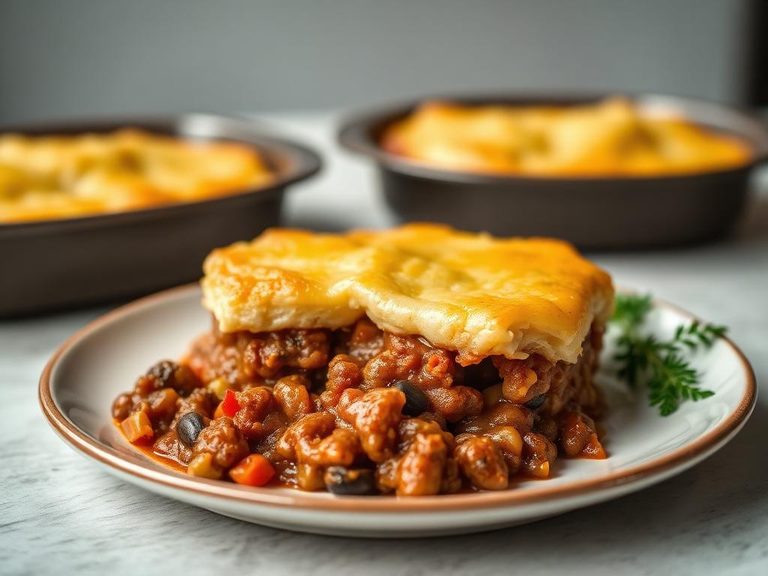
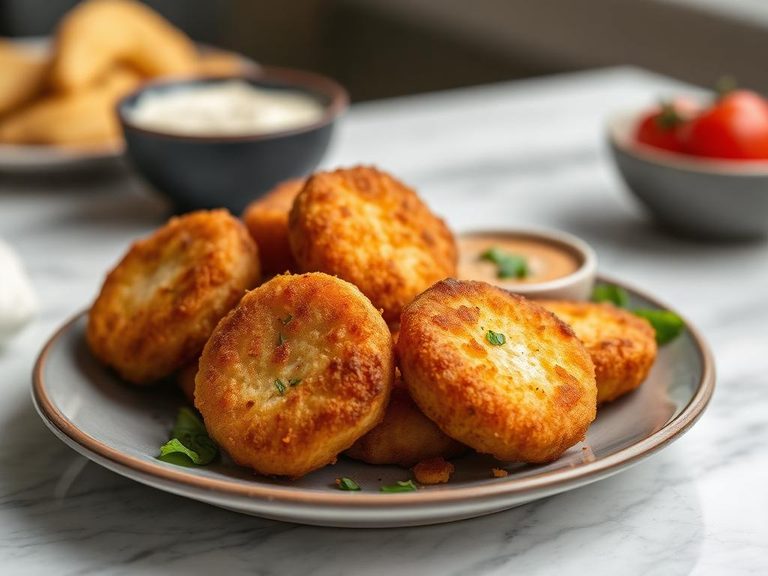
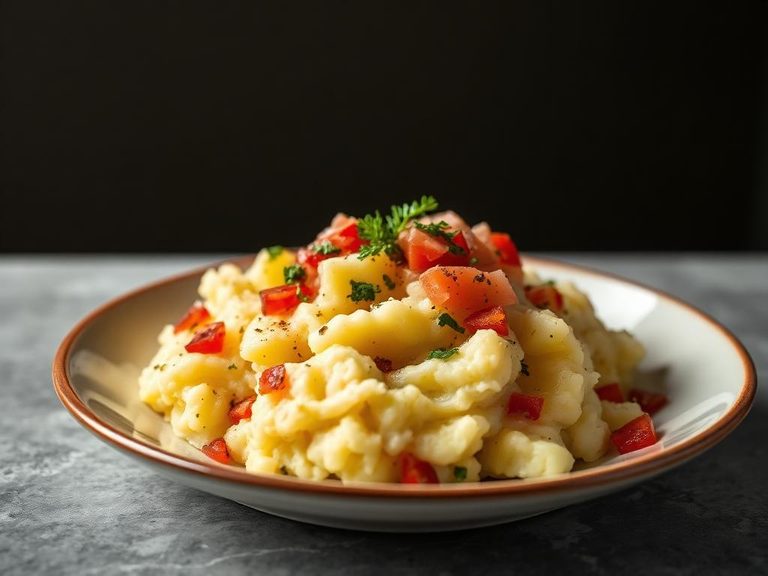
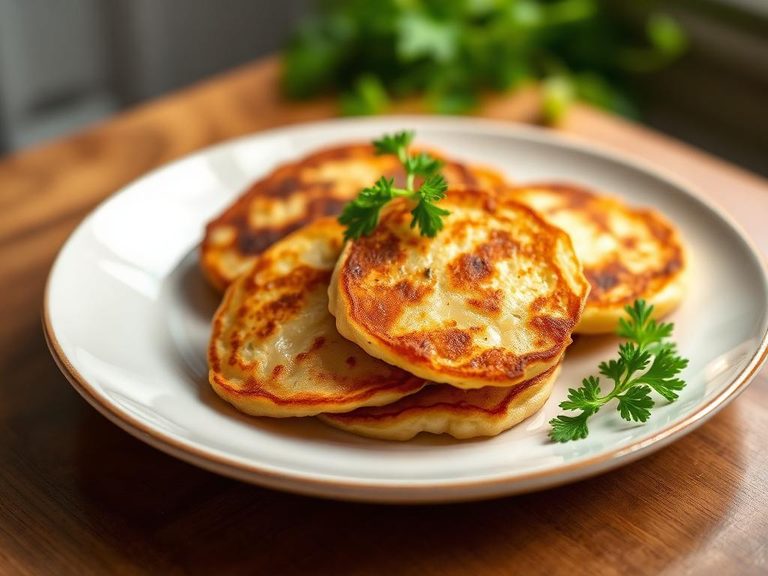
🌍 Where it's eaten
💡 Did you know?
Instant mashed potato flakes were developed in the 1950s and were a key food item on the Apollo space missions, valued for their long shelf life and ease of preparation in microgravity.
Full nutrition (USDA data · scales with serving)
| Water | 73.0 g |
| Energy | 148 kcal |
| Protein | 4.3 g |
| Total lipid (fat) | 9.6 g |
| Carbohydrate, by difference | 11.5 g |
| Fiber, total dietary | 0.80 g |
| Total Sugars | 1.5 g |
| Calcium, Ca | 107 mg |
| Iron, Fe | 0.18 mg |
| Magnesium, Mg | 14.0 mg |
| Phosphorus, P | 92.0 mg |
| Potassium, K | 179 mg |
| Sodium, Na | 295 mg |
| Zinc, Zn | 0.58 mg |
| Copper, Cu | 0.03 mg |
| Selenium, Se | 3.8 ug |
| Vitamin C, total ascorbic acid | 10.4 mg |
| Thiamin | 0.14 mg |
| Riboflavin | 0.11 mg |
| Niacin | 0.82 mg |
| Vitamin B-6 | 0.16 mg |
| Folate, total | 9.0 ug |
| Folic acid | 0.00 ug |
| Folate, food | 9.0 ug |
| Folate, DFE | 9.0 ug |
| Choline, total | 13.8 mg |
| Vitamin B-12 | 0.16 ug |
| Vitamin B-12, added | 0.00 ug |
| Vitamin A, RAE | 90.0 ug |
| Retinol | 88.0 ug |
| Carotene, beta | 21.0 ug |
| Carotene, alpha | 0.00 ug |
| Cryptoxanthin, beta | 0.00 ug |
| Lycopene | 0.00 ug |
| Lutein + zeaxanthin | 5.0 ug |
| Vitamin E (alpha-tocopherol) | 0.45 mg |
| Vitamin E, added | 0.00 mg |
| Vitamin D (D2 + D3) | 0.10 ug |
| Vitamin K (phylloquinone) | 3.5 ug |
| Alcohol, ethyl | 0.00 g |
| Caffeine | 0.00 mg |
| Theobromine | 0.00 mg |
Fat & fatty acid profile (per 100g)
| Fatty acids, total saturated | 5.1 g |
| SFA 4:0 | 0.18 g |
| SFA 6:0 | 0.14 g |
| SFA 8:0 | 0.09 g |
| SFA 10:0 | 0.21 g |
| SFA 12:0 | 0.25 g |
| SFA 14:0 | 0.79 g |
| SFA 16:0 | 2.4 g |
| SFA 18:0 | 0.94 g |
| Fatty acids, total monounsaturated | 2.4 g |
| MUFA 16:1 | 0.14 g |
| MUFA 18:1 | 2.3 g |
| MUFA 20:1 | 0.02 g |
| MUFA 22:1 | 0.00 g |
| Fatty acids, total polyunsaturated | 0.78 g |
| PUFA 18:2 | 0.70 g |
| PUFA 18:3 | 0.08 g |
| PUFA 18:4 | 0.00 g |
| PUFA 20:4 | 0.01 g |
| PUFA 20:5 n-3 (EPA) | 0.00 g |
| PUFA 22:5 n-3 (DPA) | 0.01 g |
| PUFA 22:6 n-3 (DHA) | 0.00 g |
| Cholesterol | 25.0 mg |
Amino acid profile (per 100g)
Estimated from Snacks, potato chips, made from dried potatoes, reduced fat — USDA does not publish this profile for Potato.
| Tryptophan | 0.04 g |
| Threonine | 0.24 g |
| Isoleucine | 0.25 g |
| Leucine | 0.37 g |
| Lysine | 0.35 g |
| Methionine | 0.07 g |
| Cystine | 0.07 g |
| Phenylalanine | 0.26 g |
| Tyrosine | 0.22 g |
| Valine | 0.33 g |
| Arginine | 0.27 g |
| Histidine | 0.13 g |
| Alanine | 0.20 g |
| Aspartic acid | 1.1 g |
| Glutamic acid | 0.94 g |
| Glycine | 0.19 g |
| Proline | 0.20 g |
| Serine | 0.23 g |
FAQ
Is mashed potato from dry mix as nutritious as fresh mashed potatoes?
Generally, fresh mashed potatoes retain more of their natural nutrients and fiber. Dry mix versions can be higher in sodium and may contain additives, though they often have added vitamins and minerals for fortification.
How can I reduce the sodium in my mashed potatoes?
Choose a low-sodium dry mix or make your own from scratch using fresh potatoes, milk, and cheese, controlling the salt yourself. You can also enhance flavor with herbs like chives, garlic powder, or black pepper instead of salt.
Can I make this dish dairy-free?
Yes, you can substitute the milk and cheese with dairy-free alternatives like almond milk, oat milk, and nutritional yeast or vegan cheese shreds to achieve a similar creamy, cheesy result.
Nutrient density (calculated · NRF9.3)
Nutrient Rich Foods index: beneficial nutrients (protein, fiber, vitamins, minerals) minus saturated fat, added sugar & sodium, per 100 kcal.
NRF9.3 index — Fulgoni, Keast & Drewnowski, 2009. Computed from USDA nutrients.
Weight-loss friendliness (composite index)
Energy density 1.48 kcal/g · 12% calories from protein · 0.8 g fiber · 1.5 g sugar per 100 g.
Composite of energy density (Rolls et al., 1999), protein & fiber satiety, minus sugar. A calculated heuristic — ranks satiety-per-calorie, not a clinical measure.
Dietary load (calculated from USDA values)
Potential renal acid load. Positive = acid-forming, negative = alkaline-forming.
Sodium-to-potassium ratio: 1.65 (lower is better — aim for ≤ 1)
Sodium:potassium per WHO potassium guidance. Computed from USDA nutrients.