

Pork, chop, NS as to fat eaten
Common food
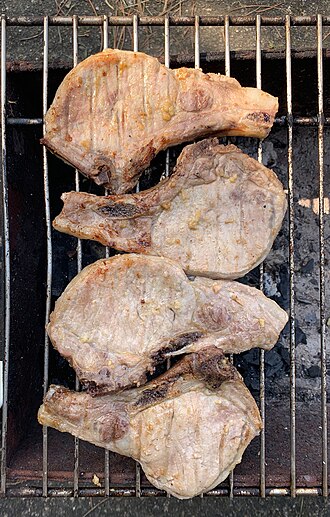
Photo: Wikipedia
A pork chop is a lean, bone-in or boneless cut from the loin, prized for its tender, juicy texture and mild, savory flavor that readily absorbs marinades and seasonings. Nutritionally, it's a powerhouse of complete protein with minimal carbohydrates, making it a staple for muscle maintenance and satiety. When cooked properly, it offers a satisfying, meaty bite without excessive fat.
Calorie split: 62% protein · 0% carbs · 38% fat
↓ Full nutrition💚 Why it's loved
People love pork chops for their incredible versatility—they can be grilled, pan-seared, baked, or breaded, adapting to countless flavor profiles from simple salt-and-pepper to complex glazes. Their cultural ubiquity in home cooking, from American comfort food to European schnitzel, makes them a familiar and comforting centerpiece for a meal.
⚠️ Watch-outs & how to enjoy it better
The primary downside is the risk of becoming dry and tough if overcooked, which can ruin the eating experience. For those monitoring sodium intake, pre-seasoned or marinated chops can be high in salt. To counteract dryness, brine the chops before cooking, use a meat thermometer to pull them at 145°F (63°C), and let them rest before slicing. To manage sodium, opt for fresh chops and season with herbs, spices, and citrus instead of salt-heavy mixes.
Key benefits
- Excellent source of high-quality, complete protein.
- Very low in carbohydrates, suitable for low-carb diets.
- Rich in essential B vitamins like thiamine and B12.
- Provides key minerals such as selenium and zinc.
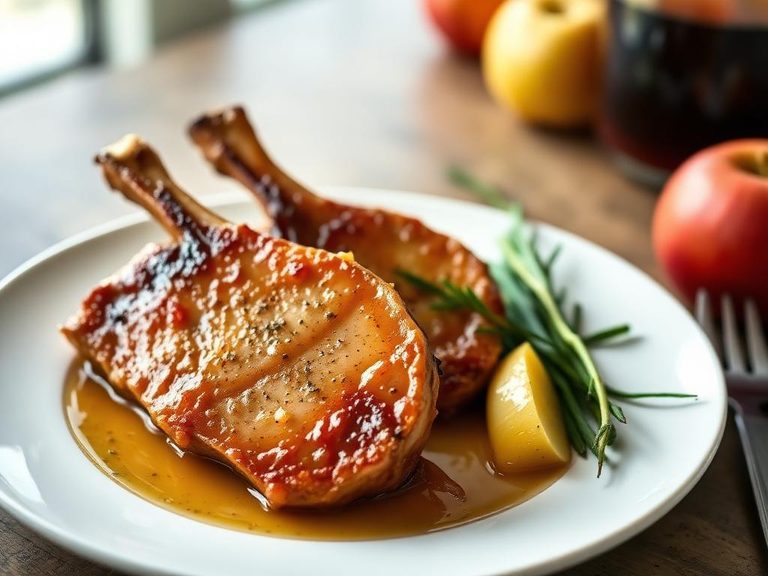
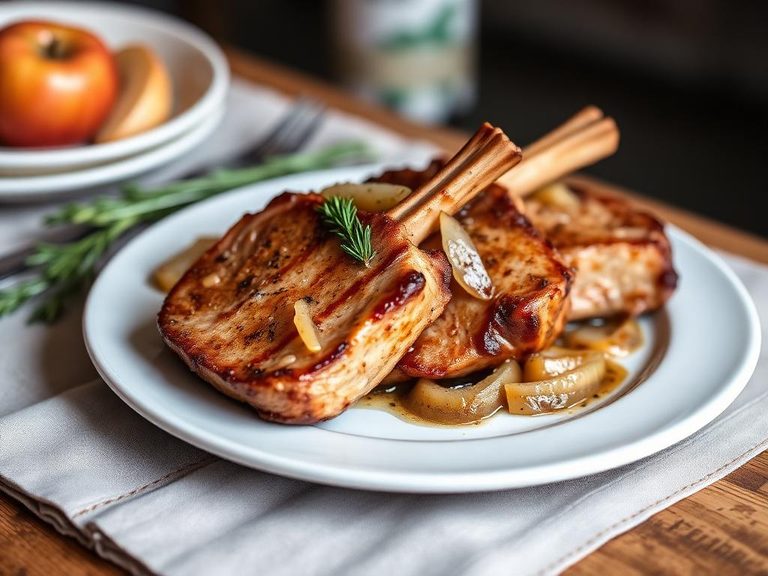
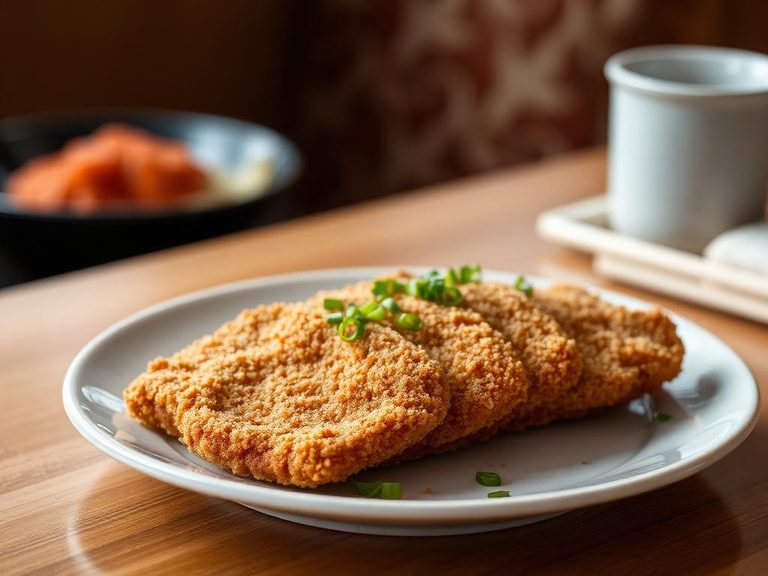
🍽️ Popular dishes
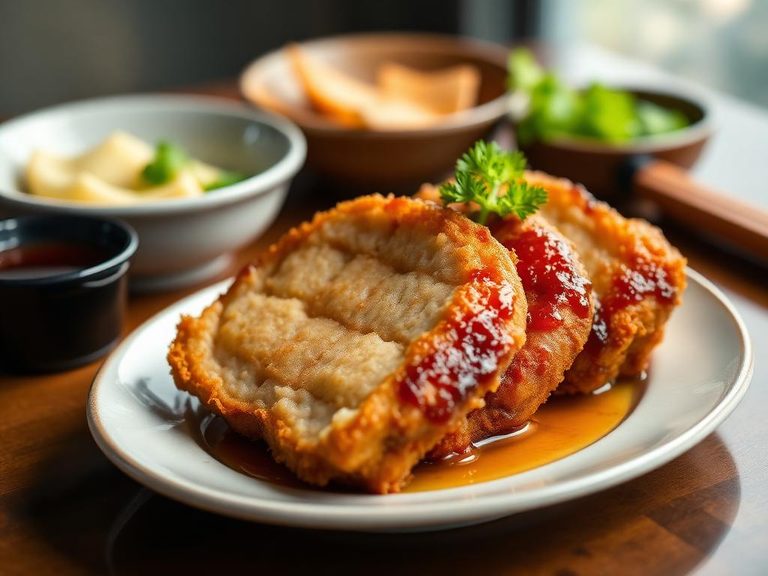
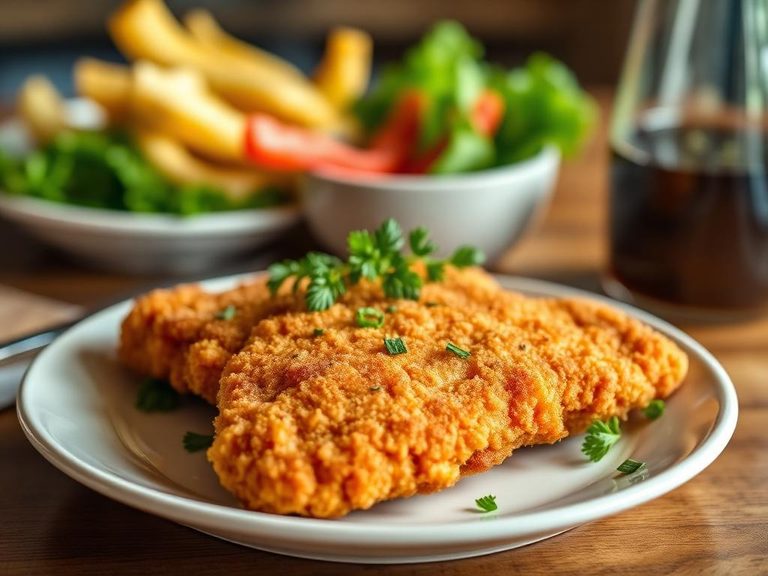
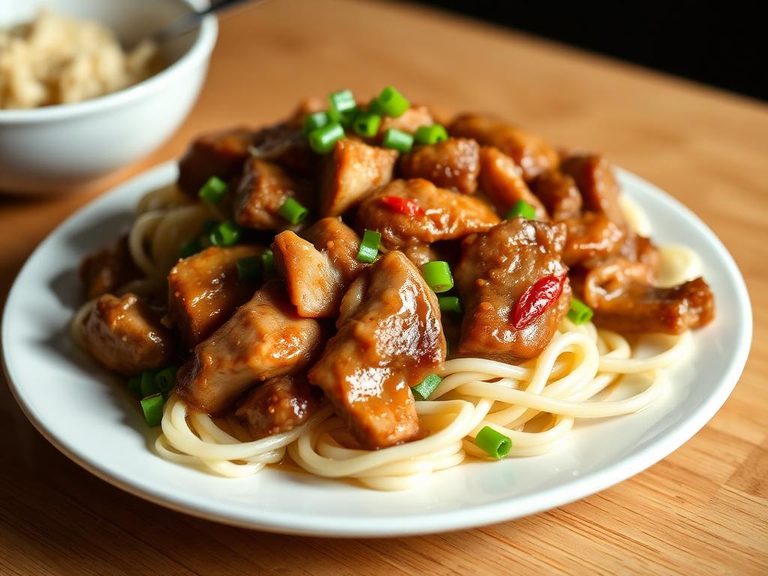
🌍 Where it's eaten
💡 Did you know?
The term 'chop' likely derives from the Anglo-Indian 'chap,' meaning a small piece of meat, reflecting the historical trade routes that influenced global cuisine.
Full nutrition (USDA data · scales with serving)
| Water | 63.0 g |
| Energy | 183 kcal |
| Protein | 27.5 g |
| Total lipid (fat) | 7.5 g |
| Carbohydrate, by difference | 0.00 g |
| Fiber, total dietary | 0.00 g |
| Total Sugars | 0.00 g |
| Calcium, Ca | 7.0 mg |
| Iron, Fe | 0.61 mg |
| Magnesium, Mg | 27.0 mg |
| Phosphorus, P | 256 mg |
| Potassium, K | 429 mg |
| Sodium, Na | 354 mg |
| Zinc, Zn | 2.0 mg |
| Copper, Cu | 0.08 mg |
| Selenium, Se | 47.1 ug |
| Vitamin C, total ascorbic acid | 0.00 mg |
| Thiamin | 0.64 mg |
| Riboflavin | 0.20 mg |
| Niacin | 8.4 mg |
| Vitamin B-6 | 0.63 mg |
| Folate, total | 0.00 ug |
| Folic acid | 0.00 ug |
| Folate, food | 0.00 ug |
| Folate, DFE | 0.00 ug |
| Choline, total | 76.9 mg |
| Vitamin B-12 | 0.61 ug |
| Vitamin B-12, added | 0.00 ug |
| Vitamin A, RAE | 0.00 ug |
| Retinol | 0.00 ug |
| Carotene, beta | 0.00 ug |
| Carotene, alpha | 0.00 ug |
| Cryptoxanthin, beta | 0.00 ug |
| Lycopene | 0.00 ug |
| Lutein + zeaxanthin | 0.00 ug |
| Vitamin E (alpha-tocopherol) | 0.20 mg |
| Vitamin E, added | 0.00 mg |
| Vitamin D (D2 + D3) | 0.60 ug |
| Vitamin K (phylloquinone) | 0.00 ug |
| Alcohol, ethyl | 0.00 g |
| Caffeine | 0.00 mg |
| Theobromine | 0.00 mg |
Fat & fatty acid profile (per 100g)
| Fatty acids, total saturated | 2.6 g |
| SFA 4:0 | 0.00 g |
| SFA 6:0 | 0.00 g |
| SFA 8:0 | 0.00 g |
| SFA 10:0 | 0.01 g |
| SFA 12:0 | 0.00 g |
| SFA 14:0 | 0.10 g |
| SFA 16:0 | 1.6 g |
| SFA 18:0 | 0.84 g |
| Fatty acids, total monounsaturated | 3.2 g |
| MUFA 16:1 | 0.19 g |
| MUFA 18:1 | 2.9 g |
| MUFA 20:1 | 0.05 g |
| MUFA 22:1 | 0.00 g |
| Fatty acids, total polyunsaturated | 0.89 g |
| PUFA 18:2 | 0.75 g |
| PUFA 18:3 | 0.03 g |
| PUFA 18:4 | 0.00 g |
| PUFA 20:4 | 0.07 g |
| PUFA 20:5 n-3 (EPA) | 0.00 g |
| PUFA 22:5 n-3 (DPA) | 0.00 g |
| PUFA 22:6 n-3 (DHA) | 0.00 g |
| Cholesterol | 71.0 mg |
Amino acid profile (per 100g)
Estimated from Pork, cured, salt pork, raw — USDA does not publish this profile for Pork.
| Tryptophan | 0.02 g |
| Threonine | 0.17 g |
| Isoleucine | 0.13 g |
| Leucine | 0.35 g |
| Lysine | 0.42 g |
| Methionine | 0.07 g |
| Cystine | 0.04 g |
| Phenylalanine | 0.19 g |
| Tyrosine | 0.08 g |
| Valine | 0.24 g |
| Arginine | 0.52 g |
| Histidine | 0.06 g |
| Alanine | 0.28 g |
| Aspartic acid | 0.42 g |
| Glutamic acid | 0.69 g |
| Glycine | 0.36 g |
| Proline | 0.27 g |
| Serine | 0.19 g |
FAQ
What's the difference between a bone-in and boneless pork chop?
Bone-in chops often have more flavor from the bone and stay juicier during cooking, but boneless chops are easier to eat and cook more evenly. The nutrition is very similar.
How can I tell when a pork chop is done without overcooking it?
Use an instant-read meat thermometer inserted into the thickest part, avoiding the bone. The safe internal temperature is 145°F (63°C), followed by a 3-minute rest time.
What are good marinades for pork chops?
Pork's mild flavor pairs well with acidic marinades (like citrus, vinegar, or yogurt) to tenderize, or sweet-savory blends (like soy sauce, honey, and garlic) for a glaze. Marinate for at least 30 minutes.
Nutrient density (calculated · NRF9.3)
Nutrient Rich Foods index: beneficial nutrients (protein, fiber, vitamins, minerals) minus saturated fat, added sugar & sodium, per 100 kcal.
NRF9.3 index — Fulgoni, Keast & Drewnowski, 2009. Computed from USDA nutrients.
Weight-loss friendliness (composite index)
Energy density 1.83 kcal/g · 60% calories from protein · 0.0 g fiber · 0.0 g sugar per 100 g.
Composite of energy density (Rolls et al., 1999), protein & fiber satiety, minus sugar. A calculated heuristic — ranks satiety-per-calorie, not a clinical measure.
Dietary load (calculated from USDA values)
Potential renal acid load. Positive = acid-forming, negative = alkaline-forming.
Sodium-to-potassium ratio: 0.83 (lower is better — aim for ≤ 1)
Sodium:potassium per WHO potassium guidance. Computed from USDA nutrients.