

Peppers, sweet, pickled
Common food

Photo: Wikipedia
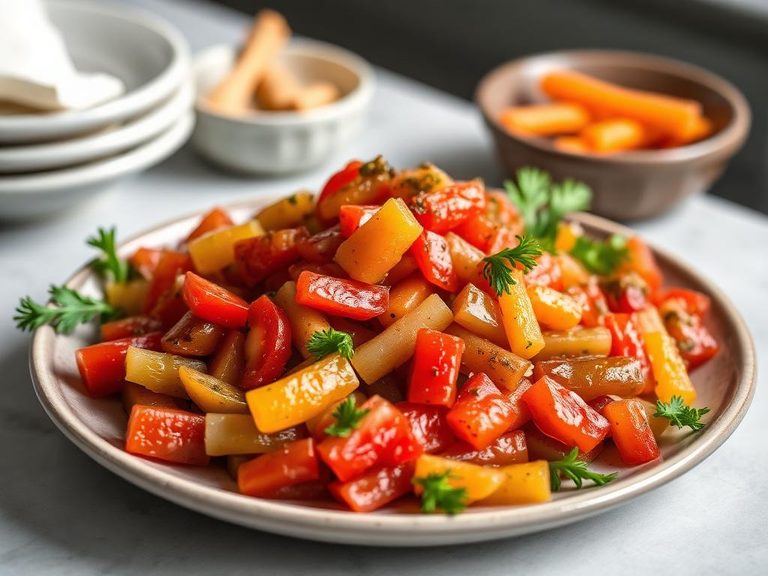
Pickled sweet peppers are vibrant, tangy-sweet morsels, often made from bell peppers or pepperoncini, preserved in a brine of vinegar, sugar, and spices. They offer a satisfying crunch with a bright, acidic kick and a lingering sweetness. Nutritionally, they are very low in calories and fat, with a notable sugar content from the pickling brine.
Calorie split: 6% protein · 91% carbs · 3% fat
↓ Full nutrition💚 Why it's loved
People love them for their addictive sweet-and-sour punch and crisp texture, which can instantly elevate a sandwich, salad, or cheese board. They are a versatile pantry staple that adds brightness and complexity to countless dishes.
⚠️ Watch-outs & how to enjoy it better
The primary downside is the added sugar from the pickling brine, which can cause blood sugar spikes if consumed in large quantities. They are also often high in sodium. To counteract this, practice portion control and pair them with protein (like cheese or chicken) and healthy fats (like olive oil) to help slow sugar absorption.
Key benefits
- Very low in calories and fat
- Provides a small amount of dietary fiber
- Source of vitamin C from the base pepper
- Adds bold flavor without added cooking fats
- Long shelf life as a preserved food
🍽️ Popular dishes
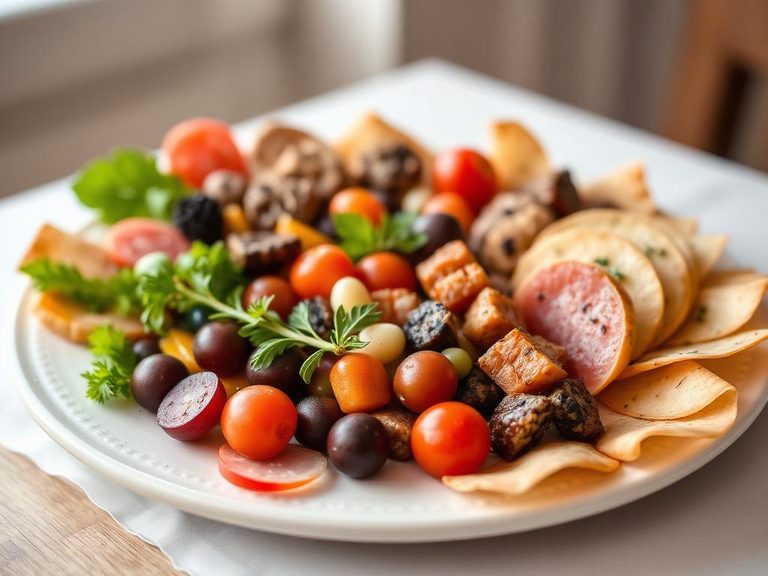
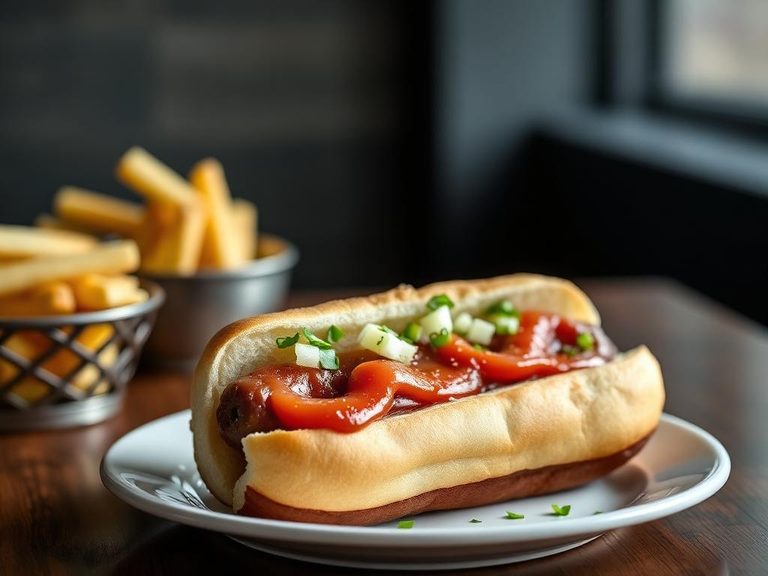
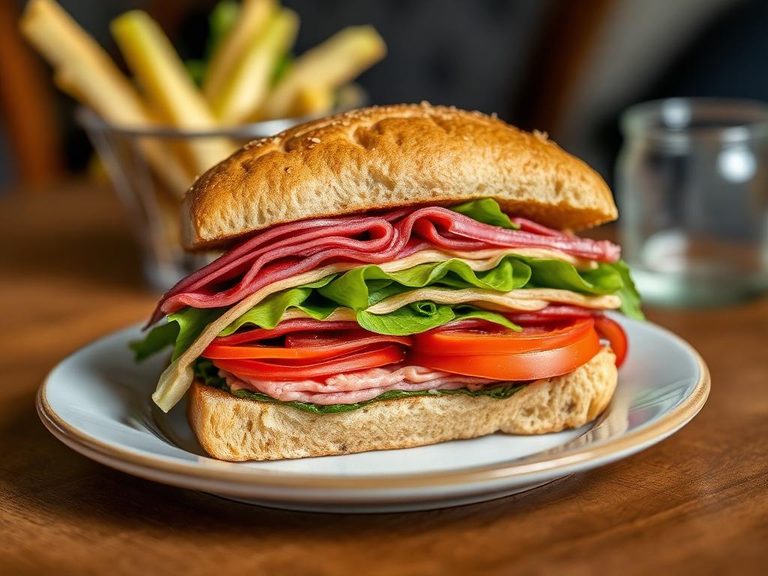
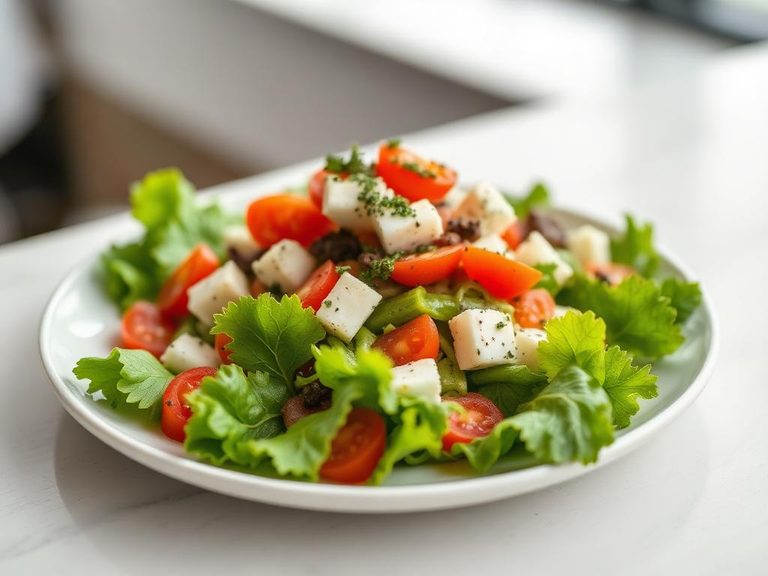
🌍 Where it's eaten
💡 Did you know?
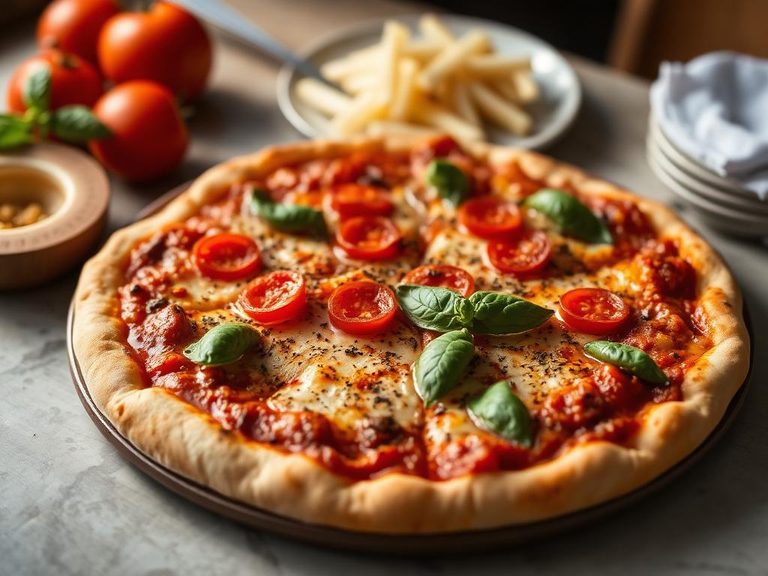
The bright green pepperoncini, a common pickled sweet pepper, is so synonymous with pizza in the United States that they are often served free in pizzerias as a standard condiment.
Full nutrition (USDA data · scales with serving)
| Water | 86.7 g |
| Energy | 43.0 kcal |
| Protein | 0.67 g |
| Total lipid (fat) | 0.12 g |
| Carbohydrate, by difference | 9.6 g |
| Fiber, total dietary | 0.90 g |
| Total Sugars | 7.6 g |
| Calcium, Ca | 7.0 mg |
| Iron, Fe | 0.23 mg |
| Magnesium, Mg | 8.0 mg |
| Phosphorus, P | 18.0 mg |
| Potassium, K | 156 mg |
| Sodium, Na | 944 mg |
| Zinc, Zn | 0.14 mg |
| Copper, Cu | 0.04 mg |
| Selenium, Se | 0.10 ug |
| Vitamin C, total ascorbic acid | 85.0 mg |
| Thiamin | 0.04 mg |
| Riboflavin | 0.09 mg |
| Niacin | 0.65 mg |
| Vitamin B-6 | 0.20 mg |
| Folate, total | 24.0 ug |
| Folic acid | 0.00 ug |
| Folate, food | 24.0 ug |
| Folate, DFE | 24.0 ug |
| Choline, total | 4.6 mg |
| Vitamin B-12 | 0.00 ug |
| Vitamin B-12, added | 0.00 ug |
| Vitamin A, RAE | 69.0 ug |
| Retinol | 0.00 ug |
| Carotene, beta | 722 ug |
| Carotene, alpha | 16.0 ug |
| Cryptoxanthin, beta | 196 ug |
| Lycopene | 0.00 ug |
| Lutein + zeaxanthin | 154 ug |
| Vitamin E (alpha-tocopherol) | 0.81 mg |
| Vitamin E, added | 0.00 mg |
| Vitamin D (D2 + D3) | 0.00 ug |
| Vitamin K (phylloquinone) | 5.1 ug |
| Alcohol, ethyl | 0.00 g |
| Caffeine | 0.00 mg |
| Theobromine | 0.00 mg |
Fat & fatty acid profile (per 100g)
| Fatty acids, total saturated | 0.05 g |
| SFA 4:0 | 0.00 g |
| SFA 6:0 | 0.00 g |
| SFA 8:0 | 0.00 g |
| SFA 10:0 | 0.00 g |
| SFA 12:0 | 0.00 g |
| SFA 14:0 | 0.00 g |
| SFA 16:0 | 0.04 g |
| SFA 18:0 | 0.01 g |
| Fatty acids, total monounsaturated | 0.01 g |
| MUFA 16:1 | 0.00 g |
| MUFA 18:1 | 0.01 g |
| MUFA 20:1 | 0.00 g |
| MUFA 22:1 | 0.00 g |
| Fatty acids, total polyunsaturated | 0.09 g |
| PUFA 18:2 | 0.06 g |
| PUFA 18:3 | 0.03 g |
| PUFA 18:4 | 0.00 g |
| PUFA 20:4 | 0.00 g |
| PUFA 20:5 n-3 (EPA) | 0.00 g |
| PUFA 22:5 n-3 (DPA) | 0.00 g |
| PUFA 22:6 n-3 (DHA) | 0.00 g |
| Cholesterol | 0.00 mg |
Amino acid profile (per 100g)
Estimated from Peppers, sweet, green, raw — USDA does not publish this profile for Peppers.
| Tryptophan | 0.01 g |
| Threonine | 0.04 g |
| Isoleucine | 0.02 g |
| Leucine | 0.04 g |
| Lysine | 0.04 g |
| Methionine | 0.01 g |
| Cystine | 0.01 g |
| Phenylalanine | 0.09 g |
| Tyrosine | 0.01 g |
| Valine | 0.04 g |
| Arginine | 0.03 g |
| Histidine | 0.01 g |
| Alanine | 0.04 g |
| Aspartic acid | 0.21 g |
| Glutamic acid | 0.19 g |
| Glycine | 0.03 g |
| Proline | 0.02 g |
| Serine | 0.05 g |
FAQ
Are pickled sweet peppers the same as pepperoncini?
Not exactly. Pepperoncini are a specific, mild variety of pepper commonly pickled and are a type of sweet pickled pepper. However, 'sweet pickled peppers' can also refer to pickled bell peppers or other sweet varieties.
Why are they so low in fat?
The base peppers themselves are virtually fat-free, and the pickling brine (vinegar, water, sugar, salt) contains no added fats.
Can I use the pickling liquid from the jar?
Yes! The brine is flavorful and can be used as a tangy salad dressing base, in marinades, or to add a zesty kick to potato salad.
Nutrient density (calculated · NRF9.3)
Nutrient Rich Foods index: beneficial nutrients (protein, fiber, vitamins, minerals) minus saturated fat, added sugar & sodium, per 100 kcal.
NRF9.3 index — Fulgoni, Keast & Drewnowski, 2009. Computed from USDA nutrients.
Weight-loss friendliness (composite index)
Energy density 0.43 kcal/g · 6% calories from protein · 0.9 g fiber · 7.6 g sugar per 100 g.
Composite of energy density (Rolls et al., 1999), protein & fiber satiety, minus sugar. A calculated heuristic — ranks satiety-per-calorie, not a clinical measure.
Dietary load (calculated from USDA values)
Potential renal acid load. Positive = acid-forming, negative = alkaline-forming.
Sodium-to-potassium ratio: 6.05 (lower is better — aim for ≤ 1)
Sodium:potassium per WHO potassium guidance. Computed from USDA nutrients.