

Orange, raw
Common food
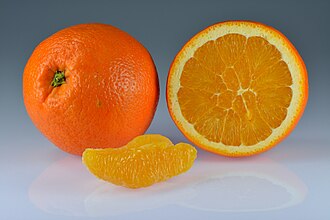
Photo: Wikipedia
A raw orange is a citrus fruit with a vibrant, textured peel protecting segments of juicy, sweet-tart flesh. Its refreshing burst of flavor is packed with vitamin C and dietary fiber, making it a low-calorie, nutrient-dense snack. Each bite offers a satisfying balance of natural sugars and a clean, zesty finish.
Calorie split: 7% protein · 91% carbs · 2% fat
↓ Full nutrition💚 Why it's loved
People love oranges for their perfect balance of sweet and tangy flavors, which make them incredibly refreshing. Their natural segments make them an easy, portable, and mess-free snack enjoyed by all ages.
⚠️ Watch-outs & how to enjoy it better
The natural sugars can cause a rapid blood-sugar spike if eaten in large quantities alone. To counteract this, pair the orange with a source of protein or healthy fat, like a handful of nuts or a piece of cheese, to slow sugar absorption. Those with acid reflux or sensitive teeth may also find the acidity irritating.
Key benefits
- Excellent source of immune-supporting vitamin C
- Provides dietary fiber for digestive health
- Low in calories and contains no fat
- Natural source of antioxidants like flavonoids
- Hydrating due to high water content
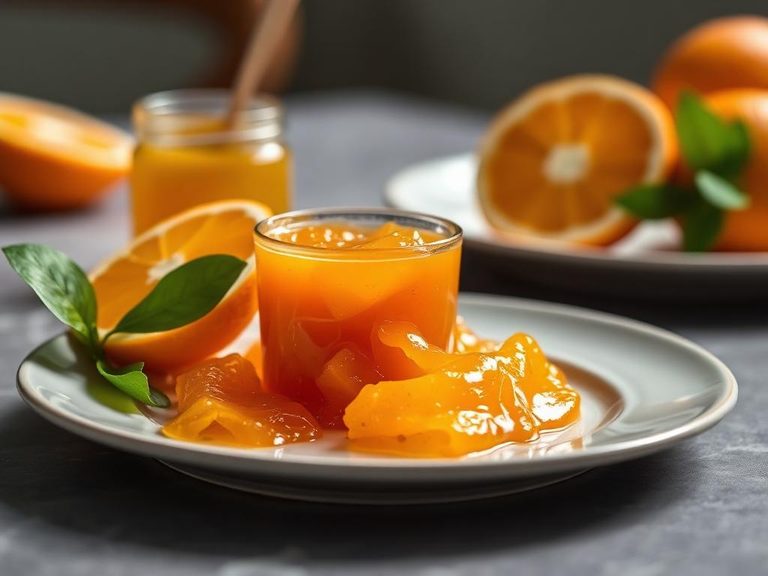
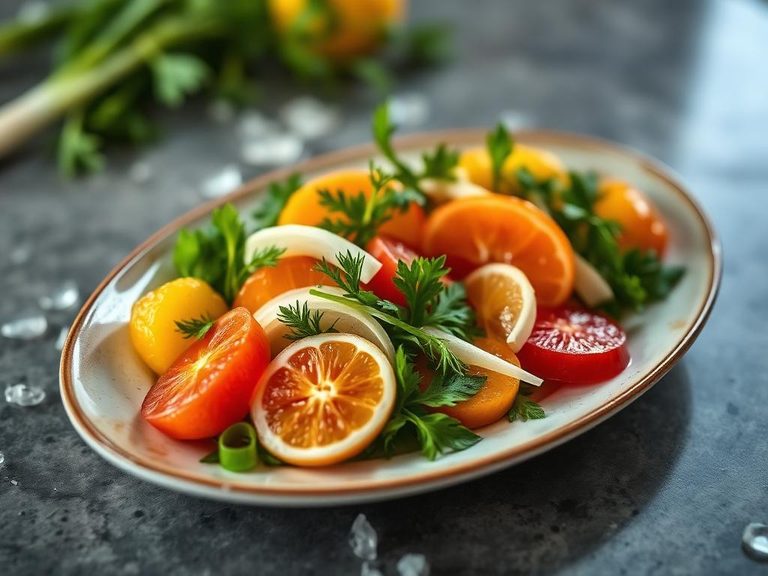
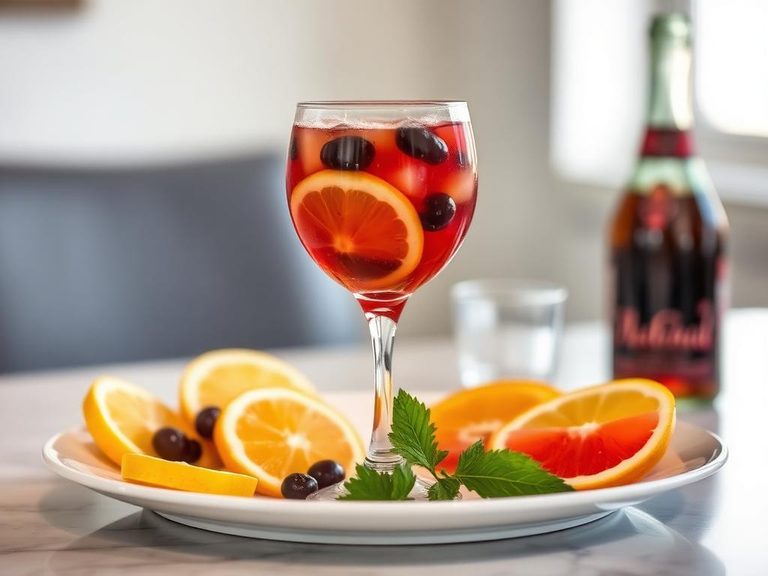
🍽️ Popular dishes
🌍 Where it's eaten
💡 Did you know?
The orange's vibrant color comes from carotenoid pigments, and the white pith between the peel and flesh is actually the richest part of the fruit in fiber and flavonoids.
Full nutrition (USDA data · scales with serving)
| Water | 86.7 g |
| Energy | 50.0 kcal |
| Protein | 0.92 g |
| Total lipid (fat) | 0.14 g |
| Carbohydrate, by difference | 11.8 g |
| Fiber, total dietary | 2.2 g |
| Total Sugars | 9.0 g |
| Calcium, Ca | 42.0 mg |
| Iron, Fe | 0.22 mg |
| Magnesium, Mg | 10.0 mg |
| Phosphorus, P | 18.0 mg |
| Potassium, K | 174 mg |
| Sodium, Na | 4.0 mg |
| Zinc, Zn | 0.09 mg |
| Copper, Cu | 0.05 mg |
| Selenium, Se | 0.20 ug |
| Vitamin C, total ascorbic acid | 56.2 mg |
| Thiamin | 0.08 mg |
| Riboflavin | 0.05 mg |
| Niacin | 0.35 mg |
| Vitamin B-6 | 0.07 mg |
| Folate, total | 28.0 ug |
| Folic acid | 0.00 ug |
| Folate, food | 28.0 ug |
| Folate, DFE | 28.0 ug |
| Choline, total | 8.4 mg |
| Vitamin B-12 | 0.00 ug |
| Vitamin B-12, added | 0.00 ug |
| Vitamin A, RAE | 11.0 ug |
| Retinol | 0.00 ug |
| Carotene, beta | 71.0 ug |
| Carotene, alpha | 11.0 ug |
| Cryptoxanthin, beta | 116 ug |
| Lycopene | 0.00 ug |
| Lutein + zeaxanthin | 129 ug |
| Vitamin E (alpha-tocopherol) | 0.18 mg |
| Vitamin E, added | 0.00 mg |
| Vitamin D (D2 + D3) | 0.00 ug |
| Vitamin K (phylloquinone) | 0.00 ug |
| Alcohol, ethyl | 0.00 g |
| Caffeine | 0.00 mg |
| Theobromine | 0.00 mg |
Fat & fatty acid profile (per 100g)
| Fatty acids, total saturated | 0.01 g |
| SFA 4:0 | 0.00 g |
| SFA 6:0 | 0.00 g |
| SFA 8:0 | 0.00 g |
| SFA 10:0 | 0.00 g |
| SFA 12:0 | 0.00 g |
| SFA 14:0 | 0.00 g |
| SFA 16:0 | 0.01 g |
| SFA 18:0 | 0.00 g |
| Fatty acids, total monounsaturated | 0.02 g |
| MUFA 16:1 | 0.00 g |
| MUFA 18:1 | 0.02 g |
| MUFA 20:1 | 0.00 g |
| MUFA 22:1 | 0.00 g |
| Fatty acids, total polyunsaturated | 0.03 g |
| PUFA 18:2 | 0.02 g |
| PUFA 18:3 | 0.01 g |
| PUFA 18:4 | 0.00 g |
| PUFA 20:4 | 0.00 g |
| PUFA 20:5 n-3 (EPA) | 0.00 g |
| PUFA 22:5 n-3 (DPA) | 0.00 g |
| PUFA 22:6 n-3 (DHA) | 0.00 g |
| Cholesterol | 0.00 mg |
Amino acid profile (per 100g)
Estimated from Babyfood, dessert, fruit pudding, orange, strained — USDA does not publish this profile for Orange.
| Threonine | 0.04 g |
| Isoleucine | 0.06 g |
| Leucine | 0.11 g |
| Lysine | 0.09 g |
| Methionine | 0.01 g |
| Phenylalanine | 0.04 g |
| Tyrosine | 0.04 g |
| Valine | 0.07 g |
| Arginine | 0.09 g |
| Histidine | 0.03 g |
| Alanine | 0.04 g |
| Aspartic acid | 0.13 g |
| Glutamic acid | 0.23 g |
| Glycine | 0.03 g |
| Proline | 0.12 g |
| Serine | 0.06 g |
FAQ
Is the peel of an orange edible?
Yes, the orange peel is edible and is often used in cooking and baking for its intense flavor and aroma. It's a key ingredient in marmalade and can be zested for flavoring. However, it's tough and bitter when eaten raw, so it's typically candied, cooked, or finely grated.
How should I store oranges to keep them fresh?
For short-term use (a week or two), store oranges at room temperature away from direct sunlight. For longer storage, place them in the refrigerator's crisper drawer, where they can last for several weeks. Avoid storing them near ethylene-producing fruits like apples, as this can speed up spoilage.
What's the difference between navel and Valencia oranges?
Navel oranges are seedless, easy to peel, and have a thick skin, making them ideal for eating fresh. Valencia oranges are juicier, thinner-skinned, and may contain seeds, making them the preferred choice for juicing. Valencias are also often available in the summer, while navels are a winter fruit.
Nutrient density (calculated · NRF9.3)
Nutrient Rich Foods index: beneficial nutrients (protein, fiber, vitamins, minerals) minus saturated fat, added sugar & sodium, per 100 kcal.
NRF9.3 index — Fulgoni, Keast & Drewnowski, 2009. Computed from USDA nutrients.
Weight-loss friendliness (composite index)
Energy density 0.50 kcal/g · 7% calories from protein · 2.2 g fiber · 9.0 g sugar per 100 g.
Composite of energy density (Rolls et al., 1999), protein & fiber satiety, minus sugar. A calculated heuristic — ranks satiety-per-calorie, not a clinical measure.
Dietary load (calculated from USDA values)
Potential renal acid load. Positive = acid-forming, negative = alkaline-forming.
Sodium-to-potassium ratio: 0.02 (lower is better — aim for ≤ 1)
Sodium:potassium per WHO potassium guidance. Computed from USDA nutrients.