

Oil, grapeseed
Whole food · Fats and Oils

Photo: Wikipedia
Grapeseed oil is a light, neutral-flavored cooking oil pressed from the seeds of wine grapes. It has a clean, slightly nutty taste with a high smoke point, making it ideal for high-heat cooking. Nutritionally, it is 100% fat, primarily composed of polyunsaturated fats, including omega-6 fatty acids.
Calorie split: 0% protein · 0% carbs · 100% fat
↓ Full nutrition💚 Why it's loved
People love it for its clean, versatile flavor that lets the taste of fresh ingredients shine, and its ability to handle high-heat cooking without smoking. It's a staple in professional kitchens for creating crisp, non-greasy textures in everything from stir-fries to pastries.
⚠️ Watch-outs & how to enjoy it better
It is very high in omega-6 fatty acids, and an excessive intake relative to omega-3s may promote inflammation in some individuals. To counteract this, balance your diet with omega-3 sources like fatty fish, flaxseeds, or walnuts, and use grapeseed oil as one of several oils in your rotation.
Key benefits
- High smoke point (approx. 216°C/420°F) suitable for frying and searing.
- Rich in vitamin E, a natural antioxidant.
- Light, neutral flavor that doesn't overpower other ingredients.
- Contains polyunsaturated fats, including linoleic acid (omega-6).
🍽️ Popular dishes
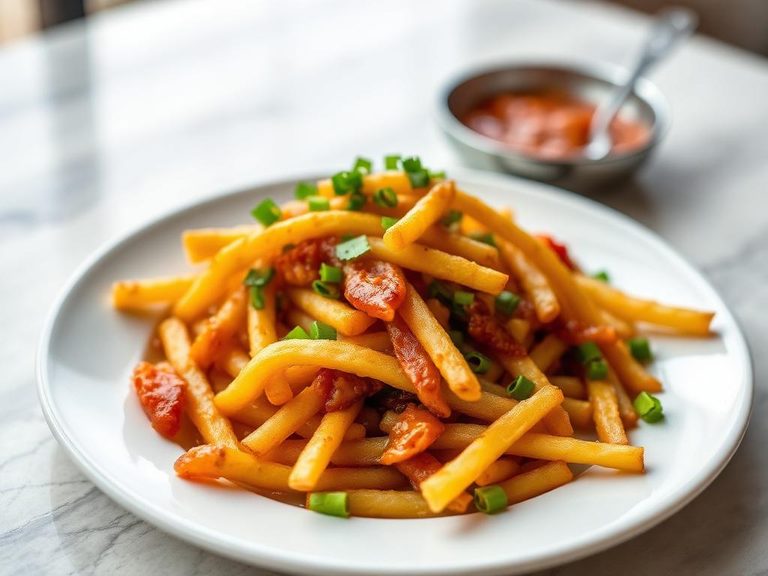
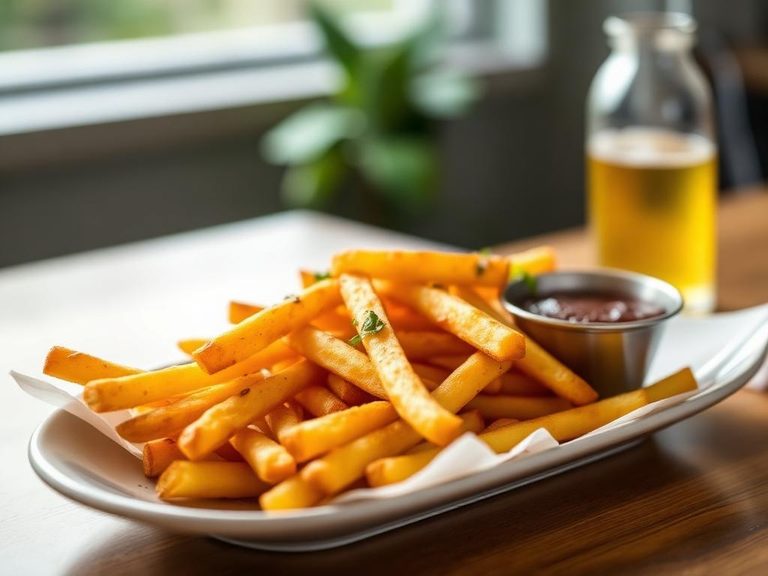
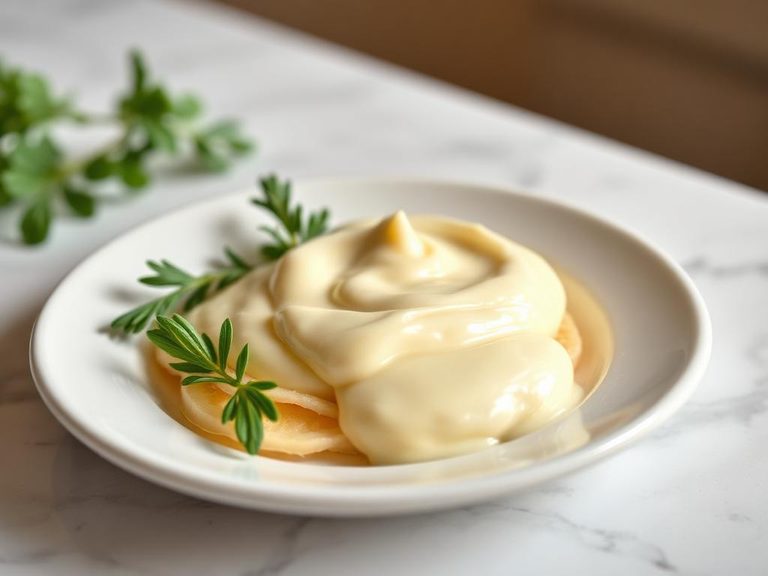


🌍 Where it's eaten
💡 Did you know?
It takes about 2.5 pounds (1.1 kg) of grape seeds to produce just one quart (946 ml) of oil.
Full nutrition (USDA data · scales with serving)
| Water | 0.00 g |
| Energy | 884 kcal |
| Energy | 3699 kj |
| Protein | 0.00 g |
| Total lipid (fat) | 100 g |
| Ash | 0.00 g |
| Carbohydrate, by difference | 0.00 g |
| Fiber, total dietary | 0.00 g |
| Total Sugars | 0.00 g |
| Calcium, Ca | 0.00 mg |
| Iron, Fe | 0.00 mg |
| Magnesium, Mg | 0.00 mg |
| Phosphorus, P | 0.00 mg |
| Potassium, K | 0.00 mg |
| Sodium, Na | 0.00 mg |
| Zinc, Zn | 0.00 mg |
| Selenium, Se | 0.00 ug |
| Vitamin C, total ascorbic acid | 0.00 mg |
| Thiamin | 0.00 mg |
| Riboflavin | 0.00 mg |
| Niacin | 0.00 mg |
| Pantothenic acid | 0.00 mg |
| Vitamin B-6 | 0.00 mg |
| Folate, total | 0.00 ug |
| Folic acid | 0.00 ug |
| Folate, food | 0.00 ug |
| Folate, DFE | 0.00 ug |
| Vitamin B-12 | 0.00 ug |
| Vitamin A, RAE | 0.00 ug |
| Retinol | 0.00 ug |
| Carotene, beta | 0.00 ug |
| Carotene, alpha | 0.00 ug |
| Cryptoxanthin, beta | 0.00 ug |
| Vitamin A, IU | 0.00 iu |
| Lycopene | 0.00 ug |
| Lutein + zeaxanthin | 0.00 ug |
| Vitamin E (alpha-tocopherol) | 28.8 mg |
| Alcohol, ethyl | 0.00 g |
| Caffeine | 0.00 mg |
| Theobromine | 0.00 mg |
Fat & fatty acid profile (per 100g)
| Fatty acids, total saturated | 9.6 g |
| SFA 4:0 | 0.00 g |
| SFA 6:0 | 0.00 g |
| SFA 8:0 | 0.00 g |
| SFA 10:0 | 0.00 g |
| SFA 12:0 | 0.00 g |
| SFA 14:0 | 0.10 g |
| SFA 16:0 | 6.7 g |
| SFA 18:0 | 2.7 g |
| Fatty acids, total monounsaturated | 16.1 g |
| MUFA 16:1 | 0.30 g |
| MUFA 18:1 | 15.8 g |
| MUFA 20:1 | 0.00 g |
| MUFA 22:1 | 0.00 g |
| Fatty acids, total polyunsaturated | 69.9 g |
| PUFA 18:2 | 69.6 g |
| PUFA 18:3 | 0.10 g |
| PUFA 18:4 | 0.00 g |
| PUFA 20:4 | 0.00 g |
| PUFA 20:5 n-3 (EPA) | 0.00 g |
| PUFA 22:5 n-3 (DPA) | 0.00 g |
| PUFA 22:6 n-3 (DHA) | 0.00 g |
| Cholesterol | 0.00 mg |
| Phytosterols | 180 mg |
Amino acid profile (per 100g)
| Tryptophan | 0.00 g |
| Threonine | 0.00 g |
| Isoleucine | 0.00 g |
| Leucine | 0.00 g |
| Lysine | 0.00 g |
| Methionine | 0.00 g |
| Cystine | 0.00 g |
| Phenylalanine | 0.00 g |
| Tyrosine | 0.00 g |
| Valine | 0.00 g |
| Arginine | 0.00 g |
| Histidine | 0.00 g |
| Alanine | 0.00 g |
| Aspartic acid | 0.00 g |
| Glutamic acid | 0.00 g |
| Glycine | 0.00 g |
| Proline | 0.00 g |
| Serine | 0.00 g |
FAQ
Is grapeseed oil healthy?
It's a source of vitamin E and polyunsaturated fats, but its high omega-6 content means it should be used in moderation and balanced with omega-3 rich foods as part of a varied diet.
What's the best way to use grapeseed oil?
Its high smoke point makes it excellent for high-heat cooking like frying, sautéing, and searing. Its neutral flavor also works well in salad dressings and baking.
Can I substitute it for other oils?
Yes, it's a great 1:1 substitute for vegetable or canola oil in most recipes where a neutral flavor is desired, especially for frying and baking.
Nutrient density (calculated · NRF9.3)
Nutrient Rich Foods index: beneficial nutrients (protein, fiber, vitamins, minerals) minus saturated fat, added sugar & sodium, per 100 kcal.
NRF9.3 index — Fulgoni, Keast & Drewnowski, 2009. Computed from USDA nutrients.
Weight-loss friendliness (composite index)
Energy density 8.84 kcal/g · 0% calories from protein · 0.0 g fiber · 0.0 g sugar per 100 g.
Composite of energy density (Rolls et al., 1999), protein & fiber satiety, minus sugar. A calculated heuristic — ranks satiety-per-calorie, not a clinical measure.
Dietary load (calculated from USDA values)
Potential renal acid load. Positive = acid-forming, negative = alkaline-forming.
Sodium:potassium per WHO potassium guidance. Computed from USDA nutrients.