

Oil, babassu
Whole food · Fats and Oils

Photo: Wikipedia
Babassu oil is a clear, lightweight vegetable oil pressed from the kernels of the babassu palm, native to the Amazon. It has a mild, slightly nutty flavor and a smooth texture that remains liquid at room temperature but solidifies below 76°F (24°C). Nutritionally, it is 100% fat, providing 884 kcal per 100g, with a high concentration of lauric and myristic acids similar to coconut oil.
Calorie split: 0% protein · 0% carbs · 100% fat
↓ Full nutrition💚 Why it's loved
People love babassu oil for its versatile, neutral flavor that doesn't overpower dishes, making it ideal for both cooking and baking. It's also cherished in Brazilian culture as a sustainable, locally sourced staple with deep culinary roots in the Amazon region.
⚠️ Watch-outs & how to enjoy it better
As a pure fat, it is very calorie-dense and should be used in moderation, especially for those managing weight. Its high saturated fat content may raise LDL cholesterol in some individuals, so balancing it with unsaturated fats (like olive oil) and pairing it with fiber-rich foods is recommended.
Key benefits
- Rich in medium-chain fatty acids for quick energy
- High in lauric acid, which has antimicrobial properties
- Contains antioxidants like vitamin E (tocopherols)
- Stable at high cooking temperatures (high smoke point)
- Traditional ingredient in Brazilian and Amazonian diets
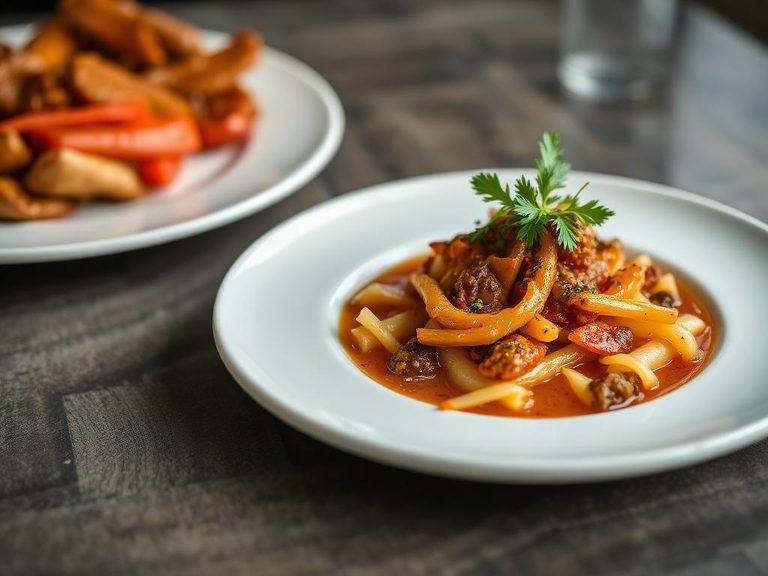
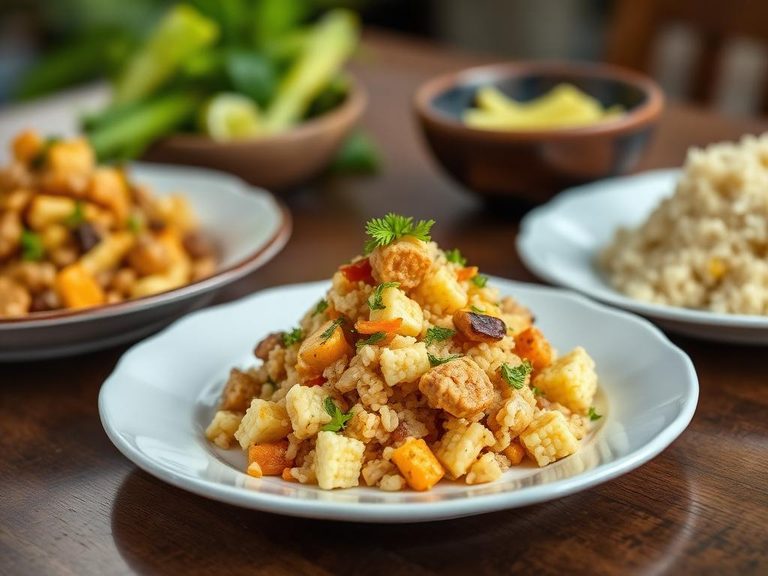
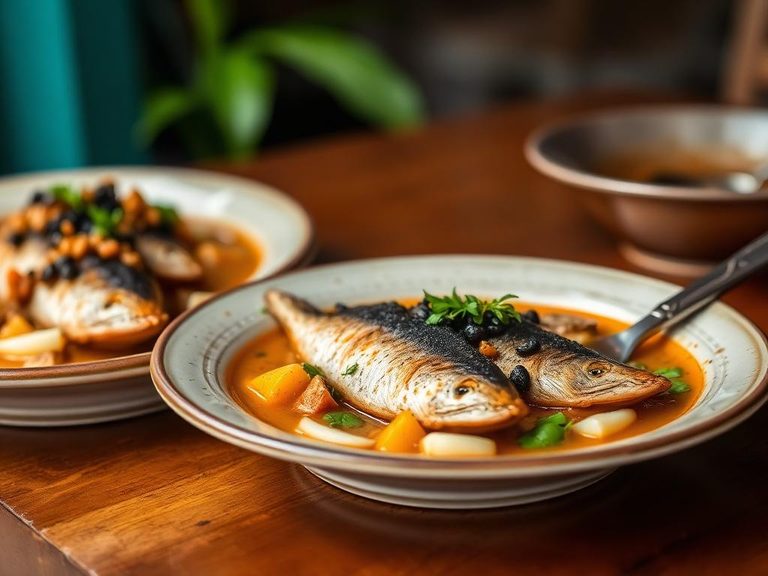
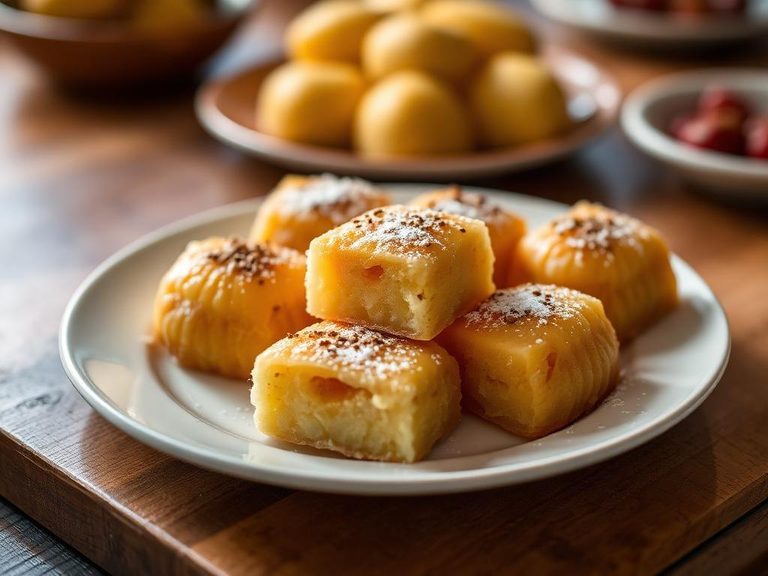
🍽️ Popular dishes
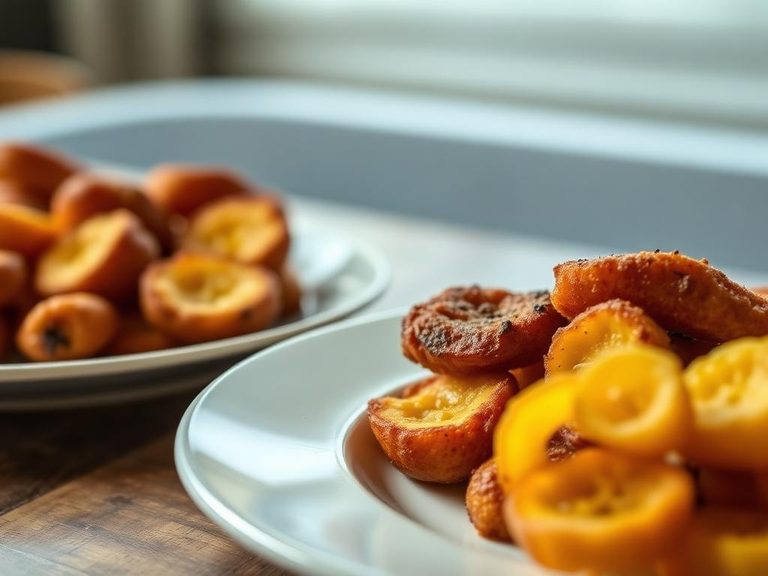
🌍 Where it's eaten
💡 Did you know?
The babassu palm can only be harvested by traditional 'quebradeiras' (female gatherers) who crack the extremely hard nuts by hand, a practice recognized by UNESCO as intangible cultural heritage.
Full nutrition (USDA data · scales with serving)
| Water | 0.00 g |
| Energy | 884 kcal |
| Energy | 3699 kj |
| Protein | 0.00 g |
| Total lipid (fat) | 100 g |
| Ash | 0.00 g |
| Carbohydrate, by difference | 0.00 g |
| Fiber, total dietary | 0.00 g |
| Total Sugars | 0.00 g |
| Calcium, Ca | 0.00 mg |
| Iron, Fe | 0.00 mg |
| Magnesium, Mg | 0.00 mg |
| Phosphorus, P | 0.00 mg |
| Potassium, K | 0.00 mg |
| Sodium, Na | 0.00 mg |
| Zinc, Zn | 0.00 mg |
| Selenium, Se | 0.00 ug |
| Vitamin C, total ascorbic acid | 0.00 mg |
| Thiamin | 0.00 mg |
| Riboflavin | 0.00 mg |
| Niacin | 0.00 mg |
| Pantothenic acid | 0.00 mg |
| Vitamin B-6 | 0.00 mg |
| Folate, total | 0.00 ug |
| Folic acid | 0.00 ug |
| Folate, food | 0.00 ug |
| Folate, DFE | 0.00 ug |
| Vitamin B-12 | 0.00 ug |
| Vitamin A, RAE | 0.00 ug |
| Retinol | 0.00 ug |
| Carotene, beta | 0.00 ug |
| Carotene, alpha | 0.00 ug |
| Cryptoxanthin, beta | 0.00 ug |
| Vitamin A, IU | 0.00 iu |
| Lycopene | 0.00 ug |
| Lutein + zeaxanthin | 0.00 ug |
| Vitamin E (alpha-tocopherol) | 19.1 mg |
| Alcohol, ethyl | 0.00 g |
| Caffeine | 0.00 mg |
| Theobromine | 0.00 mg |
Fat & fatty acid profile (per 100g)
| Fatty acids, total saturated | 81.2 g |
| SFA 4:0 | 0.00 g |
| SFA 6:0 | 0.20 g |
| SFA 8:0 | 6.0 g |
| SFA 10:0 | 5.5 g |
| SFA 12:0 | 43.5 g |
| SFA 14:0 | 15.0 g |
| SFA 16:0 | 8.2 g |
| SFA 18:0 | 2.8 g |
| Fatty acids, total monounsaturated | 11.4 g |
| MUFA 16:1 | 0.00 g |
| MUFA 18:1 | 11.4 g |
| MUFA 20:1 | 0.00 g |
| MUFA 22:1 | 0.00 g |
| Fatty acids, total polyunsaturated | 1.6 g |
| PUFA 18:2 | 1.6 g |
| PUFA 18:3 | 0.00 g |
| PUFA 18:4 | 0.00 g |
| PUFA 20:4 | 0.00 g |
| PUFA 20:5 n-3 (EPA) | 0.00 g |
| PUFA 22:5 n-3 (DPA) | 0.00 g |
| PUFA 22:6 n-3 (DHA) | 0.00 g |
| Cholesterol | 0.00 mg |
| Phytosterols | 95.0 mg |
Amino acid profile (per 100g)
| Tryptophan | 0.00 g |
| Threonine | 0.00 g |
| Isoleucine | 0.00 g |
| Leucine | 0.00 g |
| Lysine | 0.00 g |
| Methionine | 0.00 g |
| Cystine | 0.00 g |
| Phenylalanine | 0.00 g |
| Tyrosine | 0.00 g |
| Valine | 0.00 g |
| Arginine | 0.00 g |
| Histidine | 0.00 g |
| Alanine | 0.00 g |
| Aspartic acid | 0.00 g |
| Glutamic acid | 0.00 g |
| Glycine | 0.00 g |
| Proline | 0.00 g |
| Serine | 0.00 g |
FAQ
How is babassu oil different from coconut oil?
Both are high in lauric acid, but babassu oil has a slightly lower melting point, a milder flavor, and is traditionally sourced from wild Amazonian palms rather than cultivated coconut trees.
Can I use babassu oil for deep frying?
Yes, its high smoke point (around 350°F/177°C) and stability make it suitable for frying, especially for traditional Brazilian snacks like acarajé.
Is babassu oil vegan and allergen-free?
Yes, it is a plant-based oil and is free from common allergens like nuts, soy, and gluten, though cross-contamination is possible in processing facilities.
Nutrient density (calculated · NRF9.3)
Nutrient Rich Foods index: beneficial nutrients (protein, fiber, vitamins, minerals) minus saturated fat, added sugar & sodium, per 100 kcal.
NRF9.3 index — Fulgoni, Keast & Drewnowski, 2009. Computed from USDA nutrients.
Weight-loss friendliness (composite index)
Energy density 8.84 kcal/g · 0% calories from protein · 0.0 g fiber · 0.0 g sugar per 100 g.
Composite of energy density (Rolls et al., 1999), protein & fiber satiety, minus sugar. A calculated heuristic — ranks satiety-per-calorie, not a clinical measure.
Dietary load (calculated from USDA values)
Potential renal acid load. Positive = acid-forming, negative = alkaline-forming.
Sodium:potassium per WHO potassium guidance. Computed from USDA nutrients.