

Noodles, cooked
Common food
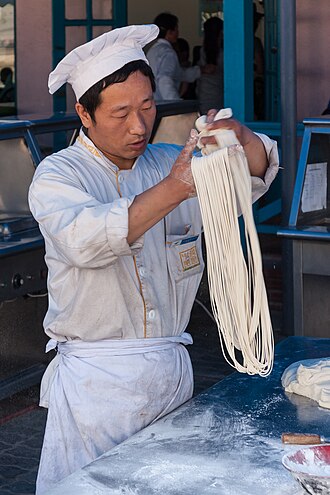
Photo: Wikipedia
Cooked noodles are a soft, slippery, and satisfying staple made from unleavened wheat dough, rolled thin and boiled. Their mild, starchy flavor and chewy texture make them a perfect canvas for sauces, broths, and stir-fries. Nutritionally, they are a primary source of quick-release carbohydrates for energy, with a modest amount of plant-based protein.
Calorie split: 13% protein · 73% carbs · 14% fat
↓ Full nutrition💚 Why it's loved
People adore noodles for their comforting, chewy texture and incredible versatility—they absorb flavors beautifully and can be served hot or cold. They are deeply embedded in culinary traditions worldwide, symbolizing everything from longevity in Chinese culture to everyday comfort in Italian pasta dishes.
⚠️ Watch-outs & how to enjoy it better
As a refined carbohydrate, plain cooked noodles can cause a rapid rise in blood sugar, which is a concern for those managing diabetes. They are also a common source of gluten, a protein allergen for many. To counteract this, always pair noodles with protein (like chicken, tofu, or beans) and healthy fats (like olive oil or nuts) to slow digestion, and consider portion control or choosing whole-wheat varieties for more fiber.
Key benefits
- Excellent source of quick energy from complex carbohydrates.
- Provides a modest amount of plant-based protein.
- Low in fat, making it a light base for meals.
- Versatile vehicle for nutrient-rich vegetables and lean proteins.
- Generally low in sugar and sodium when unseasoned.
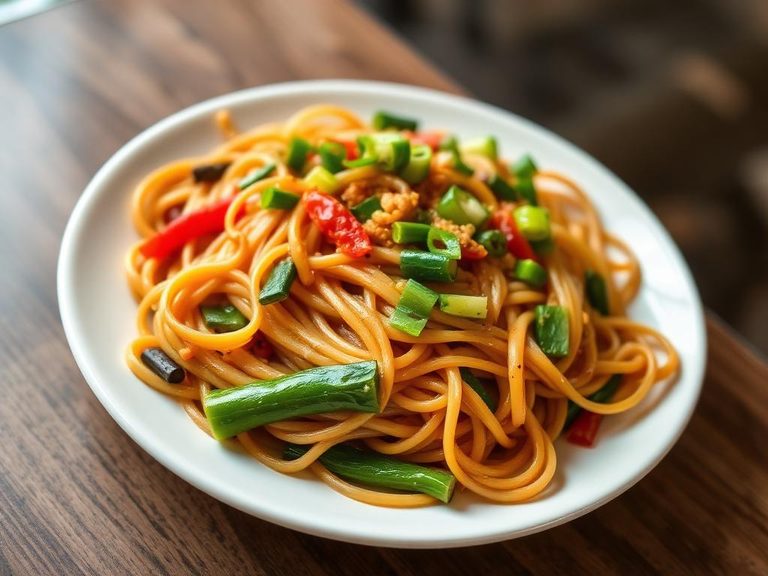
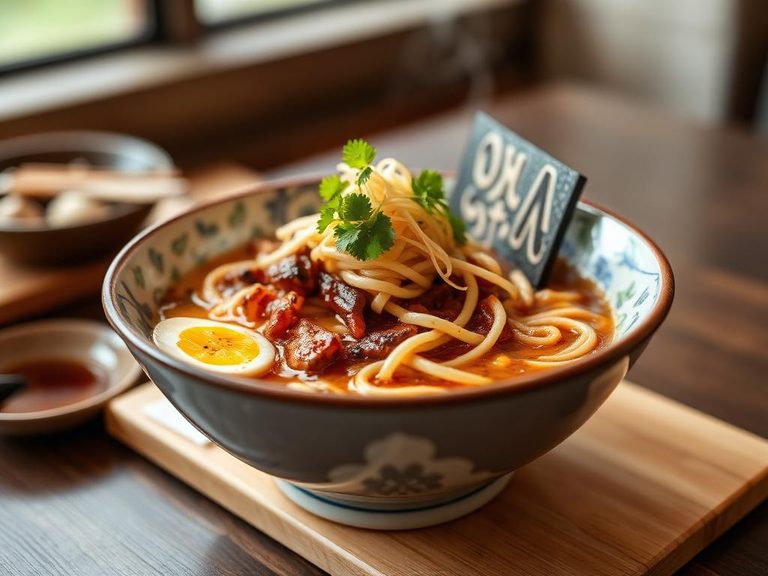
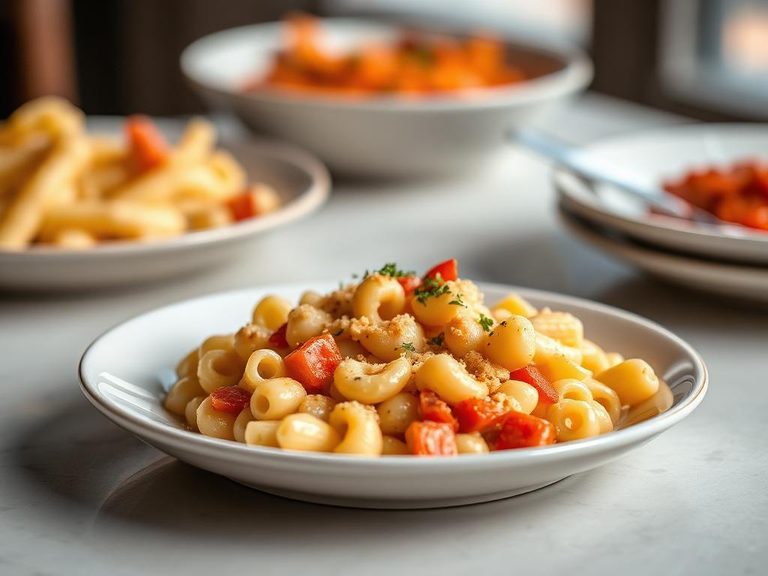
🍽️ Popular dishes
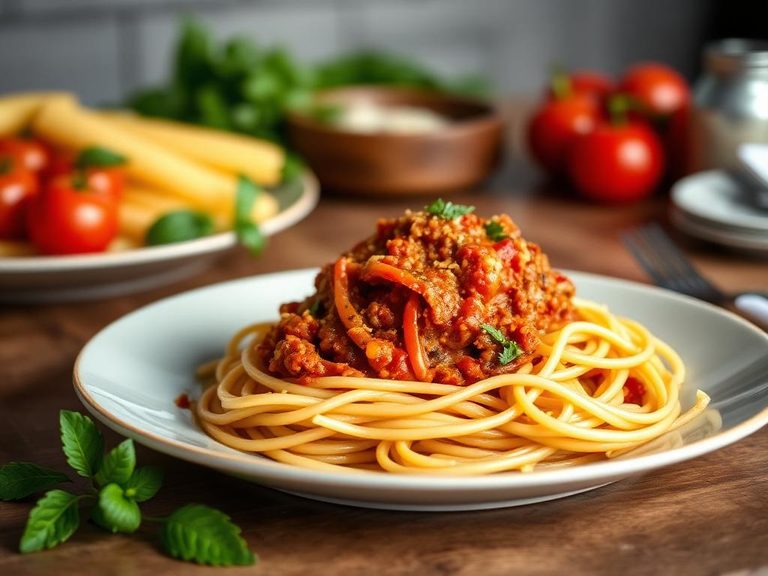
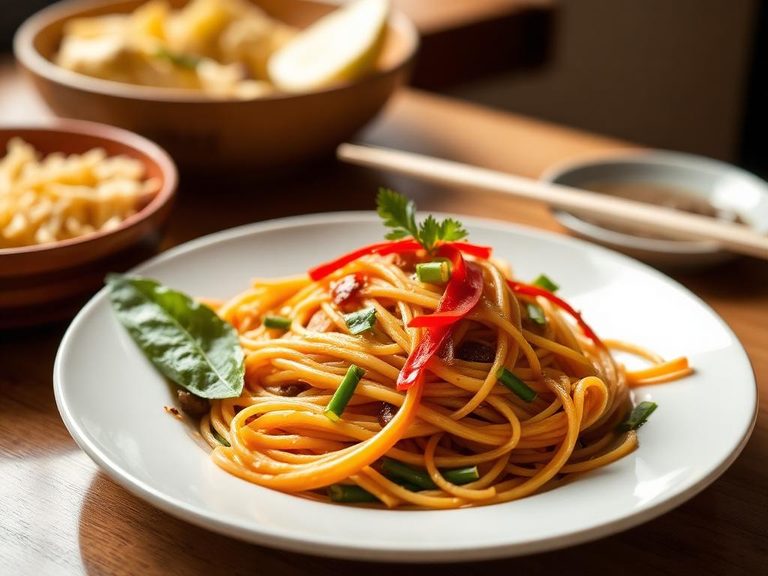
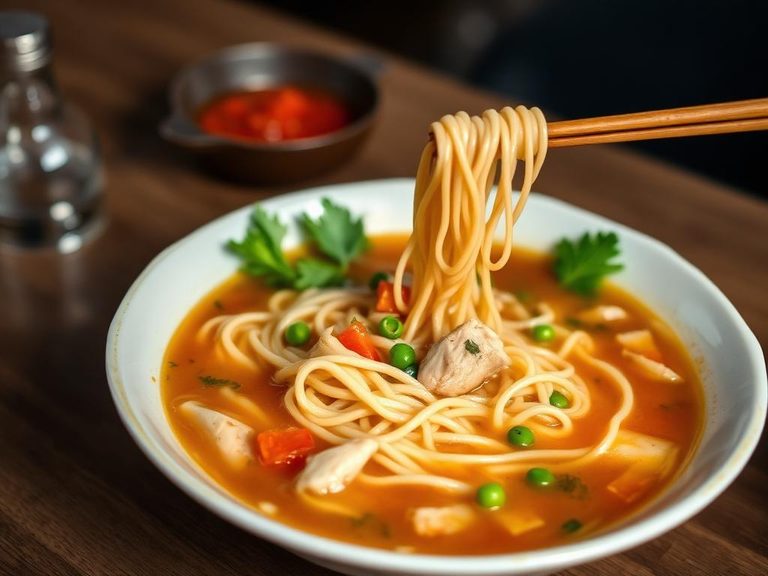
🌍 Where it's eaten
💡 Did you know?
The world's longest noodle, created in China in 2017, stretched over 3,080 meters (about 10,105 feet), which is longer than 30 football fields laid end to end.
Full nutrition (USDA data · scales with serving)
| Water | 67.3 g |
| Energy | 137 kcal |
| Protein | 4.5 g |
| Total lipid (fat) | 2.1 g |
| Carbohydrate, by difference | 25.0 g |
| Fiber, total dietary | 1.2 g |
| Total Sugars | 0.40 g |
| Calcium, Ca | 12.0 mg |
| Iron, Fe | 1.5 mg |
| Magnesium, Mg | 21.0 mg |
| Phosphorus, P | 76.0 mg |
| Potassium, K | 38.0 mg |
| Sodium, Na | 236 mg |
| Zinc, Zn | 0.65 mg |
| Copper, Cu | 0.10 mg |
| Selenium, Se | 23.8 ug |
| Vitamin C, total ascorbic acid | 0.00 mg |
| Thiamin | 0.29 mg |
| Riboflavin | 0.14 mg |
| Niacin | 2.1 mg |
| Vitamin B-6 | 0.05 mg |
| Folate, total | 83.0 ug |
| Folic acid | 77.0 ug |
| Folate, food | 7.0 ug |
| Folate, DFE | 137 ug |
| Choline, total | 25.5 mg |
| Vitamin B-12 | 0.09 ug |
| Vitamin B-12, added | 0.00 ug |
| Vitamin A, RAE | 6.0 ug |
| Retinol | 6.0 ug |
| Carotene, beta | 1.0 ug |
| Carotene, alpha | 0.00 ug |
| Cryptoxanthin, beta | 0.00 ug |
| Lycopene | 0.00 ug |
| Lutein + zeaxanthin | 38.0 ug |
| Vitamin E (alpha-tocopherol) | 0.17 mg |
| Vitamin E, added | 0.00 mg |
| Vitamin D (D2 + D3) | 0.10 ug |
| Vitamin K (phylloquinone) | 0.00 ug |
| Alcohol, ethyl | 0.00 g |
| Caffeine | 0.00 mg |
| Theobromine | 0.00 mg |
Fat & fatty acid profile (per 100g)
| Fatty acids, total saturated | 0.42 g |
| SFA 4:0 | 0.00 g |
| SFA 6:0 | 0.00 g |
| SFA 8:0 | 0.00 g |
| SFA 10:0 | 0.00 g |
| SFA 12:0 | 0.00 g |
| SFA 14:0 | 0.01 g |
| SFA 16:0 | 0.34 g |
| SFA 18:0 | 0.07 g |
| Fatty acids, total monounsaturated | 0.58 g |
| MUFA 16:1 | 0.04 g |
| MUFA 18:1 | 0.53 g |
| MUFA 20:1 | 0.00 g |
| MUFA 22:1 | 0.00 g |
| Fatty acids, total polyunsaturated | 0.55 g |
| PUFA 18:2 | 0.52 g |
| PUFA 18:3 | 0.03 g |
| PUFA 18:4 | 0.00 g |
| PUFA 20:4 | 0.00 g |
| PUFA 20:5 n-3 (EPA) | 0.00 g |
| PUFA 22:5 n-3 (DPA) | 0.00 g |
| PUFA 22:6 n-3 (DHA) | 0.00 g |
| Cholesterol | 29.0 mg |
Amino acid profile (per 100g)
Estimated from Noodles, japanese, soba, dry — USDA does not publish this profile for Noodles.
| Tryptophan | 0.20 g |
| Threonine | 0.50 g |
| Isoleucine | 0.55 g |
| Leucine | 0.94 g |
| Lysine | 0.61 g |
| Methionine | 0.20 g |
| Cystine | 0.27 g |
| Phenylalanine | 0.62 g |
| Tyrosine | 0.30 g |
| Valine | 0.71 g |
| Arginine | 0.90 g |
| Histidine | 0.34 g |
| Alanine | 0.70 g |
| Aspartic acid | 1.1 g |
| Glutamic acid | 3.1 g |
| Glycine | 0.94 g |
| Proline | 0.87 g |
| Serine | 0.74 g |
FAQ
Are cooked noodles a good source of protein?
They provide a modest amount of protein (about 4.5g per 100g), but they are not a complete protein on their own. Pairing them with animal products, legumes, or soy creates a complete amino acid profile.
Why are noodles sometimes called 'empty calories'?
This term applies to refined white noodles, which have had their fiber-rich bran and germ removed. This leaves primarily starch, which digests quickly. Choosing whole-wheat or legume-based noodles adds fiber and nutrients.
How can I make plain noodles more nutritious?
Toss them with plenty of vegetables, a lean protein source, and a flavorful sauce made with herbs and spices. Adding a drizzle of healthy oil (like sesame or olive oil) can also increase satiety and nutrient absorption.
Nutrient density (calculated · NRF9.3)
Nutrient Rich Foods index: beneficial nutrients (protein, fiber, vitamins, minerals) minus saturated fat, added sugar & sodium, per 100 kcal.
NRF9.3 index — Fulgoni, Keast & Drewnowski, 2009. Computed from USDA nutrients.
Weight-loss friendliness (composite index)
Energy density 1.37 kcal/g · 13% calories from protein · 1.2 g fiber · 0.4 g sugar per 100 g.
Composite of energy density (Rolls et al., 1999), protein & fiber satiety, minus sugar. A calculated heuristic — ranks satiety-per-calorie, not a clinical measure.
Dietary load (calculated from USDA values)
Potential renal acid load. Positive = acid-forming, negative = alkaline-forming.
Sodium-to-potassium ratio: 6.21 (lower is better — aim for ≤ 1)
Sodium:potassium per WHO potassium guidance. Computed from USDA nutrients.