Noodles, chinese, cellophane or long rice (mung beans), dehydrated
Whole food · Legumes and Legume Products
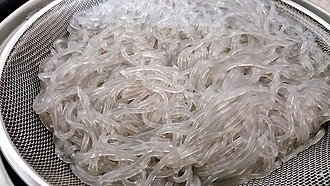
Photo: Wikipedia
These are translucent, glass-like noodles made from mung bean starch, known for their signature slippery, chewy texture and remarkable ability to absorb the flavors of sauces and broths. Nutritionally, they are a very high-carbohydrate, low-protein, and virtually fat-free food, providing quick energy with minimal other macronutrients.
💚 Why it's loved
People adore cellophane noodles for their unique, bouncy texture and their chameleon-like ability to soak up savory sauces, broths, and spices, making them a flavorful vehicle in stir-fries, soups, and salads. They are a beloved staple in Asian cuisines, symbolizing longevity in Chinese culture and forming the heart of iconic dishes.
⚠️ Watch-outs & how to enjoy it better
Their high carbohydrate content can cause rapid blood sugar spikes, making them a poor choice for diabetics or those managing blood sugar without careful pairing. To counteract this, always combine them with substantial protein (like tofu, shrimp, or pork) and healthy fats (like sesame oil or nuts), and practice portion control. Also, they must be properly soaked or cooked to avoid a tough, unpleasant texture.
Key benefits
- Gluten-free, suitable for celiac or gluten-sensitive diets.
- High in carbohydrates for quick energy replenishment.
- Very low in fat and contains no cholesterol.
- Provides a small amount of dietary fiber.
- Versatile base that takes on the flavor of any dish.
🍽️ Popular dishes
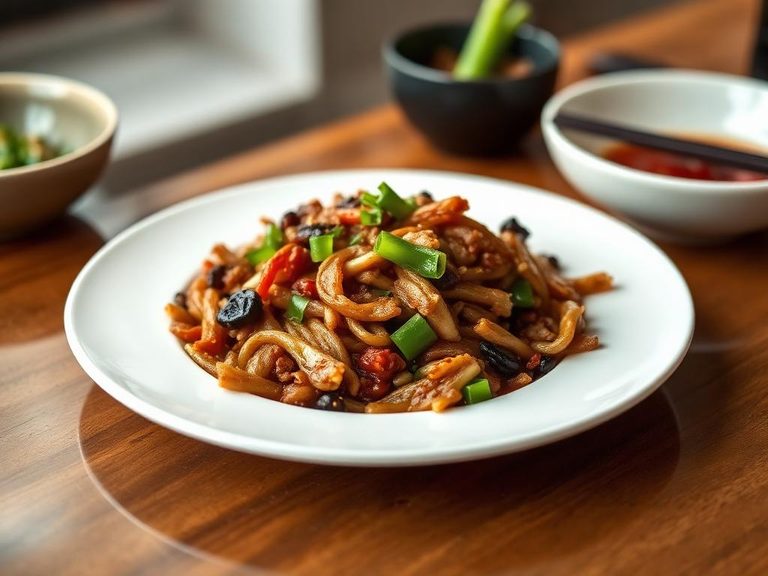
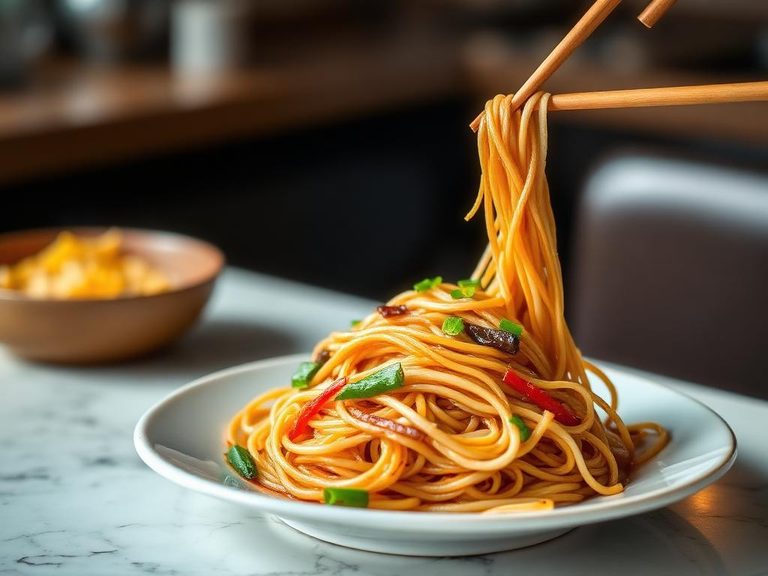
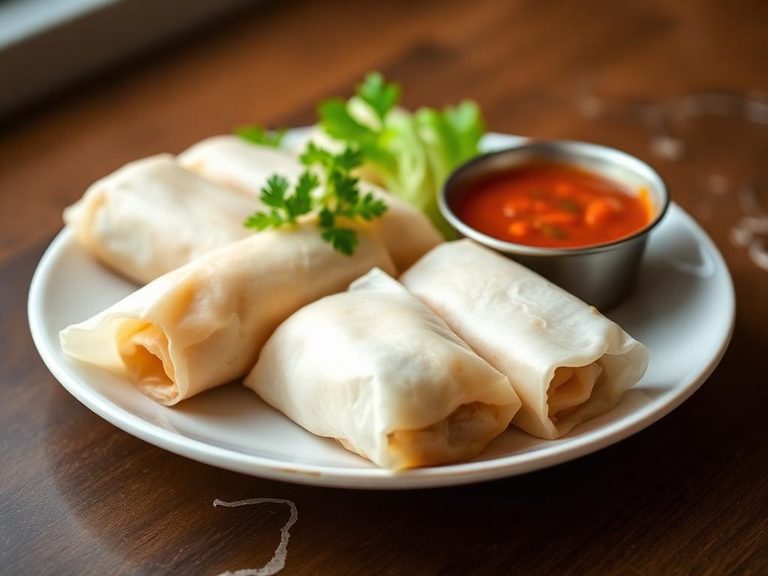
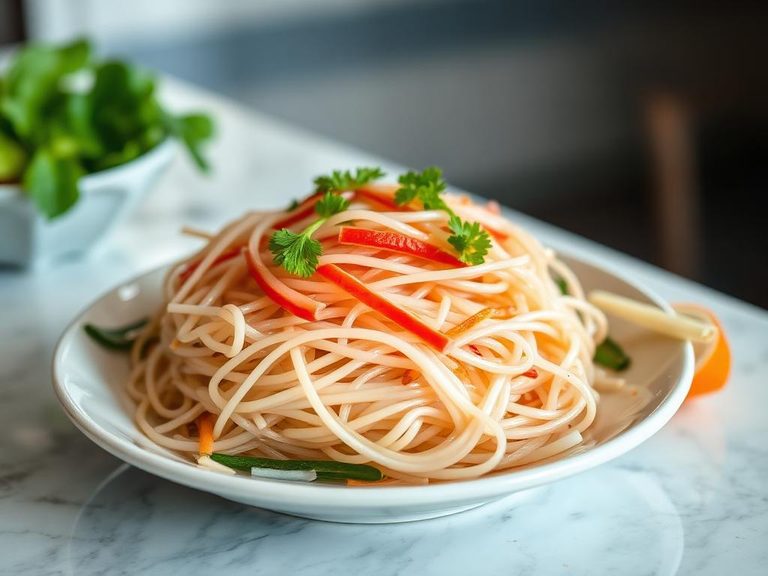
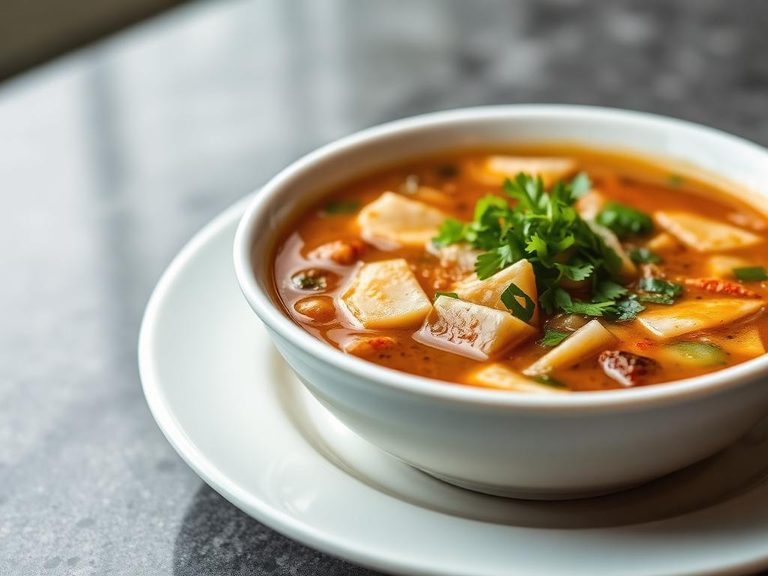
🌍 Where it's eaten
💡 Did you know?
Their name 'cellophane noodles' comes from their resemblance to the transparent packaging material cellophane, but they are also called 'glass noodles' or 'bean thread noodles' due to their appearance and primary ingredient.
Full nutrition (scales with serving)
| Water | 13.4 g |
| Energy | 351 kcal |
| Energy | 1470 kj |
| Protein | 0.16 g |
| Total lipid (fat) | 0.06 g |
| Ash | 0.27 g |
| Carbohydrate, by difference | 86.1 g |
| Fiber, total dietary | 0.50 g |
| Total Sugars | 0.00 g |
| Calcium, Ca | 25.0 mg |
| Iron, Fe | 2.2 mg |
| Magnesium, Mg | 3.0 mg |
| Phosphorus, P | 32.0 mg |
| Potassium, K | 10.0 mg |
| Sodium, Na | 10.0 mg |
| Zinc, Zn | 0.41 mg |
| Copper, Cu | 0.08 mg |
| Manganese, Mn | 0.10 mg |
| Selenium, Se | 7.9 ug |
| Vitamin C, total ascorbic acid | 0.00 mg |
| Thiamin | 0.15 mg |
| Riboflavin | 0.00 mg |
| Niacin | 0.20 mg |
| Pantothenic acid | 0.10 mg |
| Vitamin B-6 | 0.05 mg |
| Folate, total | 2.0 ug |
| Folic acid | 0.00 ug |
| Folate, food | 2.0 ug |
| Folate, DFE | 2.0 ug |
| Choline, total | 93.2 mg |
| Vitamin B-12 | 0.00 ug |
| Vitamin B-12, added | 0.00 ug |
| Vitamin A, RAE | 0.00 ug |
| Retinol | 0.00 ug |
| Carotene, beta | 0.00 ug |
| Carotene, alpha | 0.00 ug |
| Cryptoxanthin, beta | 0.00 ug |
| Vitamin A, IU | 0.00 iu |
| Lycopene | 0.00 ug |
| Lutein + zeaxanthin | 0.00 ug |
| Vitamin E (alpha-tocopherol) | 0.13 mg |
| Vitamin E, added | 0.00 mg |
| Vitamin D (D2 + D3), International Units | 0.00 iu |
| Vitamin D (D2 + D3) | 0.00 ug |
| Vitamin K (phylloquinone) | 0.00 ug |
| Fatty acids, total saturated | 0.02 g |
| SFA 4:0 | 0.00 g |
| SFA 6:0 | 0.00 g |
| SFA 8:0 | 0.00 g |
| SFA 10:0 | 0.00 g |
| SFA 12:0 | 0.00 g |
| SFA 14:0 | 0.00 g |
| SFA 16:0 | 0.01 g |
| SFA 18:0 | 0.00 g |
| Fatty acids, total monounsaturated | 0.01 g |
| MUFA 16:1 | 0.00 g |
| MUFA 18:1 | 0.01 g |
| MUFA 20:1 | 0.00 g |
| MUFA 22:1 | 0.00 g |
| Fatty acids, total polyunsaturated | 0.02 g |
| PUFA 18:2 | 0.02 g |
| PUFA 18:3 | 0.00 g |
| PUFA 18:4 | 0.00 g |
| PUFA 20:4 | 0.00 g |
| PUFA 20:5 n-3 (EPA) | 0.00 g |
| PUFA 22:5 n-3 (DPA) | 0.00 g |
| PUFA 22:6 n-3 (DHA) | 0.00 g |
| Fatty acids, total trans | 0.00 g |
| Cholesterol | 0.00 mg |
| Tryptophan | 0.00 g |
| Threonine | 0.01 g |
| Isoleucine | 0.01 g |
| Leucine | 0.01 g |
| Lysine | 0.01 g |
| Methionine | 0.00 g |
| Cystine | 0.00 g |
| Phenylalanine | 0.01 g |
| Tyrosine | 0.01 g |
| Valine | 0.01 g |
| Arginine | 0.01 g |
| Histidine | 0.01 g |
| Alanine | 0.01 g |
| Aspartic acid | 0.02 g |
| Glutamic acid | 0.03 g |
| Glycine | 0.01 g |
| Proline | 0.01 g |
| Serine | 0.01 g |
| Alcohol, ethyl | 0.00 g |
| Caffeine | 0.00 mg |
| Theobromine | 0.00 mg |
FAQ
How do I cook them properly?
Soak in very hot (not boiling) water for 15-20 minutes until pliable but still firm, then rinse with cold water. For stir-fries, add them directly to the wok with sauce for the last 2-3 minutes of cooking to prevent mushiness.
Are they the same as rice noodles?
No. Cellophane noodles are made from mung bean starch, while rice noodles are made from rice flour. They have different textures, cooking times, and nutritional profiles.
Why do my noodles stick together after cooking?
This happens from excess starch. After soaking or boiling, immediately rinse them thoroughly under cold running water and toss with a tiny amount of oil (like sesame or vegetable oil) to coat and separate the strands.