

Margarine-like shortening, industrial, soy (partially hydrogenated), cottonseed, and soy, principal use flaky pastries
Whole food · Fats and Oils

Photo: Wikipedia
This industrial-grade, solid fat is engineered for one primary purpose: creating exceptionally flaky, tender pastries. It has a neutral, waxy mouthfeel and virtually no flavor, allowing it to act as a blank canvas for butter or other flavorings. Nutritionally, it is a dense source of energy, providing 71 grams of pure fat per 100 grams, with no protein, carbohydrates, or fiber.
Calorie split: 0% protein · 0% carbs · 100% fat
↓ Full nutrition💚 Why it's loved
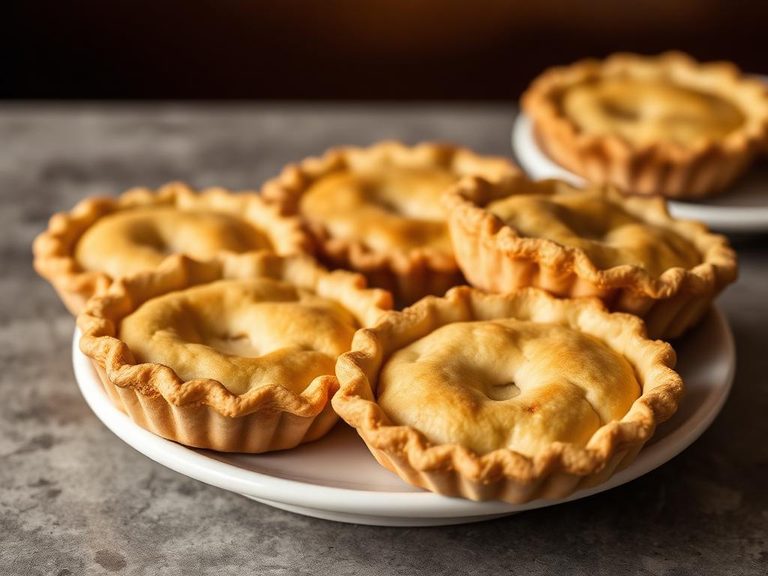
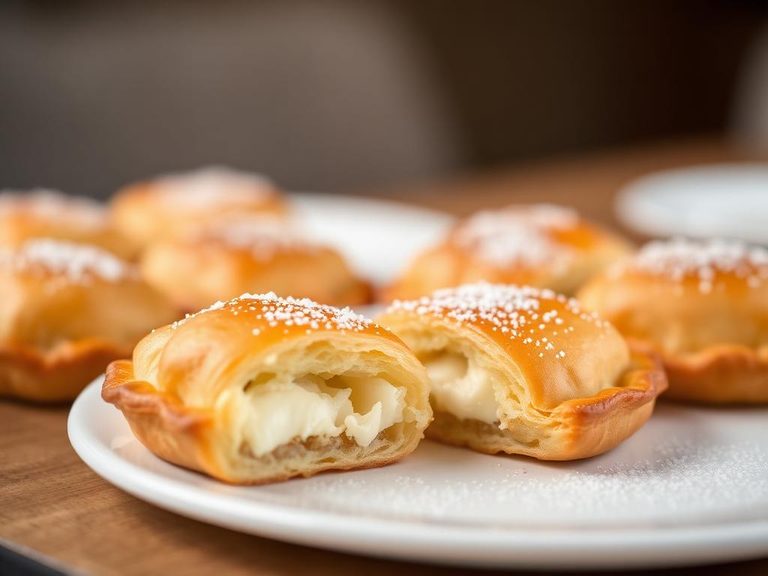
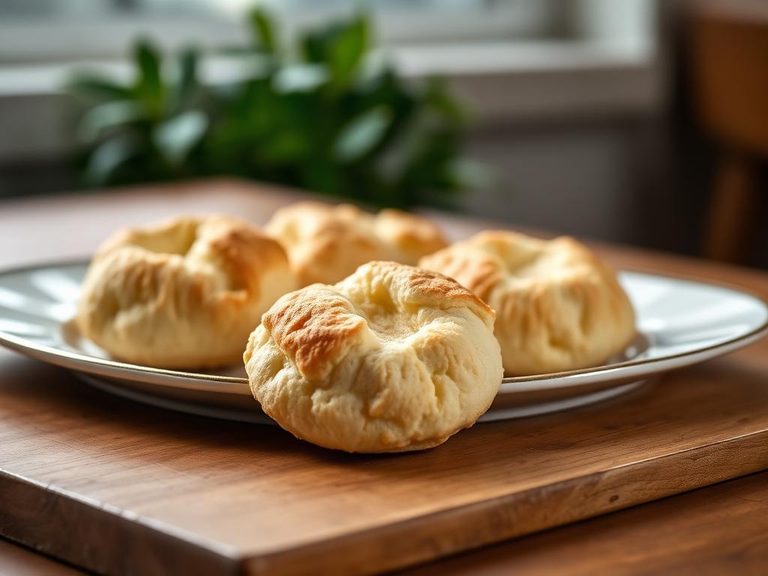
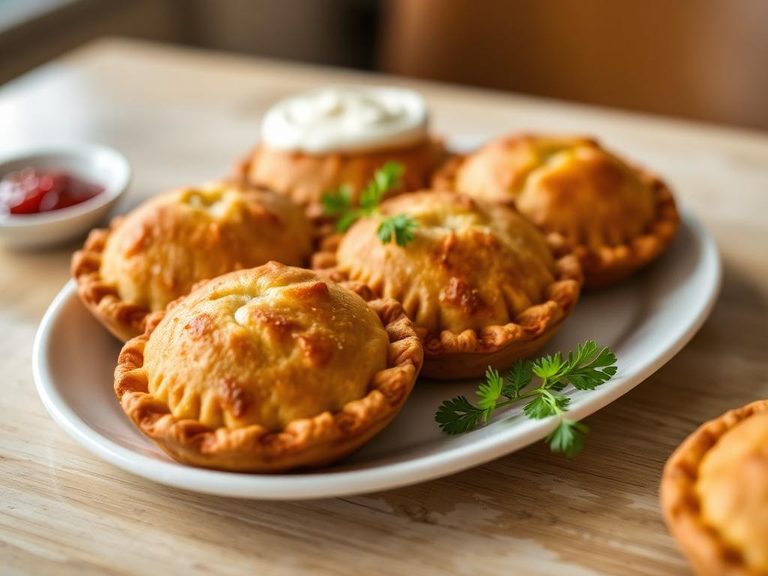
Bakers and food manufacturers prize it for its unparalleled ability to create the delicate, shattering layers in croissants, pie crusts, and puff pastry. Its functional reliability and neutral profile make it a workhorse ingredient for achieving specific textures in mass-produced baked goods.
⚠️ Watch-outs & how to enjoy it better
As a partially hydrogenated oil, it contains trans fats, which are linked to increased risk of heart disease. Those monitoring their cardiovascular health should limit intake. To counteract, prioritize homemade pastries using butter or other unhydrogenated fats, and when consuming commercial pastries, pair them with a source of protein (like nuts) and enjoy in moderation.
Key benefits
- Creates superior, distinct flaky layers in pastries
- High smoke point suitable for frying
- Provides a consistent, solid texture for baking
- Cost-effective for large-scale commercial baking
- Long shelf life and stability at room temperature
🍽️ Popular dishes


🌍 Where it's eaten
💡 Did you know?
The specific blend of soy and cottonseed oils in this shortening was historically developed to mimic the solid, plastic properties of lard at a lower cost, revolutionizing the commercial baking industry in the early 20th century.
Full nutrition (USDA data · scales with serving)
| Water | 28.0 g |
| Energy | 628 kcal |
| Energy | 2626 kj |
| Protein | 0.00 g |
| Total lipid (fat) | 71.0 g |
| Ash | 1.0 g |
| Carbohydrate, by difference | 0.00 g |
| Fiber, total dietary | 0.00 g |
| Total Sugars | 0.00 g |
| Calcium, Ca | 0.00 mg |
| Iron, Fe | 0.00 mg |
| Magnesium, Mg | 0.00 mg |
| Phosphorus, P | 0.00 mg |
| Potassium, K | 0.00 mg |
| Sodium, Na | 864 mg |
| Zinc, Zn | 0.00 mg |
| Copper, Cu | 0.00 mg |
| Selenium, Se | 0.00 ug |
| Vitamin C, total ascorbic acid | 0.00 mg |
| Thiamin | 0.00 mg |
| Riboflavin | 0.00 mg |
| Niacin | 0.00 mg |
| Vitamin B-6 | 0.00 mg |
| Folate, total | 0.00 ug |
| Folic acid | 0.00 ug |
| Folate, food | 0.00 ug |
| Folate, DFE | 0.00 ug |
| Vitamin B-12 | 0.00 ug |
| Vitamin B-12, added | 0.00 ug |
| Vitamin A, RAE | 0.00 ug |
| Retinol | 0.00 ug |
| Carotene, beta | 0.00 ug |
| Carotene, alpha | 0.00 ug |
| Cryptoxanthin, beta | 0.00 ug |
| Vitamin A, IU | 0.00 iu |
| Lycopene | 0.00 ug |
| Lutein + zeaxanthin | 0.00 ug |
| Vitamin E (alpha-tocopherol) | 6.1 mg |
| Vitamin E, added | 0.00 mg |
| Tocopherol, beta | 0.44 mg |
| Tocopherol, gamma | 32.3 mg |
| Tocopherol, delta | 15.4 mg |
| Vitamin K (phylloquinone) | 43.0 ug |
| Alcohol, ethyl | 0.00 g |
| Caffeine | 0.00 mg |
| Theobromine | 0.00 mg |
Fat & fatty acid profile (per 100g)
| Fatty acids, total saturated | 22.9 g |
| SFA 4:0 | 0.00 g |
| SFA 6:0 | 0.00 g |
| SFA 8:0 | 0.00 g |
| SFA 10:0 | 0.00 g |
| SFA 12:0 | 0.03 g |
| SFA 14:0 | 0.15 g |
| SFA 15:0 | 0.03 g |
| SFA 16:0 | 9.3 g |
| SFA 17:0 | 0.10 g |
| SFA 18:0 | 12.8 g |
| SFA 20:0 | 0.27 g |
| SFA 22:0 | 0.24 g |
| Fatty acids, total monounsaturated | 37.2 g |
| MUFA 16:1 | 0.05 g |
| MUFA 16:1 c | 0.05 g |
| MUFA 18:1 | 37.2 g |
| MUFA 18:1 c | 19.6 g |
| MUFA 20:1 | 0.00 g |
| MUFA 22:1 | 0.00 g |
| Fatty acids, total polyunsaturated | 7.5 g |
| PUFA 18:2 | 6.8 g |
| PUFA 18:2 n-6 c,c | 5.5 g |
| PUFA 18:2 i | 1.3 g |
| PUFA 18:3 | 0.76 g |
| PUFA 18:3 n-3 c,c,c (ALA) | 0.49 g |
| PUFA 18:3i | 0.26 g |
| PUFA 18:4 | 0.00 g |
| PUFA 20:4 | 0.00 g |
| PUFA 20:5 n-3 (EPA) | 0.00 g |
| PUFA 22:5 n-3 (DPA) | 0.00 g |
| PUFA 22:6 n-3 (DHA) | 0.00 g |
| Fatty acids, total trans | 19.1 g |
| Fatty acids, total trans-monoenoic | 17.5 g |
| TFA 18:1 t | 17.5 g |
| Fatty acids, total trans-polyenoic | 1.5 g |
| Cholesterol | 0.00 mg |
FAQ
Why is it called 'shortening'?
The term 'shortening' refers to its ability to 'shorten' gluten strands in dough. By coating flour proteins, it prevents them from forming long, elastic networks, resulting in a tender, crumbly, or flaky texture rather than a chewy one.
Can I use this in place of butter in any recipe?
Not directly. While it can replace butter for flakiness, it lacks butter's water content and flavor. Substitutions will alter taste, browning, and texture. Recipes specifically designed for shortening will yield the best results.
What does 'partially hydrogenated' mean?
It means liquid vegetable oil has been chemically altered with hydrogen to become solid or semi-solid at room temperature. This process improves texture and shelf life but creates trans fats as a byproduct.
Nutrient density (calculated · NRF9.3)
Nutrient Rich Foods index: beneficial nutrients (protein, fiber, vitamins, minerals) minus saturated fat, added sugar & sodium, per 100 kcal.
NRF9.3 index — Fulgoni, Keast & Drewnowski, 2009. Computed from USDA nutrients.
Weight-loss friendliness (composite index)
Energy density 6.28 kcal/g · 0% calories from protein · 0.0 g fiber · 0.0 g sugar per 100 g.
Composite of energy density (Rolls et al., 1999), protein & fiber satiety, minus sugar. A calculated heuristic — ranks satiety-per-calorie, not a clinical measure.
Dietary load (calculated from USDA values)
Potential renal acid load. Positive = acid-forming, negative = alkaline-forming.
Sodium:potassium per WHO potassium guidance. Computed from USDA nutrients.