

Lima beans, from dried
Common food

Photo: Wikipedia
Dried lima beans, when cooked, transform into creamy, buttery legumes with a subtle, earthy flavor and a velvety texture that holds up beautifully in soups and stews. Nutritionally, they are a standout source of plant-based protein and dietary fiber, making them a satisfying and gut-friendly staple. Their mild taste makes them a versatile canvas for bold seasonings and rich ingredients.
Calorie split: 17% protein · 46% carbs · 37% fat
↓ Full nutrition💚 Why it's loved
People love lima beans for their uniquely creamy, almost buttery texture and ability to absorb the flavors of herbs, broths, and smoky meats. They are a beloved comfort food in many cultures, often serving as the hearty, protein-rich backbone of one-pot meals.
⚠️ Watch-outs & how to enjoy it better
Some find the texture overly starchy or mealy if overcooked, and their mild flavor can be bland without proper seasoning. For those watching carbohydrate intake, the 19.4g per 100g may require portion awareness. To counteract this, pair them with non-starchy vegetables and a source of fat or protein (like smoked turkey or olive oil) to balance the meal and enhance flavor absorption.
Key benefits
- Excellent source of plant-based protein (7.25g per 100g cooked).
- High in dietary fiber (6.5g per 100g) for digestive health and satiety.
- Provides complex carbohydrates for sustained energy.
- Naturally low in sugar (2.7g per 100g).
- Contains essential minerals like iron and potassium.
🍽️ Popular dishes
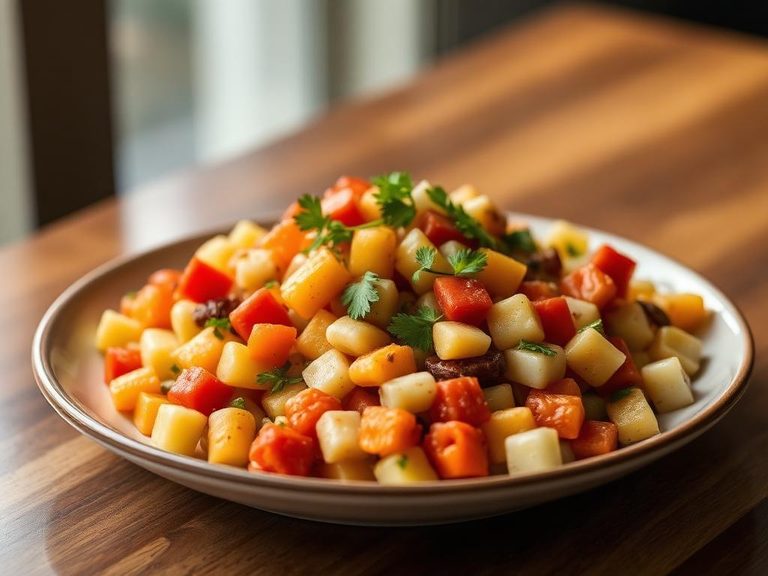
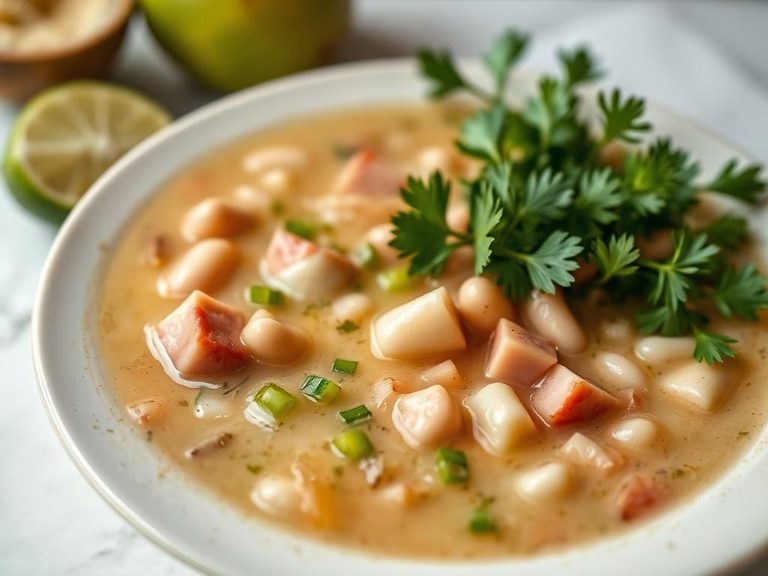
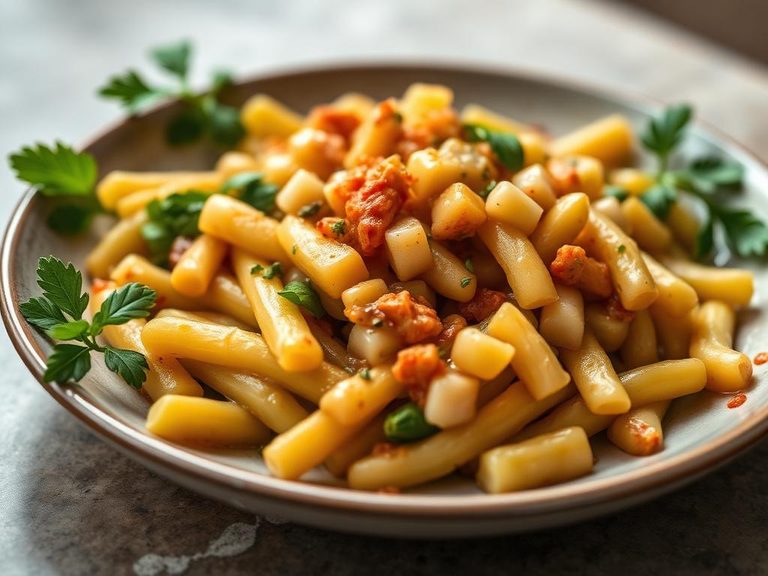
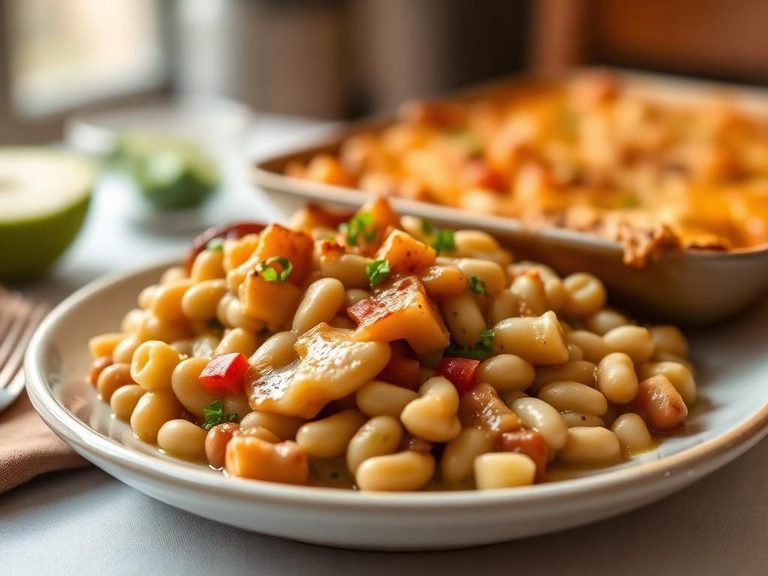
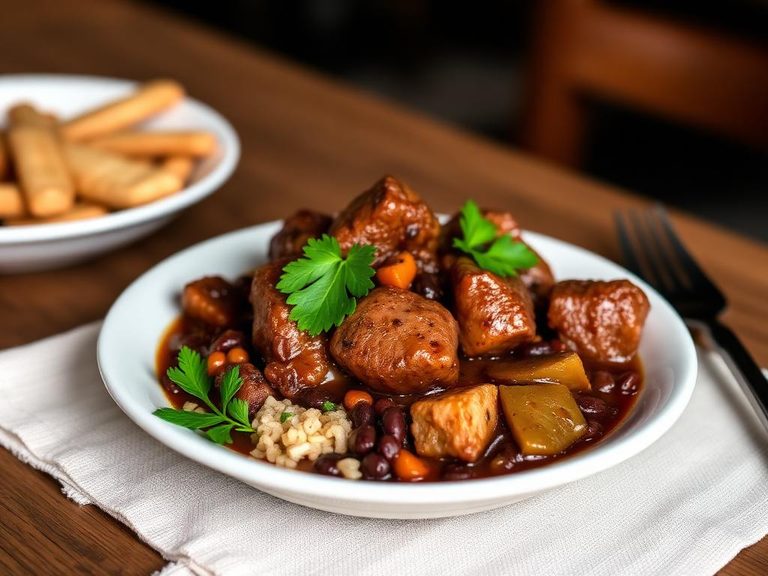
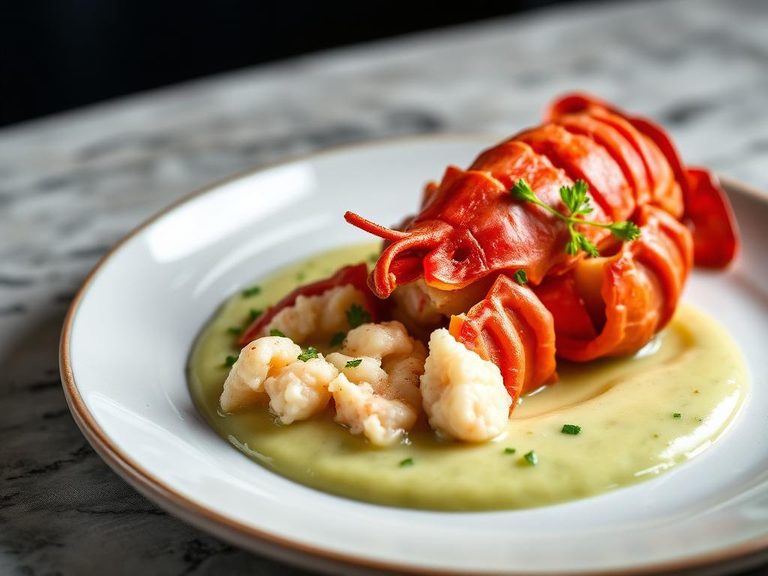
🌍 Where it's eaten
💡 Did you know?
Lima beans are named after Lima, Peru, where Spanish colonizers first encountered them in the 16th century, though they were cultivated in the Americas for thousands of years prior.
Full nutrition (USDA data · scales with serving)
| Water | 64.9 g |
| Energy | 165 kcal |
| Protein | 7.3 g |
| Total lipid (fat) | 6.9 g |
| Carbohydrate, by difference | 19.4 g |
| Fiber, total dietary | 6.5 g |
| Total Sugars | 2.7 g |
| Calcium, Ca | 16.0 mg |
| Iron, Fe | 2.2 mg |
| Magnesium, Mg | 40.0 mg |
| Phosphorus, P | 103 mg |
| Potassium, K | 472 mg |
| Sodium, Na | 218 mg |
| Zinc, Zn | 0.88 mg |
| Copper, Cu | 0.22 mg |
| Selenium, Se | 4.2 ug |
| Vitamin C, total ascorbic acid | 0.00 mg |
| Thiamin | 0.14 mg |
| Riboflavin | 0.05 mg |
| Niacin | 0.37 mg |
| Vitamin B-6 | 0.14 mg |
| Folate, total | 73.0 ug |
| Folic acid | 0.00 ug |
| Folate, food | 73.0 ug |
| Folate, DFE | 73.0 ug |
| Choline, total | 30.2 mg |
| Vitamin B-12 | 0.00 ug |
| Vitamin B-12, added | 0.00 ug |
| Vitamin A, RAE | 0.00 ug |
| Retinol | 0.00 ug |
| Carotene, beta | 0.00 ug |
| Carotene, alpha | 0.00 ug |
| Cryptoxanthin, beta | 0.00 ug |
| Lycopene | 0.00 ug |
| Lutein + zeaxanthin | 0.00 ug |
| Vitamin E (alpha-tocopherol) | 1.4 mg |
| Vitamin E, added | 0.00 mg |
| Vitamin D (D2 + D3) | 0.00 ug |
| Vitamin K (phylloquinone) | 8.4 ug |
| Alcohol, ethyl | 0.00 g |
| Caffeine | 0.00 mg |
| Theobromine | 0.00 mg |
Fat & fatty acid profile (per 100g)
| Fatty acids, total saturated | 0.95 g |
| SFA 4:0 | 0.00 g |
| SFA 6:0 | 0.00 g |
| SFA 8:0 | 0.00 g |
| SFA 10:0 | 0.00 g |
| SFA 12:0 | 0.00 g |
| SFA 14:0 | 0.00 g |
| SFA 16:0 | 0.69 g |
| SFA 18:0 | 0.20 g |
| Fatty acids, total monounsaturated | 2.8 g |
| MUFA 16:1 | 0.03 g |
| MUFA 18:1 | 2.7 g |
| MUFA 20:1 | 0.04 g |
| MUFA 22:1 | 0.00 g |
| Fatty acids, total polyunsaturated | 2.7 g |
| PUFA 18:2 | 2.3 g |
| PUFA 18:3 | 0.33 g |
| PUFA 18:4 | 0.00 g |
| PUFA 20:4 | 0.00 g |
| PUFA 20:5 n-3 (EPA) | 0.00 g |
| PUFA 22:5 n-3 (DPA) | 0.00 g |
| PUFA 22:6 n-3 (DHA) | 0.00 g |
| Cholesterol | 0.00 mg |
Amino acid profile (per 100g)
Estimated from Lima beans, immature seeds, raw — USDA does not publish this profile for Lima beans.
| Tryptophan | 0.09 g |
| Threonine | 0.29 g |
| Isoleucine | 0.44 g |
| Leucine | 0.54 g |
| Lysine | 0.45 g |
| Methionine | 0.07 g |
| Cystine | 0.08 g |
| Phenylalanine | 0.34 g |
| Tyrosine | 0.22 g |
| Valine | 0.43 g |
| Arginine | 0.46 g |
| Histidine | 0.23 g |
| Alanine | 0.26 g |
| Aspartic acid | 0.73 g |
| Glutamic acid | 0.88 g |
| Glycine | 0.27 g |
| Proline | 0.10 g |
| Serine | 0.43 g |
FAQ
What's the difference between baby lima beans and regular lima beans?
Baby lima beans are smaller, paler, and have a milder, more delicate flavor and creamier texture. Regular (or Fordhook) lima beans are larger, greener, and have a more robust, beany flavor and firmer texture.
Why are my dried lima beans taking so long to cook?
Dried lima beans have a tough seed coat. To ensure even cooking and reduce time, soak them overnight in cold water (at least 8 hours) or use a quick-soak method: cover with water, bring to a boil for 2 minutes, then let stand off heat for 1 hour before cooking.
Are lima beans toxic?
Raw lima beans contain linamarin, which can release cyanide. However, this compound is completely destroyed by proper cooking. Always cook dried lima beans thoroughly in boiling water for at least 10 minutes, and discard any soaking water.
Nutrient density (calculated · NRF9.3)
Nutrient Rich Foods index: beneficial nutrients (protein, fiber, vitamins, minerals) minus saturated fat, added sugar & sodium, per 100 kcal.
NRF9.3 index — Fulgoni, Keast & Drewnowski, 2009. Computed from USDA nutrients.
Weight-loss friendliness (composite index)
Energy density 1.65 kcal/g · 18% calories from protein · 6.5 g fiber · 2.7 g sugar per 100 g.
Composite of energy density (Rolls et al., 1999), protein & fiber satiety, minus sugar. A calculated heuristic — ranks satiety-per-calorie, not a clinical measure.
Dietary load (calculated from USDA values)
Potential renal acid load. Positive = acid-forming, negative = alkaline-forming.
Sodium-to-potassium ratio: 0.46 (lower is better — aim for ≤ 1)
Sodium:potassium per WHO potassium guidance. Computed from USDA nutrients.