

Kidney beans, from dried, no added fat
Common food

Photo: Wikipedia
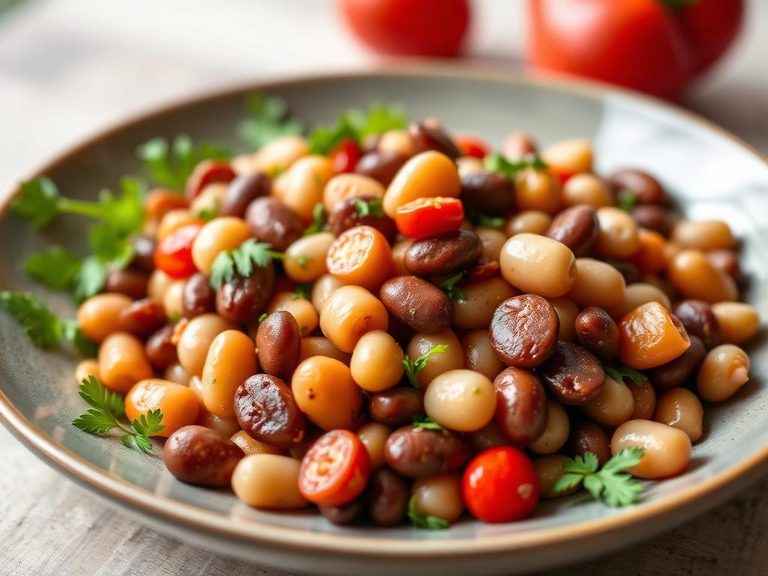
Kidney beans are a hearty, kidney-shaped legume with a creamy, dense texture and a mild, earthy flavor that absorbs surrounding seasonings beautifully. They are a nutritional powerhouse, offering a substantial 8.62g of protein and an impressive 7.4g of fiber per 100g cooked serving, all for just 126 calories.
Calorie split: 27% protein · 70% carbs · 3% fat
↓ Full nutrition💚 Why it's loved
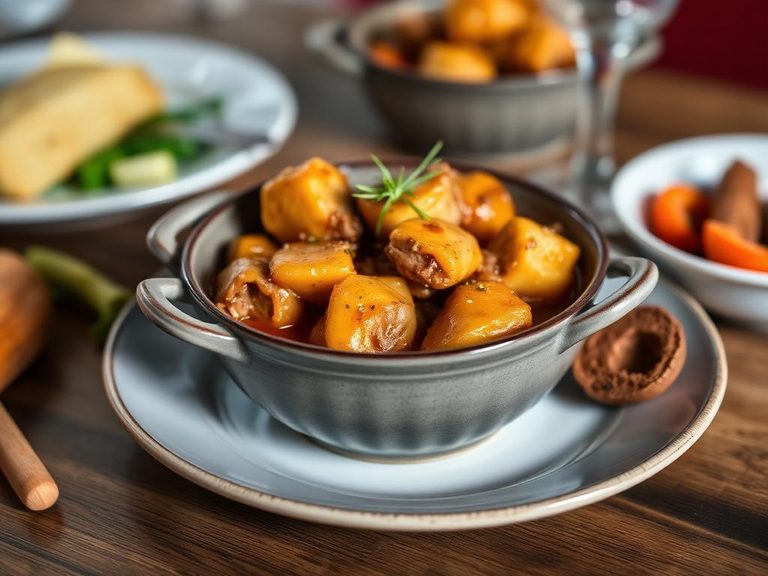
People love kidney beans for their satisfying, meaty bite and incredible versatility—they are the essential, protein-packed backbone of countless comfort foods, from spicy chilis to creamy salads, across global cuisines.
⚠️ Watch-outs & how to enjoy it better
Raw or undercooked kidney beans contain lectins that can cause digestive upset; always boil them thoroughly (at least 10 minutes) and discard the soaking water. They are high in fiber, which can cause gas in some people—start with small portions and increase gradually to allow your system to adjust.
Key benefits
- Excellent source of plant-based protein
- High in dietary fiber for digestive health
- Rich in folate, iron, and potassium
- Low in fat and naturally cholesterol-free
- Provides slow-release energy from complex carbs
🍽️ Popular dishes
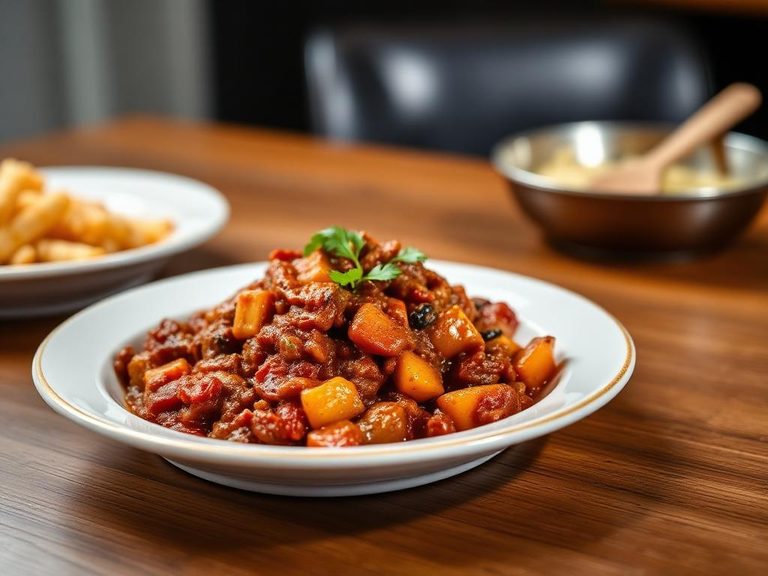
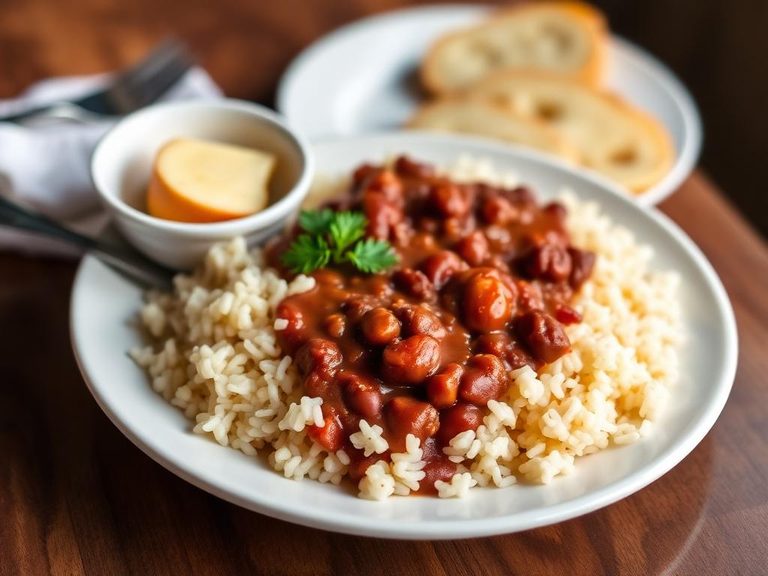
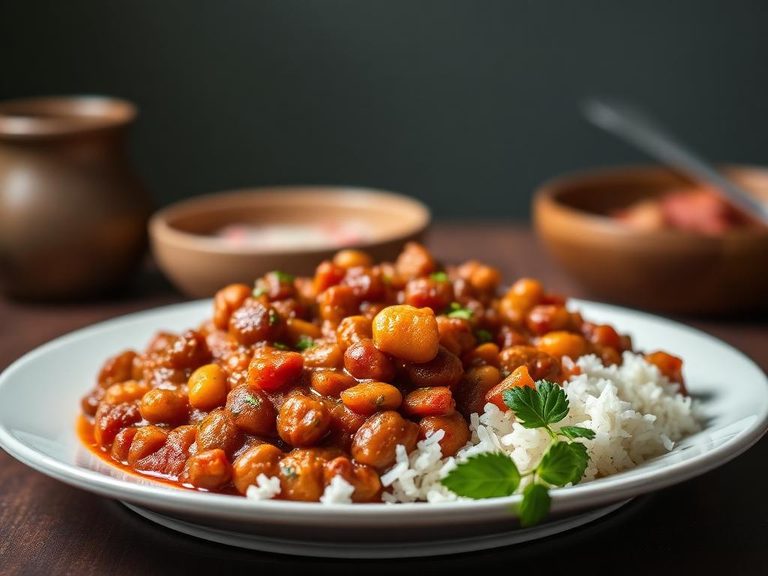
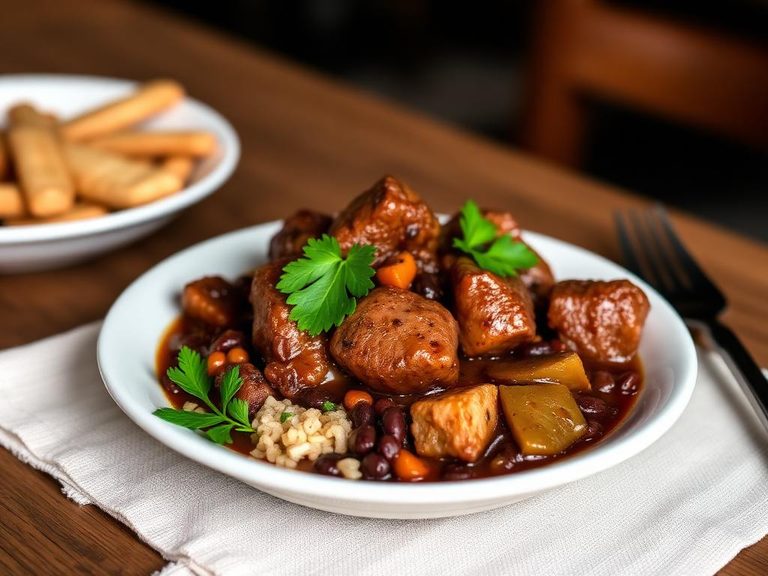
🌍 Where it's eaten
💡 Did you know?
The name 'kidney bean' is a direct reference to its visual resemblance to a human kidney, both in shape and deep red color.
Full nutrition (USDA data · scales with serving)
| Water | 66.5 g |
| Energy | 126 kcal |
| Protein | 8.6 g |
| Total lipid (fat) | 0.50 g |
| Carbohydrate, by difference | 22.7 g |
| Fiber, total dietary | 7.4 g |
| Total Sugars | 0.32 g |
| Calcium, Ca | 28.0 mg |
| Iron, Fe | 2.9 mg |
| Magnesium, Mg | 45.0 mg |
| Phosphorus, P | 141 mg |
| Potassium, K | 401 mg |
| Sodium, Na | 233 mg |
| Zinc, Zn | 1.1 mg |
| Copper, Cu | 0.24 mg |
| Selenium, Se | 1.2 ug |
| Vitamin C, total ascorbic acid | 1.1 mg |
| Thiamin | 0.15 mg |
| Riboflavin | 0.06 mg |
| Niacin | 0.55 mg |
| Vitamin B-6 | 0.11 mg |
| Folate, total | 123 ug |
| Folic acid | 0.00 ug |
| Folate, food | 123 ug |
| Folate, DFE | 123 ug |
| Choline, total | 30.3 mg |
| Vitamin B-12 | 0.00 ug |
| Vitamin B-12, added | 0.00 ug |
| Vitamin A, RAE | 0.00 ug |
| Retinol | 0.00 ug |
| Carotene, beta | 0.00 ug |
| Carotene, alpha | 0.00 ug |
| Cryptoxanthin, beta | 0.00 ug |
| Lycopene | 0.00 ug |
| Lutein + zeaxanthin | 0.00 ug |
| Vitamin E (alpha-tocopherol) | 0.03 mg |
| Vitamin E, added | 0.00 mg |
| Vitamin D (D2 + D3) | 0.00 ug |
| Vitamin K (phylloquinone) | 8.4 ug |
| Alcohol, ethyl | 0.00 g |
| Caffeine | 0.00 mg |
| Theobromine | 0.00 mg |
Fat & fatty acid profile (per 100g)
| Fatty acids, total saturated | 0.07 g |
| SFA 4:0 | 0.00 g |
| SFA 6:0 | 0.00 g |
| SFA 8:0 | 0.00 g |
| SFA 10:0 | 0.00 g |
| SFA 12:0 | 0.00 g |
| SFA 14:0 | 0.00 g |
| SFA 16:0 | 0.06 g |
| SFA 18:0 | 0.01 g |
| Fatty acids, total monounsaturated | 0.04 g |
| MUFA 16:1 | 0.00 g |
| MUFA 18:1 | 0.04 g |
| MUFA 20:1 | 0.00 g |
| MUFA 22:1 | 0.00 g |
| Fatty acids, total polyunsaturated | 0.27 g |
| PUFA 18:2 | 0.11 g |
| PUFA 18:3 | 0.17 g |
| PUFA 18:4 | 0.00 g |
| PUFA 20:4 | 0.00 g |
| PUFA 20:5 n-3 (EPA) | 0.00 g |
| PUFA 22:5 n-3 (DPA) | 0.00 g |
| PUFA 22:6 n-3 (DHA) | 0.00 g |
| Cholesterol | 0.00 mg |
Amino acid profile (per 100g)
Estimated from Beans, kidney, mature seeds, sprouted, cooked, boiled, drained, without salt — USDA does not publish this profile for Kidney beans.
| Tryptophan | 0.05 g |
| Threonine | 0.20 g |
| Isoleucine | 0.21 g |
| Leucine | 0.35 g |
| Lysine | 0.28 g |
| Methionine | 0.05 g |
| Cystine | 0.06 g |
| Phenylalanine | 0.24 g |
| Tyrosine | 0.17 g |
| Valine | 0.25 g |
| Arginine | 0.26 g |
| Histidine | 0.14 g |
| Alanine | 0.20 g |
| Aspartic acid | 0.63 g |
| Glutamic acid | 0.59 g |
| Glycine | 0.17 g |
| Proline | 0.20 g |
| Serine | 0.26 g |
FAQ
Are canned kidney beans as nutritious as dried?
Yes, canned kidney beans retain most of their nutrients. The main difference is the added sodium in the canning liquid; rinsing and draining them can reduce sodium content by up to 40%.
How should I store cooked kidney beans?
Cool cooked beans to room temperature, then store in an airtight container in the refrigerator for up to 4 days, or freeze them in portions for up to 6 months.
Why are my kidney beans still hard after cooking?
Old beans or beans stored in very dry conditions can take much longer to soften. Adding salt or acidic ingredients (like tomatoes) too early can also toughen the skins. Ensure beans are fully submerged in water and simmer gently until tender.
Nutrient density (calculated · NRF9.3)
Nutrient Rich Foods index: beneficial nutrients (protein, fiber, vitamins, minerals) minus saturated fat, added sugar & sodium, per 100 kcal.
NRF9.3 index — Fulgoni, Keast & Drewnowski, 2009. Computed from USDA nutrients.
Weight-loss friendliness (composite index)
Energy density 1.26 kcal/g · 27% calories from protein · 7.4 g fiber · 0.3 g sugar per 100 g.
Composite of energy density (Rolls et al., 1999), protein & fiber satiety, minus sugar. A calculated heuristic — ranks satiety-per-calorie, not a clinical measure.
Dietary load (calculated from USDA values)
Potential renal acid load. Positive = acid-forming, negative = alkaline-forming.
Sodium-to-potassium ratio: 0.58 (lower is better — aim for ≤ 1)
Sodium:potassium per WHO potassium guidance. Computed from USDA nutrients.