

Green peas, fresh, cooked, no added fat
Common food
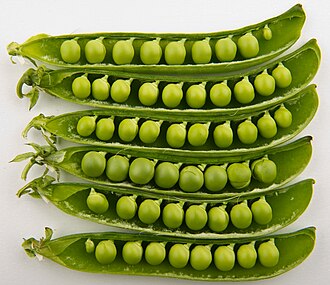
Photo: Wikipedia
Fresh green peas are vibrant, spring-green gems that burst with a sweet, earthy flavor and a satisfying pop when cooked. They are a low-calorie powerhouse, delivering a surprising amount of plant-based protein and fiber for their size. Their natural sweetness and tender-crisp texture make them a beloved addition to countless dishes.
Calorie split: 26% protein · 70% carbs · 4% fat
↓ Full nutrition💚 Why it's loved
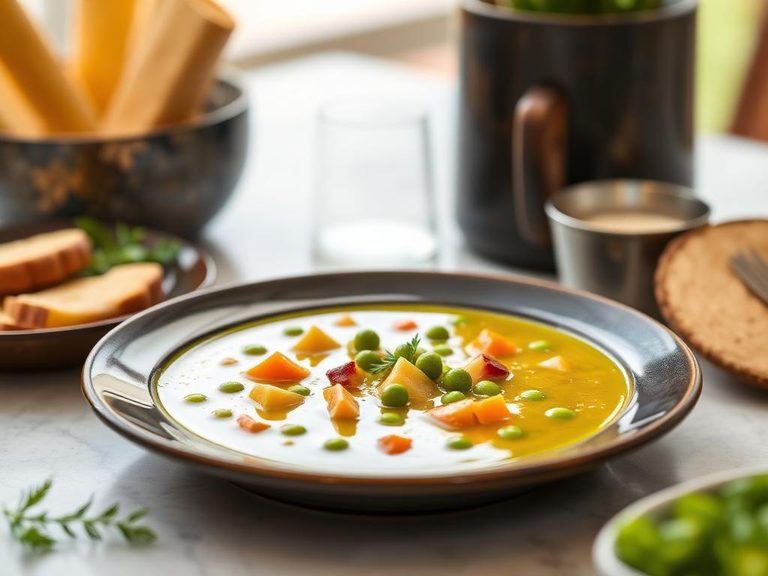
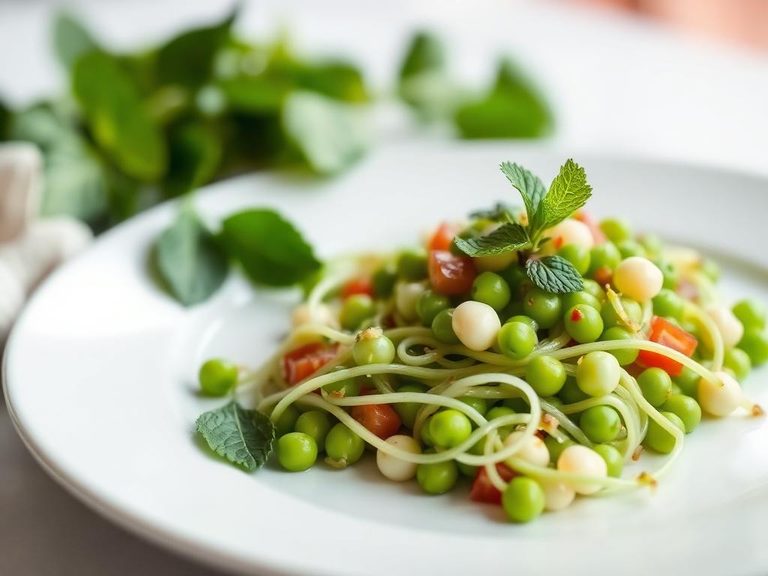
People adore green peas for their sweet, fresh flavor that brightens any dish, and their incredible versatility—from simple side dishes to integral components in soups, pastas, and salads. They hold a special place in many cuisines, symbolizing spring and renewal.
⚠️ Watch-outs & how to enjoy it better
For some, peas can cause digestive discomfort like gas or bloating due to their fiber and oligosaccharide content. To counteract this, start with smaller portions, cook them thoroughly, and consider pairing with digestive herbs like ginger or fennel. Those monitoring blood sugar should note their carbohydrate content and pair with protein or healthy fats to moderate the glycemic response.
Key benefits
- Excellent source of plant-based protein and dietary fiber.
- Rich in vitamins C and K, and a good source of folate.
- Naturally low in fat and calories, supporting healthy weight management.
- Contains antioxidants like lutein and zeaxanthin beneficial for eye health.
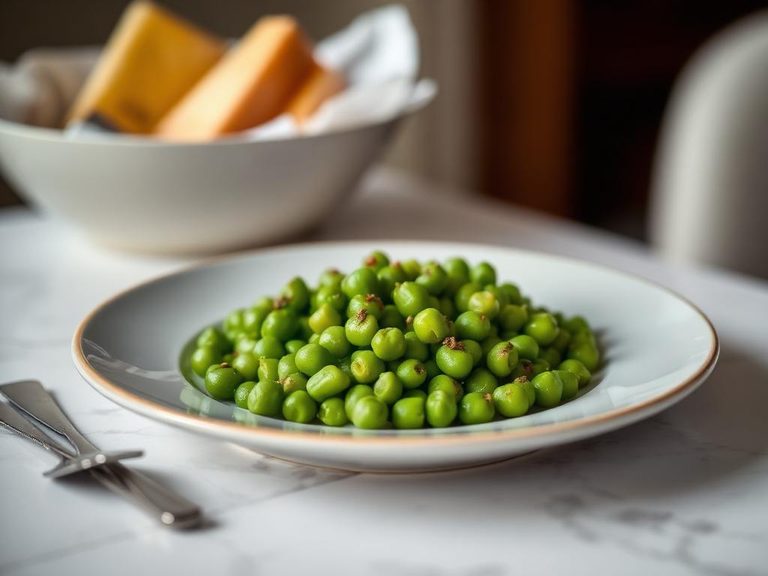
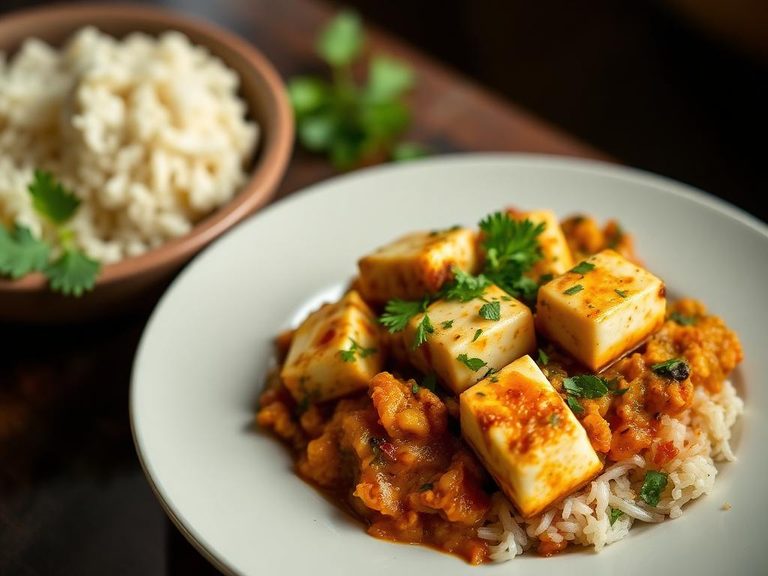
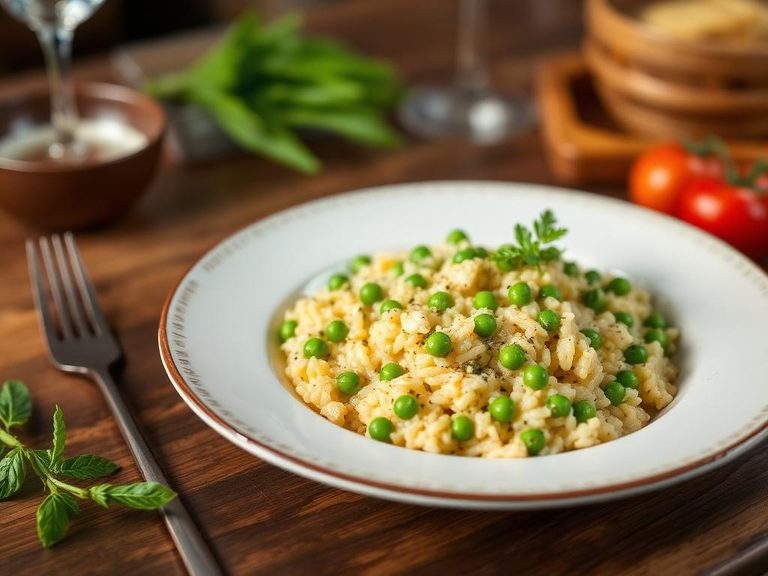
🍽️ Popular dishes
🌍 Where it's eaten
💡 Did you know?
Archaeological evidence suggests peas were one of the first crops cultivated by humans, with finds dating back to around 9,750 years ago in the Near East.
Full nutrition (USDA data · scales with serving)
| Water | 77.7 g |
| Energy | 84.0 kcal |
| Protein | 5.6 g |
| Total lipid (fat) | 0.42 g |
| Carbohydrate, by difference | 15.0 g |
| Fiber, total dietary | 5.9 g |
| Total Sugars | 5.9 g |
| Calcium, Ca | 26.0 mg |
| Iron, Fe | 1.5 mg |
| Magnesium, Mg | 34.0 mg |
| Phosphorus, P | 112 mg |
| Potassium, K | 253 mg |
| Sodium, Na | 126 mg |
| Zinc, Zn | 1.3 mg |
| Copper, Cu | 0.18 mg |
| Selenium, Se | 1.9 ug |
| Vitamin C, total ascorbic acid | 35.3 mg |
| Thiamin | 0.25 mg |
| Riboflavin | 0.13 mg |
| Niacin | 2.1 mg |
| Vitamin B-6 | 0.16 mg |
| Folate, total | 57.0 ug |
| Folic acid | 0.00 ug |
| Folate, food | 57.0 ug |
| Folate, DFE | 57.0 ug |
| Choline, total | 29.5 mg |
| Vitamin B-12 | 0.00 ug |
| Vitamin B-12, added | 0.00 ug |
| Vitamin A, RAE | 37.0 ug |
| Retinol | 0.00 ug |
| Carotene, beta | 443 ug |
| Carotene, alpha | 21.0 ug |
| Cryptoxanthin, beta | 0.00 ug |
| Lycopene | 0.00 ug |
| Lutein + zeaxanthin | 2444 ug |
| Vitamin E (alpha-tocopherol) | 0.14 mg |
| Vitamin E, added | 0.00 mg |
| Vitamin D (D2 + D3) | 0.00 ug |
| Vitamin K (phylloquinone) | 25.8 ug |
| Alcohol, ethyl | 0.00 g |
| Caffeine | 0.00 mg |
| Theobromine | 0.00 mg |
Fat & fatty acid profile (per 100g)
| Fatty acids, total saturated | 0.07 g |
| SFA 4:0 | 0.00 g |
| SFA 6:0 | 0.00 g |
| SFA 8:0 | 0.00 g |
| SFA 10:0 | 0.00 g |
| SFA 12:0 | 0.00 g |
| SFA 14:0 | 0.00 g |
| SFA 16:0 | 0.07 g |
| SFA 18:0 | 0.01 g |
| Fatty acids, total monounsaturated | 0.04 g |
| MUFA 16:1 | 0.00 g |
| MUFA 18:1 | 0.04 g |
| MUFA 20:1 | 0.00 g |
| MUFA 22:1 | 0.00 g |
| Fatty acids, total polyunsaturated | 0.19 g |
| PUFA 18:2 | 0.16 g |
| PUFA 18:3 | 0.04 g |
| PUFA 18:4 | 0.00 g |
| PUFA 20:4 | 0.00 g |
| PUFA 20:5 n-3 (EPA) | 0.00 g |
| PUFA 22:5 n-3 (DPA) | 0.00 g |
| PUFA 22:6 n-3 (DHA) | 0.00 g |
| Cholesterol | 0.00 mg |
Amino acid profile (per 100g)
Estimated from Peas, green (includes baby and lesuer types), canned, drained solids, unprepared — USDA does not publish this profile for Green peas.
| Tryptophan | 0.03 g |
| Threonine | 0.17 g |
| Isoleucine | 0.16 g |
| Leucine | 0.27 g |
| Lysine | 0.26 g |
| Methionine | 0.07 g |
| Cystine | 0.03 g |
| Phenylalanine | 0.17 g |
| Tyrosine | 0.09 g |
| Valine | 0.19 g |
| Arginine | 0.35 g |
| Histidine | 0.09 g |
| Alanine | 0.20 g |
| Aspartic acid | 0.41 g |
| Glutamic acid | 0.61 g |
| Glycine | 0.15 g |
| Proline | 0.14 g |
| Serine | 0.15 g |
FAQ
Are fresh peas and frozen peas nutritionally different?
Frozen peas are typically flash-frozen at peak ripeness, which preserves their nutrients very well. Fresh peas lose sugars and vitamins quickly after harvest, so frozen can sometimes be more nutritious if the fresh ones are old.
How can I reduce the 'gas' effect of peas?
Soaking dried peas (if using) and cooking them thoroughly helps. For fresh or frozen peas, start with a small serving, chew thoroughly, and consider adding digestive spices like cumin or asafoetida when cooking.
What's the best way to store fresh peas?
Keep them in their pods in the refrigerator and use within 2-3 days for best flavor and texture. Once shelled, they deteriorate faster. For longer storage, blanch and freeze them.
Nutrient density (calculated · NRF9.3)
Nutrient Rich Foods index: beneficial nutrients (protein, fiber, vitamins, minerals) minus saturated fat, added sugar & sodium, per 100 kcal.
NRF9.3 index — Fulgoni, Keast & Drewnowski, 2009. Computed from USDA nutrients.
Weight-loss friendliness (composite index)
Energy density 0.84 kcal/g · 27% calories from protein · 5.9 g fiber · 5.9 g sugar per 100 g.
Composite of energy density (Rolls et al., 1999), protein & fiber satiety, minus sugar. A calculated heuristic — ranks satiety-per-calorie, not a clinical measure.
Dietary load (calculated from USDA values)
Potential renal acid load. Positive = acid-forming, negative = alkaline-forming.
Sodium-to-potassium ratio: 0.50 (lower is better — aim for ≤ 1)
Sodium:potassium per WHO potassium guidance. Computed from USDA nutrients.