

Garlic bread, NFS
Common food
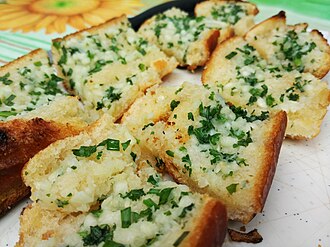
Photo: Wikipedia
Garlic bread is a beloved side dish made from bread, typically a baguette or Italian loaf, generously slathered with a mixture of butter or olive oil, minced garlic, and often herbs like parsley. Its texture ranges from a crisp, golden crust to a soft, chewy interior, delivering a potent, savory, and aromatic punch. Nutritionally, it's a calorie-dense carbohydrate source, providing quick energy but with minimal protein and fiber.
Calorie split: 10% protein · 48% carbs · 43% fat
↓ Full nutrition💚 Why it's loved
People adore garlic bread for its irresistible combination of savory, umami-rich garlic and rich, melted butter or oil, which transforms simple bread into an indulgent treat. It's a cultural staple in Italian-American cuisine, often serving as the comforting, shareable appetizer that signals the start of a communal meal.
⚠️ Watch-outs & how to enjoy it better
The high refined carbohydrate and fat content can lead to blood sugar spikes and contribute to excess calorie intake if not portioned carefully. The strong garlic flavor can cause bad breath and digestive discomfort for some, and it's often high in sodium. To counteract this, pair a small slice with a protein-rich dish (like a bean soup or lean meat) and a fibrous vegetable salad to slow digestion and add nutritional balance.
Key benefits
- Provides quick energy from carbohydrates
- Contains allicin from garlic, a compound with antioxidant properties
- Can enhance the enjoyment of meals, encouraging consumption of other foods
- A versatile base for adding other nutrients like cheese or herbs
- The fat content aids in the absorption of fat-soluble vitamins from a meal
🍽️ Popular dishes
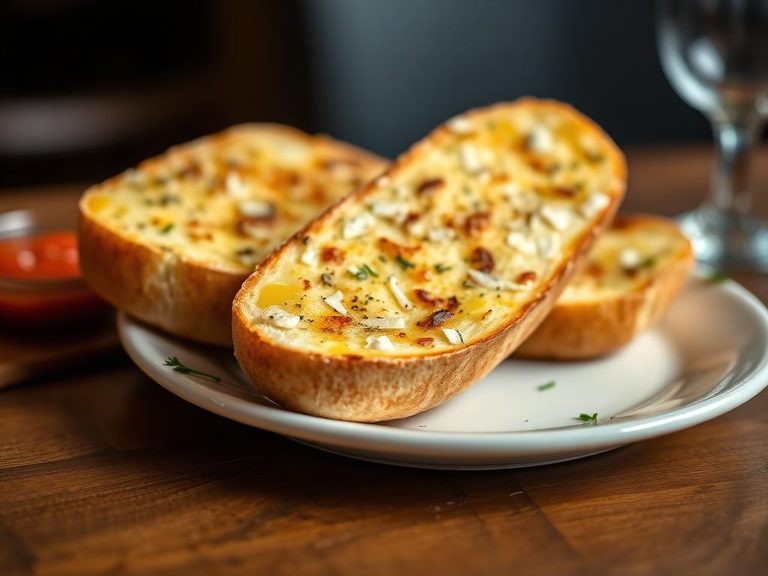
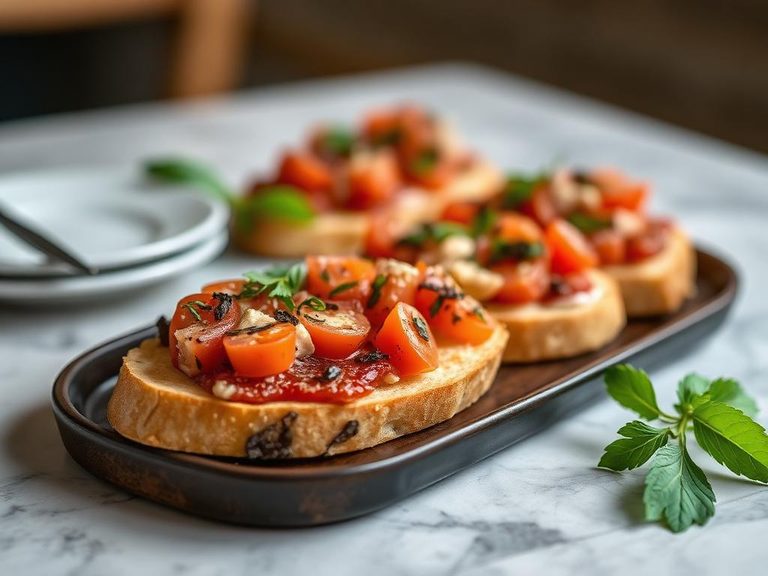
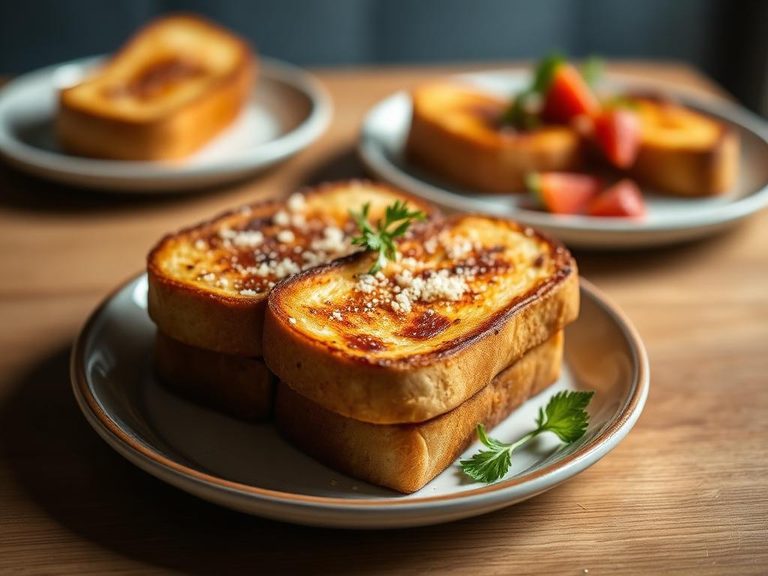
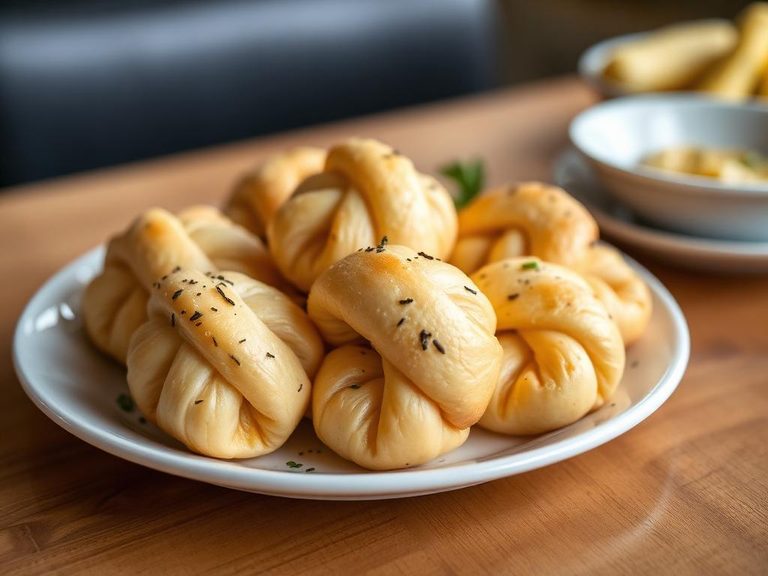
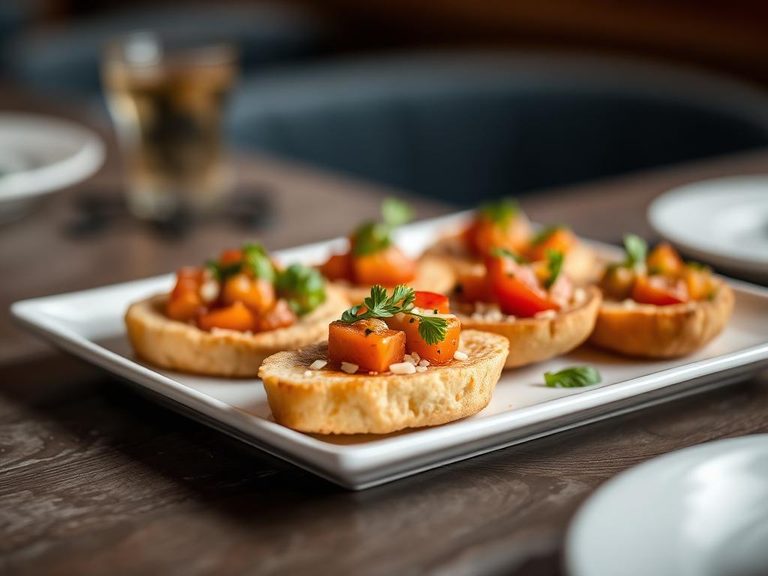
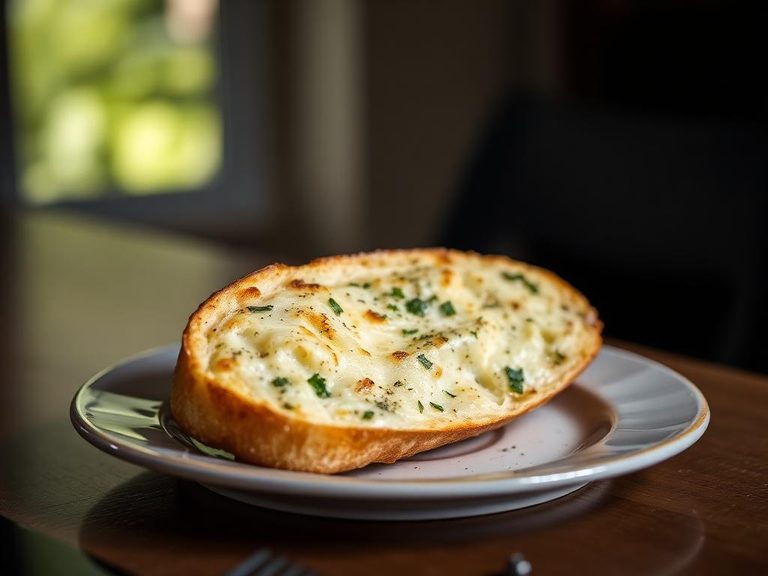
🌍 Where it's eaten
💡 Did you know?
The specific cut of bread matters: a 'French bread' loaf has a thicker crust and chewier crumb, while an 'Italian' loaf is typically softer and more porous, absorbing the garlic butter differently.
Full nutrition (USDA data · scales with serving)
| Water | 31.7 g |
| Energy | 349 kcal |
| Protein | 8.3 g |
| Total lipid (fat) | 16.6 g |
| Carbohydrate, by difference | 41.6 g |
| Fiber, total dietary | 2.5 g |
| Total Sugars | 3.7 g |
| Calcium, Ca | 27.0 mg |
| Iron, Fe | 3.0 mg |
| Magnesium, Mg | 23.0 mg |
| Phosphorus, P | 87.0 mg |
| Potassium, K | 103 mg |
| Sodium, Na | 620 mg |
| Zinc, Zn | 0.87 mg |
| Copper, Cu | 0.11 mg |
| Selenium, Se | 16.6 ug |
| Vitamin C, total ascorbic acid | 0.20 mg |
| Thiamin | 0.44 mg |
| Riboflavin | 0.18 mg |
| Niacin | 4.1 mg |
| Vitamin B-6 | 0.08 mg |
| Folate, total | 167 ug |
| Folic acid | 45.0 ug |
| Folate, food | 122 ug |
| Folate, DFE | 199 ug |
| Choline, total | 8.5 mg |
| Vitamin B-12 | 0.08 ug |
| Vitamin B-12, added | 0.00 ug |
| Vitamin A, RAE | 13.0 ug |
| Retinol | 13.0 ug |
| Carotene, beta | 0.00 ug |
| Carotene, alpha | 0.00 ug |
| Cryptoxanthin, beta | 0.00 ug |
| Lycopene | 0.00 ug |
| Lutein + zeaxanthin | 25.0 ug |
| Vitamin E (alpha-tocopherol) | 1.2 mg |
| Vitamin E, added | 0.00 mg |
| Vitamin D (D2 + D3) | 0.20 ug |
| Vitamin K (phylloquinone) | 29.4 ug |
| Alcohol, ethyl | 0.00 g |
| Caffeine | 0.00 mg |
| Theobromine | 0.00 mg |
Fat & fatty acid profile (per 100g)
| Fatty acids, total saturated | 5.3 g |
| SFA 4:0 | 0.01 g |
| SFA 6:0 | 0.01 g |
| SFA 8:0 | 0.03 g |
| SFA 10:0 | 0.04 g |
| SFA 12:0 | 0.65 g |
| SFA 14:0 | 0.33 g |
| SFA 16:0 | 3.3 g |
| SFA 18:0 | 0.74 g |
| Fatty acids, total monounsaturated | 4.7 g |
| MUFA 16:1 | 0.03 g |
| MUFA 18:1 | 3.9 g |
| MUFA 20:1 | 0.73 g |
| MUFA 22:1 | 0.00 g |
| Fatty acids, total polyunsaturated | 5.4 g |
| PUFA 18:2 | 5.4 g |
| PUFA 18:3 | 0.04 g |
| PUFA 18:4 | 0.00 g |
| PUFA 20:4 | 0.00 g |
| PUFA 20:5 n-3 (EPA) | 0.00 g |
| PUFA 22:5 n-3 (DPA) | 0.00 g |
| PUFA 22:6 n-3 (DHA) | 0.00 g |
| Cholesterol | 0.00 mg |
Amino acid profile (per 100g)
Estimated from Garlic bread, frozen — USDA does not publish this profile for Garlic bread.
| Tryptophan | 0.07 g |
| Threonine | 0.19 g |
| Isoleucine | 0.23 g |
| Leucine | 0.41 g |
| Lysine | 0.24 g |
| Methionine | 0.10 g |
| Cystine | 0.10 g |
| Phenylalanine | 0.27 g |
| Tyrosine | 0.19 g |
| Valine | 0.26 g |
| Arginine | 0.23 g |
| Histidine | 0.13 g |
| Alanine | 0.22 g |
| Aspartic acid | 0.33 g |
| Glutamic acid | 1.5 g |
| Glycine | 0.20 g |
| Proline | 0.52 g |
| Serine | 0.27 g |
FAQ
Is garlic bread a healthy food?
Garlic bread is generally considered an indulgence rather than a health food. It's high in calories, refined carbs, and saturated fat (from butter) with low protein and fiber. Enjoying it in moderation as part of a balanced meal is key.
Why does garlic bread sometimes taste bitter?
Bitterness can occur if the garlic is burned during toasting, or if the garlic itself is old or sprouted. Using fresh garlic and watching the bread carefully under the broiler prevents this.
Can I make a healthier version at home?
Yes. Use whole-grain bread, substitute some butter with olive oil, add a generous amount of fresh parsley or other herbs, and consider incorporating a sprinkle of nutritional yeast or a small amount of Parmesan for flavor without excessive fat.
Nutrient density (calculated · NRF9.3)
Nutrient Rich Foods index: beneficial nutrients (protein, fiber, vitamins, minerals) minus saturated fat, added sugar & sodium, per 100 kcal.
NRF9.3 index — Fulgoni, Keast & Drewnowski, 2009. Computed from USDA nutrients.
Weight-loss friendliness (composite index)
Energy density 3.49 kcal/g · 10% calories from protein · 2.5 g fiber · 3.7 g sugar per 100 g.
Composite of energy density (Rolls et al., 1999), protein & fiber satiety, minus sugar. A calculated heuristic — ranks satiety-per-calorie, not a clinical measure.
Dietary load (calculated from USDA values)
Potential renal acid load. Positive = acid-forming, negative = alkaline-forming.
Sodium-to-potassium ratio: 6.02 (lower is better — aim for ≤ 1)
Sodium:potassium per WHO potassium guidance. Computed from USDA nutrients.