

Garlic bread, from frozen
Common food

Photo: Wikipedia
Frozen garlic bread is a pre-sliced, par-baked loaf, typically a baguette or Italian-style bread, generously coated with a mixture of butter or oil, minced garlic, and often parsley. When baked, it transforms into a crispy, golden-brown side with a soft, chewy interior and an intensely aromatic, savory flavor. Nutritionally, it's a calorie-dense carbohydrate source, providing quick energy but with a relatively high fat content from the spread.
Calorie split: 10% protein · 48% carbs · 43% fat
↓ Full nutrition💚 Why it's loved
People adore it for the irresistible combination of crispy texture and rich, garlicky butter flavor that elevates any meal. It's a beloved, nostalgic comfort food that's effortlessly versatile, pairing perfectly with pasta, soups, salads, or as a standalone snack.
⚠️ Watch-outs & how to enjoy it better
Its high refined carbohydrate and fat content can lead to blood-sugar spikes and isn't ideal for low-carb or heart-healthy diets. To counteract this, pair a small portion with a protein-rich dish like grilled chicken or a fiber-filled salad to slow digestion and increase satiety.
Key benefits
- Convenient, ready-to-bake side dish
- Provides quick energy from carbohydrates
- Source of dietary fat for satiety
- Enhances the appeal of simple meals
- Long shelf life when frozen
🍽️ Popular dishes
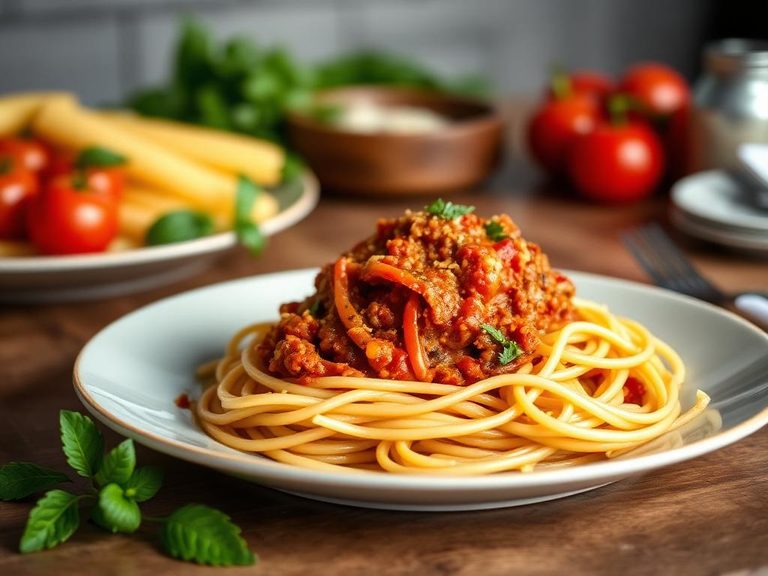
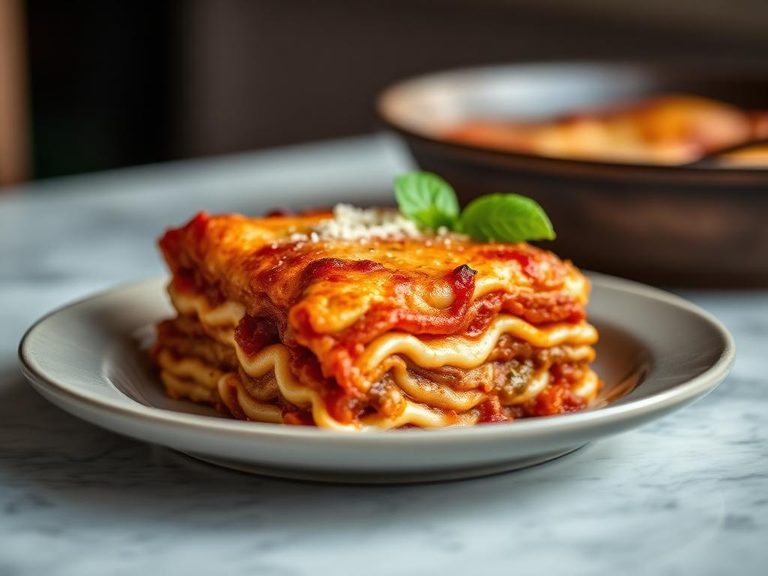
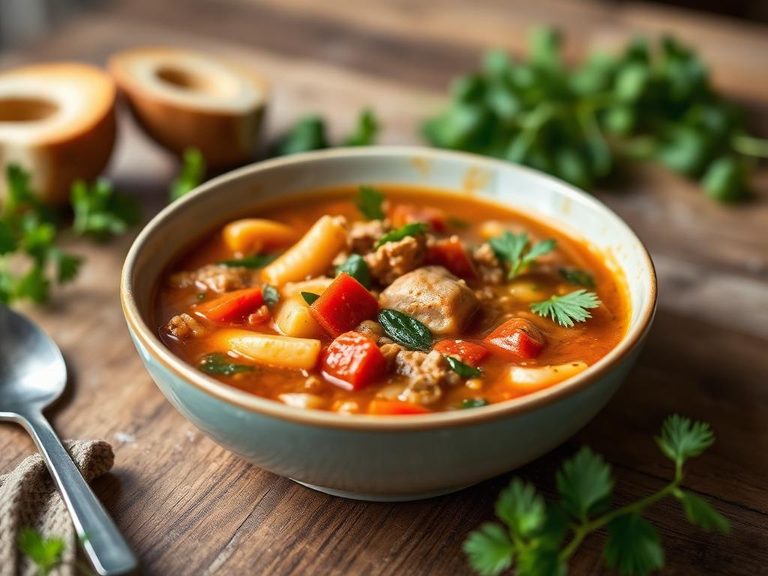
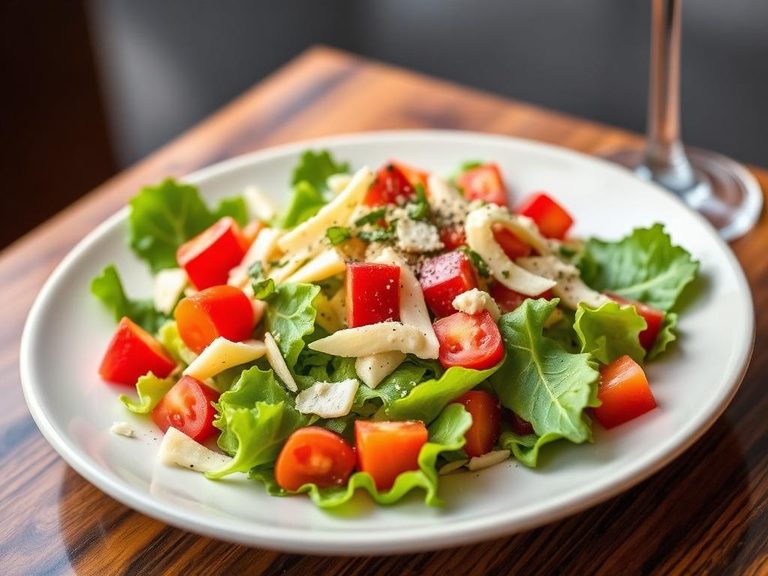
🌍 Where it's eaten
💡 Did you know?
The specific 'garlic bread' we know today is largely an Italian-American invention, popularized in the 1940s, though its roots trace back to French 'pain à l'ail' and Italian 'fettunta'.
Full nutrition (USDA data · scales with serving)
| Water | 31.8 g |
| Energy | 350 kcal |
| Protein | 8.4 g |
| Total lipid (fat) | 16.6 g |
| Carbohydrate, by difference | 41.7 g |
| Fiber, total dietary | 2.5 g |
| Total Sugars | 3.7 g |
| Calcium, Ca | 27.0 mg |
| Iron, Fe | 3.0 mg |
| Magnesium, Mg | 23.0 mg |
| Phosphorus, P | 87.0 mg |
| Potassium, K | 103 mg |
| Sodium, Na | 544 mg |
| Zinc, Zn | 0.87 mg |
| Copper, Cu | 0.11 mg |
| Selenium, Se | 16.6 ug |
| Vitamin C, total ascorbic acid | 0.20 mg |
| Thiamin | 0.44 mg |
| Riboflavin | 0.18 mg |
| Niacin | 4.1 mg |
| Vitamin B-6 | 0.08 mg |
| Folate, total | 167 ug |
| Folic acid | 45.0 ug |
| Folate, food | 122 ug |
| Folate, DFE | 199 ug |
| Choline, total | 8.5 mg |
| Vitamin B-12 | 0.08 ug |
| Vitamin B-12, added | 0.00 ug |
| Vitamin A, RAE | 13.0 ug |
| Retinol | 13.0 ug |
| Carotene, beta | 0.00 ug |
| Carotene, alpha | 0.00 ug |
| Cryptoxanthin, beta | 0.00 ug |
| Lycopene | 0.00 ug |
| Lutein + zeaxanthin | 25.0 ug |
| Vitamin E (alpha-tocopherol) | 1.2 mg |
| Vitamin E, added | 0.00 mg |
| Vitamin D (D2 + D3) | 0.20 ug |
| Vitamin K (phylloquinone) | 29.5 ug |
| Alcohol, ethyl | 0.00 g |
| Caffeine | 0.00 mg |
| Theobromine | 0.00 mg |
Fat & fatty acid profile (per 100g)
| Fatty acids, total saturated | 5.3 g |
| SFA 4:0 | 0.01 g |
| SFA 6:0 | 0.01 g |
| SFA 8:0 | 0.03 g |
| SFA 10:0 | 0.04 g |
| SFA 12:0 | 0.65 g |
| SFA 14:0 | 0.33 g |
| SFA 16:0 | 3.4 g |
| SFA 18:0 | 0.74 g |
| Fatty acids, total monounsaturated | 4.7 g |
| MUFA 16:1 | 0.03 g |
| MUFA 18:1 | 3.9 g |
| MUFA 20:1 | 0.73 g |
| MUFA 22:1 | 0.00 g |
| Fatty acids, total polyunsaturated | 5.4 g |
| PUFA 18:2 | 5.4 g |
| PUFA 18:3 | 0.04 g |
| PUFA 18:4 | 0.00 g |
| PUFA 20:4 | 0.00 g |
| PUFA 20:5 n-3 (EPA) | 0.00 g |
| PUFA 22:5 n-3 (DPA) | 0.00 g |
| PUFA 22:6 n-3 (DHA) | 0.00 g |
| Cholesterol | 0.00 mg |
Amino acid profile (per 100g)
Estimated from Garlic bread, frozen — USDA does not publish this profile for Garlic bread.
| Tryptophan | 0.07 g |
| Threonine | 0.19 g |
| Isoleucine | 0.23 g |
| Leucine | 0.41 g |
| Lysine | 0.24 g |
| Methionine | 0.10 g |
| Cystine | 0.10 g |
| Phenylalanine | 0.27 g |
| Tyrosine | 0.19 g |
| Valine | 0.26 g |
| Arginine | 0.23 g |
| Histidine | 0.13 g |
| Alanine | 0.22 g |
| Aspartic acid | 0.33 g |
| Glutamic acid | 1.5 g |
| Glycine | 0.20 g |
| Proline | 0.52 g |
| Serine | 0.27 g |
FAQ
How do I get the crispiest texture from frozen garlic bread?
Bake it directly from frozen on a preheated baking sheet or pizza stone at 400°F (200°C) for 8-12 minutes. Avoid covering with foil, and consider broiling for the last 1-2 minutes for extra crunch, watching carefully to prevent burning.
Is the nutrition information per slice or per 100g?
The provided data (350 kcal, etc.) is per 100 grams. A typical medium slice weighs about 45g, so its nutritional content would be roughly half of those values.
Can I make a healthier version at home?
Yes. Use whole-grain bread, replace some butter with olive oil, use fresh garlic, and add herbs like parsley or oregano. You can also reduce the spread amount and add nutritional yeast for a cheesy flavor without extra fat.
Nutrient density (calculated · NRF9.3)
Nutrient Rich Foods index: beneficial nutrients (protein, fiber, vitamins, minerals) minus saturated fat, added sugar & sodium, per 100 kcal.
NRF9.3 index — Fulgoni, Keast & Drewnowski, 2009. Computed from USDA nutrients.
Weight-loss friendliness (composite index)
Energy density 3.50 kcal/g · 10% calories from protein · 2.5 g fiber · 3.7 g sugar per 100 g.
Composite of energy density (Rolls et al., 1999), protein & fiber satiety, minus sugar. A calculated heuristic — ranks satiety-per-calorie, not a clinical measure.
Dietary load (calculated from USDA values)
Potential renal acid load. Positive = acid-forming, negative = alkaline-forming.
Sodium-to-potassium ratio: 5.28 (lower is better — aim for ≤ 1)
Sodium:potassium per WHO potassium guidance. Computed from USDA nutrients.