

Garlic bread, with parmesan cheese, from frozen
Common food

Photo: Wikipedia
This is a pre-sliced, frozen loaf of bread, generously slathered with a garlic-butter spread and topped with grated Parmesan cheese, ready to be baked to a golden, crispy finish. The texture is a satisfying contrast: a crunchy, cheesy crust giving way to a soft, buttery interior. Nutritionally, it's a calorie-dense side, with a significant portion of its energy coming from fats and refined carbohydrates.
Calorie split: 10% protein · 47% carbs · 43% fat
↓ Full nutrition💚 Why it's loved
People adore it for the irresistible, savory combination of rich garlic butter and salty, umami-packed Parmesan that transforms simple bread into a flavorful treat. It's a beloved, versatile side that complements everything from pasta and soups to salads and grilled meats.
⚠️ Watch-outs & how to enjoy it better
Its high fat and refined carb content can contribute to blood-sugar spikes and may not suit low-calorie or diabetic diets. The sodium from the cheese and butter can also be significant. To mitigate, pair a small portion with a protein-rich dish (like grilled chicken) or a fiber-filled salad to slow digestion and increase satiety.
Key benefits
- Provides quick energy from carbohydrates
- Contains some protein from wheat and cheese
- Source of calcium from Parmesan cheese
- Offers dietary fiber, though modest
- Convenient and quick to prepare from frozen
🍽️ Popular dishes
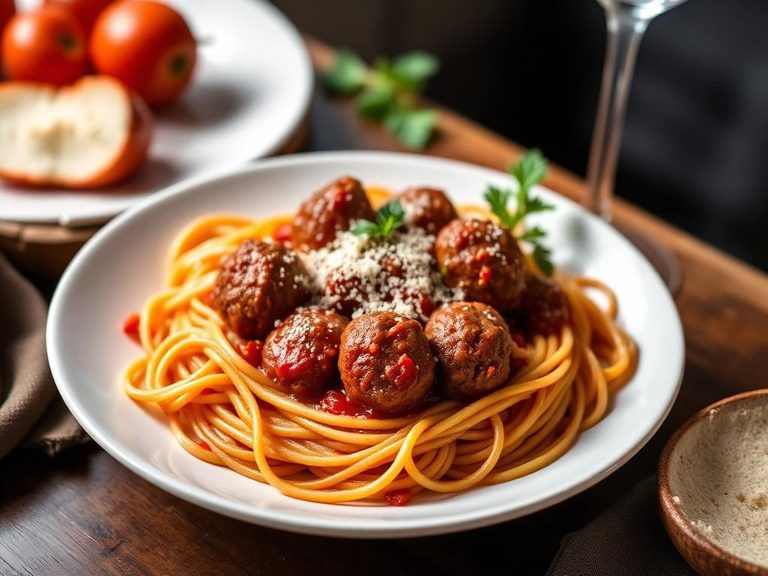
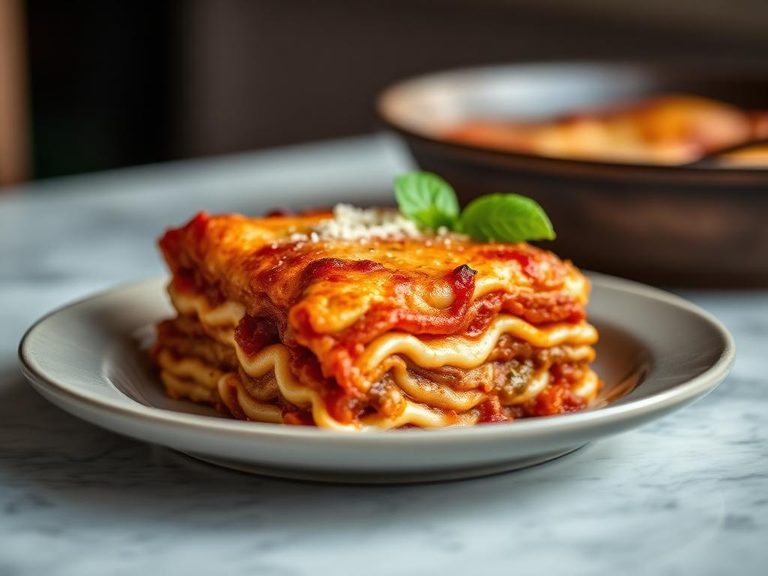
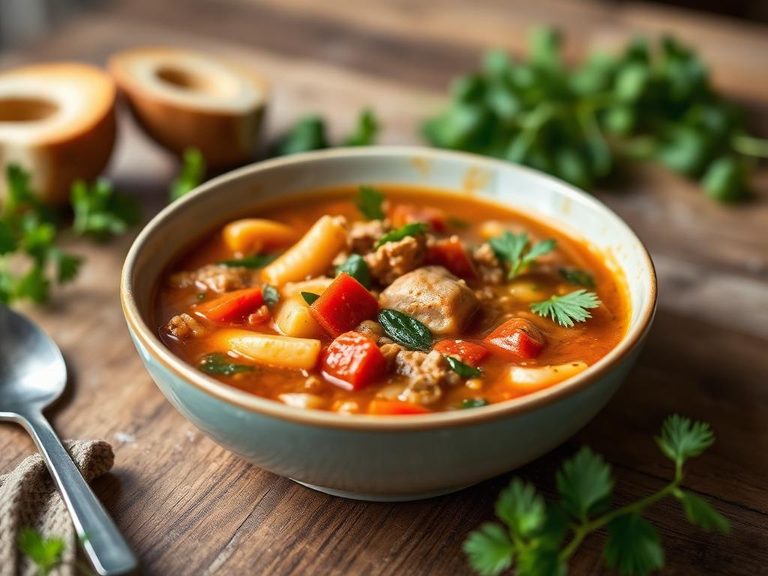
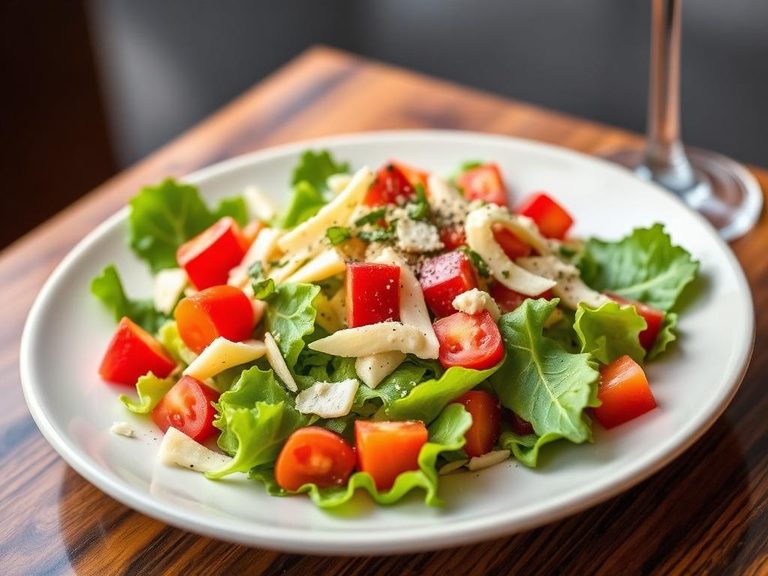
🌍 Where it's eaten
💡 Did you know?
The garlic bread we know today is an American adaptation of Italian 'fettunta,' which is simply grilled bread rubbed with garlic and drizzled with olive oil, often served during the harvest festival of new olive oil.
Full nutrition (USDA data · scales with serving)
| Water | 31.6 g |
| Energy | 351 kcal |
| Protein | 8.8 g |
| Total lipid (fat) | 16.8 g |
| Carbohydrate, by difference | 41.1 g |
| Fiber, total dietary | 2.5 g |
| Total Sugars | 3.6 g |
| Calcium, Ca | 44.0 mg |
| Iron, Fe | 3.0 mg |
| Magnesium, Mg | 23.0 mg |
| Phosphorus, P | 98.0 mg |
| Potassium, K | 105 mg |
| Sodium, Na | 568 mg |
| Zinc, Zn | 0.94 mg |
| Copper, Cu | 0.11 mg |
| Selenium, Se | 17.0 ug |
| Vitamin C, total ascorbic acid | 0.20 mg |
| Thiamin | 0.43 mg |
| Riboflavin | 0.19 mg |
| Niacin | 4.1 mg |
| Vitamin B-6 | 0.08 mg |
| Folate, total | 164 ug |
| Folic acid | 44.0 ug |
| Folate, food | 120 ug |
| Folate, DFE | 195 ug |
| Choline, total | 8.6 mg |
| Vitamin B-12 | 0.10 ug |
| Vitamin B-12, added | 0.00 ug |
| Vitamin A, RAE | 17.0 ug |
| Retinol | 17.0 ug |
| Carotene, beta | 0.00 ug |
| Carotene, alpha | 0.00 ug |
| Cryptoxanthin, beta | 0.00 ug |
| Lycopene | 0.00 ug |
| Lutein + zeaxanthin | 25.0 ug |
| Vitamin E (alpha-tocopherol) | 1.2 mg |
| Vitamin E, added | 0.00 mg |
| Vitamin D (D2 + D3) | 0.20 ug |
| Vitamin K (phylloquinone) | 29.0 ug |
| Alcohol, ethyl | 0.00 g |
| Caffeine | 0.00 mg |
| Theobromine | 0.00 mg |
Fat & fatty acid profile (per 100g)
| Fatty acids, total saturated | 5.5 g |
| SFA 4:0 | 0.02 g |
| SFA 6:0 | 0.01 g |
| SFA 8:0 | 0.03 g |
| SFA 10:0 | 0.05 g |
| SFA 12:0 | 0.65 g |
| SFA 14:0 | 0.37 g |
| SFA 16:0 | 3.4 g |
| SFA 18:0 | 0.78 g |
| Fatty acids, total monounsaturated | 4.7 g |
| MUFA 16:1 | 0.04 g |
| MUFA 18:1 | 3.9 g |
| MUFA 20:1 | 0.72 g |
| MUFA 22:1 | 0.00 g |
| Fatty acids, total polyunsaturated | 5.4 g |
| PUFA 18:2 | 5.3 g |
| PUFA 18:3 | 0.04 g |
| PUFA 18:4 | 0.00 g |
| PUFA 20:4 | 0.00 g |
| PUFA 20:5 n-3 (EPA) | 0.00 g |
| PUFA 22:5 n-3 (DPA) | 0.00 g |
| PUFA 22:6 n-3 (DHA) | 0.00 g |
| Cholesterol | 2.0 mg |
Amino acid profile (per 100g)
Estimated from Garlic bread, frozen — USDA does not publish this profile for Garlic bread.
| Tryptophan | 0.07 g |
| Threonine | 0.19 g |
| Isoleucine | 0.23 g |
| Leucine | 0.41 g |
| Lysine | 0.24 g |
| Methionine | 0.10 g |
| Cystine | 0.10 g |
| Phenylalanine | 0.27 g |
| Tyrosine | 0.19 g |
| Valine | 0.26 g |
| Arginine | 0.23 g |
| Histidine | 0.13 g |
| Alanine | 0.22 g |
| Aspartic acid | 0.33 g |
| Glutamic acid | 1.5 g |
| Glycine | 0.20 g |
| Proline | 0.52 g |
| Serine | 0.27 g |
FAQ
How does frozen garlic bread compare nutritionally to fresh bakery garlic bread?
Frozen versions often have a more consistent, standardized nutritional profile but can be higher in sodium and preservatives for shelf stability. Fresh bakery garlic bread may vary more but could have fewer additives.
Is the Parmesan cheese on frozen garlic bread real?
It depends on the brand. Higher-quality products will use real Parmesan (Parmigiano-Reggiano), while budget options might use a 'Parmesan-style' cheese blend or cheese product with fillers.
Can I make this healthier at home?
Absolutely. Use whole-grain bread, mix your own garlic butter with less salt, and top with freshly grated Parmesan. You can also add herbs like parsley for extra flavor without sodium.
Nutrient density (calculated · NRF9.3)
Nutrient Rich Foods index: beneficial nutrients (protein, fiber, vitamins, minerals) minus saturated fat, added sugar & sodium, per 100 kcal.
NRF9.3 index — Fulgoni, Keast & Drewnowski, 2009. Computed from USDA nutrients.
Weight-loss friendliness (composite index)
Energy density 3.51 kcal/g · 10% calories from protein · 2.5 g fiber · 3.6 g sugar per 100 g.
Composite of energy density (Rolls et al., 1999), protein & fiber satiety, minus sugar. A calculated heuristic — ranks satiety-per-calorie, not a clinical measure.
Dietary load (calculated from USDA values)
Potential renal acid load. Positive = acid-forming, negative = alkaline-forming.
Sodium-to-potassium ratio: 5.41 (lower is better — aim for ≤ 1)
Sodium:potassium per WHO potassium guidance. Computed from USDA nutrients.