

Fish, trout, NFS
Common food

Photo: Wikipedia
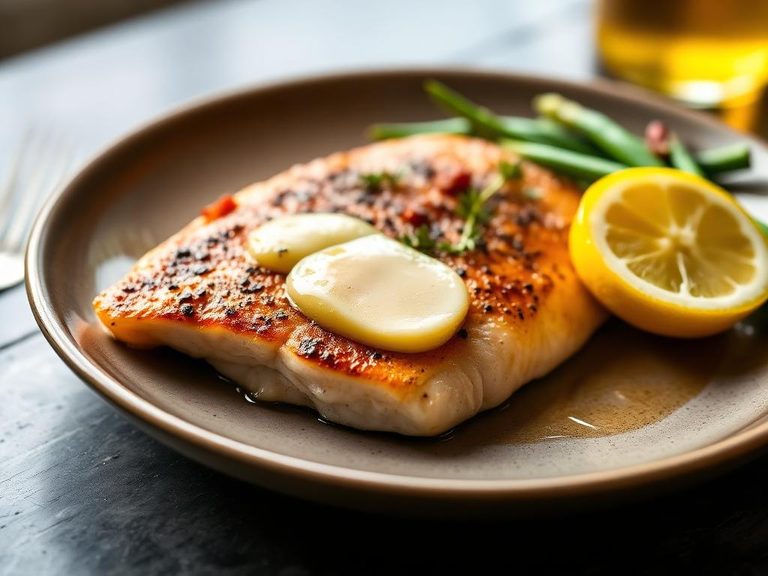
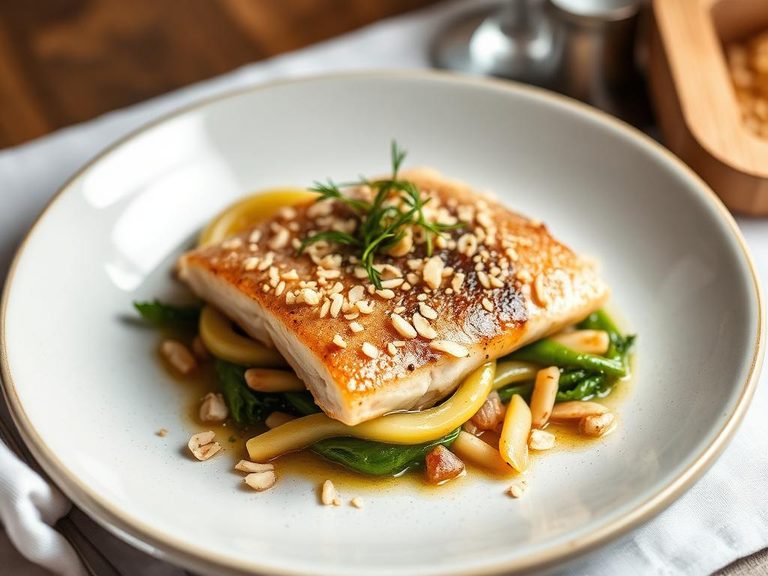
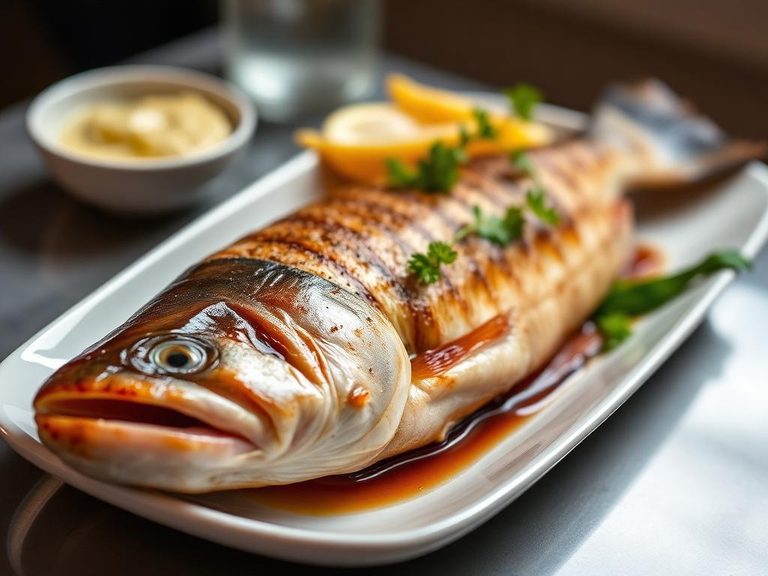
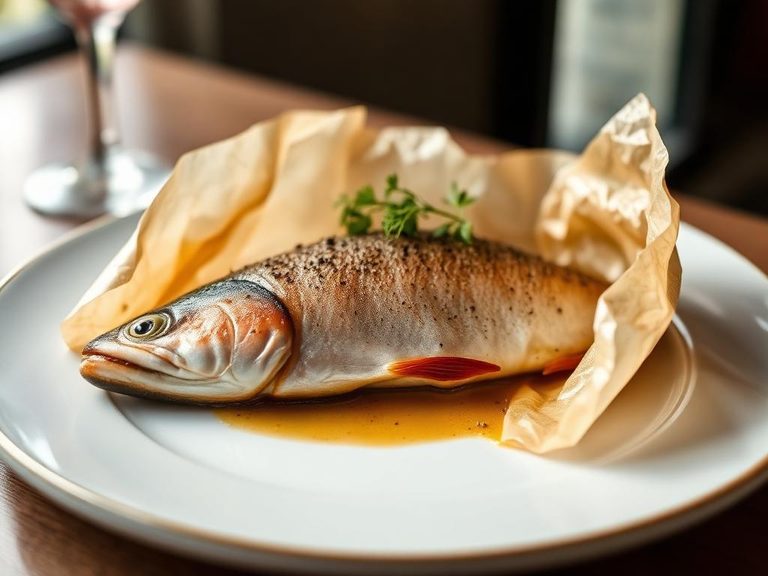
Trout is a freshwater fish prized for its delicate, flaky texture and mild, slightly sweet flavor that carries a subtle nutty undertone. Nutritionally, it's a powerhouse, offering a robust 17g of high-quality protein per 100g with a balanced fat profile that includes beneficial omega-3 fatty acids. Its natural richness means it cooks quickly, often developing a beautifully crisp skin when pan-seared.
Calorie split: 26% protein · 18% carbs · 57% fat
↓ Full nutrition💚 Why it's loved
People love trout for its versatility and approachable flavor; it's mild enough for those who don't typically enjoy 'fishy' tastes yet has enough character to stand up to bold herbs and spices. It's a staple in cuisines from mountain streams to coastal tables, often celebrated in simple preparations that highlight its fresh, clean taste.
⚠️ Watch-outs & how to enjoy it better
The primary caution is for those with a fish or seafood allergy, as trout is a common allergen. Its fat content, while healthy, means it can be higher in calories than very lean white fish, so portion awareness is key for strict calorie counting. To maximize benefits, pair it with non-starchy vegetables and whole grains for a balanced meal, and choose cooking methods like baking or grilling to avoid adding excessive fats.
Key benefits
- Excellent source of complete protein for muscle maintenance
- Rich in omega-3 fatty acids (EPA and DHA) for heart and brain health
- Good source of B vitamins, especially B12 and niacin
- Contains selenium, an important antioxidant mineral
- Provides a moderate amount of potassium
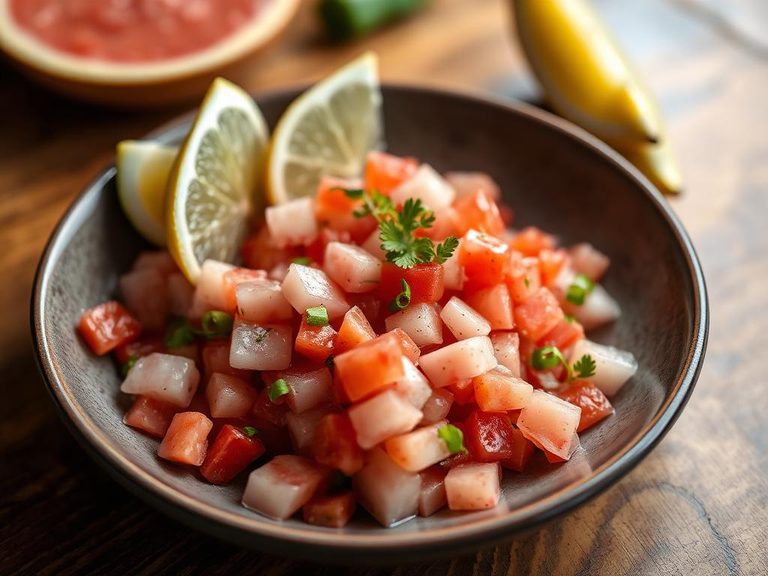
🍽️ Popular dishes
🌍 Where it's eaten
💡 Did you know?
Rainbow trout, one of the most common species, gets its name from the distinctive pinkish-red stripe that runs along its lateral line, which becomes more vivid during spawning season.
Full nutrition (USDA data · scales with serving)
| Water | 53.3 g |
| Energy | 271 kcal |
| Protein | 17.1 g |
| Total lipid (fat) | 16.9 g |
| Carbohydrate, by difference | 11.7 g |
| Fiber, total dietary | 0.50 g |
| Total Sugars | 0.20 g |
| Calcium, Ca | 34.0 mg |
| Iron, Fe | 1.1 mg |
| Magnesium, Mg | 24.0 mg |
| Phosphorus, P | 195 mg |
| Potassium, K | 311 mg |
| Sodium, Na | 382 mg |
| Zinc, Zn | 0.49 mg |
| Copper, Cu | 0.06 mg |
| Selenium, Se | 21.1 ug |
| Vitamin C, total ascorbic acid | 1.8 mg |
| Thiamin | 0.22 mg |
| Riboflavin | 0.14 mg |
| Niacin | 5.3 mg |
| Vitamin B-6 | 0.24 mg |
| Folate, total | 32.0 ug |
| Folic acid | 20.0 ug |
| Folate, food | 12.0 ug |
| Folate, DFE | 45.0 ug |
| Choline, total | 56.3 mg |
| Vitamin B-12 | 3.0 ug |
| Vitamin B-12, added | 0.00 ug |
| Vitamin A, RAE | 57.0 ug |
| Retinol | 57.0 ug |
| Carotene, beta | 0.00 ug |
| Carotene, alpha | 0.00 ug |
| Cryptoxanthin, beta | 0.00 ug |
| Lycopene | 0.00 ug |
| Lutein + zeaxanthin | 10.0 ug |
| Vitamin E (alpha-tocopherol) | 4.0 mg |
| Vitamin E, added | 0.00 mg |
| Vitamin D (D2 + D3) | 12.1 ug |
| Vitamin K (phylloquinone) | 12.0 ug |
| Alcohol, ethyl | 0.00 g |
| Caffeine | 0.00 mg |
| Theobromine | 0.00 mg |
Fat & fatty acid profile (per 100g)
| Fatty acids, total saturated | 2.7 g |
| SFA 4:0 | 0.00 g |
| SFA 6:0 | 0.00 g |
| SFA 8:0 | 0.00 g |
| SFA 10:0 | 0.00 g |
| SFA 12:0 | 0.00 g |
| SFA 14:0 | 0.14 g |
| SFA 16:0 | 1.9 g |
| SFA 18:0 | 0.54 g |
| Fatty acids, total monounsaturated | 6.6 g |
| MUFA 16:1 | 0.30 g |
| MUFA 18:1 | 6.0 g |
| MUFA 20:1 | 0.25 g |
| MUFA 22:1 | 0.01 g |
| Fatty acids, total polyunsaturated | 5.8 g |
| PUFA 18:2 | 4.5 g |
| PUFA 18:3 | 0.57 g |
| PUFA 18:4 | 0.00 g |
| PUFA 20:4 | 0.03 g |
| PUFA 20:5 n-3 (EPA) | 0.17 g |
| PUFA 22:5 n-3 (DPA) | 0.07 g |
| PUFA 22:6 n-3 (DHA) | 0.39 g |
| Cholesterol | 51.0 mg |
Amino acid profile (per 100g)
Estimated from Fish, fish sticks, frozen, prepared — USDA does not publish this profile for Fish.
| Tryptophan | 0.12 g |
| Threonine | 0.37 g |
| Isoleucine | 0.43 g |
| Leucine | 0.85 g |
| Lysine | 0.80 g |
| Methionine | 0.30 g |
| Phenylalanine | 0.47 g |
| Tyrosine | 0.29 g |
| Valine | 0.50 g |
| Arginine | 0.59 g |
| Histidine | 0.23 g |
| Alanine | 0.55 g |
| Aspartic acid | 0.82 g |
| Glutamic acid | 2.3 g |
| Glycine | 0.47 g |
| Proline | 0.78 g |
| Serine | 0.49 g |
| Hydroxyproline | 0.00 g |
FAQ
How is trout different from salmon?
Trout and salmon are closely related, but trout is generally smaller, milder in flavor, and has a more delicate texture. Salmon often has a richer, more pronounced 'oceanic' taste and higher fat content. Nutritionally, both are excellent sources of protein and omega-3s.
Is farmed trout as healthy as wild-caught?
Both are nutritious. Farmed trout (often Rainbow Trout) is consistently available and typically has a higher fat content, meaning more omega-3s per serving. Wild-caught trout may have a slightly different flavor profile and trace mineral content depending on its diet and environment.
What's the best way to cook trout to keep it healthy?
Baking, broiling, grilling, or steaming are ideal methods as they require minimal added fat. Pan-searing with a small amount of healthy oil (like olive or avocado oil) to crisp the skin is also a great, flavorful option. Avoid deep-frying to keep the calorie and unhealthy fat content in check.
Nutrient density (calculated · NRF9.3)
Nutrient Rich Foods index: beneficial nutrients (protein, fiber, vitamins, minerals) minus saturated fat, added sugar & sodium, per 100 kcal.
NRF9.3 index — Fulgoni, Keast & Drewnowski, 2009. Computed from USDA nutrients.
Weight-loss friendliness (composite index)
Energy density 2.71 kcal/g · 25% calories from protein · 0.5 g fiber · 0.2 g sugar per 100 g.
Composite of energy density (Rolls et al., 1999), protein & fiber satiety, minus sugar. A calculated heuristic — ranks satiety-per-calorie, not a clinical measure.
Dietary load (calculated from USDA values)
Potential renal acid load. Positive = acid-forming, negative = alkaline-forming.
Sodium-to-potassium ratio: 1.23 (lower is better — aim for ≤ 1)
Sodium:potassium per WHO potassium guidance. Computed from USDA nutrients.