

Fish, trout, mixed species, cooked, dry heat
Whole food · Finfish and Shellfish Products

Photo: Wikipedia
Cooked trout is a lean, flaky freshwater fish with a delicate, mildly sweet flavor and a tender, moist texture. Its nutrition profile is a protein powerhouse, delivering over 26 grams of high-quality protein per 100 grams with virtually no carbohydrates, making it a staple for low-carb and high-protein diets.
Calorie split: 58% protein · 0% carbs · 42% fat
↓ Full nutrition💚 Why it's loved
People adore trout for its clean, subtle flavor that is less 'fishy' than many saltwater species, making it approachable for seafood newcomers. Its firm yet flaky texture holds up beautifully to various cooking methods, from simple pan-searing to grilling.
⚠️ Watch-outs & how to enjoy it better
As a freshwater fish, it can sometimes carry a mild earthy or muddy taste if not sourced from clean waters, which some find off-putting. It is a common fish allergen, so individuals with fin fish allergies must avoid it. To counteract any potential earthiness, choose trout from reputable farms or clear-water sources, and pair it with bright, acidic elements like lemon, dill, or a vinegar-based sauce.
Key benefits
- Excellent source of complete protein for muscle maintenance and repair.
- Rich in omega-3 fatty acids, particularly EPA and DHA, which support heart and brain health.
- Provides significant amounts of B vitamins (like B12 and niacin) for energy metabolism.
- Naturally low in sodium and contains no added sugars or carbohydrates.
🍽️ Popular dishes
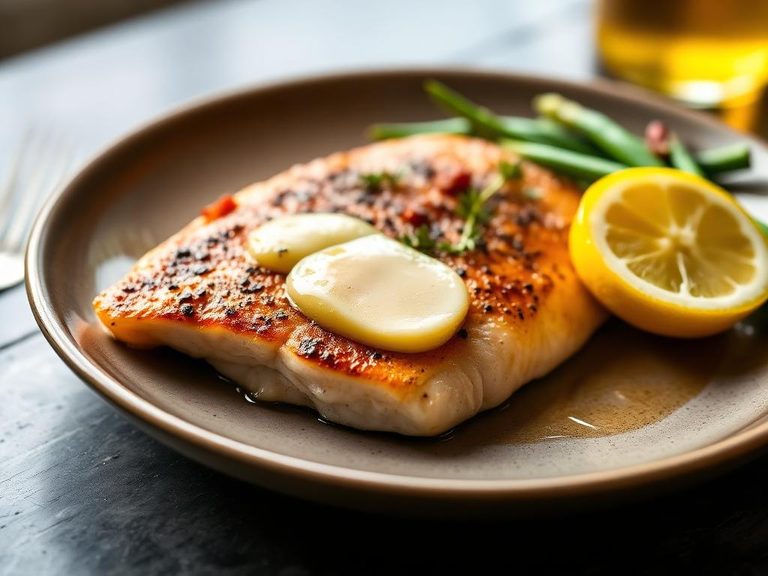
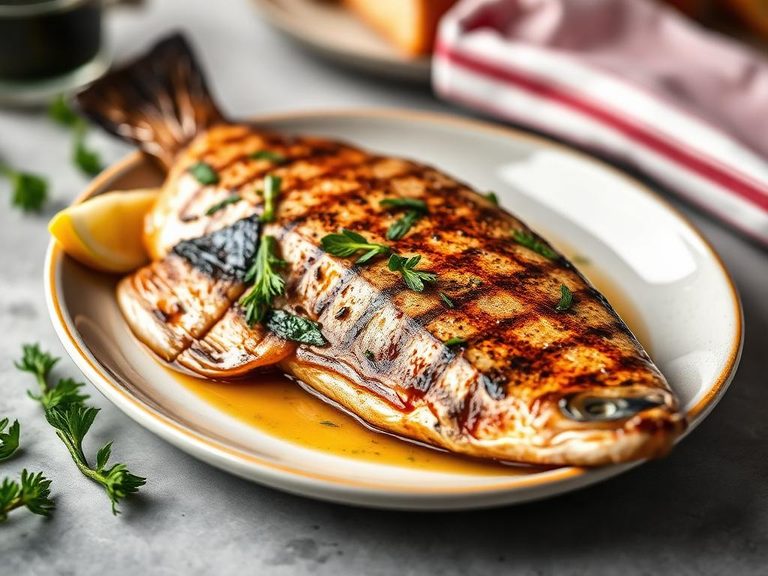
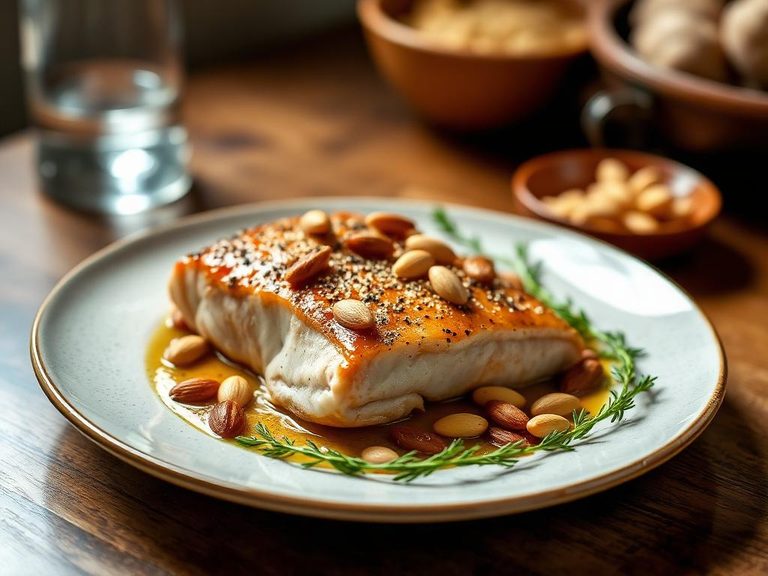
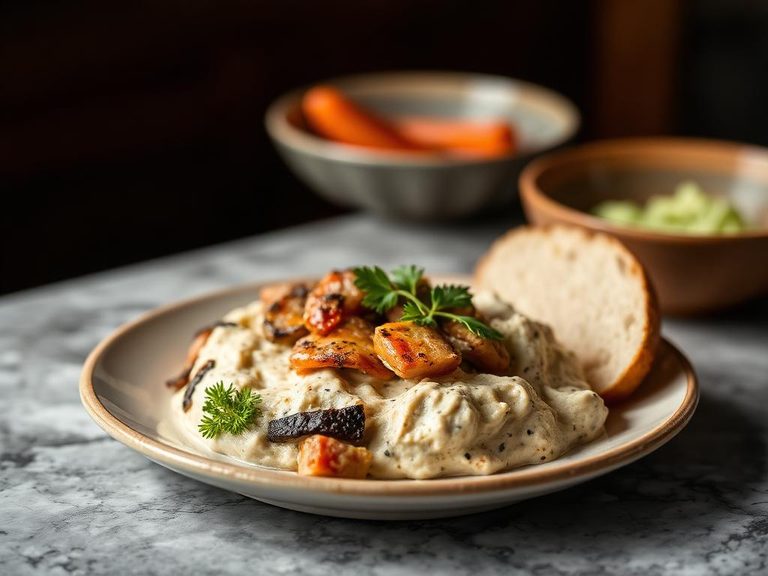
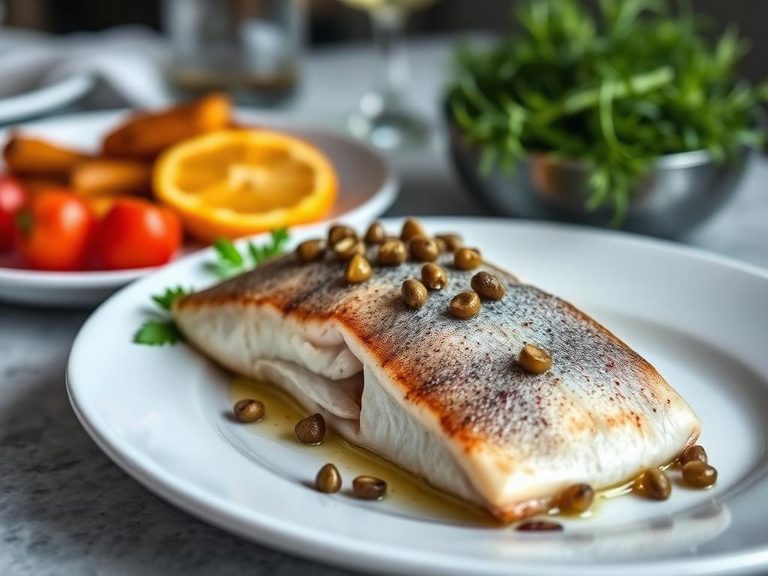
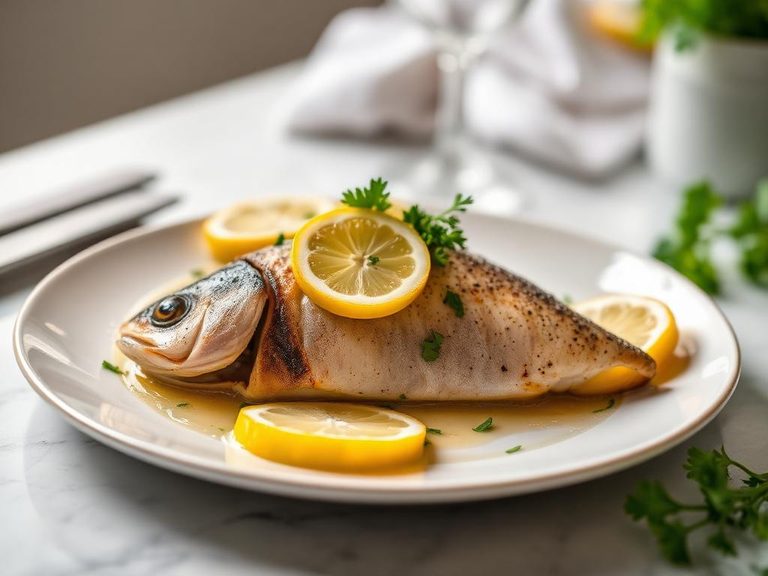
🌍 Where it's eaten
💡 Did you know?
The distinctive pink or reddish flesh color of many trout species, like the rainbow trout, comes from their natural diet rich in carotenoid pigments (like astaxanthin), which are the same antioxidants that give flamingos their pink color.
Full nutrition (USDA data · scales with serving)
| Water | 63.4 g |
| Energy | 190 kcal |
| Energy | 795 kj |
| Protein | 26.6 g |
| Total lipid (fat) | 8.5 g |
| Ash | 1.5 g |
| Carbohydrate, by difference | 0.00 g |
| Fiber, total dietary | 0.00 g |
| Calcium, Ca | 55.0 mg |
| Iron, Fe | 1.9 mg |
| Magnesium, Mg | 28.0 mg |
| Phosphorus, P | 314 mg |
| Potassium, K | 463 mg |
| Sodium, Na | 67.0 mg |
| Zinc, Zn | 0.85 mg |
| Copper, Cu | 0.24 mg |
| Manganese, Mn | 1.1 mg |
| Selenium, Se | 16.2 ug |
| Vitamin C, total ascorbic acid | 0.50 mg |
| Thiamin | 0.43 mg |
| Riboflavin | 0.42 mg |
| Niacin | 5.8 mg |
| Pantothenic acid | 2.2 mg |
| Vitamin B-6 | 0.23 mg |
| Folate, total | 15.0 ug |
| Folic acid | 0.00 ug |
| Folate, food | 15.0 ug |
| Folate, DFE | 15.0 ug |
| Vitamin B-12 | 7.5 ug |
| Vitamin A, RAE | 19.0 ug |
| Retinol | 19.0 ug |
| Vitamin A, IU | 63.0 iu |
Fat & fatty acid profile (per 100g)
| Fatty acids, total saturated | 1.5 g |
| SFA 14:0 | 0.24 g |
| SFA 16:0 | 1.0 g |
| SFA 18:0 | 0.19 g |
| Fatty acids, total monounsaturated | 4.2 g |
| MUFA 16:1 | 0.90 g |
| MUFA 18:1 | 1.8 g |
| MUFA 20:1 | 0.36 g |
| MUFA 22:1 | 1.1 g |
| Fatty acids, total polyunsaturated | 1.9 g |
| PUFA 18:2 | 0.22 g |
| PUFA 18:3 | 0.20 g |
| PUFA 18:4 | 0.08 g |
| PUFA 20:4 | 0.24 g |
| PUFA 20:5 n-3 (EPA) | 0.26 g |
| PUFA 22:5 n-3 (DPA) | 0.23 g |
| PUFA 22:6 n-3 (DHA) | 0.68 g |
| Cholesterol | 74.0 mg |
Amino acid profile (per 100g)
| Tryptophan | 0.30 g |
| Threonine | 1.2 g |
| Isoleucine | 1.2 g |
| Leucine | 2.2 g |
| Lysine | 2.4 g |
| Methionine | 0.79 g |
| Cystine | 0.28 g |
| Phenylalanine | 1.0 g |
| Tyrosine | 0.90 g |
| Valine | 1.4 g |
| Arginine | 1.6 g |
| Histidine | 0.78 g |
| Alanine | 1.6 g |
| Aspartic acid | 2.7 g |
| Glutamic acid | 4.0 g |
| Glycine | 1.3 g |
| Proline | 0.94 g |
| Serine | 1.1 g |
FAQ
Is trout a fatty fish?
Yes, trout is considered a fatty fish due to its beneficial omega-3 fatty acid content, though it is leaner than very oily fish like salmon or mackerel.
How does trout taste compared to salmon?
Trout has a milder, sweeter, and more delicate flavor than salmon, which is richer and more robust. Its texture is also generally more tender and flaky.
What's the best way to cook trout to keep it moist?
Quick, high-heat methods like pan-searing or grilling are ideal. Cook it just until the flesh is opaque and flakes easily with a fork, usually 3-4 minutes per side for a fillet, to prevent drying out.
Nutrient density (calculated · NRF9.3)
Nutrient Rich Foods index: beneficial nutrients (protein, fiber, vitamins, minerals) minus saturated fat, added sugar & sodium, per 100 kcal.
NRF9.3 index — Fulgoni, Keast & Drewnowski, 2009. Computed from USDA nutrients.
Weight-loss friendliness (composite index)
Energy density 1.90 kcal/g · 56% calories from protein · 0.0 g fiber · 0.0 g sugar per 100 g.
Composite of energy density (Rolls et al., 1999), protein & fiber satiety, minus sugar. A calculated heuristic — ranks satiety-per-calorie, not a clinical measure.
Dietary load (calculated from USDA values)
Potential renal acid load. Positive = acid-forming, negative = alkaline-forming.
Sodium-to-potassium ratio: 0.14 (lower is better — aim for ≤ 1)
Sodium:potassium per WHO potassium guidance. Computed from USDA nutrients.