

Fish, trout, fried
Common food

Photo: Wikipedia
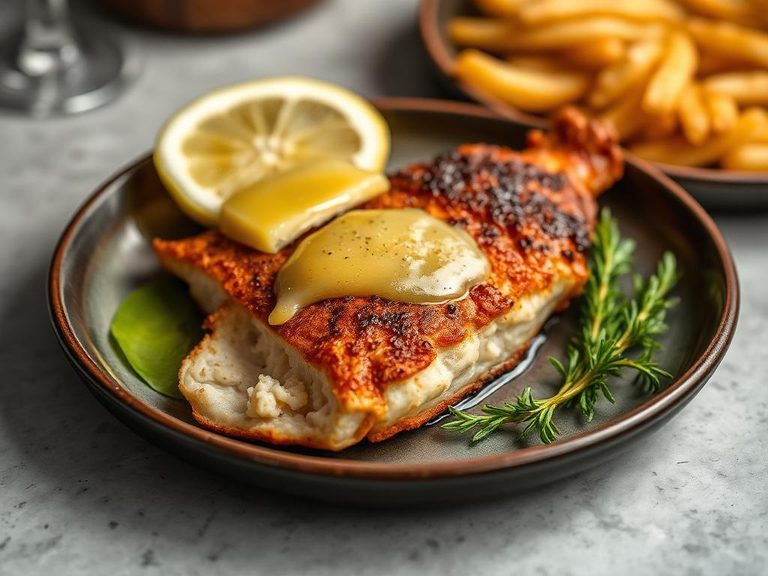
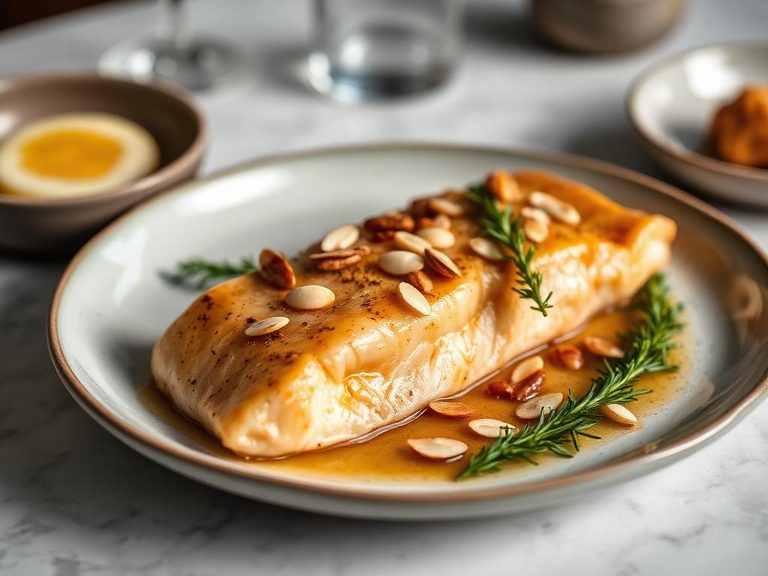
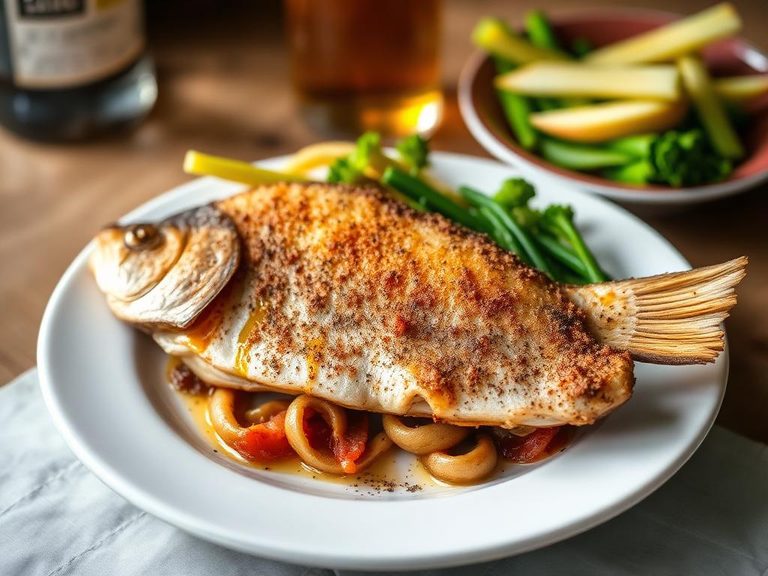
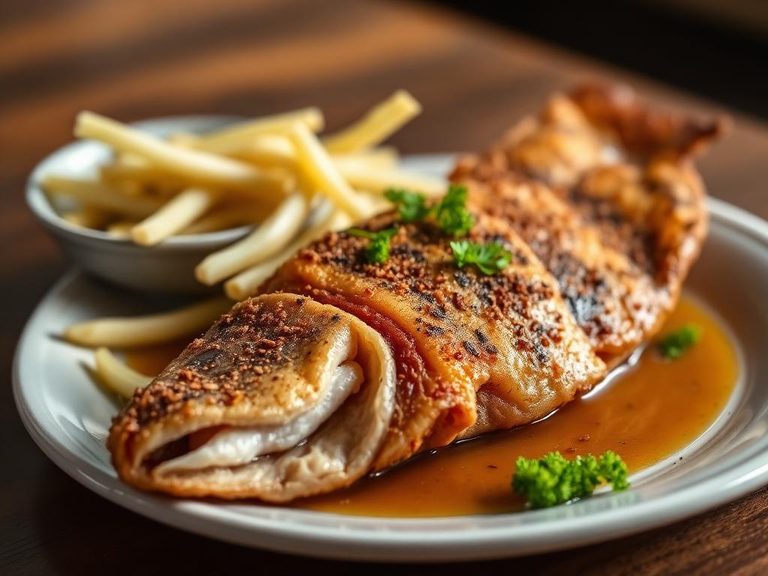
Fried trout is a whole or filleted freshwater fish cooked to a golden, crispy exterior, offering a satisfying crunch that gives way to tender, flaky, and mildly sweet flesh. It's a protein-rich dish that provides a substantial amount of energy, primarily from healthy fats, making it a hearty and flavorful meal.
Calorie split: 26% protein · 18% carbs · 57% fat
↓ Full nutrition💚 Why it's loved
People love fried trout for its delightful combination of textures—the audible crunch of the seasoned coating against the delicate, moist fish inside—and its versatile, mild flavor that pairs beautifully with lemon, herbs, or a simple tartar sauce.
⚠️ Watch-outs & how to enjoy it better
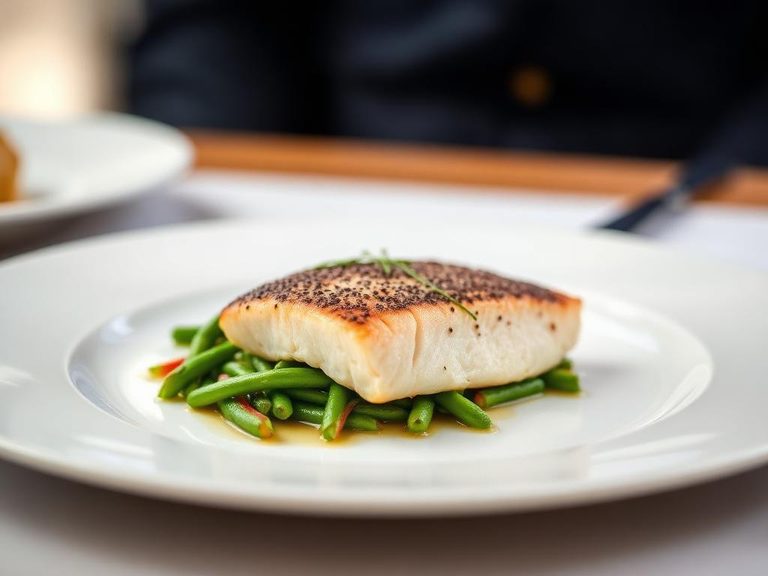
The frying process adds significant calories and fat, which can be a concern for those monitoring intake. To counteract this, consider air-frying or pan-searing with minimal oil, and pair the trout with a large side of non-starchy vegetables or a fresh salad to add volume and fiber without excessive calories.
Key benefits
- Excellent source of complete protein for muscle maintenance and repair.
- Provides omega-3 fatty acids, beneficial for heart and brain health.
- Rich in essential nutrients like Vitamin B12, niacin, and selenium.
- Offers a satisfying texture contrast between crispy skin and tender flesh.
🍽️ Popular dishes
🌍 Where it's eaten
💡 Did you know?
Trout are part of the salmon family, and like salmon, their flesh can range from pale pink to deep orange-red depending on their diet, which contains natural pigments called carotenoids.
Full nutrition (USDA data · scales with serving)
| Water | 53.3 g |
| Energy | 271 kcal |
| Protein | 17.1 g |
| Total lipid (fat) | 16.9 g |
| Carbohydrate, by difference | 11.7 g |
| Fiber, total dietary | 0.50 g |
| Total Sugars | 0.20 g |
| Calcium, Ca | 34.0 mg |
| Iron, Fe | 1.1 mg |
| Magnesium, Mg | 24.0 mg |
| Phosphorus, P | 195 mg |
| Potassium, K | 311 mg |
| Sodium, Na | 382 mg |
| Zinc, Zn | 0.49 mg |
| Copper, Cu | 0.06 mg |
| Selenium, Se | 21.1 ug |
| Vitamin C, total ascorbic acid | 1.8 mg |
| Thiamin | 0.22 mg |
| Riboflavin | 0.14 mg |
| Niacin | 5.3 mg |
| Vitamin B-6 | 0.24 mg |
| Folate, total | 32.0 ug |
| Folic acid | 20.0 ug |
| Folate, food | 12.0 ug |
| Folate, DFE | 45.0 ug |
| Choline, total | 56.3 mg |
| Vitamin B-12 | 3.0 ug |
| Vitamin B-12, added | 0.00 ug |
| Vitamin A, RAE | 57.0 ug |
| Retinol | 57.0 ug |
| Carotene, beta | 0.00 ug |
| Carotene, alpha | 0.00 ug |
| Cryptoxanthin, beta | 0.00 ug |
| Lycopene | 0.00 ug |
| Lutein + zeaxanthin | 10.0 ug |
| Vitamin E (alpha-tocopherol) | 4.0 mg |
| Vitamin E, added | 0.00 mg |
| Vitamin D (D2 + D3) | 12.1 ug |
| Vitamin K (phylloquinone) | 12.0 ug |
| Alcohol, ethyl | 0.00 g |
| Caffeine | 0.00 mg |
| Theobromine | 0.00 mg |
Fat & fatty acid profile (per 100g)
| Fatty acids, total saturated | 2.7 g |
| SFA 4:0 | 0.00 g |
| SFA 6:0 | 0.00 g |
| SFA 8:0 | 0.00 g |
| SFA 10:0 | 0.00 g |
| SFA 12:0 | 0.00 g |
| SFA 14:0 | 0.14 g |
| SFA 16:0 | 1.9 g |
| SFA 18:0 | 0.54 g |
| Fatty acids, total monounsaturated | 6.6 g |
| MUFA 16:1 | 0.30 g |
| MUFA 18:1 | 6.0 g |
| MUFA 20:1 | 0.25 g |
| MUFA 22:1 | 0.01 g |
| Fatty acids, total polyunsaturated | 5.8 g |
| PUFA 18:2 | 4.5 g |
| PUFA 18:3 | 0.57 g |
| PUFA 18:4 | 0.00 g |
| PUFA 20:4 | 0.03 g |
| PUFA 20:5 n-3 (EPA) | 0.17 g |
| PUFA 22:5 n-3 (DPA) | 0.07 g |
| PUFA 22:6 n-3 (DHA) | 0.39 g |
| Cholesterol | 51.0 mg |
Amino acid profile (per 100g)
Estimated from Fish, fish sticks, frozen, prepared — USDA does not publish this profile for Fish.
| Tryptophan | 0.12 g |
| Threonine | 0.37 g |
| Isoleucine | 0.43 g |
| Leucine | 0.85 g |
| Lysine | 0.80 g |
| Methionine | 0.30 g |
| Phenylalanine | 0.47 g |
| Tyrosine | 0.29 g |
| Valine | 0.50 g |
| Arginine | 0.59 g |
| Histidine | 0.23 g |
| Alanine | 0.55 g |
| Aspartic acid | 0.82 g |
| Glutamic acid | 2.3 g |
| Glycine | 0.47 g |
| Proline | 0.78 g |
| Serine | 0.49 g |
| Hydroxyproline | 0.00 g |
FAQ
Is fried trout healthy?
It can be a nutritious part of a balanced diet, providing high-quality protein and healthy fats. The healthiness largely depends on the cooking method (amount of oil used) and what you serve it with. Baking, grilling, or air-frying are healthier alternatives to deep-frying.
What does fried trout taste like?
Fried trout has a mild, slightly sweet, and nutty flavor. The taste is more delicate than salmon but richer than many whitefish. The frying process adds a savory, crispy dimension to the skin and coating.
How do I know when fried trout is done?
The fish is done when the flesh is opaque and flakes easily with a fork at its thickest part. For a whole fish, the internal temperature should reach 145°F (63°C). The skin should be golden brown and crisp.
Nutrient density (calculated · NRF9.3)
Nutrient Rich Foods index: beneficial nutrients (protein, fiber, vitamins, minerals) minus saturated fat, added sugar & sodium, per 100 kcal.
NRF9.3 index — Fulgoni, Keast & Drewnowski, 2009. Computed from USDA nutrients.
Weight-loss friendliness (composite index)
Energy density 2.71 kcal/g · 25% calories from protein · 0.5 g fiber · 0.2 g sugar per 100 g.
Composite of energy density (Rolls et al., 1999), protein & fiber satiety, minus sugar. A calculated heuristic — ranks satiety-per-calorie, not a clinical measure.
Dietary load (calculated from USDA values)
Potential renal acid load. Positive = acid-forming, negative = alkaline-forming.
Sodium-to-potassium ratio: 1.23 (lower is better — aim for ≤ 1)
Sodium:potassium per WHO potassium guidance. Computed from USDA nutrients.