

Fish, salmon, fried
Common food

Photo: Wikipedia
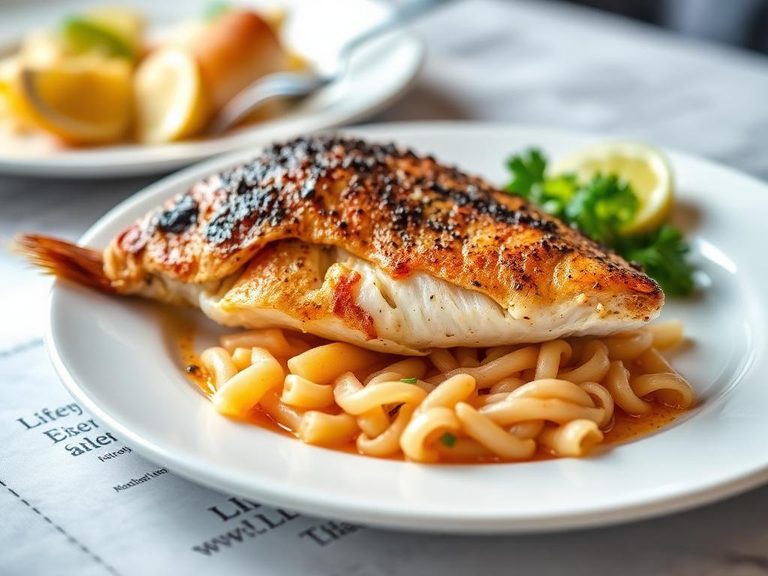
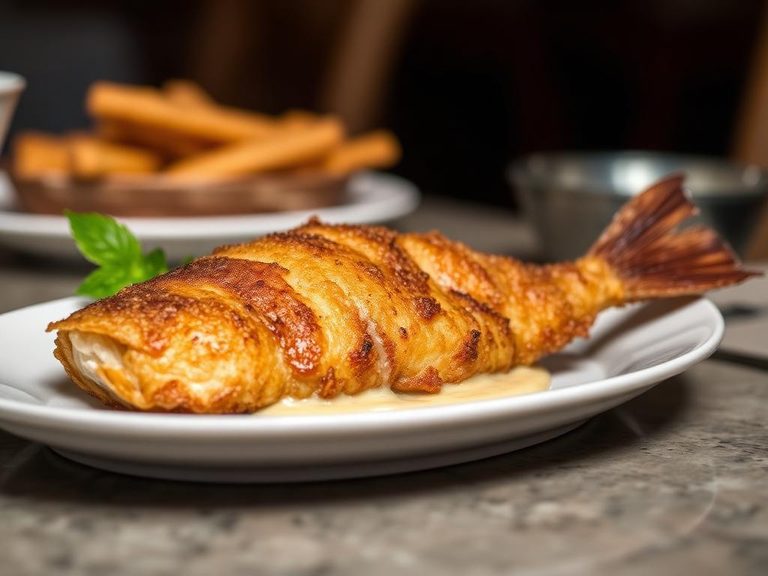
Fried salmon is a culinary delight where the fish's natural oils create a golden, crispy exterior while keeping the interior moist and flaky. The cooking process intensifies its rich, savory flavor, and the nutrition profile is notable for its high protein and healthy fats. It's a satisfying, energy-dense meal that feels both indulgent and nourishing.
Calorie split: 23% protein · 15% carbs · 61% fat
↓ Full nutrition💚 Why it's loved
People love it for the irresistible contrast between the shatteringly crisp skin or coating and the tender, buttery flesh inside. It's a versatile centerpiece that can be dressed up with a squeeze of lemon for simplicity or incorporated into elaborate global dishes.
⚠️ Watch-outs & how to enjoy it better
The frying process adds significant calories and fat, which can be a concern for those monitoring intake. The high-fat content may also be too heavy for some digestive systems. To counteract this, use an air fryer or pan-fry with minimal added oil, and pair it with a large portion of non-starchy vegetables (like a bright salad or steamed greens) to add volume and fiber without excess calories.
Key benefits
- Excellent source of high-quality, complete protein for muscle maintenance.
- Rich in omega-3 fatty acids (EPA & DHA) for heart and brain health.
- Provides significant vitamin D, especially when skin is consumed.
- Contains selenium, an important antioxidant mineral.
- Offers a satisfying, satiating meal that can help with portion control.
🍽️ Popular dishes
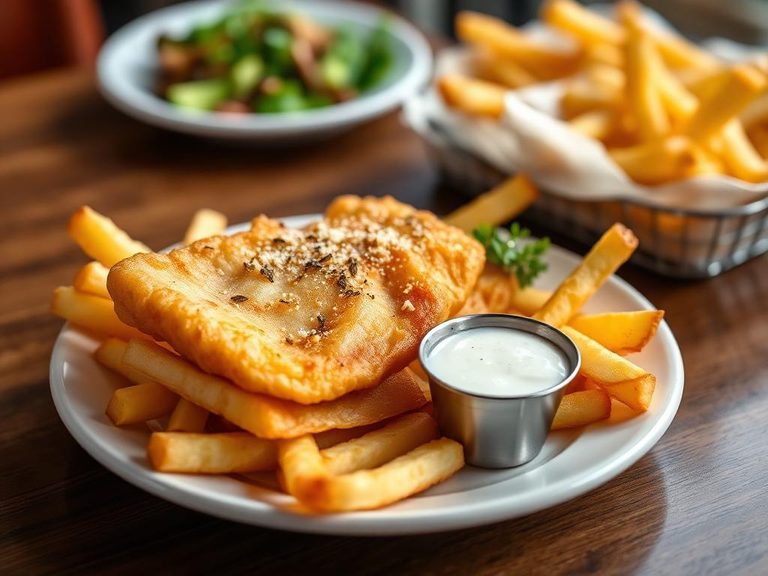
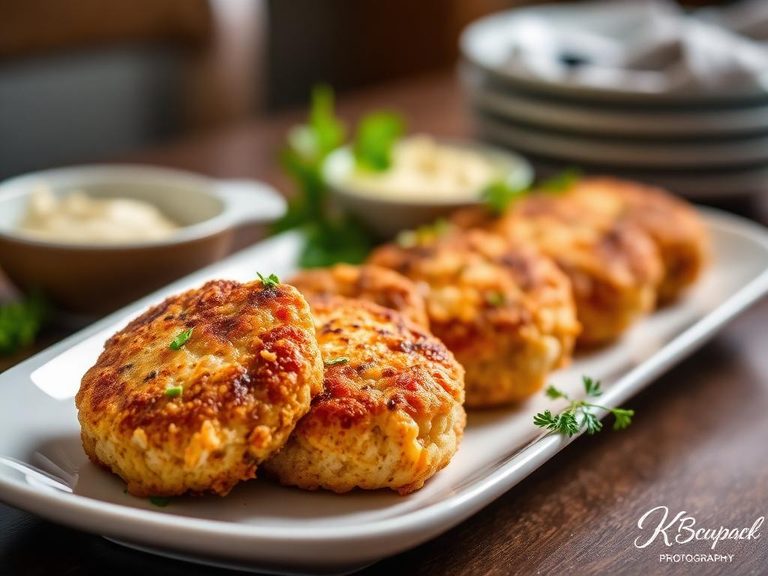
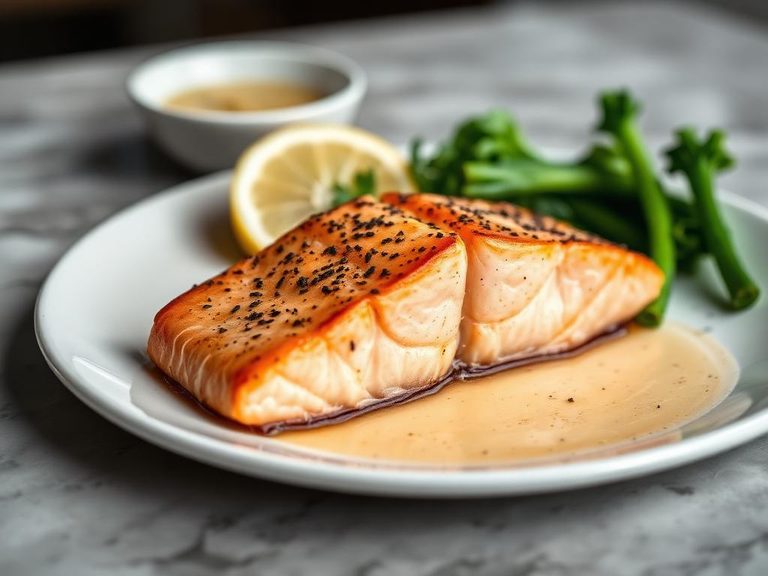
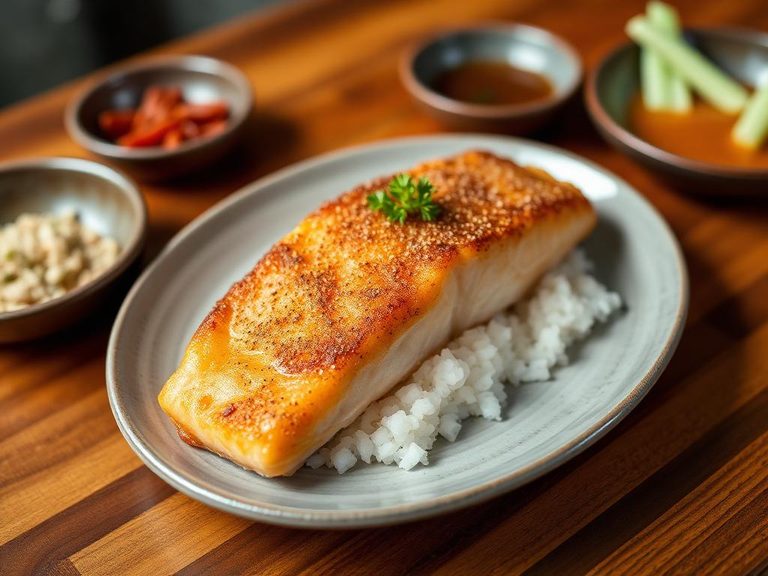
🌍 Where it's eaten
💡 Did you know?
The sizzling sound of salmon hitting a hot pan is caused by moisture rapidly vaporizing; a steady, moderate sizzle means your pan is at the perfect temperature for a crispy sear without burning.
Full nutrition (USDA data · scales with serving)
| Water | 48.5 g |
| Energy | 307 kcal |
| Protein | 17.4 g |
| Total lipid (fat) | 20.7 g |
| Carbohydrate, by difference | 11.7 g |
| Fiber, total dietary | 0.50 g |
| Total Sugars | 0.20 g |
| Calcium, Ca | 21.0 mg |
| Iron, Fe | 1.2 mg |
| Magnesium, Mg | 25.0 mg |
| Phosphorus, P | 209 mg |
| Potassium, K | 301 mg |
| Sodium, Na | 391 mg |
| Zinc, Zn | 0.43 mg |
| Copper, Cu | 0.07 mg |
| Selenium, Se | 22.7 ug |
| Vitamin C, total ascorbic acid | 1.8 mg |
| Thiamin | 0.26 mg |
| Riboflavin | 0.18 mg |
| Niacin | 7.5 mg |
| Vitamin B-6 | 0.44 mg |
| Folate, total | 38.0 ug |
| Folic acid | 20.0 ug |
| Folate, food | 19.0 ug |
| Folate, DFE | 52.0 ug |
| Choline, total | 69.5 mg |
| Vitamin B-12 | 2.4 ug |
| Vitamin B-12, added | 0.00 ug |
| Vitamin A, RAE | 37.0 ug |
| Retinol | 37.0 ug |
| Carotene, beta | 0.00 ug |
| Carotene, alpha | 0.00 ug |
| Cryptoxanthin, beta | 0.00 ug |
| Lycopene | 0.00 ug |
| Lutein + zeaxanthin | 10.0 ug |
| Vitamin E (alpha-tocopherol) | 4.4 mg |
| Vitamin E, added | 0.00 mg |
| Vitamin D (D2 + D3) | 8.4 ug |
| Vitamin K (phylloquinone) | 12.3 ug |
| Alcohol, ethyl | 0.00 g |
| Caffeine | 0.00 mg |
| Theobromine | 0.00 mg |
Fat & fatty acid profile (per 100g)
| Fatty acids, total saturated | 3.6 g |
| SFA 4:0 | 0.00 g |
| SFA 6:0 | 0.00 g |
| SFA 8:0 | 0.00 g |
| SFA 10:0 | 0.00 g |
| SFA 12:0 | 0.00 g |
| SFA 14:0 | 0.36 g |
| SFA 16:0 | 2.4 g |
| SFA 18:0 | 0.67 g |
| Fatty acids, total monounsaturated | 7.5 g |
| MUFA 16:1 | 0.53 g |
| MUFA 18:1 | 6.6 g |
| MUFA 20:1 | 0.32 g |
| MUFA 22:1 | 0.01 g |
| Fatty acids, total polyunsaturated | 7.0 g |
| PUFA 18:2 | 4.6 g |
| PUFA 18:3 | 0.62 g |
| PUFA 18:4 | 0.08 g |
| PUFA 20:4 | 0.06 g |
| PUFA 20:5 n-3 (EPA) | 0.53 g |
| PUFA 22:5 n-3 (DPA) | 0.23 g |
| PUFA 22:6 n-3 (DHA) | 0.69 g |
| Cholesterol | 46.0 mg |
Amino acid profile (per 100g)
Estimated from Fish, fish sticks, frozen, prepared — USDA does not publish this profile for Fish.
| Tryptophan | 0.12 g |
| Threonine | 0.37 g |
| Isoleucine | 0.43 g |
| Leucine | 0.85 g |
| Lysine | 0.80 g |
| Methionine | 0.30 g |
| Phenylalanine | 0.47 g |
| Tyrosine | 0.29 g |
| Valine | 0.50 g |
| Arginine | 0.59 g |
| Histidine | 0.23 g |
| Alanine | 0.55 g |
| Aspartic acid | 0.82 g |
| Glutamic acid | 2.3 g |
| Glycine | 0.47 g |
| Proline | 0.78 g |
| Serine | 0.49 g |
| Hydroxyproline | 0.00 g |
FAQ
Why does my fried salmon stick to the pan?
The pan and oil must be fully preheated before adding the fish. Pat the salmon completely dry with paper towels, as moisture causes sticking. Use a non-stick or well-seasoned cast-iron skillet, and don't move the fish until a natural crust has formed.
Is the skin edible and nutritious when fried?
Yes, when fried to a crisp, salmon skin becomes a delicious, savory chip-like element. It's a concentrated source of omega-3 fats and collagen, making it both tasty and nutritious.
How can I tell when fried salmon is done?
The flesh will turn from translucent to opaque and flake easily when pressed with a fork. For a precise check, an instant-read thermometer should read 125-130°F (52-54°C) in the thickest part for a moist, medium result.
Nutrient density (calculated · NRF9.3)
Nutrient Rich Foods index: beneficial nutrients (protein, fiber, vitamins, minerals) minus saturated fat, added sugar & sodium, per 100 kcal.
NRF9.3 index — Fulgoni, Keast & Drewnowski, 2009. Computed from USDA nutrients.
Weight-loss friendliness (composite index)
Energy density 3.07 kcal/g · 23% calories from protein · 0.5 g fiber · 0.2 g sugar per 100 g.
Composite of energy density (Rolls et al., 1999), protein & fiber satiety, minus sugar. A calculated heuristic — ranks satiety-per-calorie, not a clinical measure.
Dietary load (calculated from USDA values)
Potential renal acid load. Positive = acid-forming, negative = alkaline-forming.
Sodium-to-potassium ratio: 1.30 (lower is better — aim for ≤ 1)
Sodium:potassium per WHO potassium guidance. Computed from USDA nutrients.